The Cost of Clarity: Why Collaboration Still Builds Better
Written by
02 December 2025
•
6 min read

It’s a minor heartbreak with a major lesson. clarity costs less than confusion.
Because the smartest way to control the cost, performance and feel of a build isn’t by pushing for discounts at the end, but by aligning the right minds at the start.
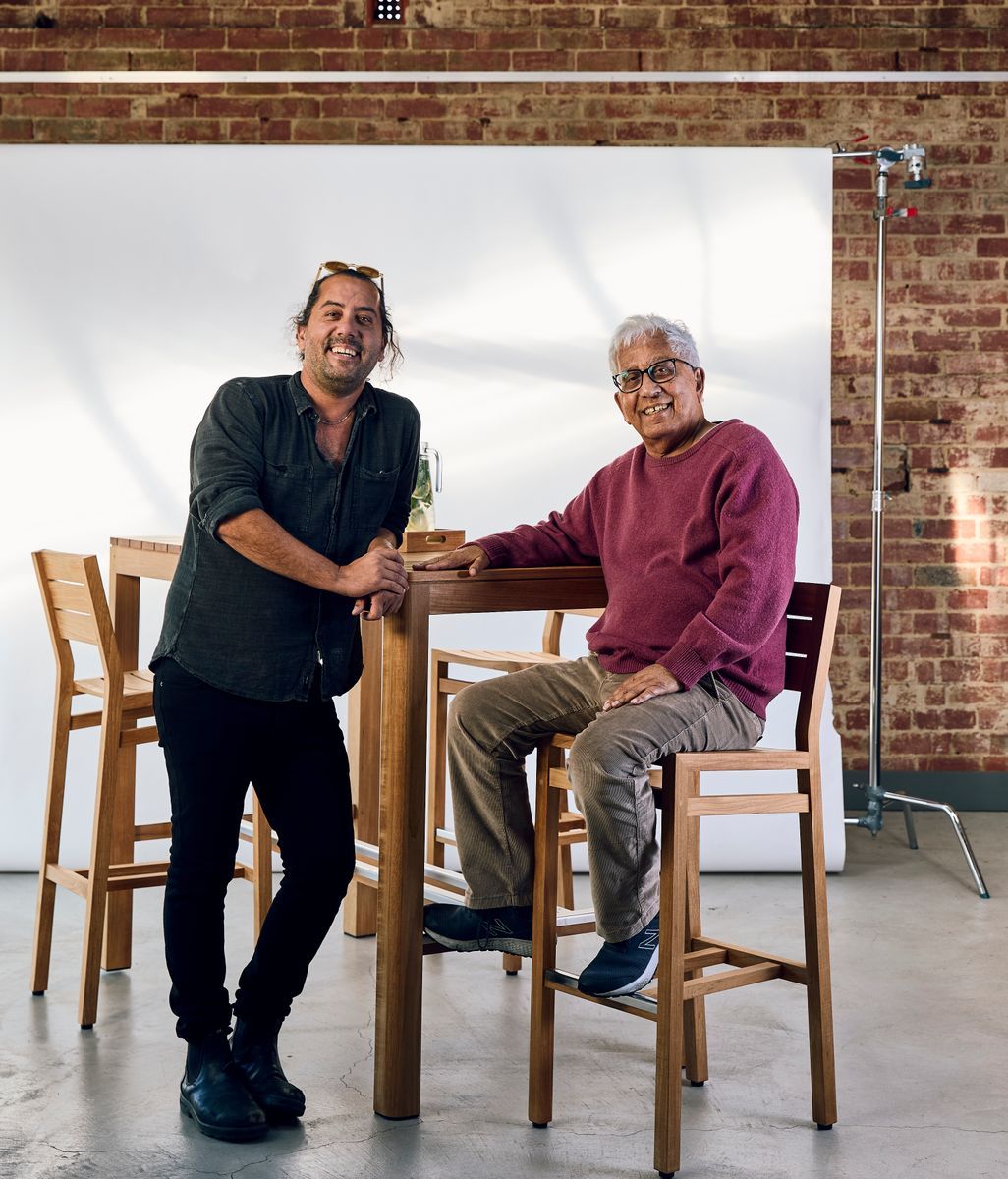
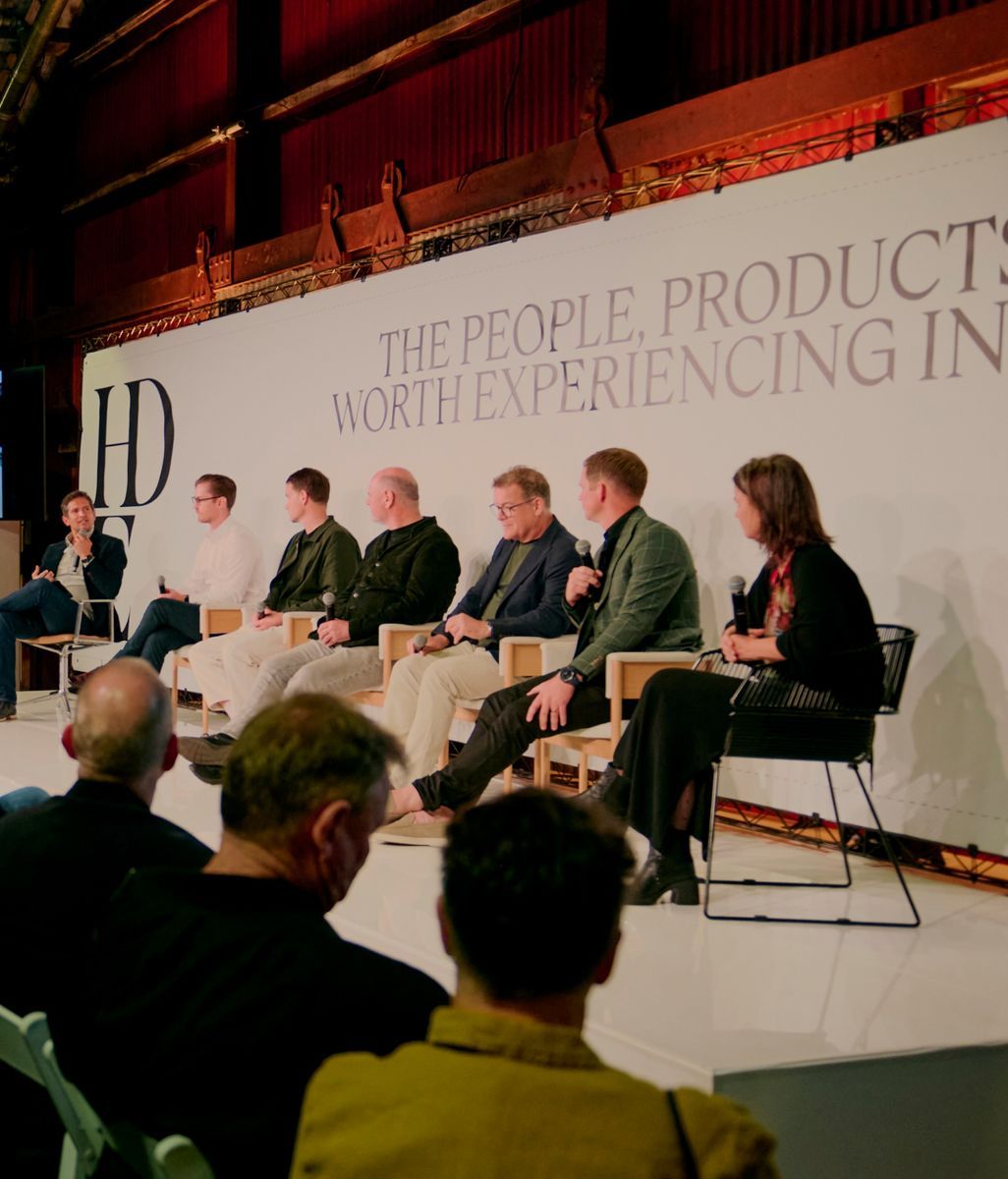
ArchiPro spoke to architect Hamish Muir of Mason & Wales Architects, interior designer Jeff Merrin of Lume Design, and builder Richard Fantham of Radius Building.
Each has seen what happens when collaboration comes too late, and how early coordination turns experience into foresight. All agree that the smartest buildings come from collective intelligence, when every discipline has space to contribute before decisions harden into structure.
Collaboration isn’t consensus, it’s foresight. For all three, the difference between a smooth project and a salvage job comes down to how early the right people start talking.
“Getting everyone in the room early, the architect, the builder, the designer, the engineer, means you can challenge each other while it’s still cheap to change things,” says Hamish.
Richard puts it simply: “You want the decisions tested before they reach the site. The earlier that happens, the better the outcome.”
Jeff Merrin of Lume Design says the best results come when every discipline understands what the others need, structurally, visually and financially.
Each brings different knowledge, but all share the same goal: a build that performs as well as it looks. Collaboration, at its best, isn’t about compromise, it’s about collective clarity. When experience across disciplines combines, the result is stronger and more refined.

Good design isn’t decoration, it’s coordination. For Hamish, good design begins long before aesthetics.
“Design is often interpreted as the visual side of architecture,” he says. “But really, it’s about solving problems, making something functional, fit for purpose and durable. It’s just common sense.”
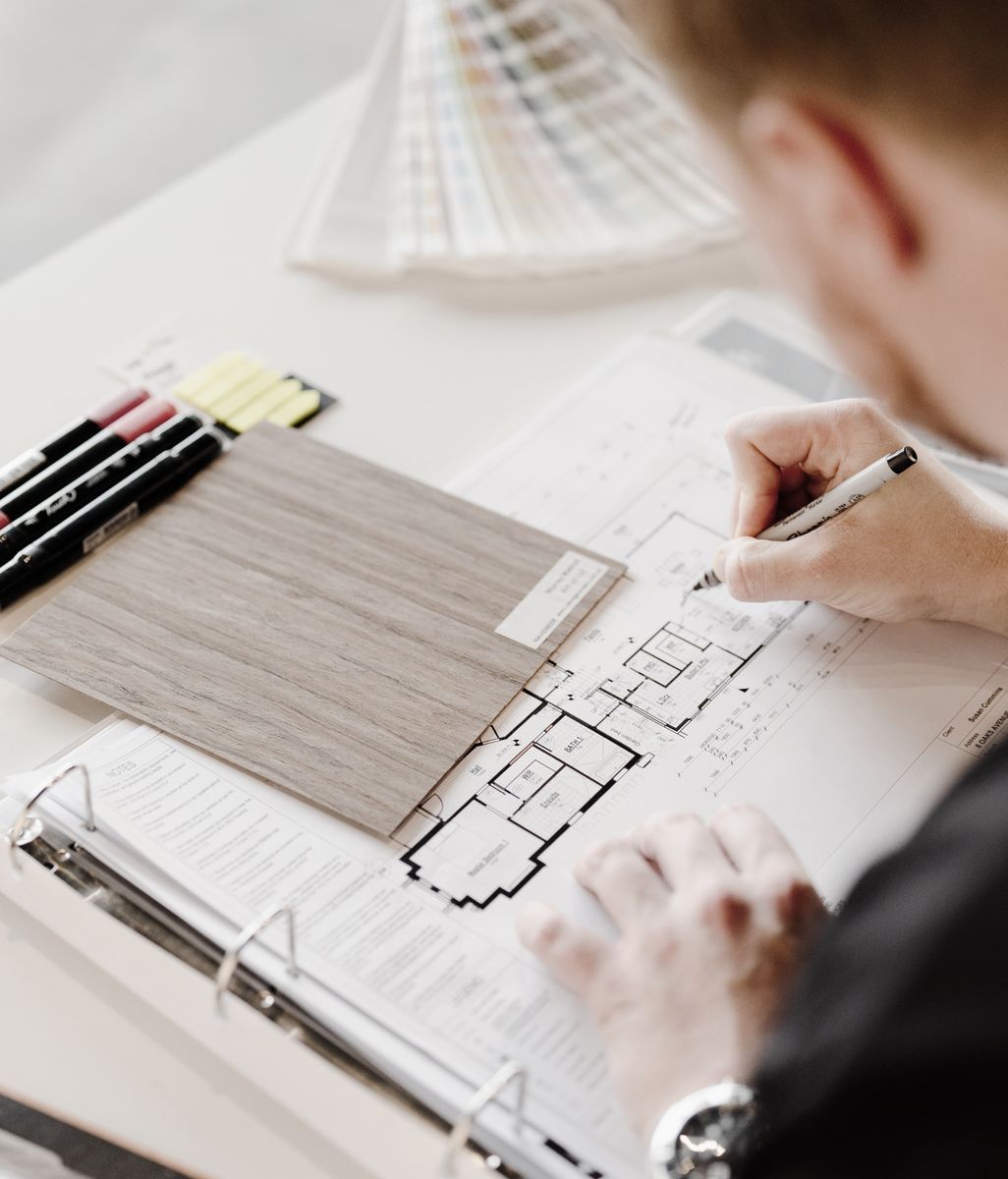
That practicality, he explains, is what saves money. “We make the mistakes on paper. By the time it turns into concrete or steel, those mistakes have already been made and fixed.”
He adds that good design is ultimately about coordination, resolving weak points before they reach site. “Someone once said, ‘good design isn’t expensive, bad design is.’ I think that’s true.”
The myth of “we’ll choose that later”. Jeff Merrin has seen another kind of overspend, the cost of indecision.
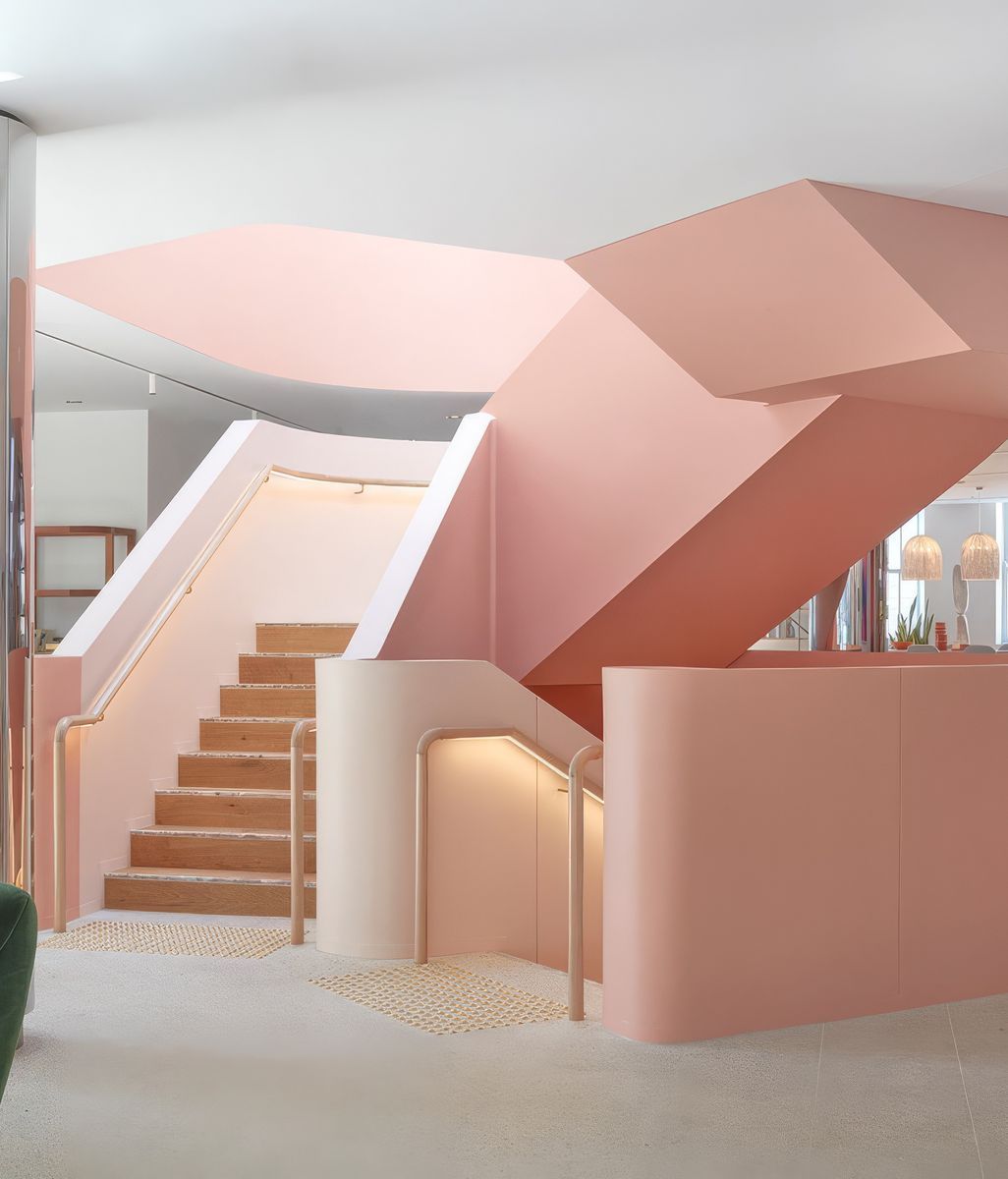
“People underestimate how much interior decisions affect the construction process,” he explains. “Every choice connects to something else. The flooring thickness affects door thresholds, the curtain boxes need to be planned with the ceiling grid. You can’t just pick these things at the end.”
He recalls projects where clients delayed key selections and the flow-on effects were measured not in décor but in months of delay. “When decisions stall, the whole schedule backs up. Lead times, ordering, fabrication, it all compounds.”
For Jeff, early input isn’t just about style but sequence. “When the interiors are considered from day one, the architecture and the build can respond to them, not fight against them.”


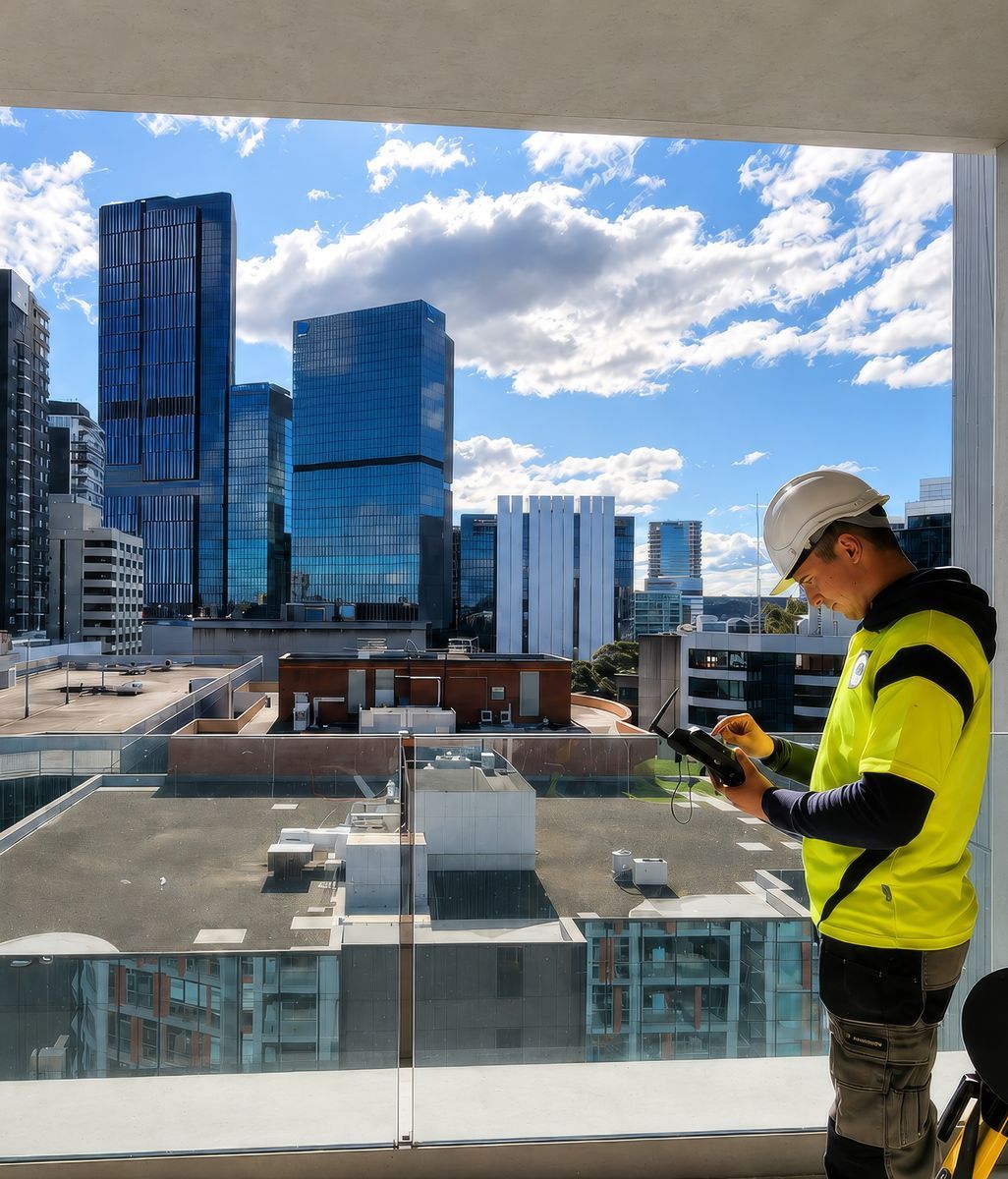
The builder’s view: cost control starts on paper. For Richard, the value of early engagement is straightforward. “The best thing you can do is get your builder in early,” he says. “We can bring cost management, construction insight and methodology to the table before anything’s locked in.”
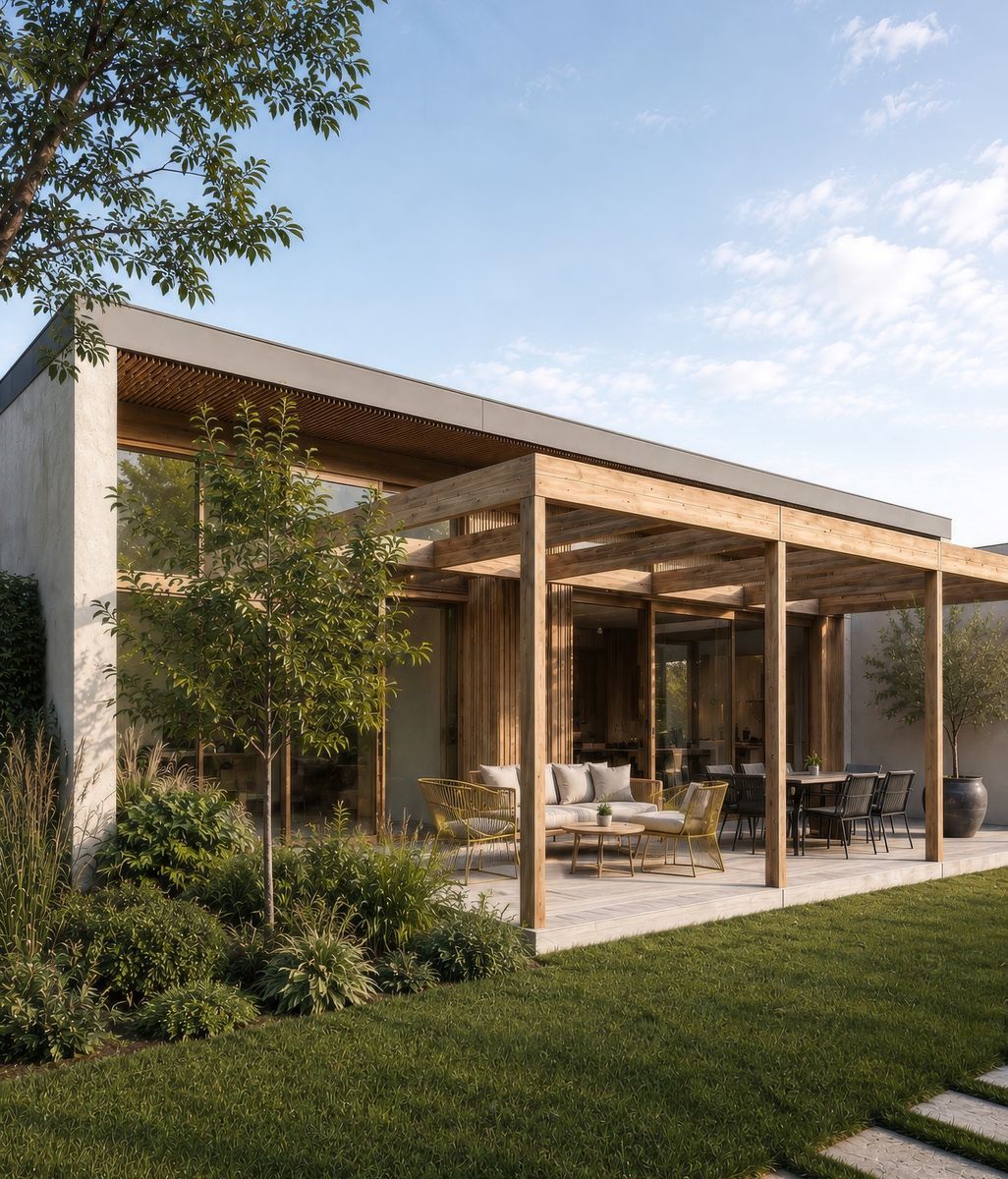
He recalls a 500-square-metre home where a small design adjustment saved the client tens of thousands. “They had specified a euro-tray roof, beautiful but expensive. We suggested a different profile that kept the same look. It saved about seventy thousand dollars.”
That kind of saving, he says, is only possible when the builder is part of the conversation early enough to influence the drawings, not just follow them.

Information is cheaper than correction. Hamish says the simplest way to avoid missteps is through good information.
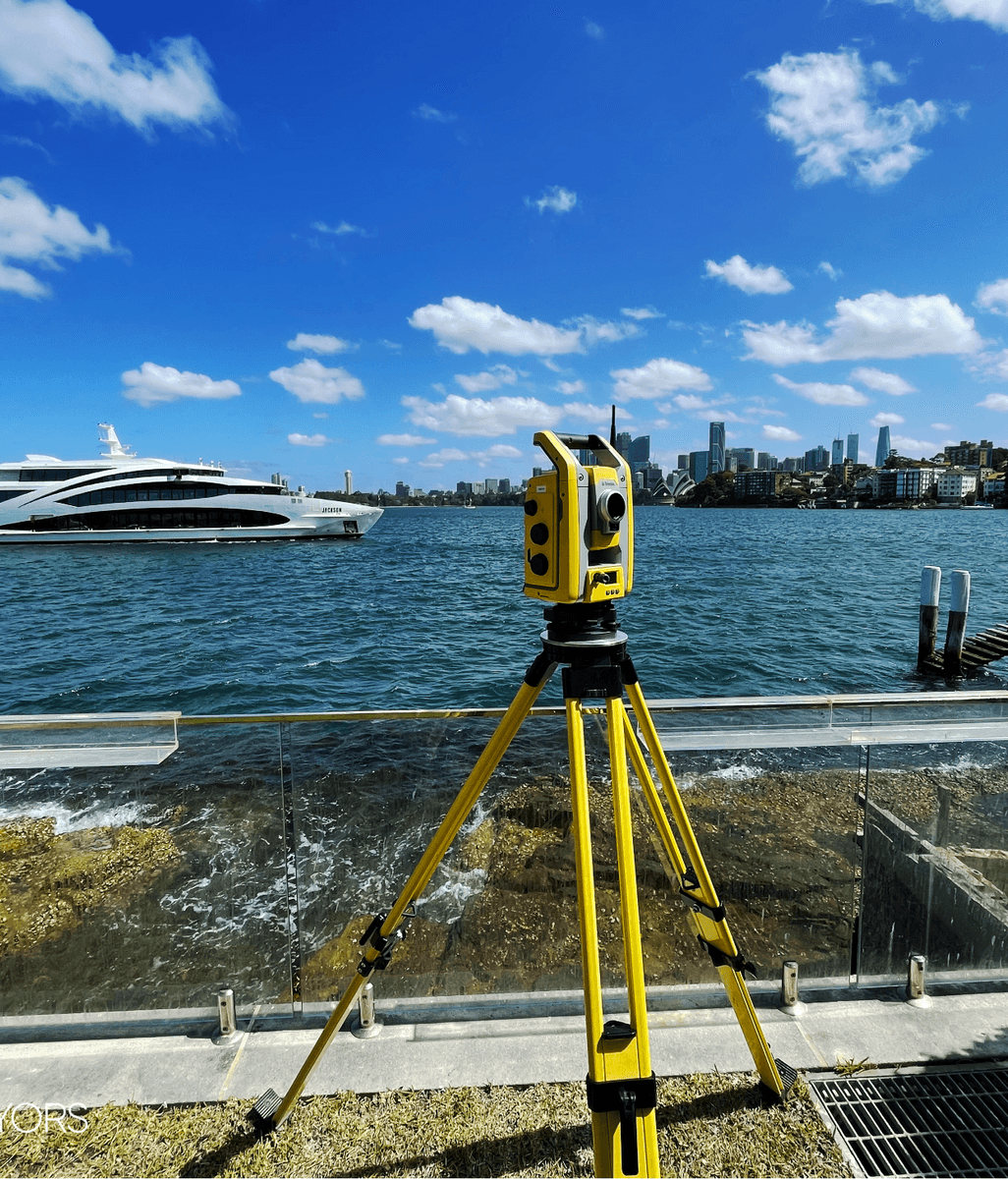
“A proper topographical survey, accurate site data, clear planning rules. Those things might cost fifteen hundred dollars, but they can save tens of thousands weeks later,” he notes.
The same goes for feasibility before purchase. “Some of our best projects start before the land is even bought. We’ll tell a client, ‘yes, this site works,’ or sometimes, ‘you can do better.’ That’s money and time saved before you’ve even drawn a wall.”
He adds that a strong brief matters just as much as a strong plan. “A good brief isn’t written once; it evolves. We sketch, we test, we cost. The goal is to make smart decisions on paper, not rebuild them in concrete.”

All three agree that good value isn’t about spending less; it’s about spending right.
Jeff’s advice is to invest in the parts of the home that shape daily experience. “Joinery, surfaces, kitchens, things you touch every day. That’s where quality pays back.”
Hamish takes a broader view. “If we coordinate structure, services and siting properly, you can put more into landscape and interiors, the layers that actually make a house feel complete.”
Richard’s focus is pragmatic and personal. After years of seeing projects stall or suffer from late-stage indecision, he now recommends engaging an interior designer on every build. “People think they can choose finishes themselves,” he says. “But the time they spend doing that, and the mistakes that come from doing it too late, usually cost more than the designer’s fee.”
He admits he learned that lesson the hard way. “When I built my own house, we didn’t use an interior designer. My wife was confident she could handle the selections. Months later, we were still debating curtains and paint colours.” He smiles. “Eventually she said, ‘You were right, we should have hired one.’”
Now, he tells clients the same thing. “Don’t skip the expertise that keeps the process moving. It’s what protects the joy of living in your new home.”
Every project involves trade-offs. But the professionals agree that cost, time and stress all shrink when expertise is shared early.
“Solving problems on paper is always cheaper than solving them on site,” Hamish says.
For Richard, the message is simpler: “Early collaboration doesn’t cost, it saves.”
And for Jeff, it comes back to purpose. “When everyone’s aligned on how a building should function and feel, the result is always better.”
In the end, the cost of clarity is never wasted, because the buildings that endure are the ones built on understanding.