The craft of concrete: What homeowners should understand before building with it

Written by

02 June 2026

 • 

4 min read

Preston Hollow Residence by Specht Novak uses cast-in-place concrete walls as both structure and atmosphere, with water, reflection and texture revealing the material’s depth throughout the home.
Photo credit: Casey Dunn
Preston Hollow Residence by Specht Novak uses cast-in-place concrete walls as both structure and atmosphere, with water, reflection and texture revealing the material’s depth throughout the home. Photo credit: Casey Dunn
Concrete has a reputation for permanence. It is heavy, structural, elemental, and enduring. But in a highly resolved architectural home, concrete is rarely just poured and left to chance. It is designed, tested, coordinated, and crafted with a level of precision that homeowners may not immediately see.

At Specht Novak’s Preston Hollow Residence in Dallas, concrete became the defining material of the home. Large cast-in-place walls extend from the interior into the landscape, creating privacy, organizing the plan, and anchoring the house within its site. They are monumental, but not blunt. Their weight is balanced by thin steel columns, minimal-frame glazing, water, courtyards, and a hovering pavilion roof.

For Jakeb Novak, Partner at Specht Novak, the concrete walls had to carry enormous responsibility. “You can’t really get this wrong,” he says of the material. Because the walls were such a central part of the design, the surface, texture, form, and construction method all had to be carefully resolved.

The team began by exploring stone, then more familiar approaches to poured-in-place concrete, including board-formed finishes. But the project called for something more specific. The architects wanted a wall that had presence and texture, but did not feel overly decorative. They were interested in verticality as a counterpoint to the long horizontal lines of the house and in a finish that would shift throughout the day as the Texas light moved across it.

What followed was a process of testing. Specht Novak developed a series of large concrete mock-ups, around a dozen in total, each one exploring the scale, depth and behaviour of the proposed surface. The early versions projected outward from the wall, but when the forms were removed, parts of the concrete began to break. The team reversed the pattern, creating an indented striation rather than a protruding one. The result was more substantial, more controlled, and better aligned with the scale of the house.
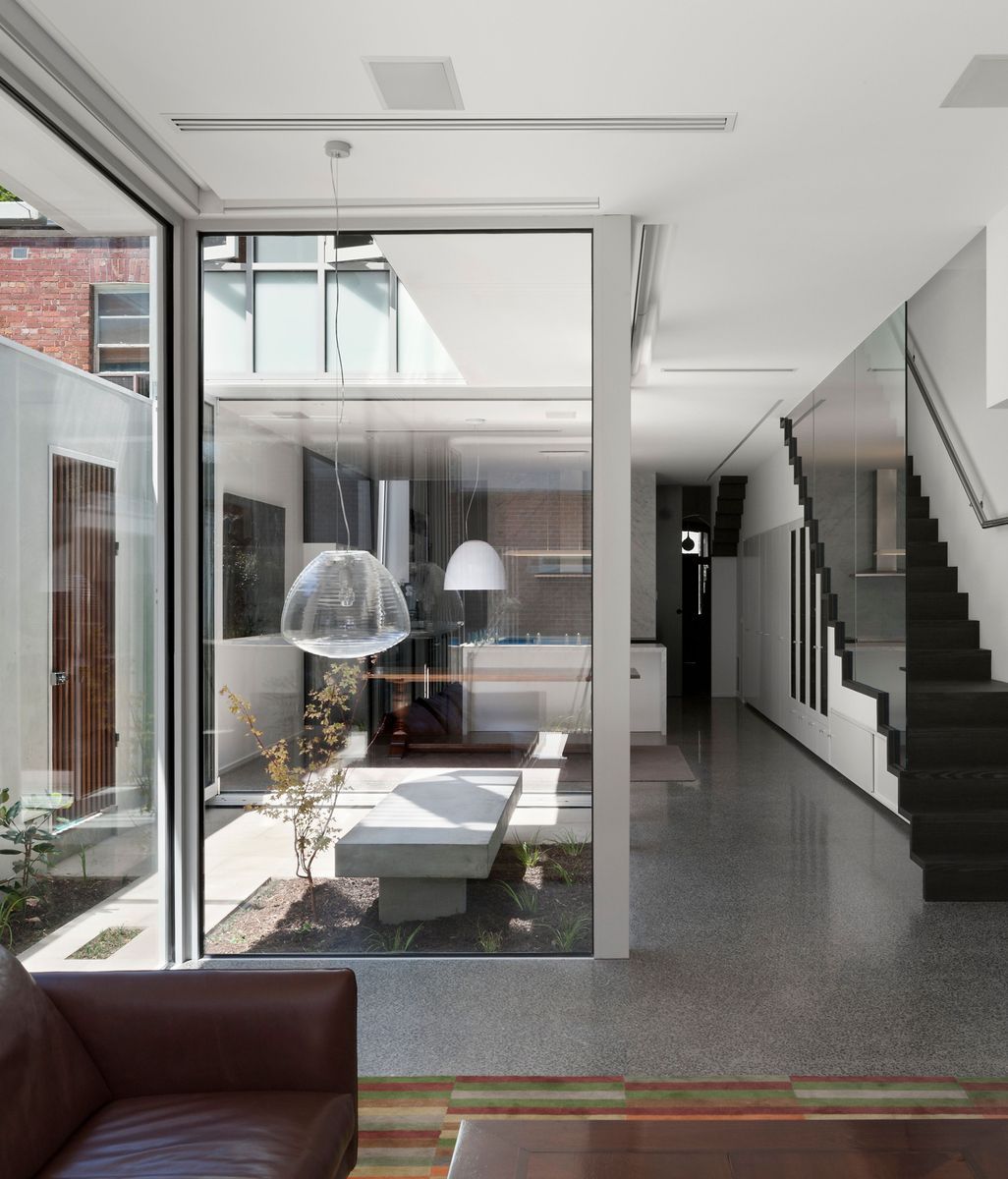
This is one of the most important things homeowners should understand about building with concrete. The finished surface is not simply a finish, but the record of a process. Every board, joint, tie hole, release agent, mix decision, and formwork detail can leave a trace.

At Preston Hollow, the concrete required a specialist mix consultant to help refine the chemistry. The boards used to form the textured surface had to be milled at precise angles so they would release cleanly. The release agent had to be tested in layers. The location of the form ties had to be designed so the construction logic would either disappear or be expressed intentionally. On the interior, tie holes were left visible as part of the wall’s character. A subtle memory of how the concrete was made.

This level of craft also affects the program. Concrete walls of this scale can change the sequencing of construction because they often need to be completed before other structural elements can continue. That has implications for time, coordination, and budget. It is not a material to introduce casually at the end of a design process. It needs to be understood early.

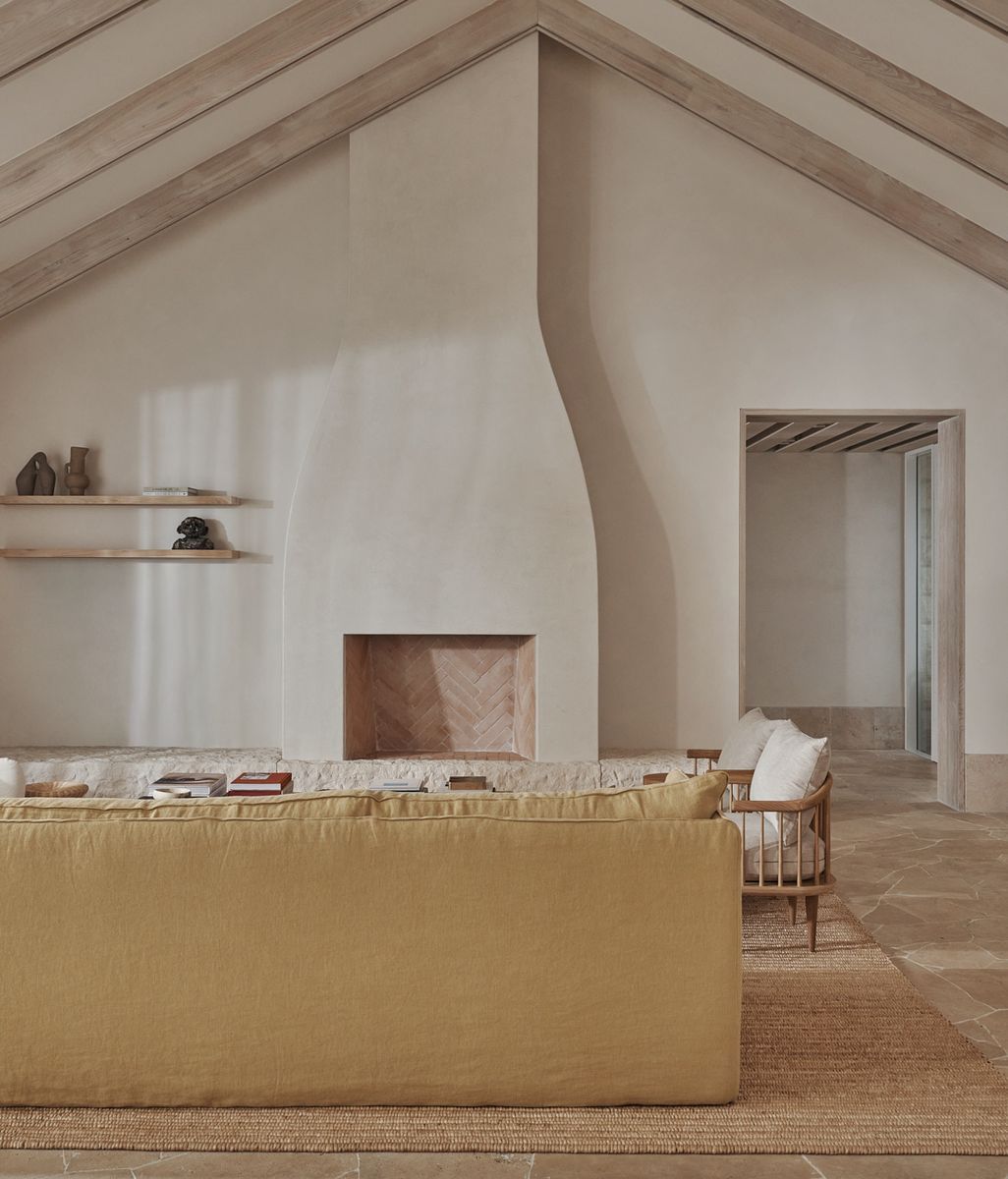
But when handled well, concrete can do more than look beautiful. At Preston Hollow, it gives the house privacy from the street while allowing the interiors to remain open to courtyards, gardens, and water. It creates thermal mass and a sense of permanence. It allows the home to feel grounded, while the roof and glazing introduce lightness. The textured exterior surface responds to shadows, while the smoother interior surfaces bring calm. In one key moment, at the fireplace, the exterior texture returns inside, tying the whole material language together.

Concrete also asks something of the client. Because it is difficult to change once built, decisions need to be made with clarity and conviction early on. The client, architect, contractor, and specialist consultants must be aligned before work begins. For homeowners, this means understanding that the most refined outcomes often come from time spent before construction: testing, sampling, drawing, coordinating, and asking the right questions.

The lesson is not that every home should use concrete. It is that every material has a craft behind it. Whether you are considering concrete, timber, brick, stone, metal cladding, or glazing, the question should not only be “how does it look?” but “what does it need to do?” Does it create privacy? Manage heat? Age well? Frame a view? Reduce maintenance? Bring warmth? Hold structure? Change the way the home feels?

ArchiPro exists to help homeowners make these decisions with more confidence. On ArchiPro, you can explore completed projects, discover the architects behind them, and browse the products that bring those ideas into built form. If you are planning a new home or considering a material-led design approach, start by exploring Specht Novak’s work, browsing concrete and masonry products, or connecting with professionals who can help turn material ambition into a buildable, enduring result.