The Late Call

featuring Zelo Group

© Simon Lakey

© Simon Lakey

Zelo Group logo
  • 1.6K profile views

What it costs to bring the technology contractor in after the design is fixed, and the three moments where it quietly becomes irreversible.

Visit Website

Featured Professionals

Every residential project makes its most important technology decisions before a technology contractor is named. Not deliberately — it happens by omission, at three specific moments. By the time an integrator is engaged, usually somewhere between tender and fit-off, those moments have passed, and what remains is damage control dressed up as installation.

This article is about those three moments: what quietly becomes irreversible at each, and what changes when the electrical and technology scope is resolved inside the design process instead of after it.

Moment one: schematic design

The premium Australian home has become energy infrastructure. A battery bank, EV charging circuits, induction cooking, heat-pump hot water and a serious network all carry physical requirements — footprint, ventilation, clearances — and together they drive a maximum-demand calculation that determines whether the street supply copes at all.

None of that is an installation detail. It's a spatial and structural question, and it gets answered — well or badly — the moment the plan is locked. Plant marked "TBC" on the drawings doesn't disappear; it resurfaces at fit-off and goes wherever space remains, which is rarely anywhere good.

The maximum-demand conversation is only possible while the design can still move — while a wall can still grow a switchboard, a store can still become a plant space, an appliance schedule can still change to make the load work. Six months later, the same conversation is a variation. A year later, it's a compromise the client lives with for decades. One workshop at schematic design is what it costs to avoid that.

Moment two: documentation and joinery

The second lock-in happens when the interior is documented. Lighting integrated into joinery is designed before the joinery is built — channel routes, driver locations, heat dissipation. Keypads and touchscreens either belong to the material palette or sit on top of it. Add any of this after the joinery drawings are issued and it announces itself forever.

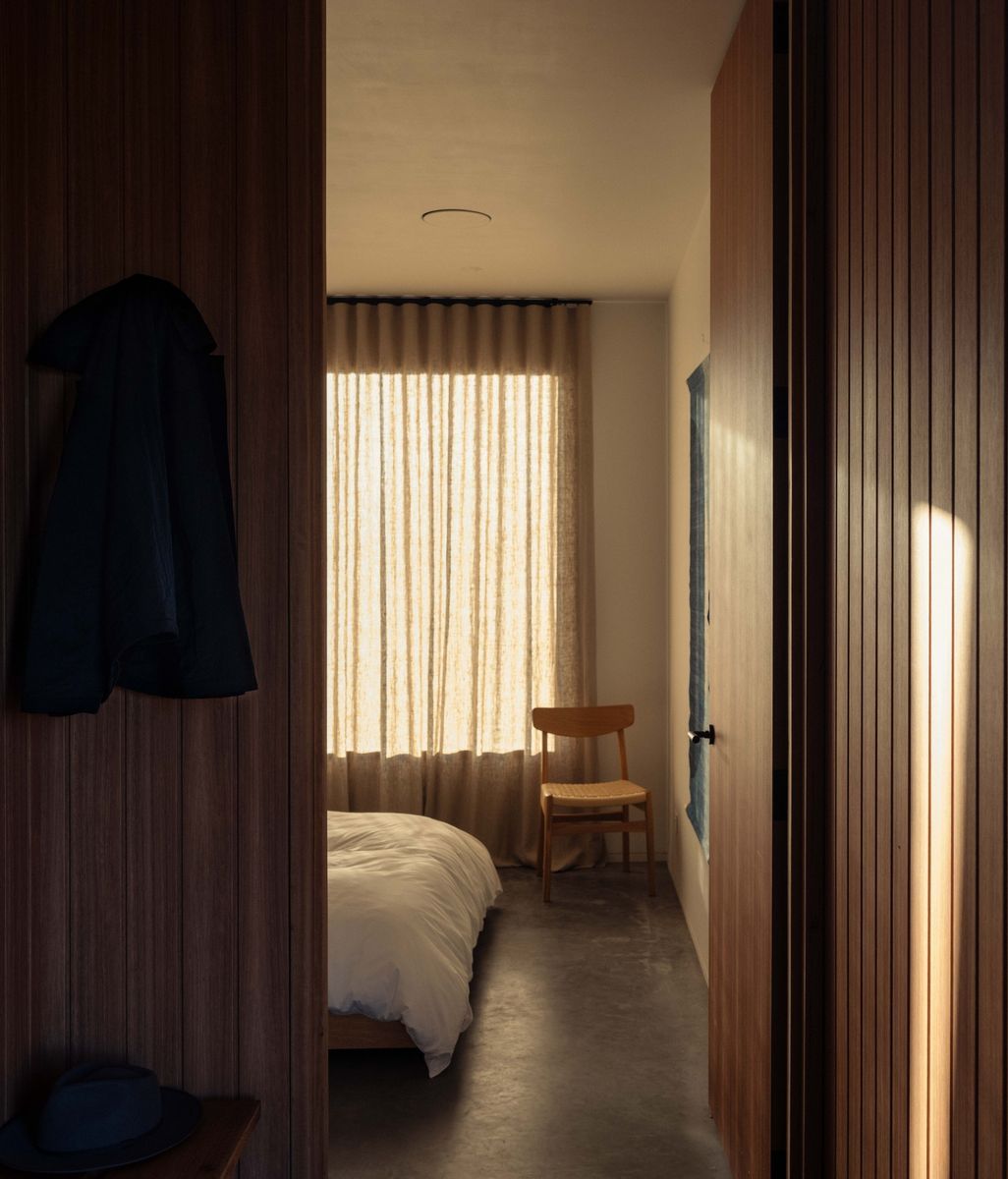
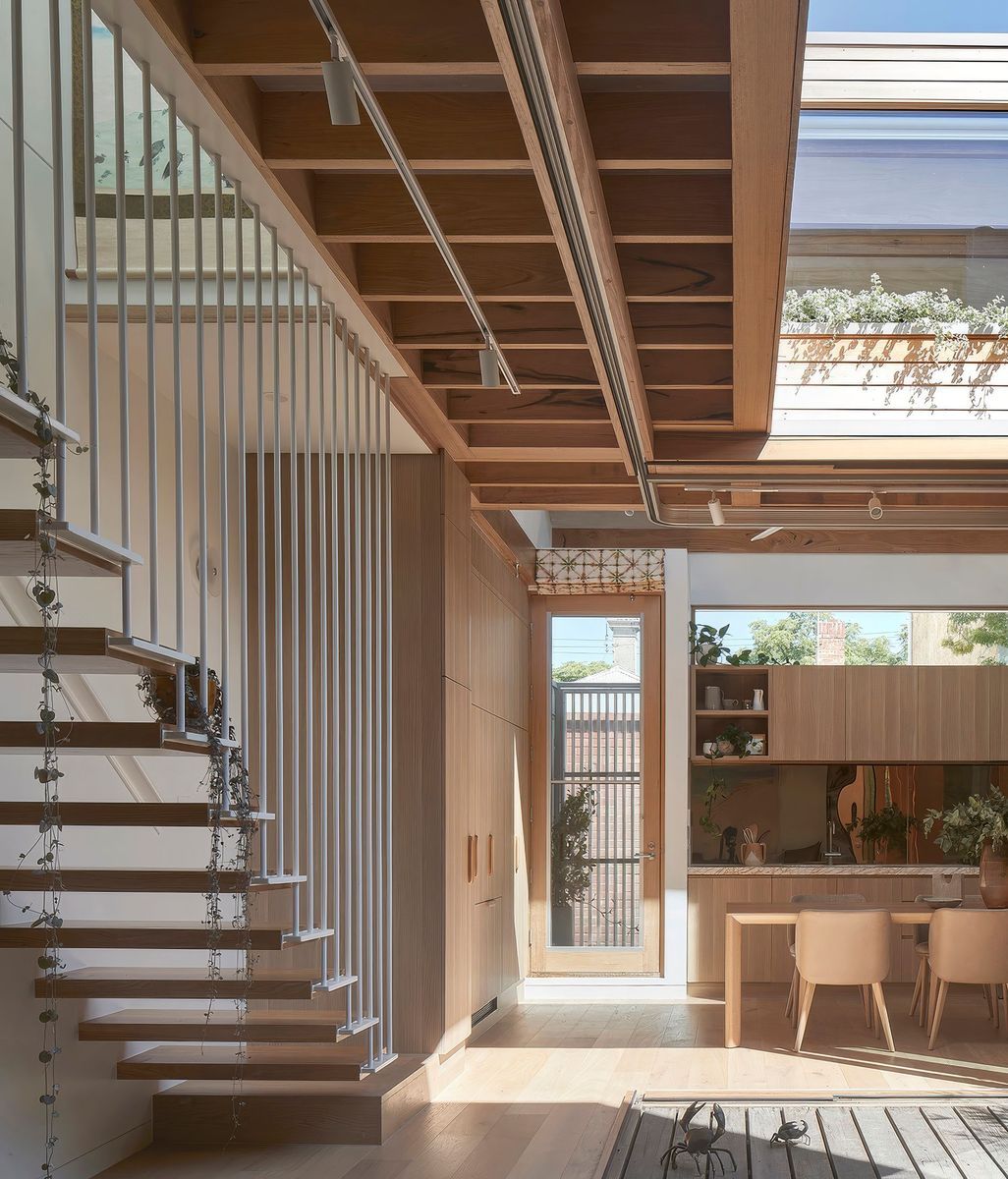
At Limestone House in Toorak — a sustainability-led home designed by John Wardle Architects and built with Sinjen Group — the technology drawings, including the lighting-control layouts, were reviewed and annotated by the architects. The work was coordinated with the timber and limestone joinery, touchscreen and switch positions were considered against a neutral interior palette, the intercom was given a custom shroud, and the house was pre-wired at various locations with future flexibility in mind. None of that is visible in the finished photography, which is precisely the point.

The question for a specifier is not whether the integrator has good products. It's whether their documentation can sit inside your drawing set and survive your markups.

Moment three: rough-in

The last moment is the least glamorous: the weeks before plaster. Blind motors, concealed AV, sensors, access control, the network backbone — either the cabling is in the walls before they close, or it runs on the surface for the life of the building.

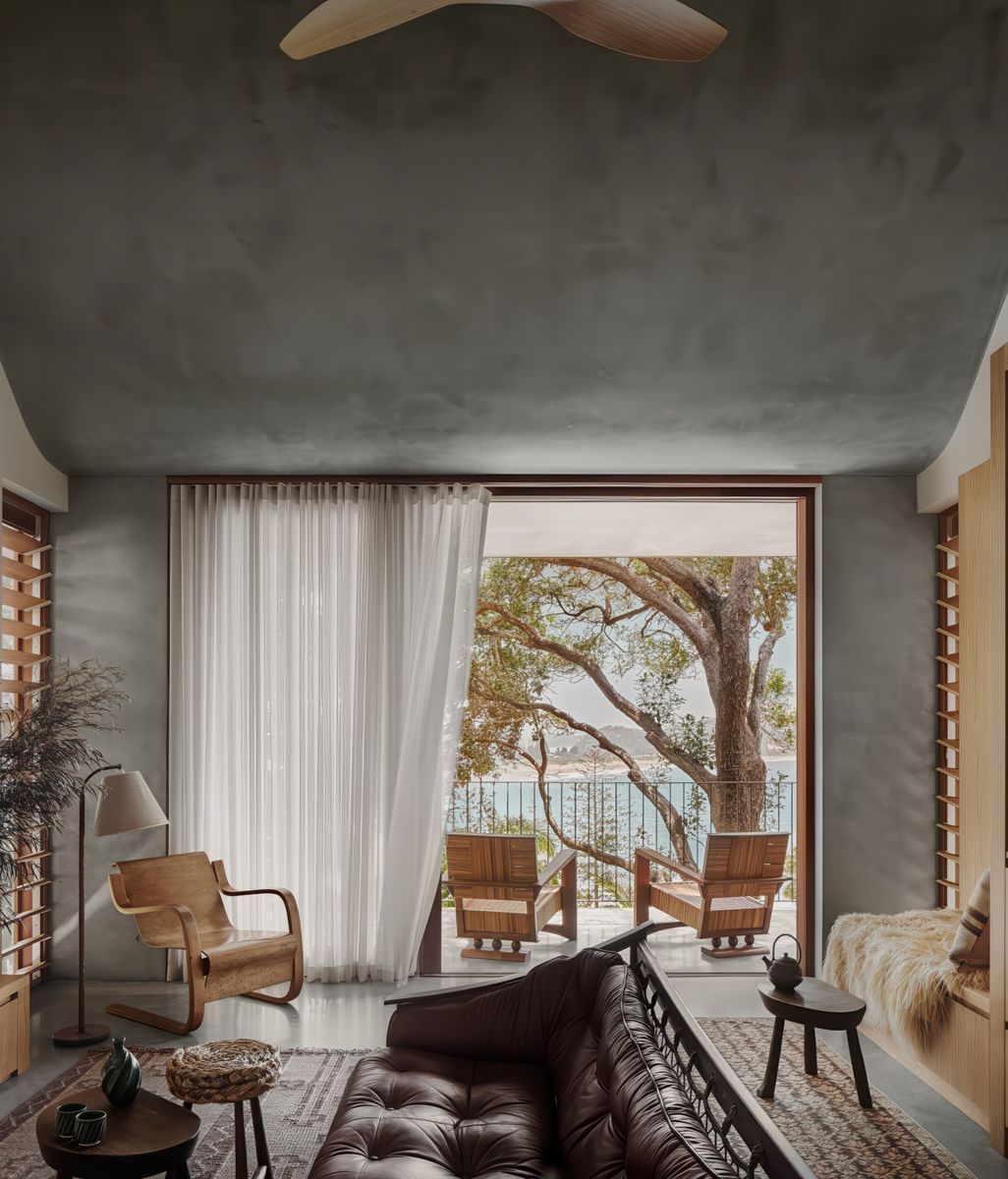
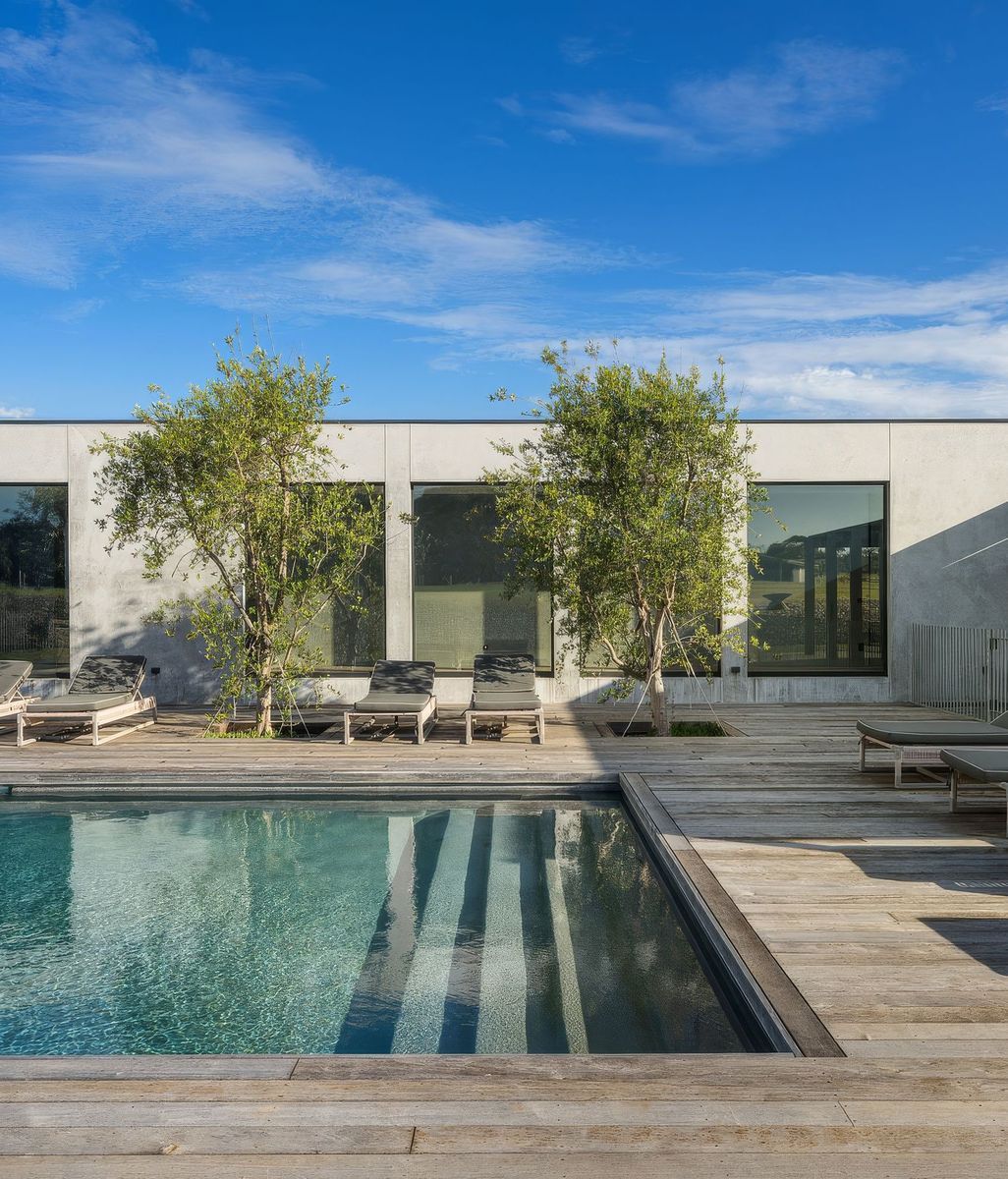
The Pole House at Fairhaven is the extreme case. A room that is solid to the land and glazed to the ocean leaves little room to hide anything, and a great deal of design work went into concealing the cabling beneath the polished concrete floors. The site added its own complication: mains power in that part of the Surf Coast is inconsistent, and unstable power is a serious obstacle to flicker-free LED dimming. The lighting control used trailing-edge dimming so the light holds steady. That's a decision made at the engineering stage, invisible in every photograph, and impossible to bolt on afterwards.

Most houses are more forgiving than a glass room on a pole — but only in degree. Every project has its version of the cable that can never be run again.

What "early" actually means

Bringing an integrator in early does not mean buying equipment early. Specifications should stay open as long as possible; the technology market moves faster than a build programme. What has to happen early is quieter: the maximum-demand calculation, the plant space, the containment routes, the joinery coordination, the pre-wiring strategy. Those cost little to resolve at schematic design and a great deal to resolve at handover.

A reasonable test when comparing integrators: ask to see how their work appears in an architect's drawing set. If the answer is a product brochure, the design coordination will land on you.

ZELO has worked this way — from design stage, alongside architects, interior designers and builders — for more than twenty years.

ZELO is an electrical, AV and technology integration company based in West Melbourne. Control4 Platinum Dealer, CEDIA Member, NECA Member.

Themes

Credits

Discover More Readingin Misc.

Next Article

Keep scrolling
Five sofas that invite you to sink into