The Power of Smart Living: Why Energy-Efficient Homes are a Game-Changer

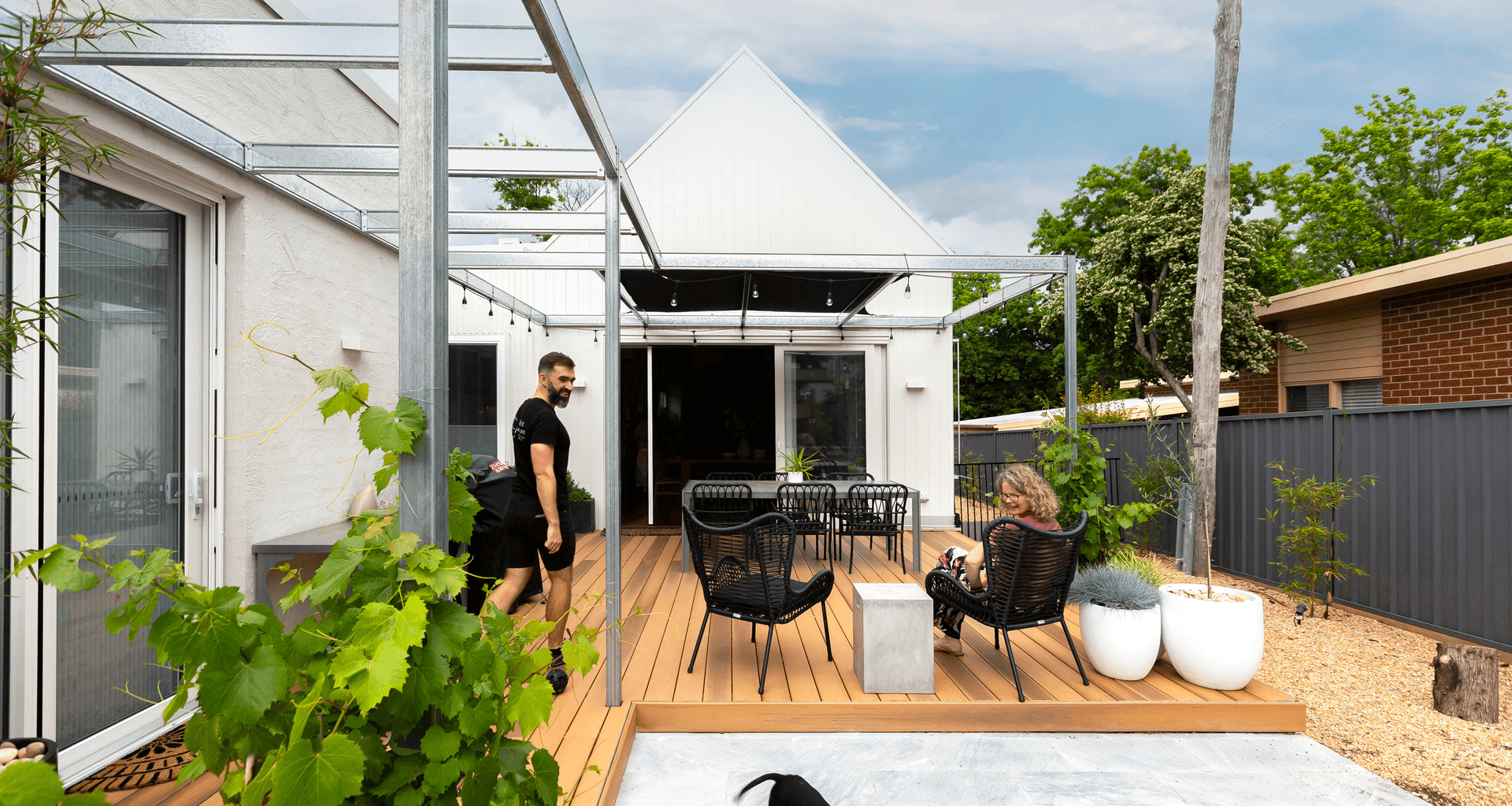
With rising costs and a growing awareness of our environmental responsibility, the concept of an energy-efficient home has moved from a niche interest to a crucial component of modern life.
The Pillars of an Energy-Efficient Home
A truly energy-efficient home is designed as an integrated system, where all components work together to maintain a stable, comfortable indoor environment with minimal external energy input. The key pillars include:
- High-Performance Envelope: This refers to the barrier separating the conditioned (interior) space from the unconditioned (exterior) space. It encompasses the roof, walls, windows, doors, and foundation. A high-performance envelope is characterised by:
- Superior Insulation: Minimising heat transfer (loss in winter, gain in summer).
- Air Sealing: Preventing uncontrolled air leakage (drafts), which can account for a significant portion of energy loss.
- Efficient HVAC Systems: Using modern heating, ventilation, and air conditioning (HVAC) systems, such as heat pumps or high-efficiency furnaces, that consume less energy to condition the air.
- Low-E Windows and Doors: Utilising double or triple-pane windows with low-emissivity (Low-E) coatings to reflect infrared light, keeping heat inside in the winter and outside in the summer, while still allowing natural light.
- Energy-Star Appliances and Lighting: Incorporating appliances and LED lighting that meet strict energy efficiency guidelines.
- Renewable Energy Integration: While not mandatory, incorporating solar photovoltaic (PV) or solar thermal systems further elevates a home's efficiency, often achieving Net-Zero Energy status.
- Bad Habits: Making sure to turn off lights and fans off when leaving a room, and even only boiling half a kettle when making one cup of coffee, are good ways to be energy conscious

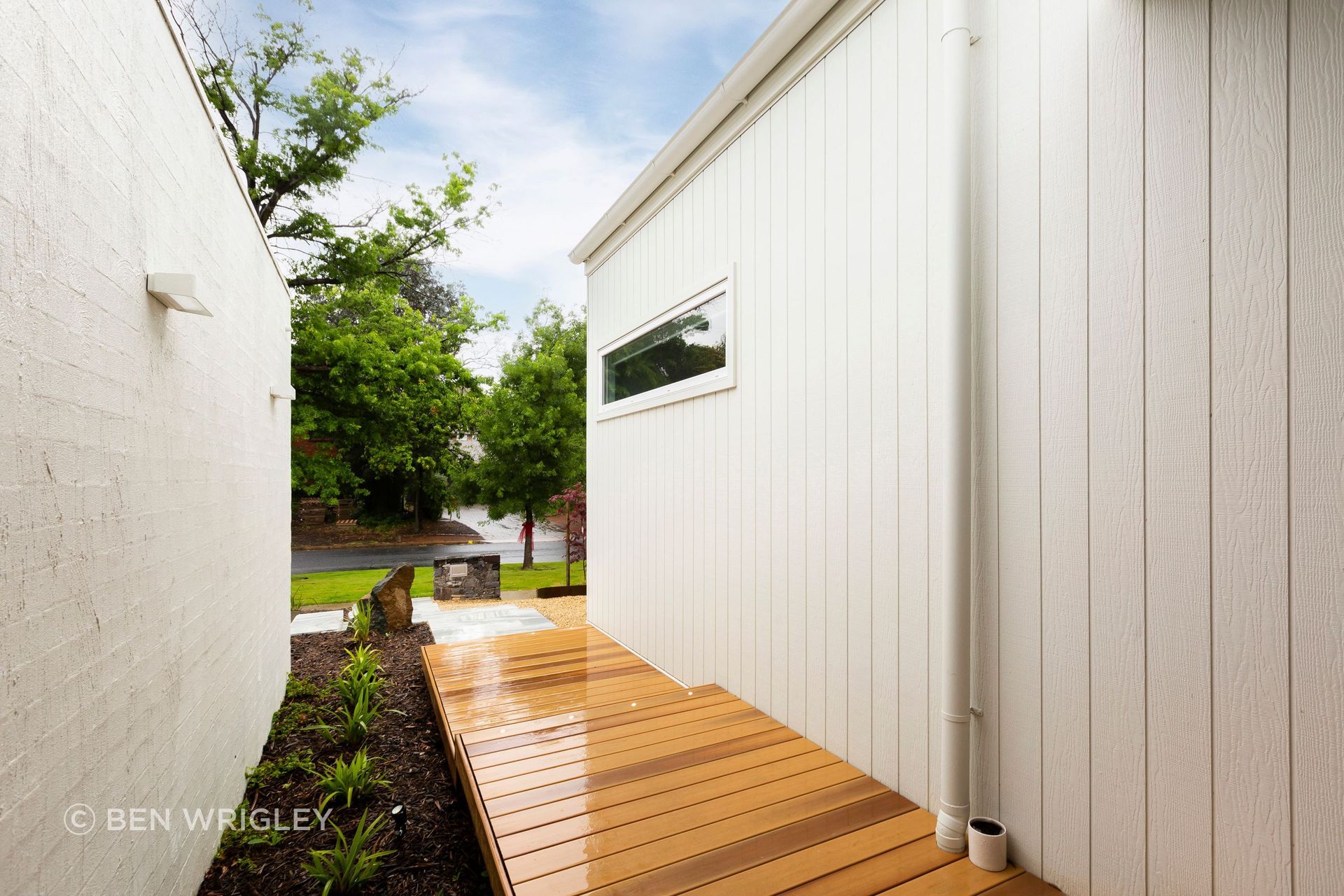
The Critical Role of Wall Cladding
While insulation and air sealing form the primary thermal barrier, the exterior wall cladding serves as the first line of defence against the elements, including wind, rain, and temperature fluctuations. It must protect the structural integrity and the insulation layers while contributing to the overall thermal performance of the wall system.
A cladding material that offers inherent thermal resistance and promotes breathability (allowing moisture vapour to escape) is ideal for maintaining the integrity of the wall system and preventing issues like mould and reduced insulation effectiveness.
Weathertex is a brand that aligns with the principles of high-performance, sustainable construction through its commitment to natural and durable wood-based exterior wall cladding.
Sustainable Material Composition
Weathertex cladding is made from 97% natural timber and 3% natural wax, with no added silica, formaldehyde, or other synthetic resins. This provides a lower embodied energy material, meaning less energy is consumed during its manufacturing process. The commitment to using PEFC-certified timber from sustainable Australian forests further supports the environmental credentials of the building project.
Durability and Protection
The durability of the exterior envelope is key to long-term energy performance. If a cladding fails prematurely, the protective layers underneath (like the weather-resistive barrier or insulation) can be compromised, leading to thermal bridging or moisture ingress. Weathertex products are known for their robustness and are backed by a guarantee against rotting, splitting, or cracking, for up to 25 years, ensuring the building envelope remains secure and effective for decades.
Contribution to a Complete System
While cladding itself is not primary insulation, a stable, well-installed cladding system like Weathertex contributes positively to the overall wall assembly's performance by:
- Protecting Insulation:Providing a resilient, non-absorbent layer that shields the underlying wall components and insulation from direct weather exposure, thereby maintaining their R-value (thermal resistance) effectiveness.
- Aiding Breathability:
As a wood-based product, it allows for appropriate wall breathability when used as part of a correctly specified system, managing moisture and preserving the long-term effectiveness of the wall's thermal properties.
The Role of Weathertex Cladding in Passive House Performance
Material selection plays a major role in meeting these targets. Cladding systems, such as Weathertex, can contribute significantly.
Weathertex Cladding Contribution to Passive House:
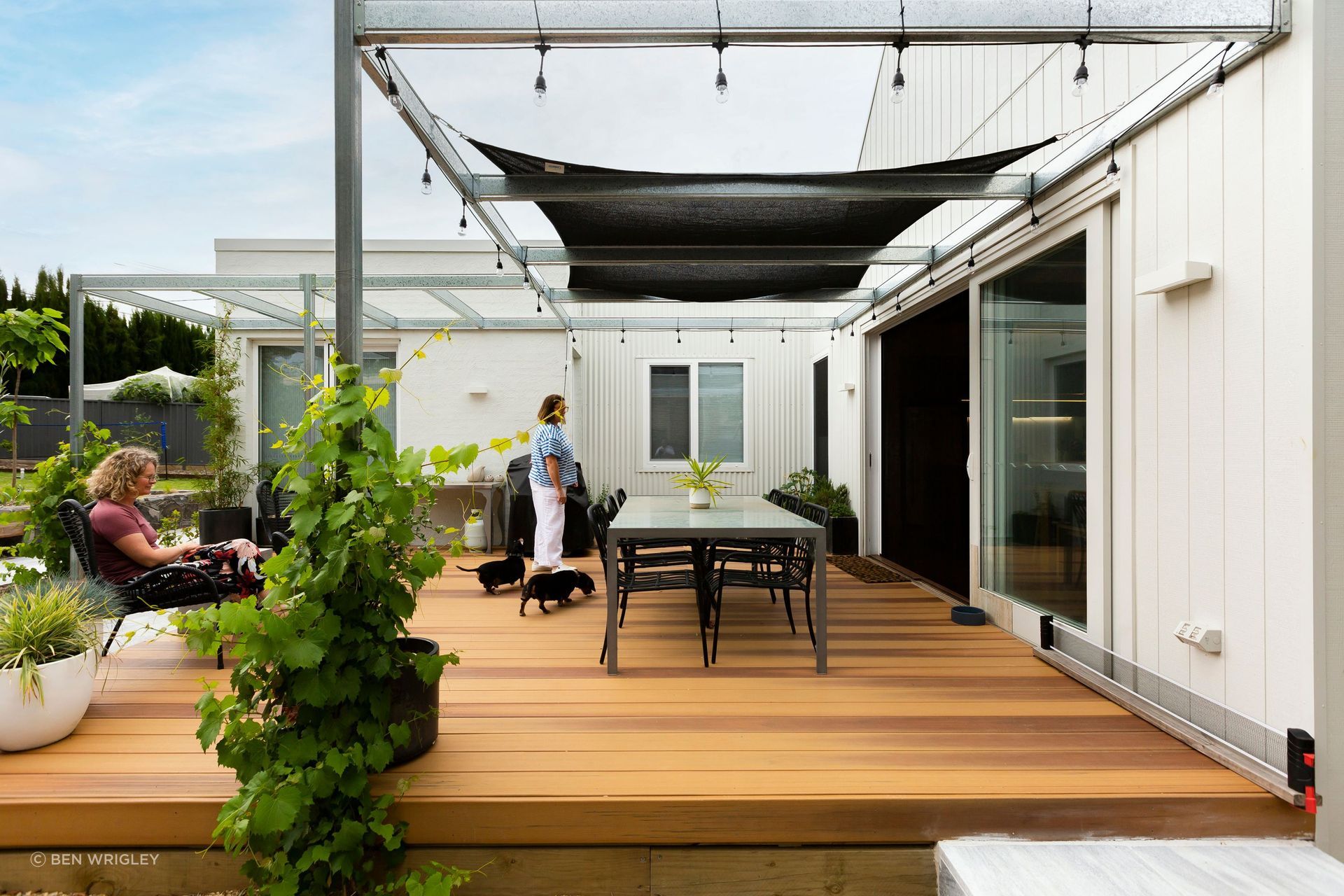
The movement toward energy-efficient homes is driven by the imperative to reduce lifetime operational costs and environmental impact. Achieving this requires meticulous attention to the building envelope, where materials like high-performance insulation, air-sealing techniques, and durable, low-embodied-energy cladding are essential. Weathertex supports this objective by providing a sustainable, durable, and natural timber cladding solution that protects the structural and thermal components of the wall system, contributing to a high-performance, energy-efficient residential design.