The Ranch Mine on what homeowners should understand before they build

Written by
01 June 2026
•
4 min read

The reason is simple. A builder is ultimately working from instructions created by someone else. They are an essential part of the team and most architects will want a builder involved relatively early for pricing and buildability, but the first move should be establishing the vision, brief, and architectural direction. This is where the architect comes in.
For homeowners in the early planning phase, getting “architect ready” is less about arriving with perfect answers and more about arriving with useful information. Costello says clients do not need to know exactly what the house should look like. In fact, The Ranch Mine tries not to begin with aesthetics. What matters more is understanding how the clients live, how they want to live, and what kind of life the home needs to support.

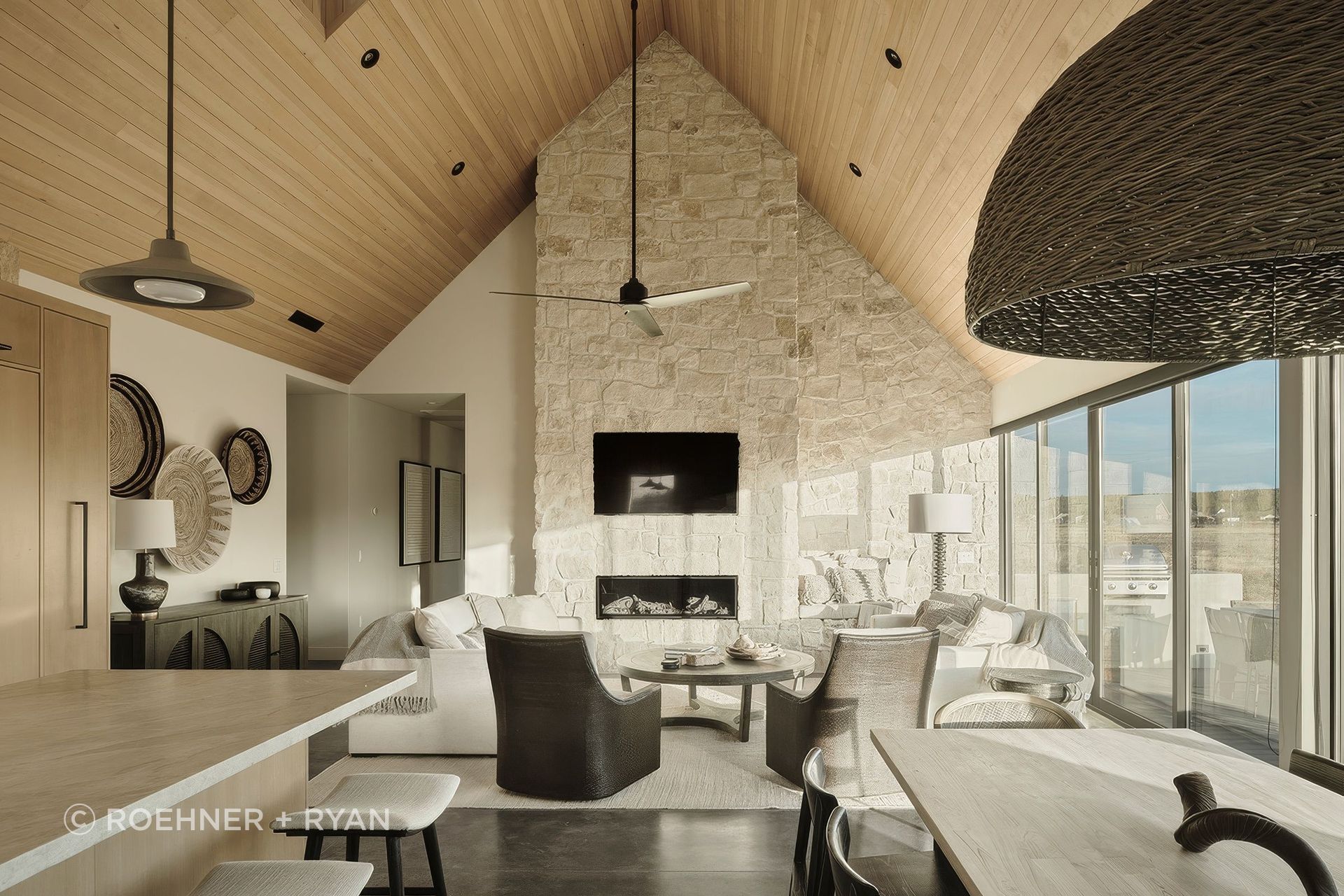
Basic requirements still matter. The number of bedrooms, bathrooms, home offices, and guest spaces all need to be known. But those facts are only the skeleton of a brief. The richer information is often more personal. How old are the children? Do they still live at home, or will they return with partners and families of their own? Does someone work from home? Does the family entertain? Are they athletic, private, social, messy, highly organized, or constantly outdoors? Are there hobbies, sensitivities, allergies, or rituals that should shape the home?
Costello describes the architect as a translator. The client is the expert in their own life. The architect is fluent in architecture and turns that life into space. “The more information we can know about the homeowner, the better,” he says. “I can filter that down. I can’t go the other way.”
A brief that says “4,000 square feet, four bedrooms, and five bathrooms” could become almost anything. A brief that explains how a family moves through a day, what they value, and what they want to change about the way they live gives the architect something more meaningful to work with.
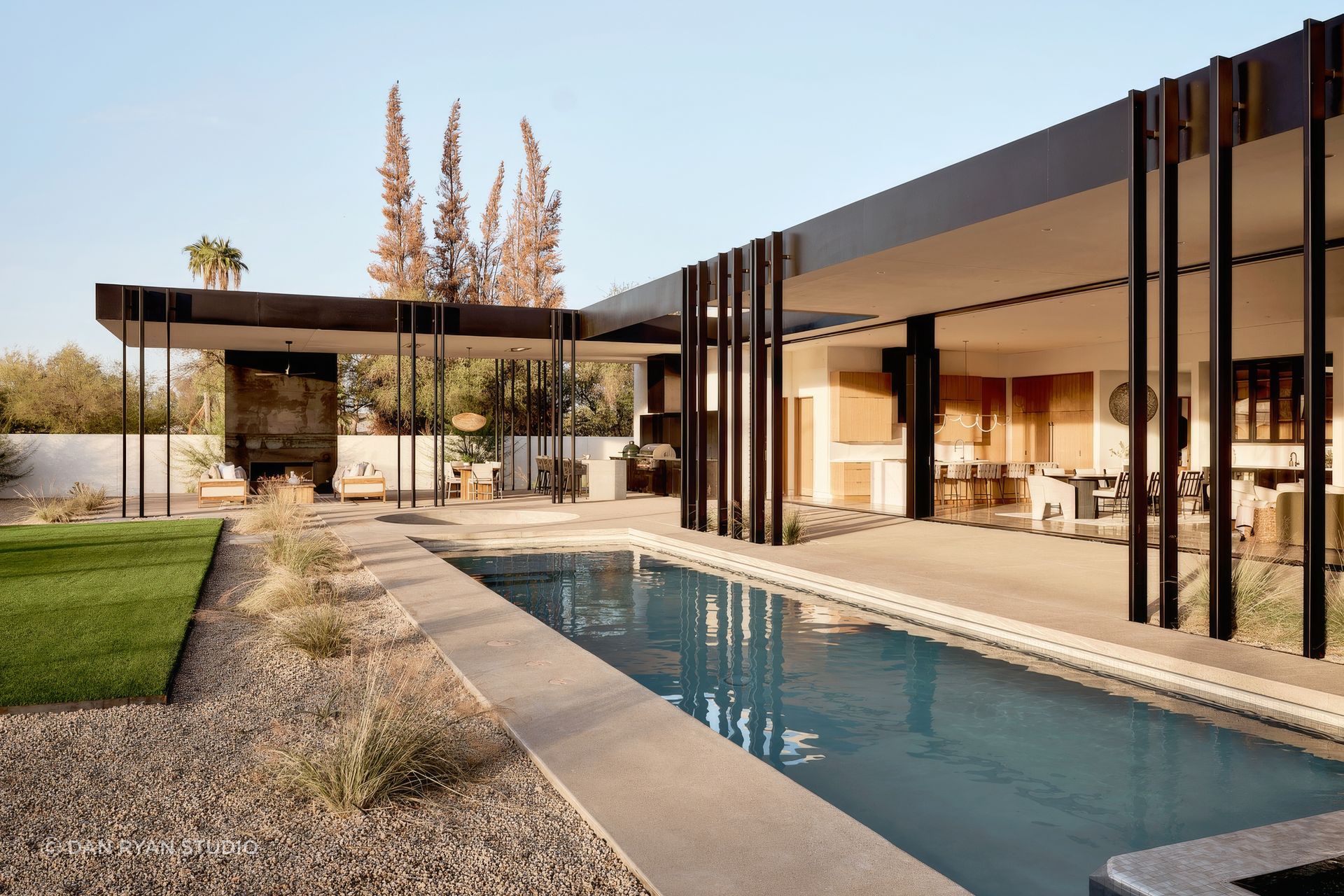
Visual inspiration can also be helpful, but only when it is curated. Costello warns against handing over hundreds of disconnected images with no context. If a client shares a kitchen image, the architect needs to know what they are responding to. Is it the light? The counter? The flow? The material? The feeling? Or is it an image they do not like, included as a warning?
The best inspiration boards come with notes, because they help reveal patterns.
Homeowners also need to understand the scale of the commitment. Designing and building a custom home is not an HGTV timeline. It will take years. It requires time, energy, and thousands of decisions. Costello notes that some clients want to be heavily involved, while others want the architect to make more of the decisions. Both can work, but only if the expectations are clear from the beginning.
Time is one of the practical questions homeowners should ask themselves before they start. Do they have the capacity to meet during working hours, review drawings, make decisions, and stay engaged across the process? If not, they need to be honest about the level of support they expect from the architect.
Budget is the other major reality check. Costello says many homeowners arrive with inaccurate cost expectations because online data is often misleading. Publicly available construction data is frequently drawn from permit values, which may not reflect true build costs. In some cases, permit declarations can be significantly lower than the actual construction cost, meaning online averages are already distorted before they are repeated through search engines or AI tools. The result is that people often spend years imagining a home they cannot build for the budget they have.

This is why speaking to an architect early can save time, disappointment, and money. An architect can help a homeowner understand whether the size, ambition, site, and budget are aligned before the fantasy becomes too fixed.
For homeowners beginning the process, the lesson is clear. Start with the right questions. Speak to an architect early. Bring information about your life, not just images of houses. Be honest about time, budget, family, priorities, and the level of involvement you want.
ArchiPro is designed to help homeowners move from inspiration to informed action. Through ArchiPro, you can explore architect profiles, completed projects and products in one connected place. Before you brief an architect or commit to a build, use ArchiPro to understand what great residential architecture looks like, who creates it and what decisions shape the journey from idea to home.