The Room for Error: Why Smart Buildings Can’t Rely on Manual Intervention

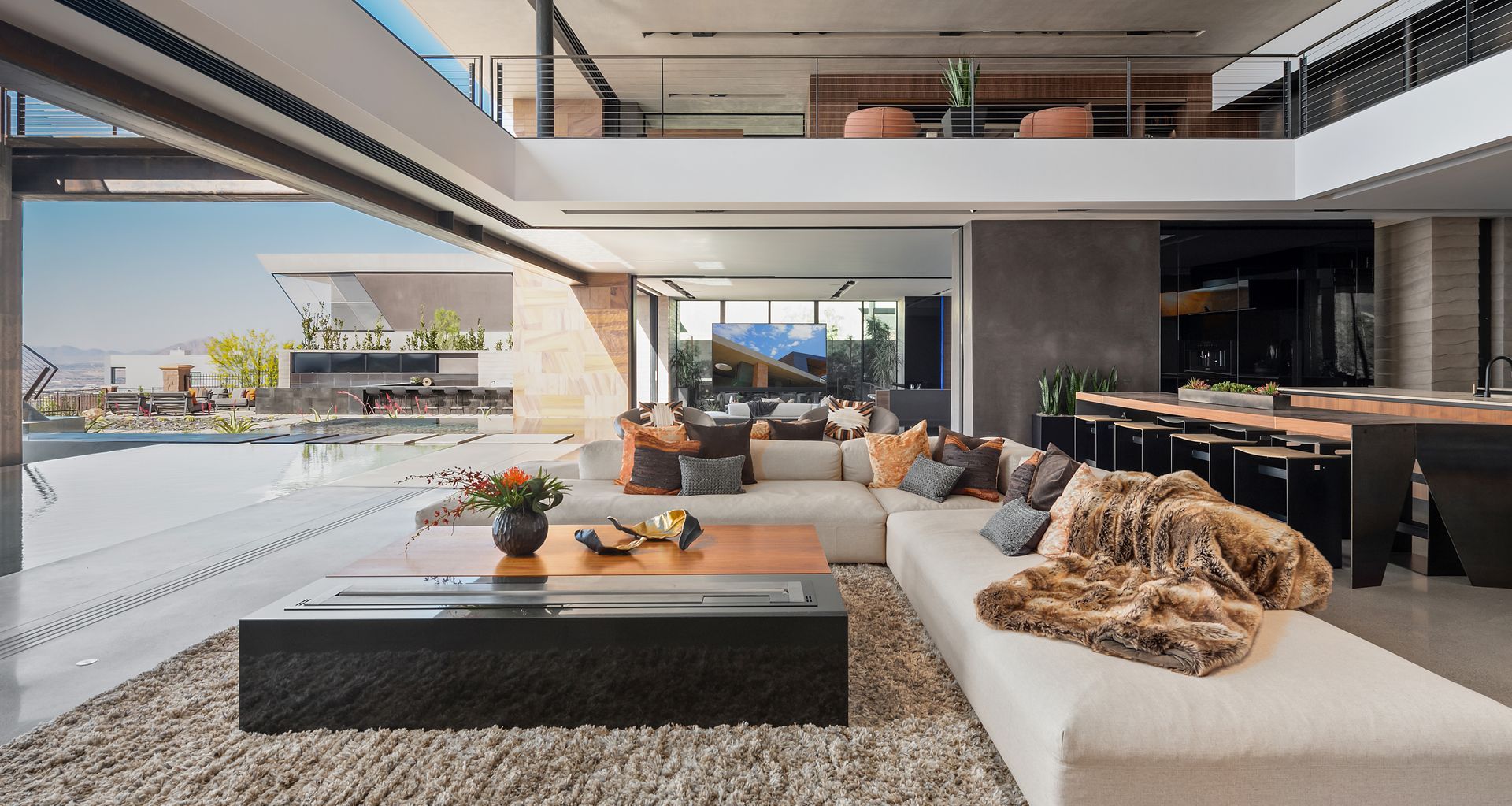
A recent article by Build Australia brought a critical industry challenge into sharp focus: natural ventilation only works when windows open. It highlights an unspoken truth that architects and engineers have long contended with—that a building’s performance on paper can be completely undone by the unpredictability of its occupants.
The modern building is designed as a high-performance machine. To meet the stringent requirements of the National Construction Code (NCC) for indoor air quality (IAQ) and energy efficiency, every component must function in harmony. Yet, for natural ventilation, we often leave the most critical function—opening a window—to chance.
The Design vs. Reality Paradox
The “ideal occupant” of a naturally ventilated building is always mindful of air quality, security, weather, and acoustics, opening and closing windows to perfectly balance every variable.
The “real occupant” is busy. They are cold, they are hot, they are concerned about a passing shower, or they simply forget. They prioritise their immediate comfort and security, which often means windows stay shut.
When a building’s compliance and air quality strategy rests on manual operation, it rests on a flawed premise. This creates a paradox where a building is designed to perform one way but operates in another, creating a tangible risk for designers and a suboptimal environment for occupants.
De-Risking Compliance with Intelligent Automation
The only way to bridge the gap between design and reality is to remove the room for error. Automation is not about creating rigid, unresponsive buildings; it’s about making them smarter, more reliable, and truly aligned with their performance goals.
Airla’s automated systems, such as our Ventus Auto Hardware, are engineered to provide this operational certainty. By integrating with CO₂ sensors, weather stations, and Building Management Systems (BMS), our hardware ensures that ventilation strategies are executed precisely as intended.
The benefits are clear:
- Performance is Guaranteed: The building actively manages its own airflow to maintain superior IAQ and energy efficiency.
- Compliance is De-risked: Automation provides a consistent, verifiable solution that meets NCC requirements without relying on human behaviour.
- Design Intent is Realised: Architects and engineers can be confident that their vision for a healthy, high-performance building will be achieved in its day-to-day operation.
The conversation started by Build Australia is an essential one. It’s time to acknowledge that the success of a building shouldn’t be a matter of chance. By embracing intelligent automation, we can deliver buildings that are not just designed for excellence, but perform that way every single day.
Explore the technical specifications of our automated solutions in the Airla Resource Centre or speak with our team to ensure your next project performs with certainty.