Steel Heating, Cooling & Ventilation
- Steel heating, cooling and ventilation products bring strength, heat resistance and clean architectural detailing to Australian homes and commercial projects. Explore HVAC systems, ventilation, fans, fireplaces, heat pumps and hot water heating options designed for comfort, airflow and energy performance. Steel components are often chosen for grilles, ducting, casings, fireplace surrounds and outdoor-rated units where durability matters. Use ArchiPro to compare premium products from trusted Australian suppliers, refine by application and find solutions that suit new builds, renovations, apartments, offices and hospitality spaces.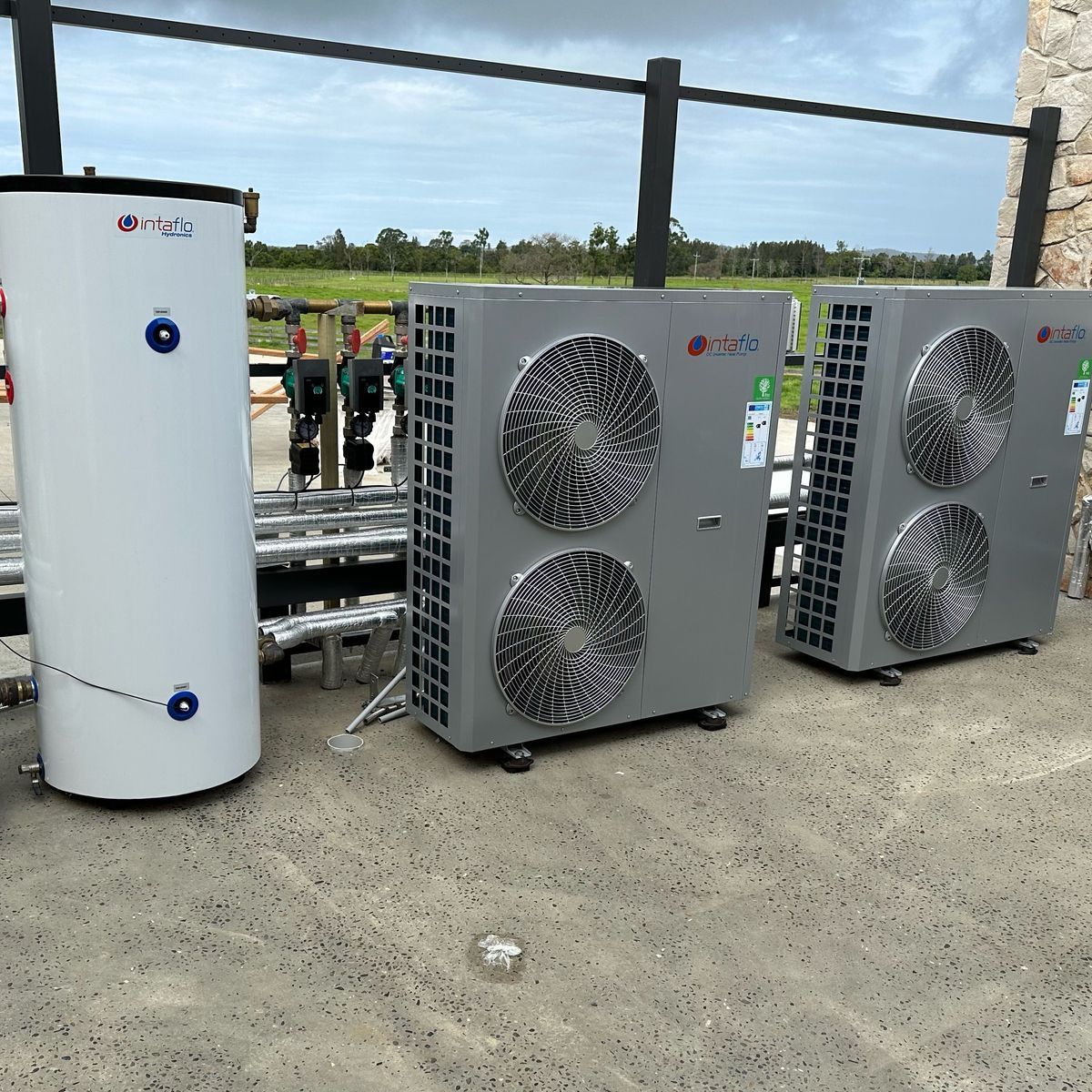
More to discover
Explore all product categories
- Building Supplies
- Car Parking Solutions
- Cladding & Facades
- Construction 4.0
- Construction Equipment and Supplies
- Electrical
- Insulation
- Interior Wall Lining
- Plumbing Supplies
- Prefabricated Buildings
- Roofing
- Structural & Framing
- Stairs, Lifts & Access
- Windows & Doors
- Security & Access
- Water Management & Filtration
Heating, cooling and ventilation affect how a building feels every day. The right system can stabilise indoor temperature, improve air movement and help manage moisture, odours and stale air. Steel is a practical material choice across this category because it handles heat, impact and regular use well. It is common in ductwork, fireplace surrounds, fan housings, outdoor unit casings, grilles, vents and hydronic components.
Choosing steel heating, cooling and ventilation products
On ArchiPro, you can compare steel heating, cooling and ventilation products alongside the wider products range, making it easier to match performance, finish and supplier support in one place.
Where steel works best
Steel suits projects where equipment needs to look refined while standing up to heat, airflow, vibration or weather exposure. Powder coated steel can suit visible vents, fans and exterior units. Stainless steel is often selected for corrosion resistance, especially near coastal areas, wet zones and commercial kitchens. Mild steel may be used where it is protected from moisture and finished correctly.
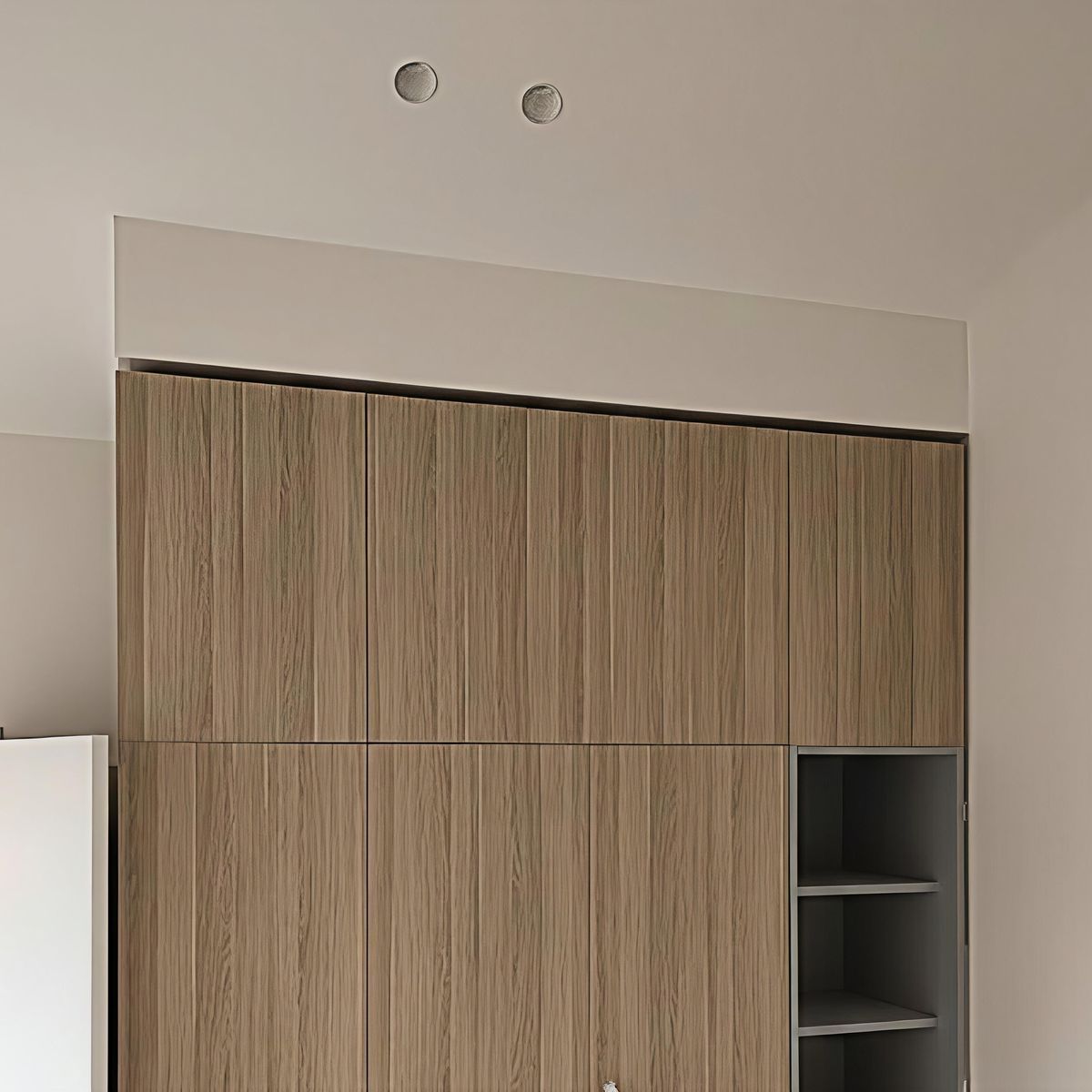
- Ducting and vents: steel can provide stable airflow pathways and crisp architectural grilles.
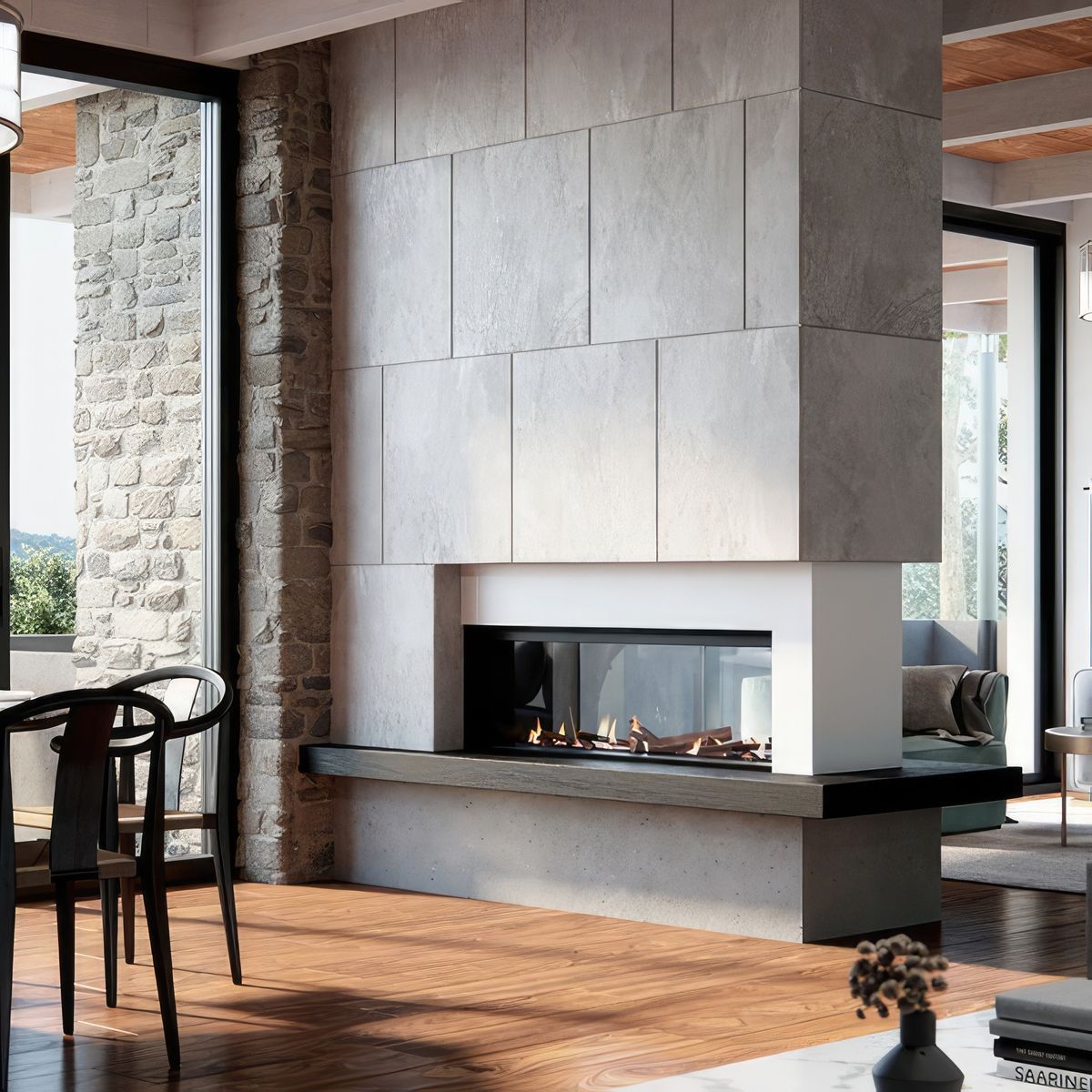
- Fireplaces: steel surrounds, fireboxes and flues manage high temperatures and suit both traditional and modern interiors.
- Fans and ventilation: steel housings and blades can add strength in residential, commercial and industrial settings.
- Plant and outdoor equipment: steel casings protect internal components when exposed to weather and daily wear.
Match the system to the project
Start with the building type, climate zone and the rooms that need conditioning. A coastal home in Queensland has different needs from a compact apartment in Melbourne or a commercial space in Perth. Room size, ceiling height, glazing, insulation, orientation and occupancy all affect system choice.
Whole-home comfort
For larger homes and open-plan layouts, central heating and cooling can provide consistent comfort across multiple rooms. Steel ducting, vents and return air grilles may be part of the system, particularly where durability and neat detailing are important.
Efficient electric heating and cooling
Heat pumps are widely used in Australia because they can provide both heating and cooling from one system. Steel cabinets and mounting hardware can help protect outdoor units, while well-positioned indoor units improve comfort without cluttering the room.
Ventilation and airflow
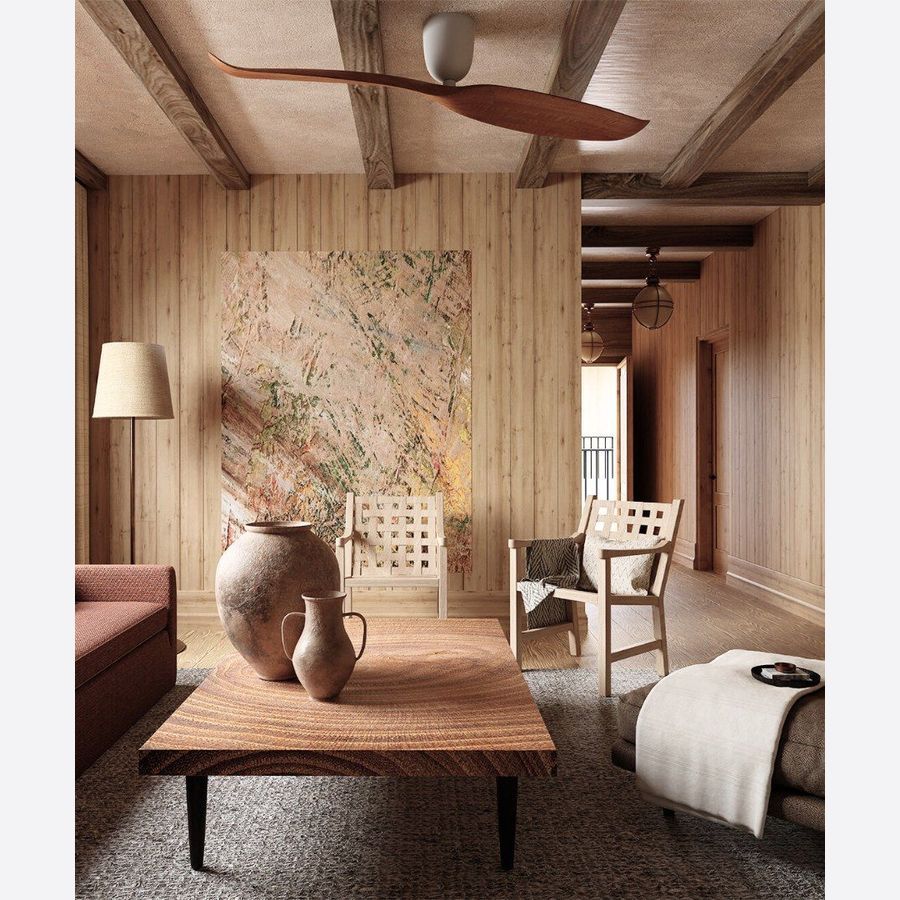
Good ventilation helps remove humidity, cooking smells and stale air. Explore ventilation systems for whole-building airflow, wet areas, kitchens and commercial settings. For targeted air movement, fans can support cooling comfort and reduce reliance on air conditioning during mild weather.
Radiant and water-based heating
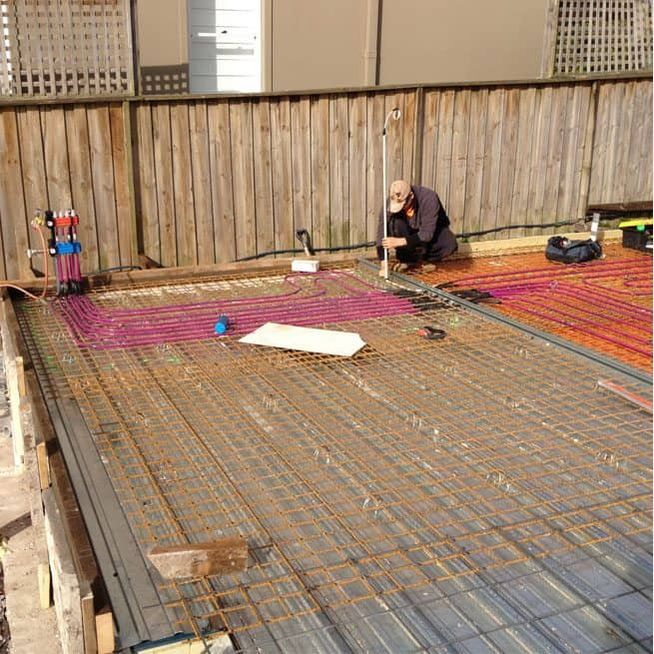
Underfloor heating is valued for even warmth and a clean finish, especially under tiles, stone and polished concrete. Hot water heating can include steel components within hydronic systems, cylinders, pipework supports and equipment housings.
Solar and fireplace options
Solar heating may suit projects aiming to reduce running costs or support other heating systems. For ambience and strong winter heat, fireplaces remain a popular choice. Steel is often used in fireboxes, surrounds, flues and trims because it can tolerate high temperatures when correctly specified.
Design and finish considerations
Steel does not have to look industrial unless that is the brief. Powder coated finishes can match window frames, ceiling details or joinery hardware. Brushed stainless steel can suit commercial interiors, kitchens and outdoor entertainment areas. Black steel vents and fireplace surrounds are often used for a sharp, architectural look.
For visible components, check the colour range, coating type, grille pattern and fixing details. For concealed components, focus on thickness, corrosion protection, acoustic performance and access for servicing. In coastal or humid settings, ask suppliers about stainless steel grades, protective coatings and maintenance needs.
What to check before you buy
- Capacity: make sure the system is sized for the room or building, not chosen by guesswork.
- Energy performance: compare efficiency ratings, zoning options, timers and smart controls.
- Noise: check sound levels for bedrooms, apartments and open-plan living areas.
- Compliance: use licensed installers for gas, electrical, refrigeration and solid fuel systems where required.
- Maintenance: plan for filter access, flue cleaning, fan servicing and outdoor unit clearance.
- Finish: choose steel coatings that suit interior style, weather exposure and cleaning needs.
Working with suppliers
A good supplier can help confirm whether steel is the right material for the application and climate. Share floor plans, room sizes, ceiling heights, glazing details and any site constraints. For renovations, note existing ductwork, switchboard capacity, roof space, wall construction and access limitations.
Compare steel heating, cooling and ventilation products on ArchiPro to narrow your options by system type, finish and project use, then speak with suppliers about sizing, installation and after-sales support.