Shifting beyond the standard: Solving complex architectural details with timber
Written by
02 October 2026
•
3 min read
At Paradise Timbers, this all starts with a conversation about what a client is trying to achieve. More than simply discussing what needs to be manufactured, the team looks at the purpose of the piece and what it needs to bring to the space. Often, there’s a reason an off-the-shelf alternative doesn’t suit.
“We look at the purpose of the piece, its appearance, dimensions, location, adjoining materials, installation requirements, preferred timber species, finish, quality and project timeframe,” says Paradise Timber’s Natalie Trejos. “We also identify which measurements and visual details are critical to the final result.”
From modifying an existing profile to producing a completely purpose-made timber component from a drawing, sample or design brief, Paradise Timbers works with architects and designers to craft architectural mouldings, skirting, architraves, handrails, wall panelling, cladding, staircase components and other specialised joinery elements.
Looking beyond the shelf offers plenty of possibilities, but careful consideration and close collaboration is key. Every custom detail needs to be assessed against the natural characteristics of timber, available material sizes, grain direction, tooling requirements, structural considerations and installation method. It’s a process that is as much about understanding the material as it is about interpreting the design.
Custom detailing in practice
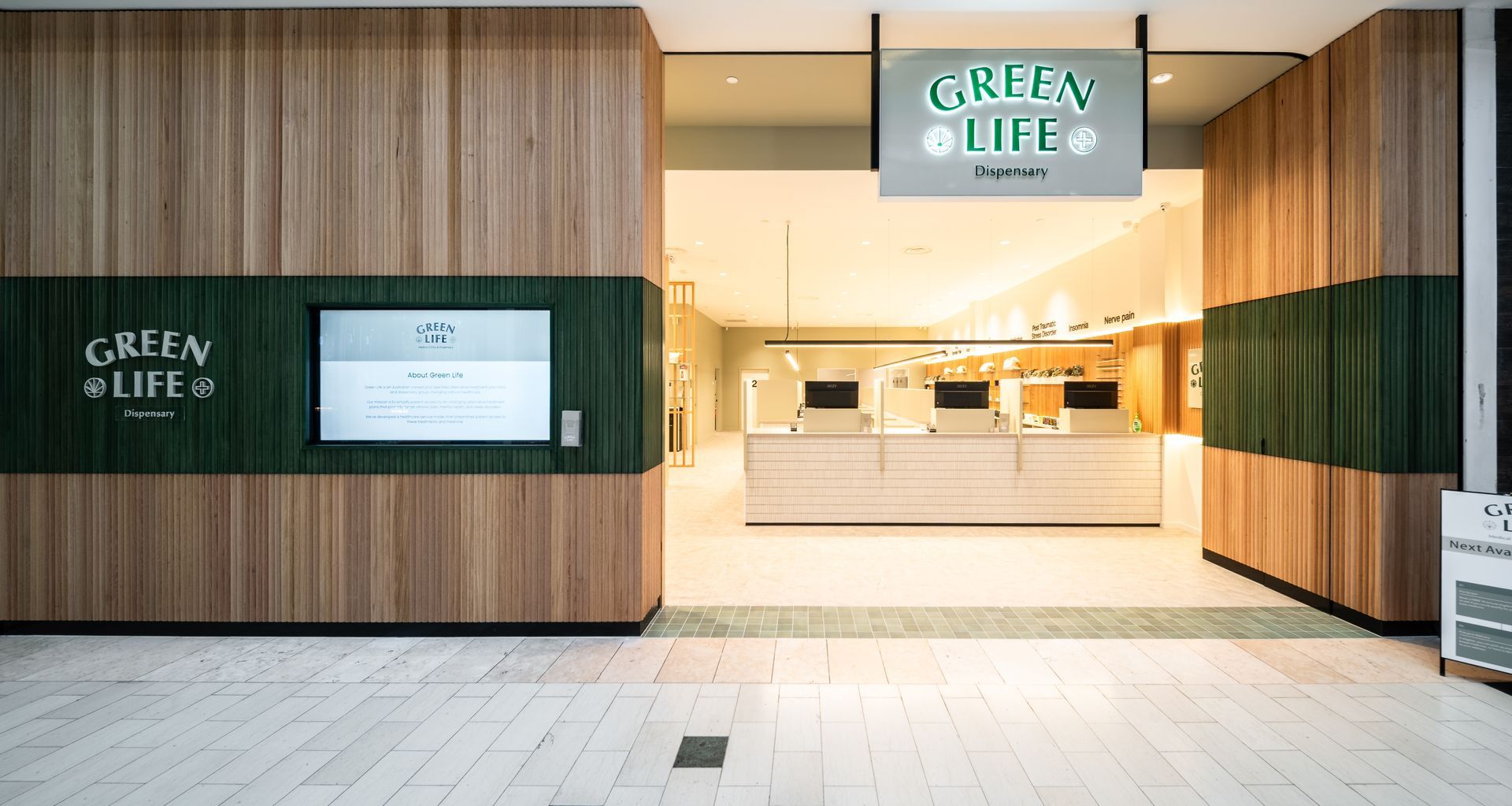
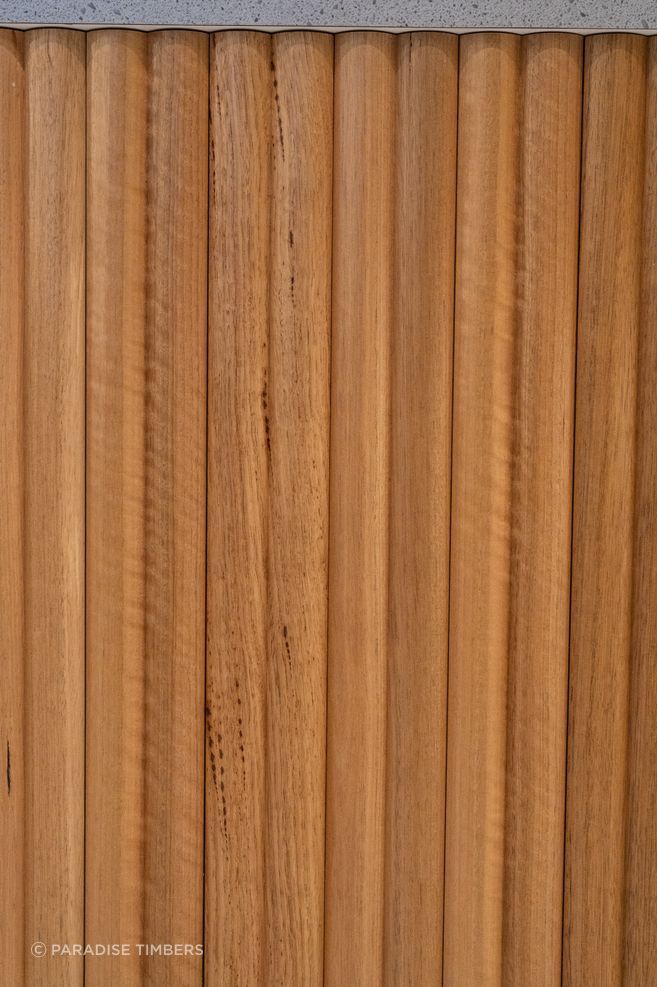
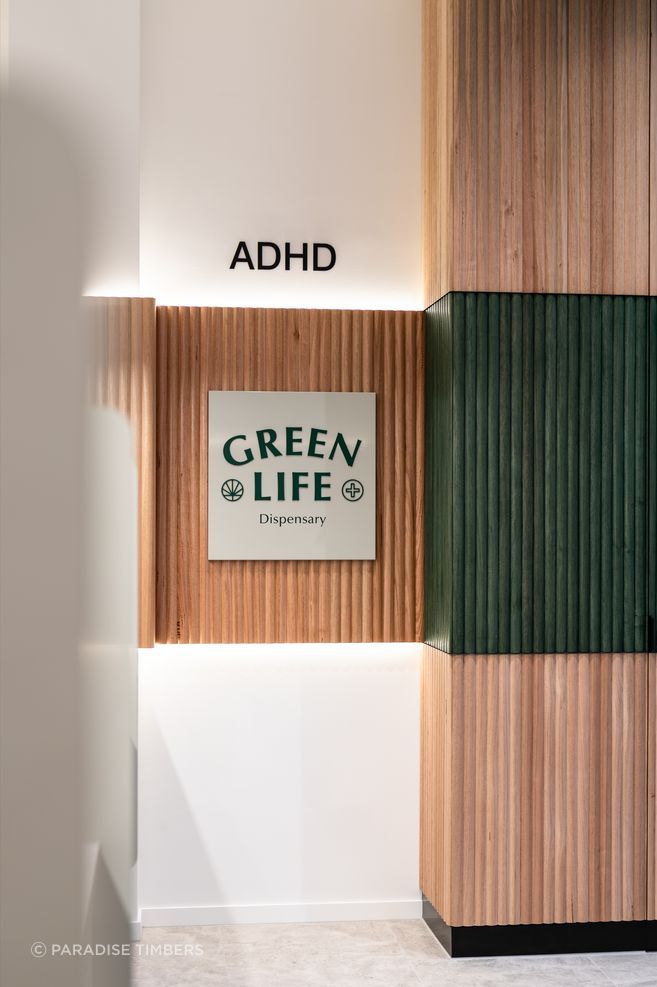
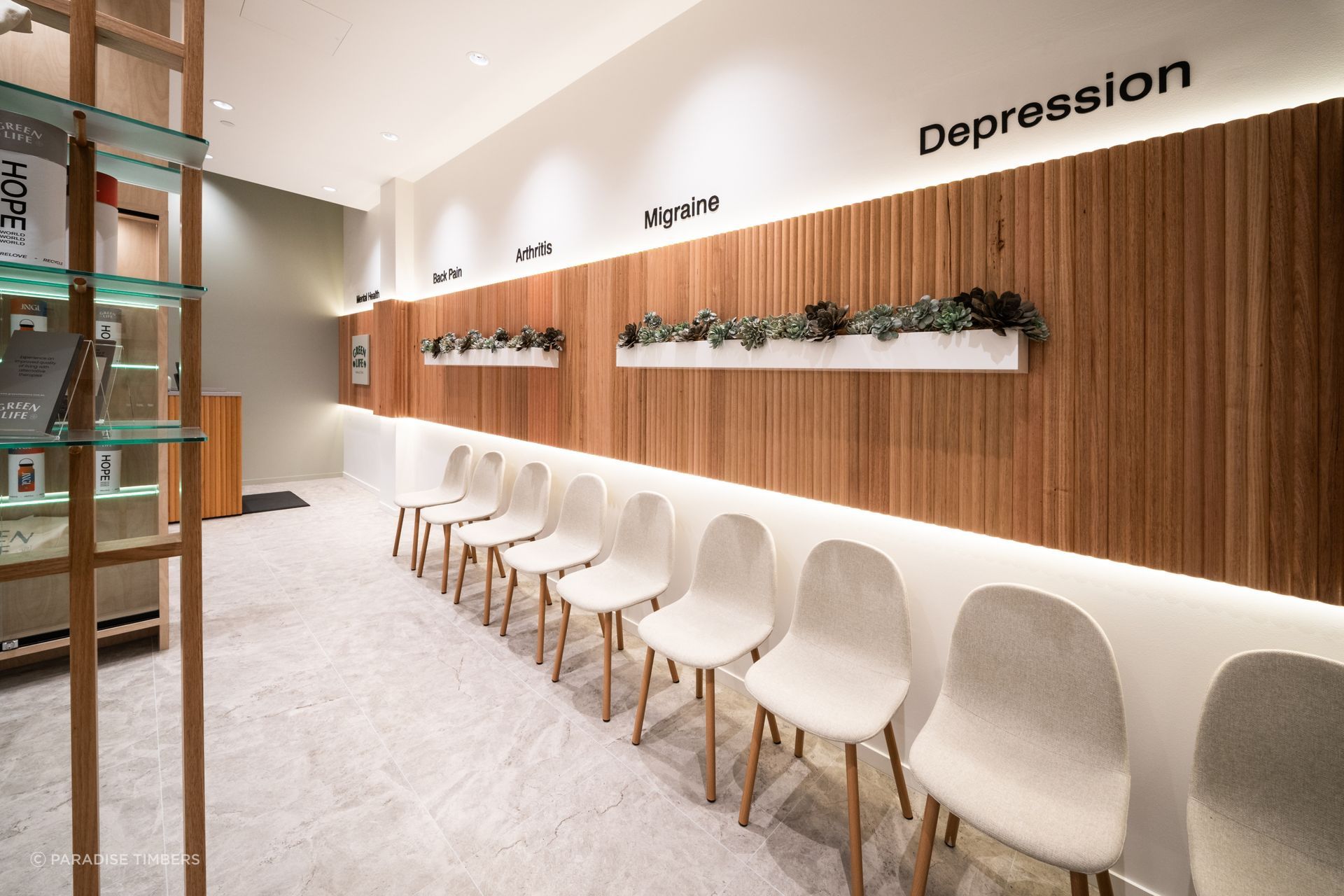
For a recent project, Paradise Timbers prepared components for curved red oak joinery at Green Life Dispensary. At more than three metres long, each curved timber batten was expertly machined, with some incorporating precise radiuses and nestled sections that couldn’t be achieved using a standard timber product.
Before each piece was shaped from 30mm red oak, the client had supplied a detailed technical drawing and 3D model. Paradise Timbers reviewed the drawings, then assisted with the timber selection and translated the design into its individual timber components.
With early engagement, the team had time to review the concept, investigate timber availability, assess the proposed dimensions and determine whether special tooling, sampling or material procurement would be needed.
“Timber is a natural material, so its grain, colour, movement and machining behaviour must also be considered,” says Natalie. “Custom work is typically more involved, but it allows us to respond to the project itself rather than limiting the project to a predetermined range of products.”
This careful planning meant there was no need for the client to compromise on the design they wanted.
Where architectural drawings, shop drawings, CAD files, 3D models or physical samples aren’t available, a sketch, photograph or concept can often be enough to begin.
“The design does not have to be completely resolved before contacting us. An early drawing, sketch, sample or 3D concept is often enough to start the conversation,” says Natalie. “The earlier we understand the intention, the more effectively we can help develop a solution that’s practical, visually considered and true to the original design.
“For more complex pieces, leaving the conversation until installation is approaching can limit material options and place unnecessary pressure on production and delivery timeframes.”
In these types of projects, everyone plays a role. The architect or designer understands the design intent and the visual relationship between the elements; the builder or joiner understands site conditions, installation sequencing and how well the component will connect with the surrounding work; and the timber specialist contributes knowledge of material availability, species behaviour, grain direction, machining limitations and practical production requirements.
When those perspectives come together early, the process can focus on developing a tailored timber solution that works for the project.
Explore more work by Paradise Timbers on ArchiPro, along with products, professionals and inspiring projects.