ArchiPro Best of 2025
Written by
15 December 2025
•
8 min read

Top Projects
These were the most-loved homes on ArchiPro in New Zealand in 2025. Different locations, different briefs but the common thread is clear: confident forms, practical layouts and materials that feel made for real life. Let’s count them down.
10. Wings Over Water by Kamermans Architects
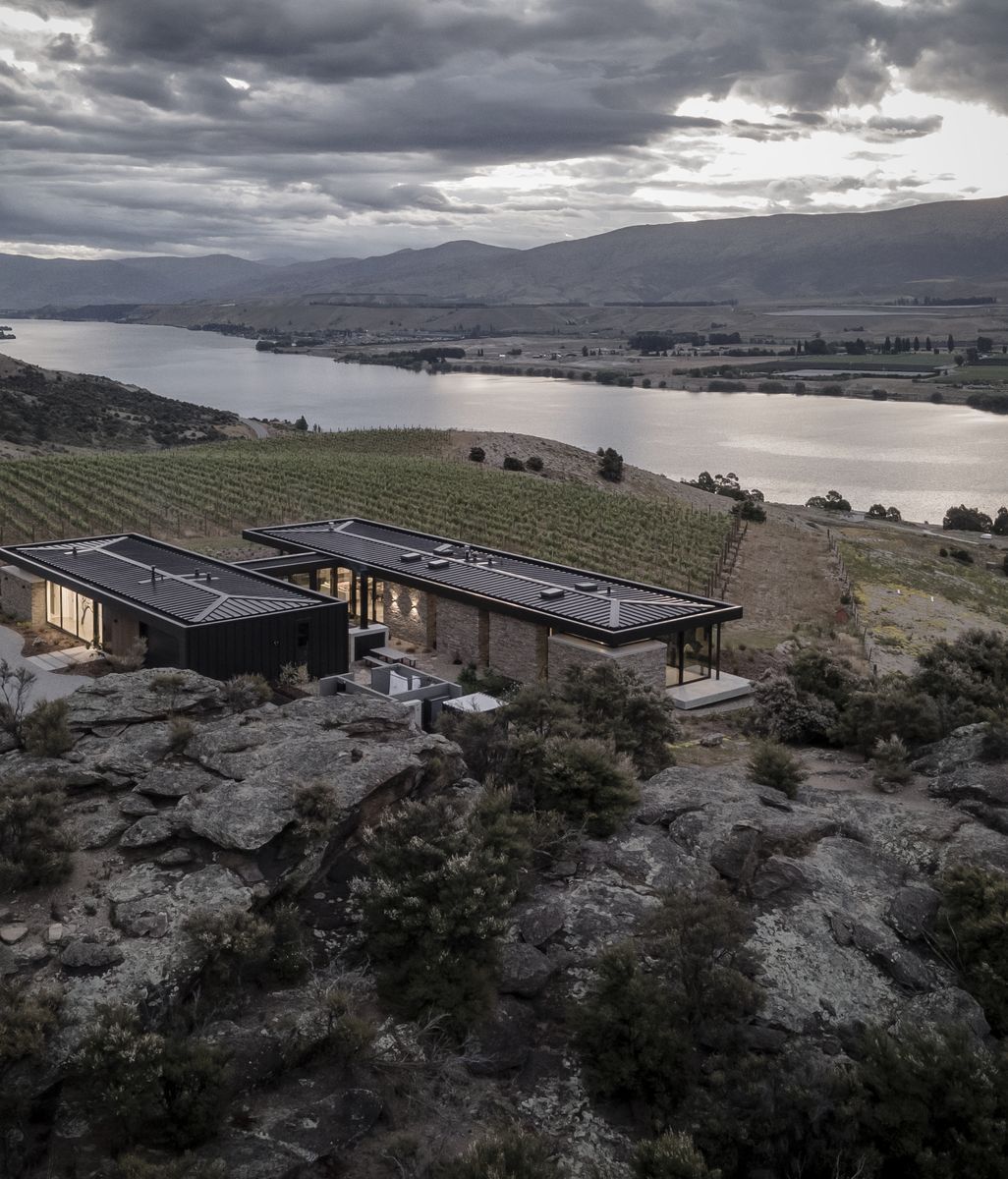
Set against the dramatic landscape outside Queenstown, Wings Over Water is a sculptural home shaped by light, outlook and environmental response. Its distinctive butterfly roof frames expansive mountain views while supporting a highly sustainable approach, making the architecture feel both expressive and deeply connected to place.


9. Maritime Residence by at.space
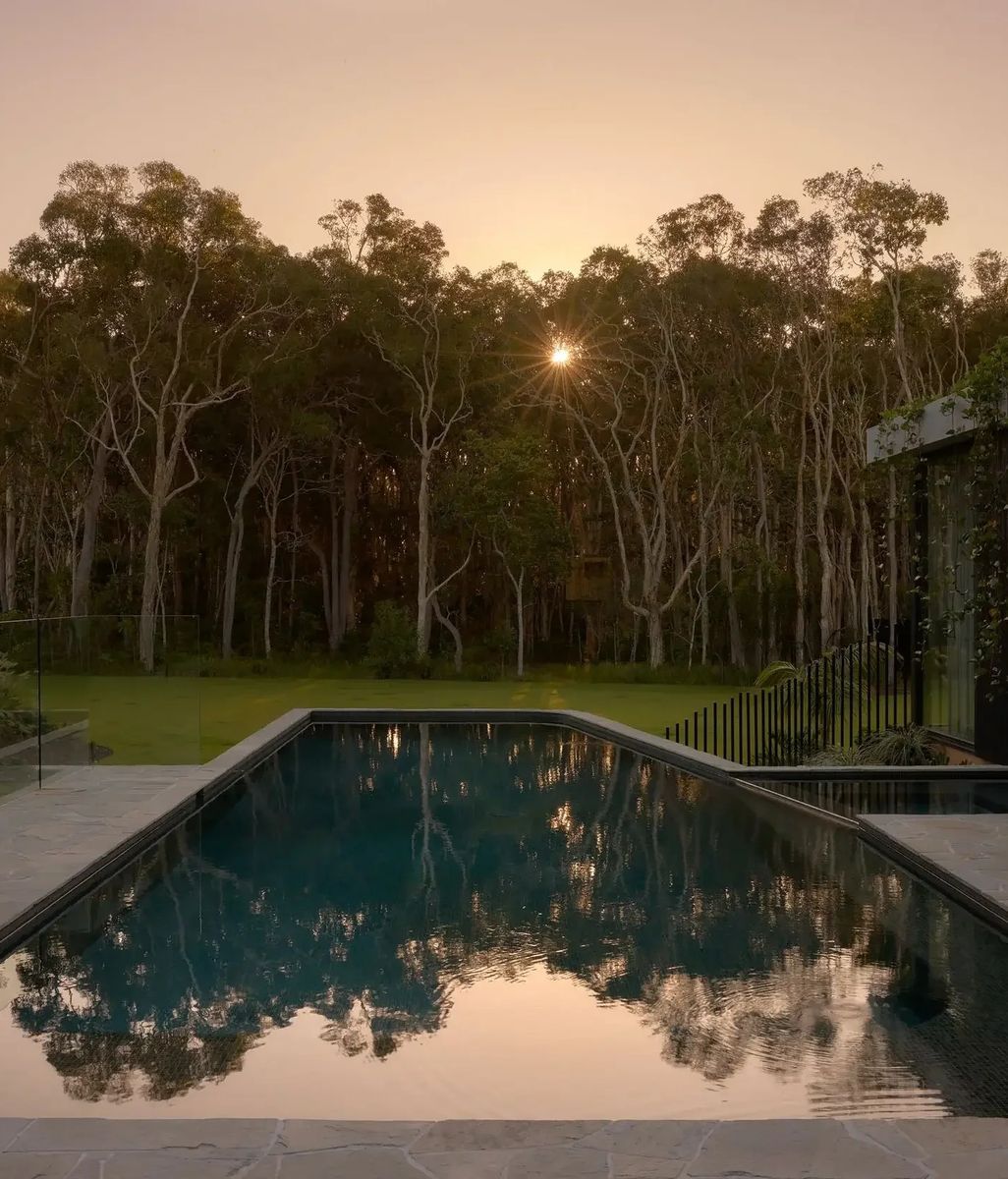
Perched on a bush-clad site that falls toward the water, Maritime Residence is a modern family home shaped by its coastal outlook and sense of retreat. Calm, tactile interiors draw on a restrained “Scandi-meets-New Zealand” palette, creating spaces that feel grounded, light-filled and closely connected to their setting.

8. Te Mira Residence by Mason & Wales Architects
Te Mira Residence is a classically composed home shaped around outlook, proportion and permanence. Carefully sited to capture expansive views across the Cardrona Valley, the architecture uses symmetry, restraint and enduring materials to create a residence that feels grounded, considered and quietly confident within its alpine setting.


7. River House by Christian Anderson Architects
River House is a refined rural home that reinterprets the farmhouse typology through careful proportion, craftsmanship and material restraint. Enduring natural materials are layered with precision, allowing the architecture to sit quietly within its landscaped setting while ageing gracefully over time. The result is a composed, timeless residence shaped as much by its environment as by the rituals of everyday living.


6. Kawau Island House by Novak + Middleton
Perched on a clifftop above Little Vivian Bay, Kawau Island House is a contemporary retreat that sits lightly within its kānuka forest setting. With a minimalist layout inspired by mid-century modernism and material choices that respond to coastal conditions, the design frames water views while blending seamlessly into the landscape. Sustainable build methods and clever indoor-outdoor transitions make this both a relaxed holiday escape and a place rooted in its environment.


5. Queenstown Villa by Hulena Architects
Designed to make the most of its alpine setting, Queenstown Villa combines strong architectural form with warm, refined materials. Generous openings frame expansive views, while a calm, contemporary palette allows light and landscape to lead. The result is a home that feels composed and modern, yet closely connected to its dramatic surroundings.


4. Kārearea House Falcon Fold by RTA Studio
Set within the tussock landscape of New Zealand’s alpine South Island, this family home draws its form and planning from the Kārearea falcon. The folded roofline acts like a protective wing, sheltering the living spaces within, while the layout carefully follows sun, wind and view with living areas opening to warmth and light and sleeping zones tucked quietly along the southern edge. Grounded in colour, material and form, the house reads as a single, calm gesture resting lightly in its environment.

3. Roys Peak Residence by Johnston Architects
Set beneath the snow-capped ridgeline of Roy’s Peak, this Wanaka family home is defined by crisp detailing and a restrained material palette. Cantilevered roof planes frame mountain views and shelter open living and outdoor spaces, while local schist and twin fireplaces anchor the home for year-round comfort. It’s a house that feels generous without excess, carefully designed to sit quietly within its landscape and last well over time.

2. Prospect House by MAUD and at-space
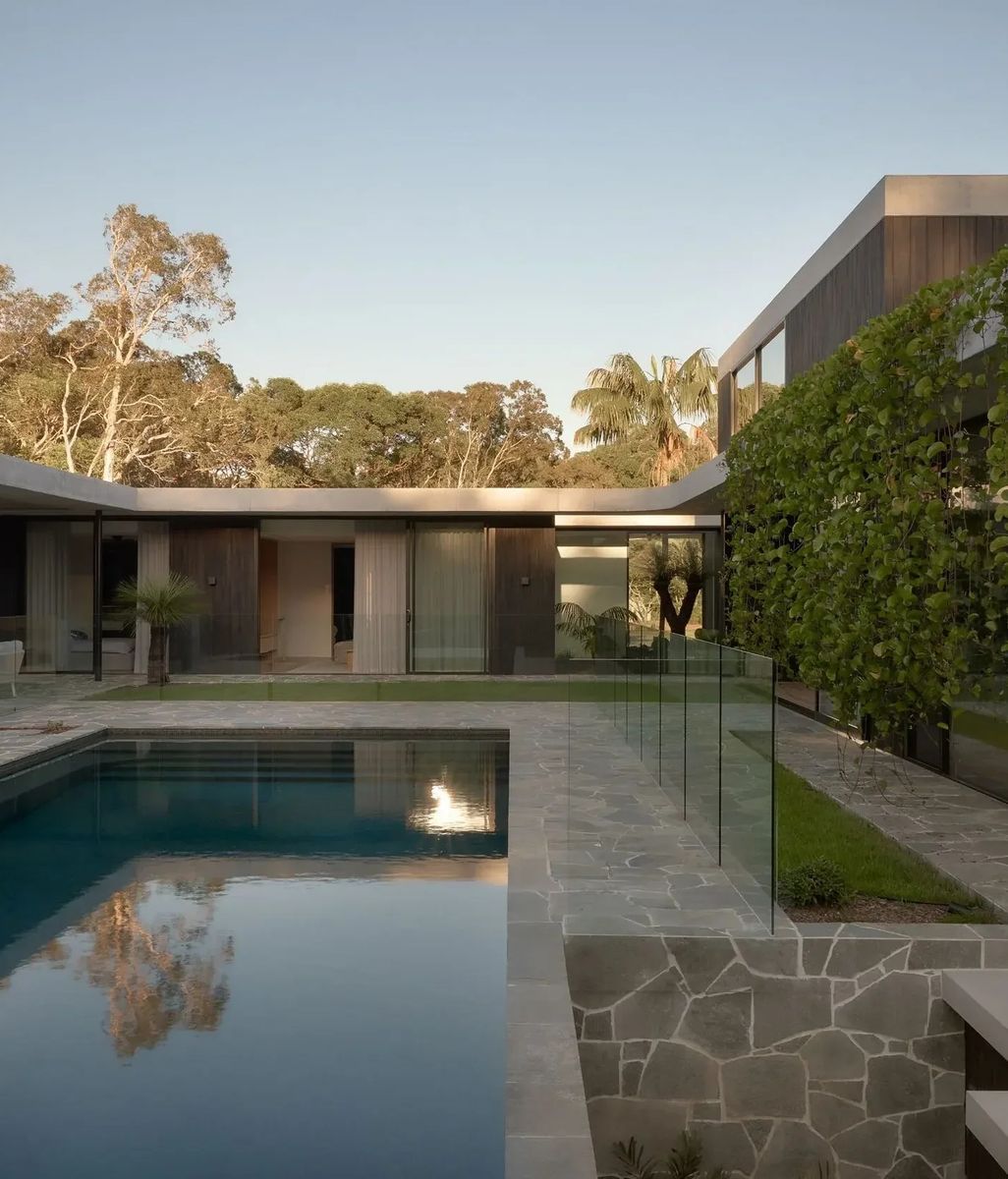
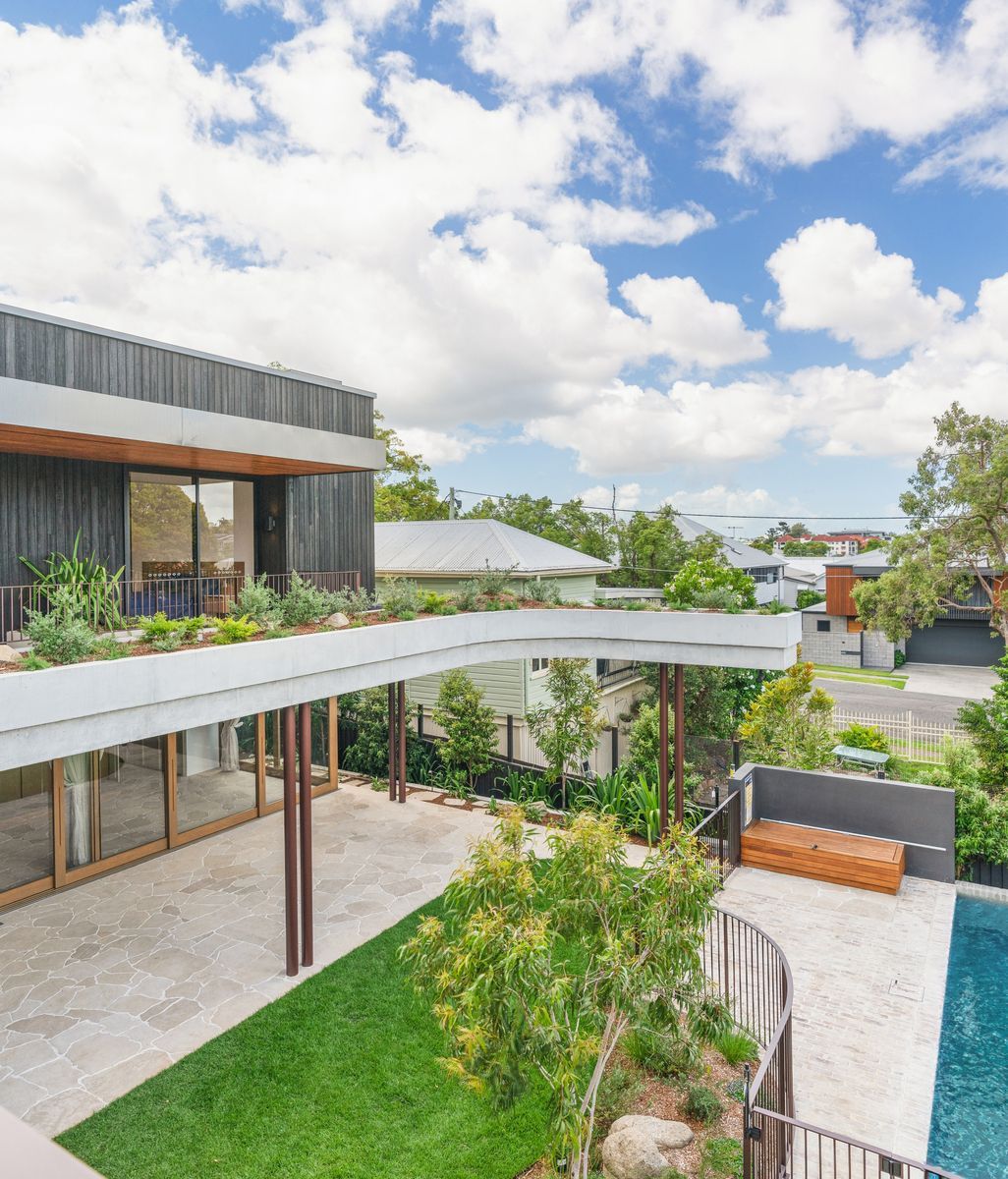
Prospect House is a contemporary family home that reinterprets mid-century principles through a calm, modern lens. Designed around a sequence of courtyard spaces, the house balances openness and privacy while framing views to the maunga beyond. Warm, tactile materials reference the clients’ connection to mid-century architecture, resulting in a composed home shaped by light, landscape and everyday living.


1. Waimataruru by Pac Studio
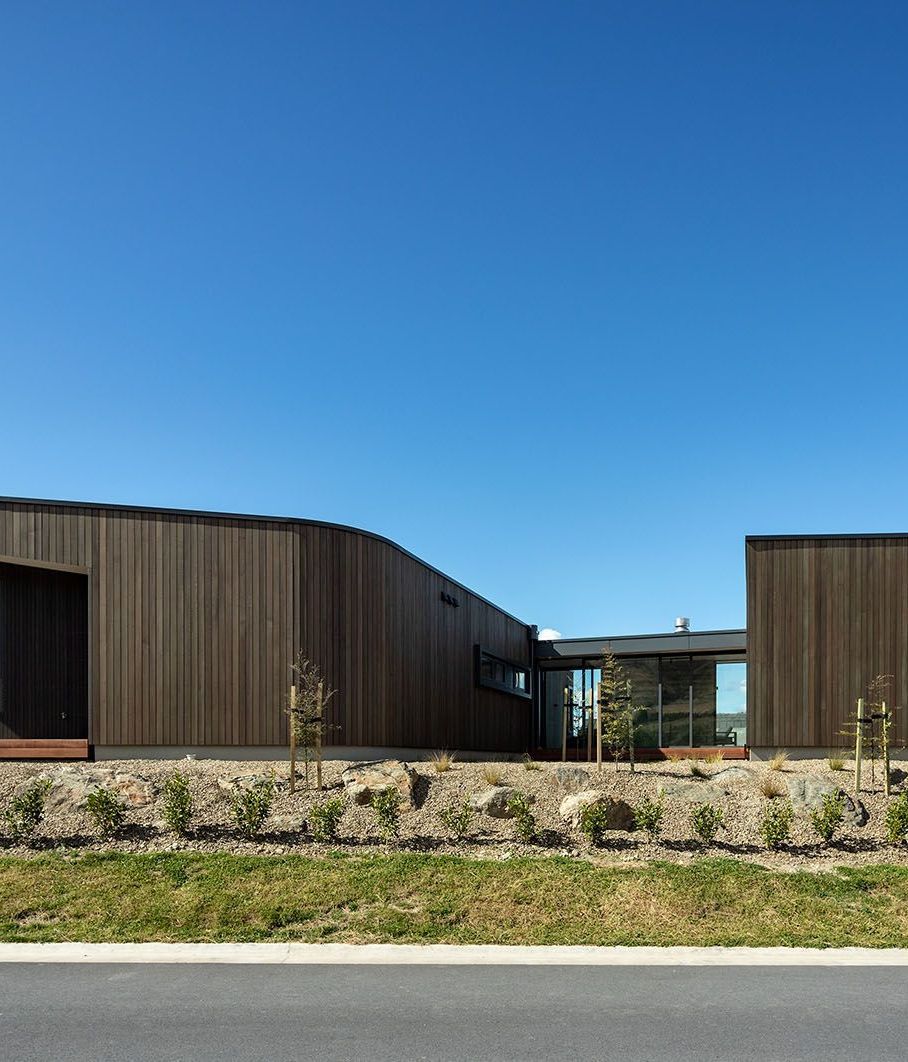
Waimataruru is a deeply site-responsive home, shaped by the contours, views and shifting moods of its coastal landscape. Spaces cascade with the land, using framed apertures, natural materials and a softened building edge to blur inside and out. The result is a house that feels woven into its setting, where architecture heightens the experience of place rather than competing with it.
From big ideas to lived-in details
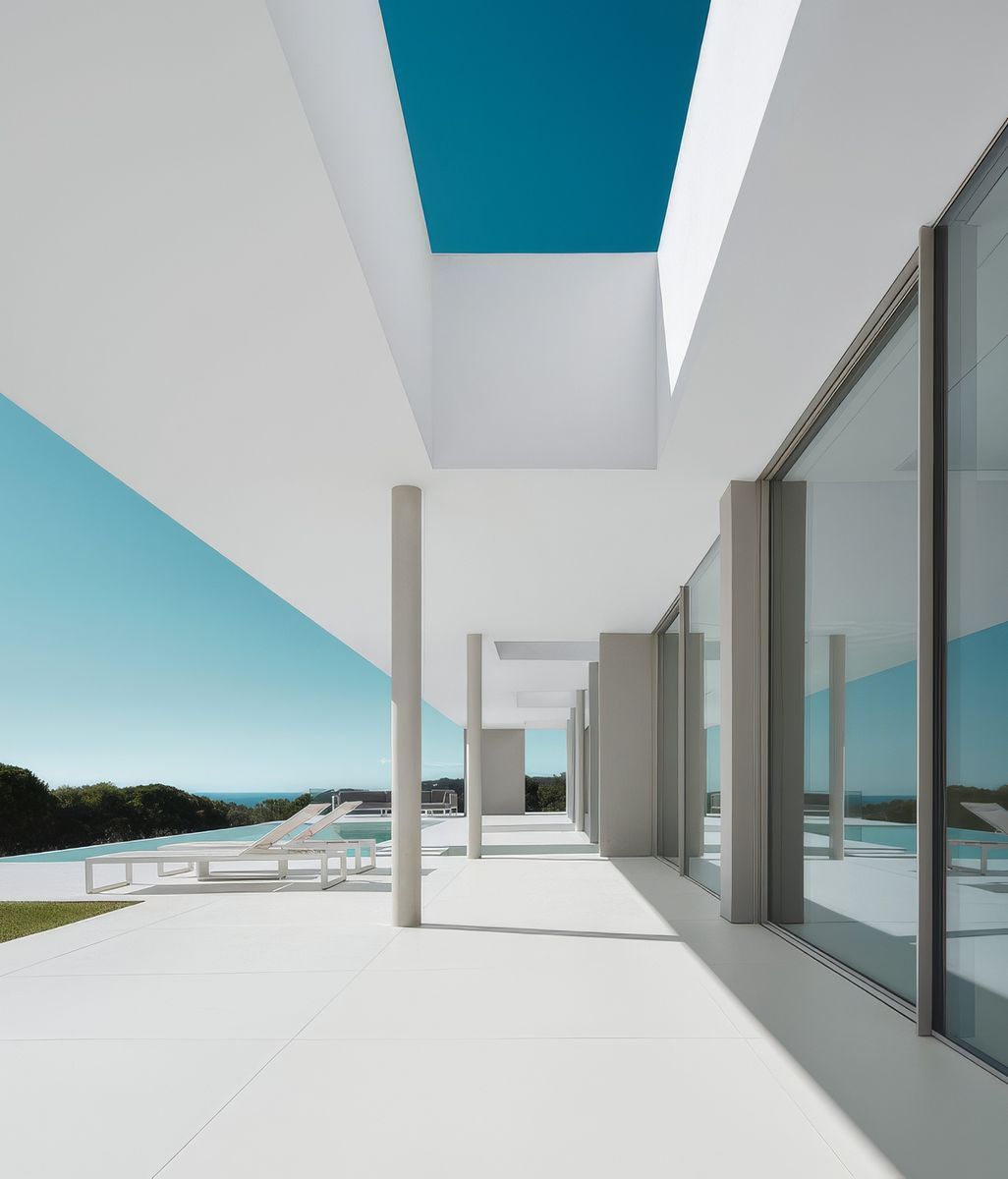
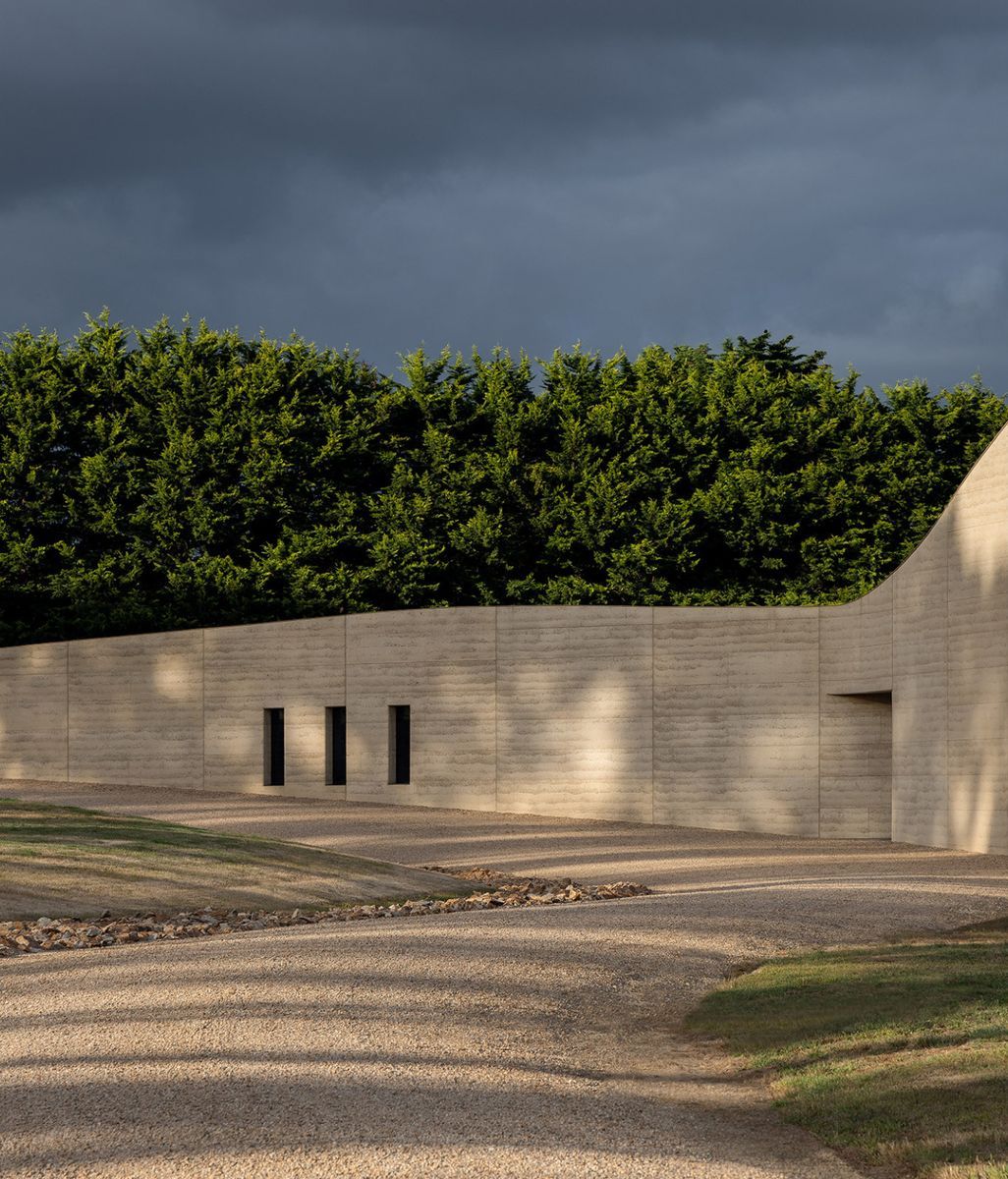
Looking across these homes, a clear picture emerges. New Zealanders are prioritising houses that feel anchored to their environment, designed to weather well and shaped around everyday rituals rather than short-term trends.
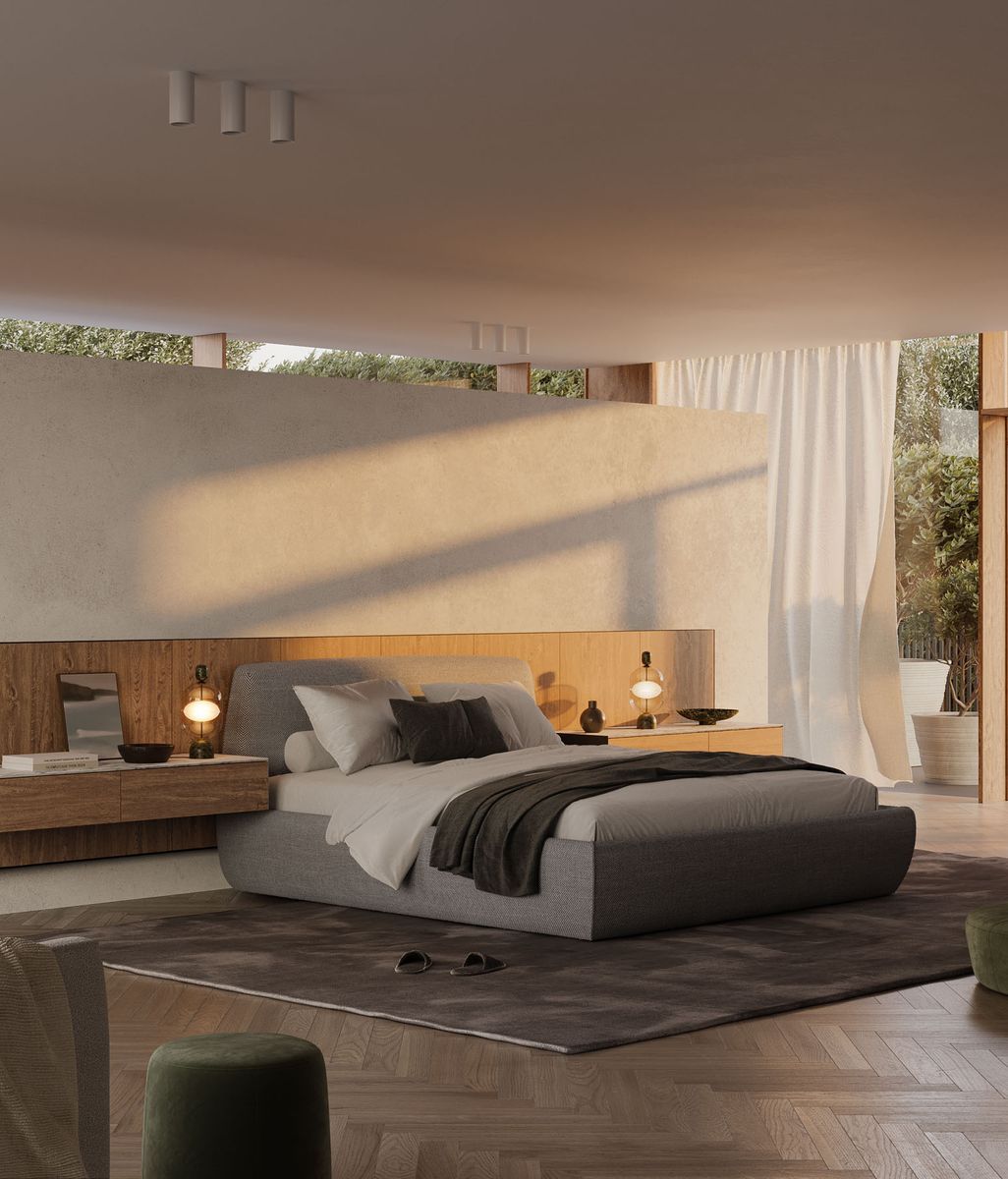
That thinking doesn’t stop at the architecture. It carries through to the products people are choosing, the materials underfoot, the way spaces open outdoors, the furniture that defines how rooms are used. What follows is a snapshot of the elements Kiwis lingered on most as they planned, refined and personalised their homes.
Seats worth settling into
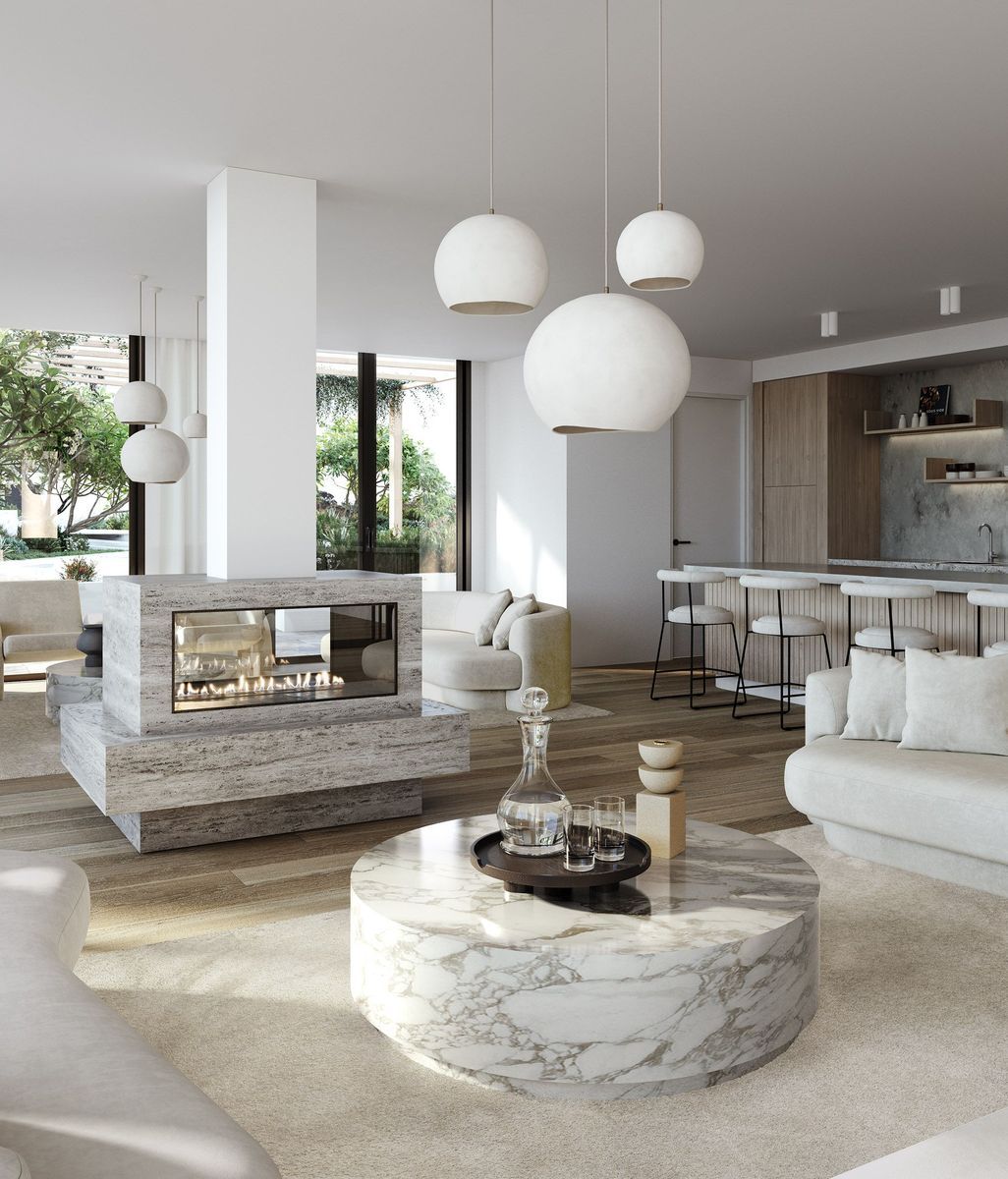
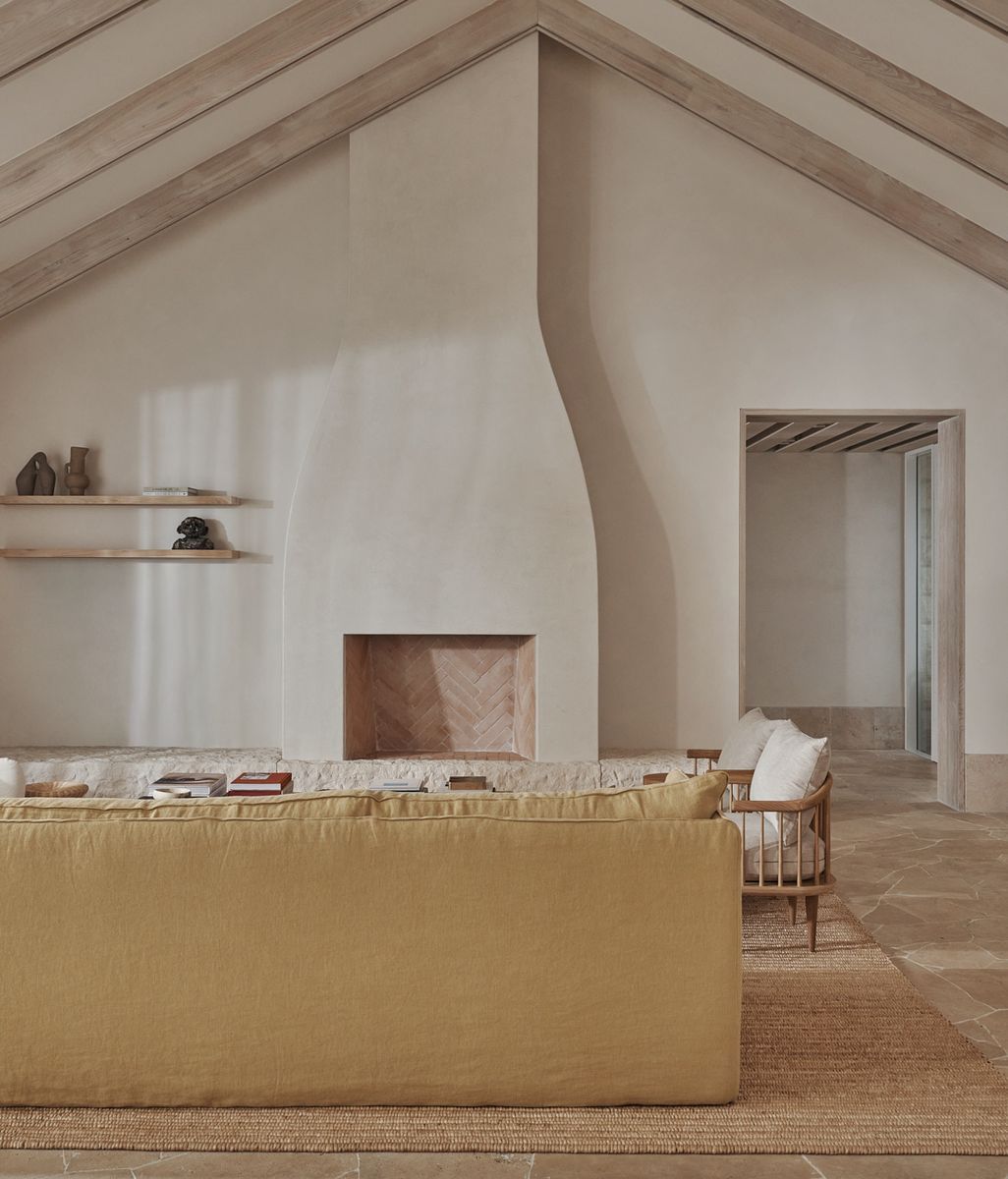
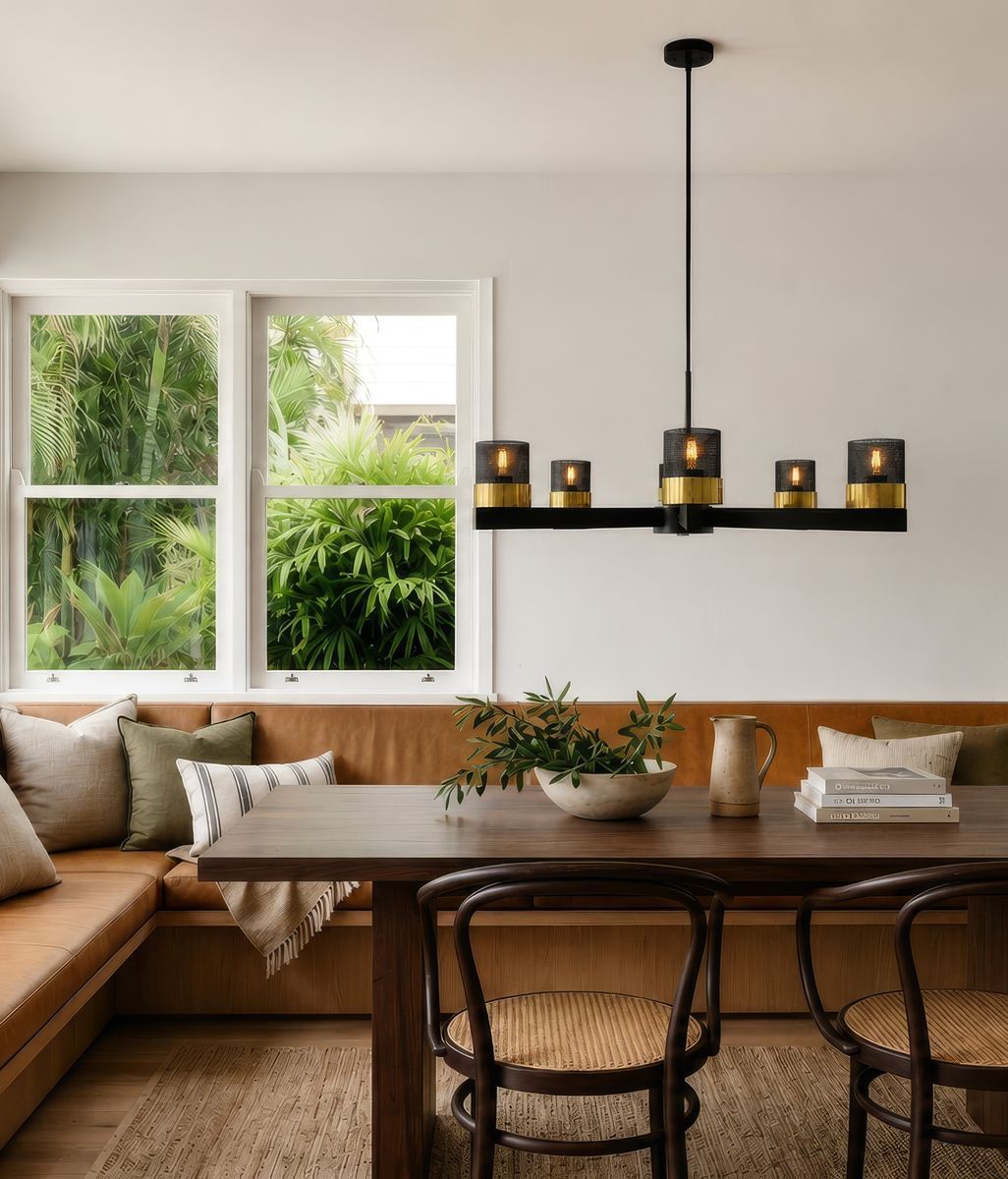
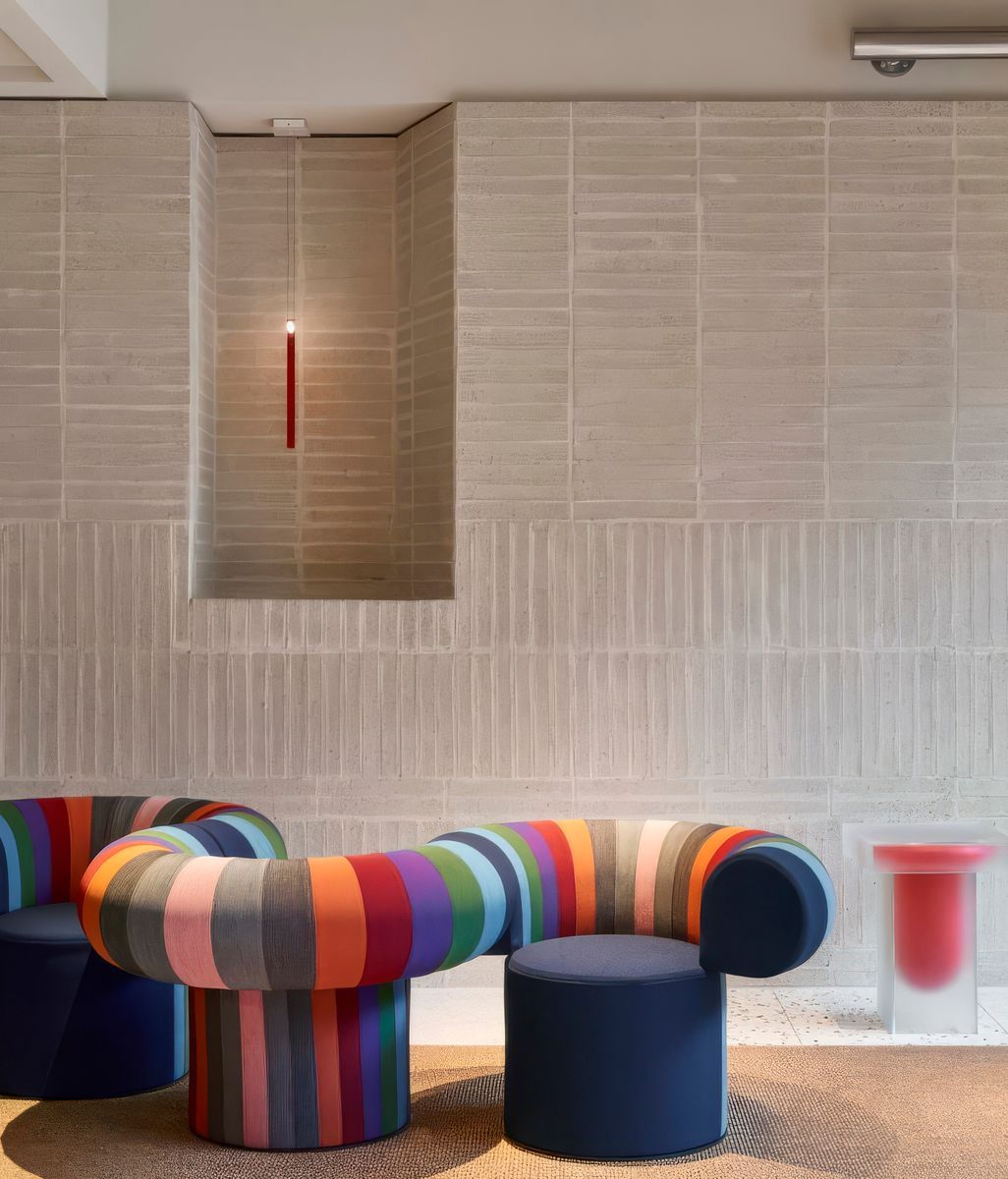
Last year’s most viewed seating pieces share a quiet confidence. Generous proportions, sculptural silhouettes and tactile finishes turn sofas and chairs into anchors rather than afterthoughts. These are seats chosen to hold space, shape the room and invite you to stay a little longer.
Where kitchen design does the hard work
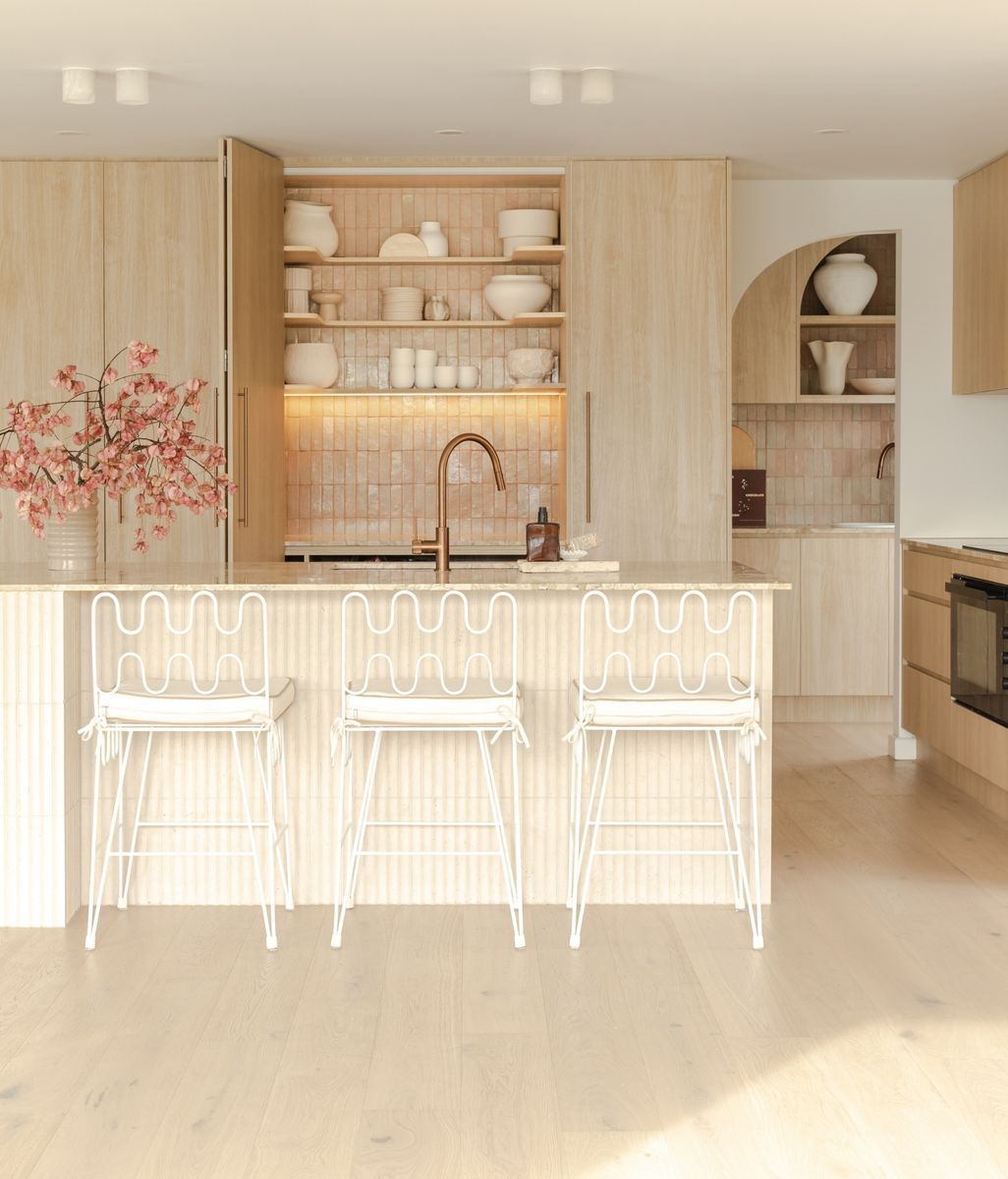
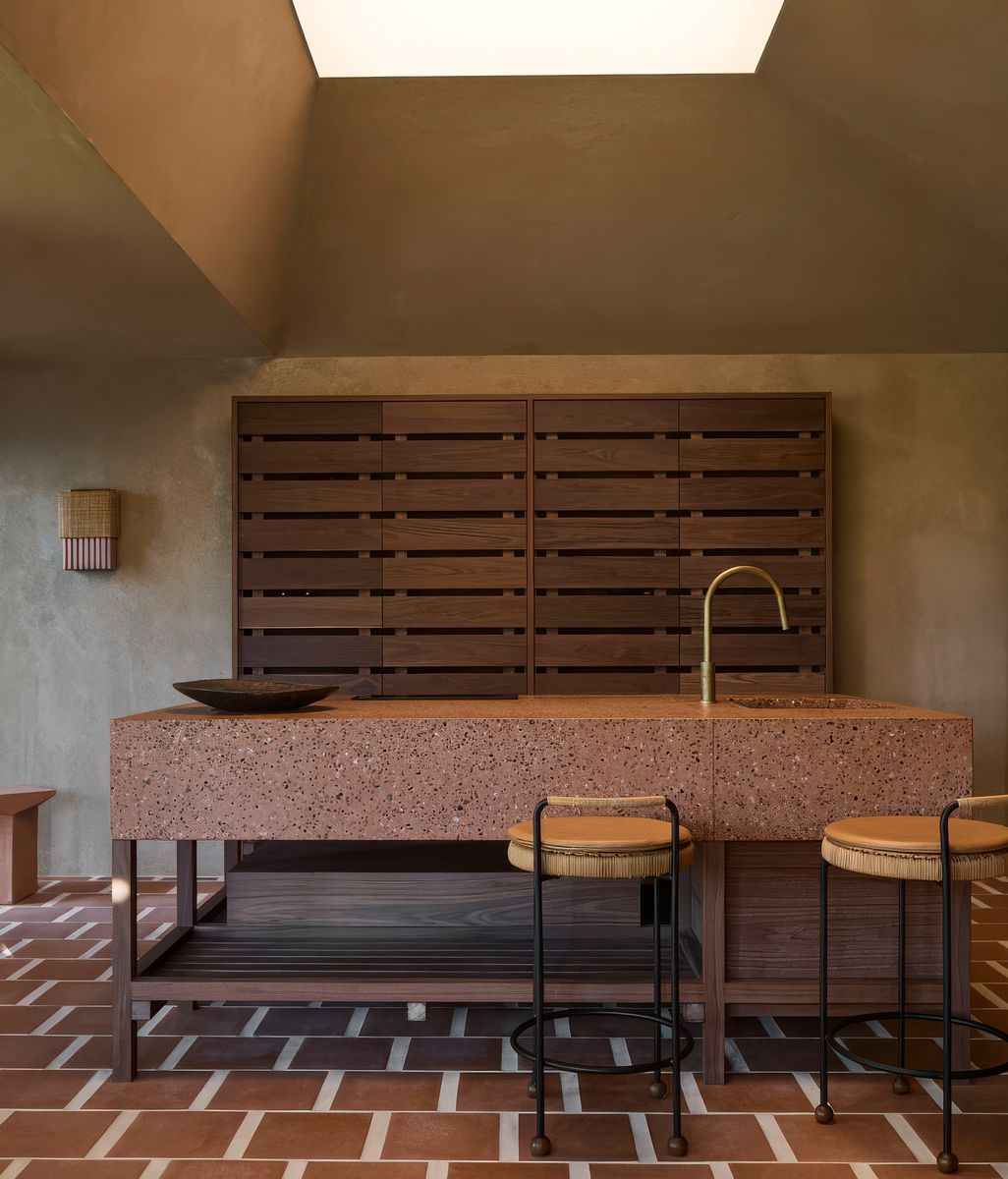
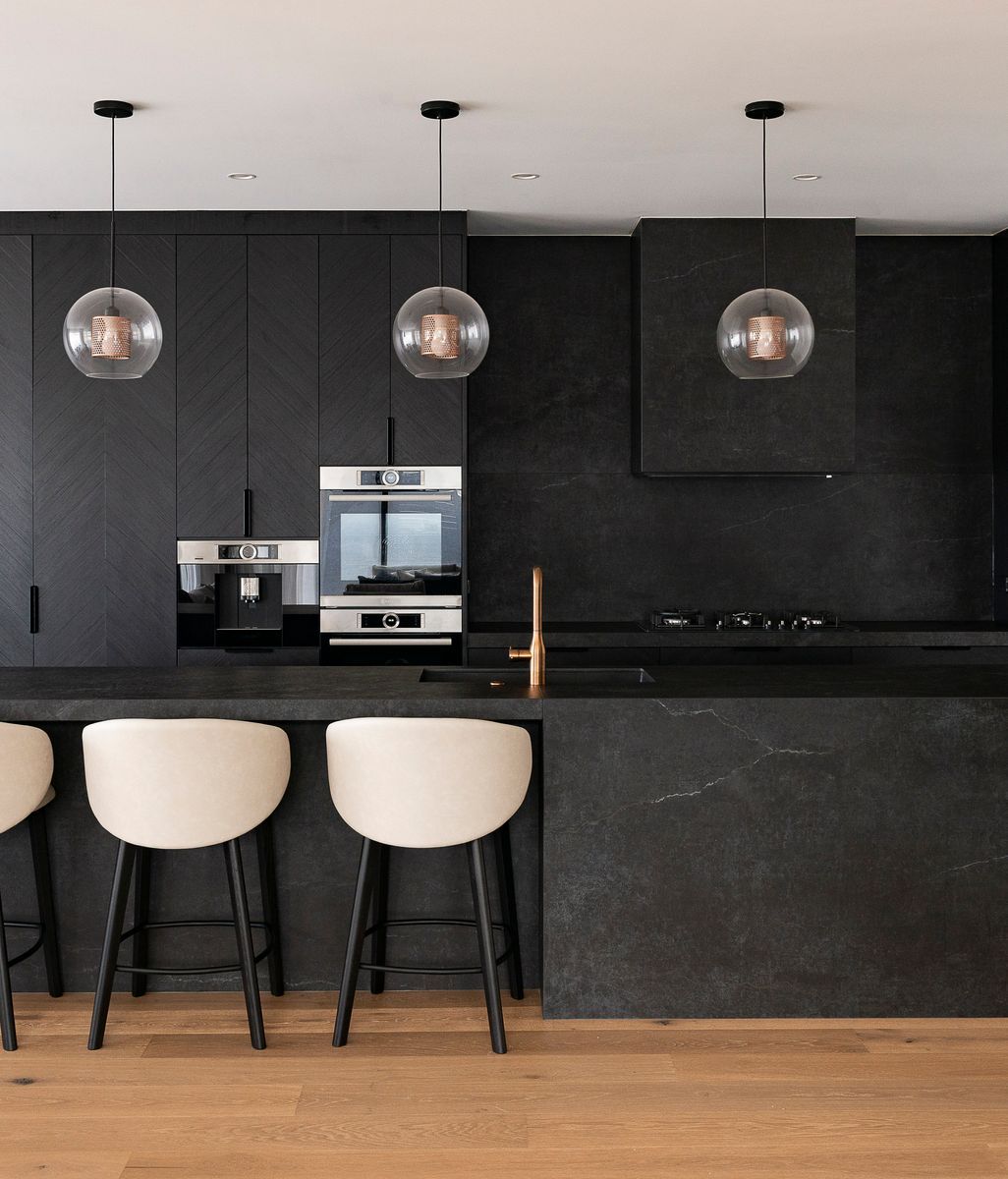
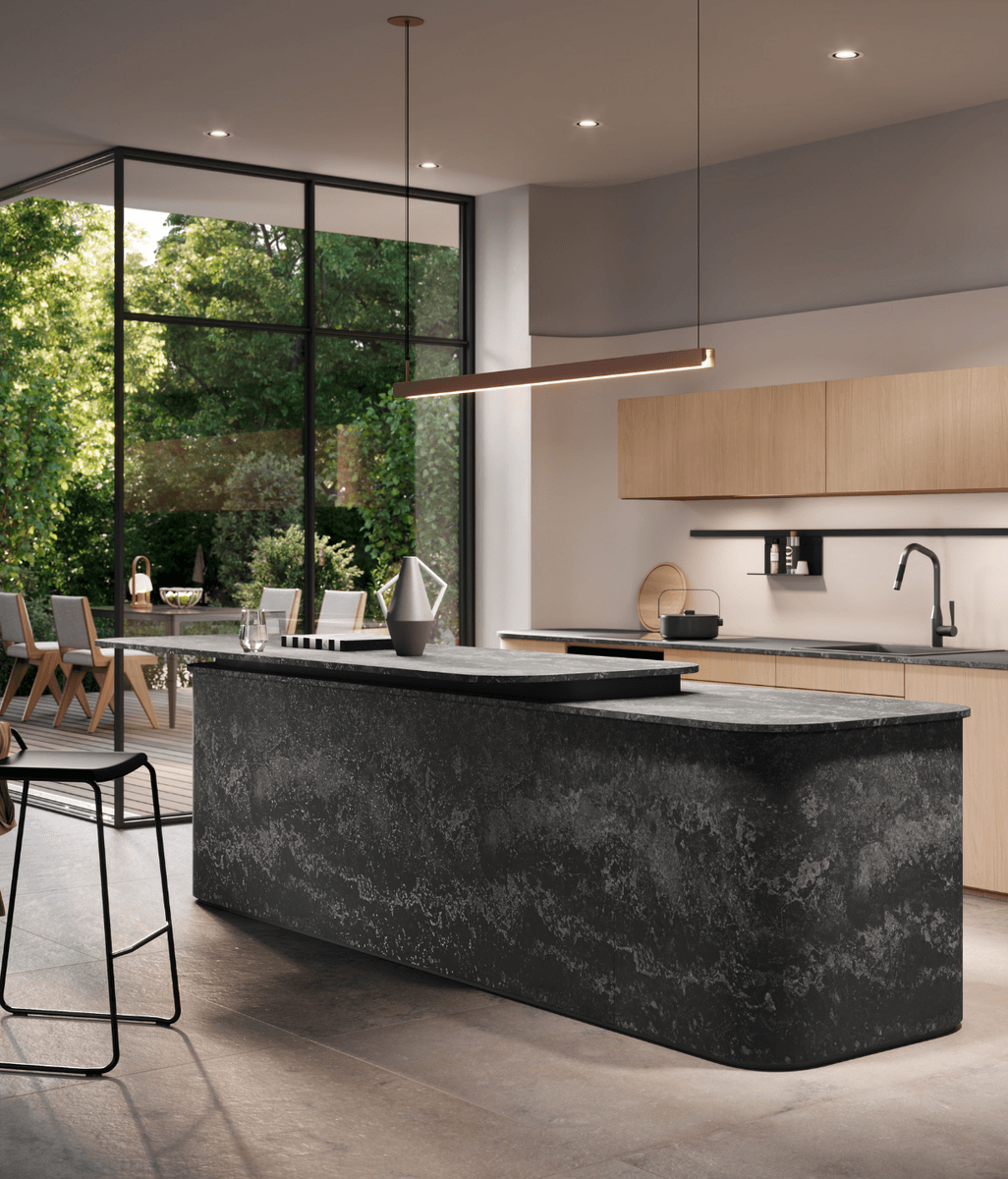
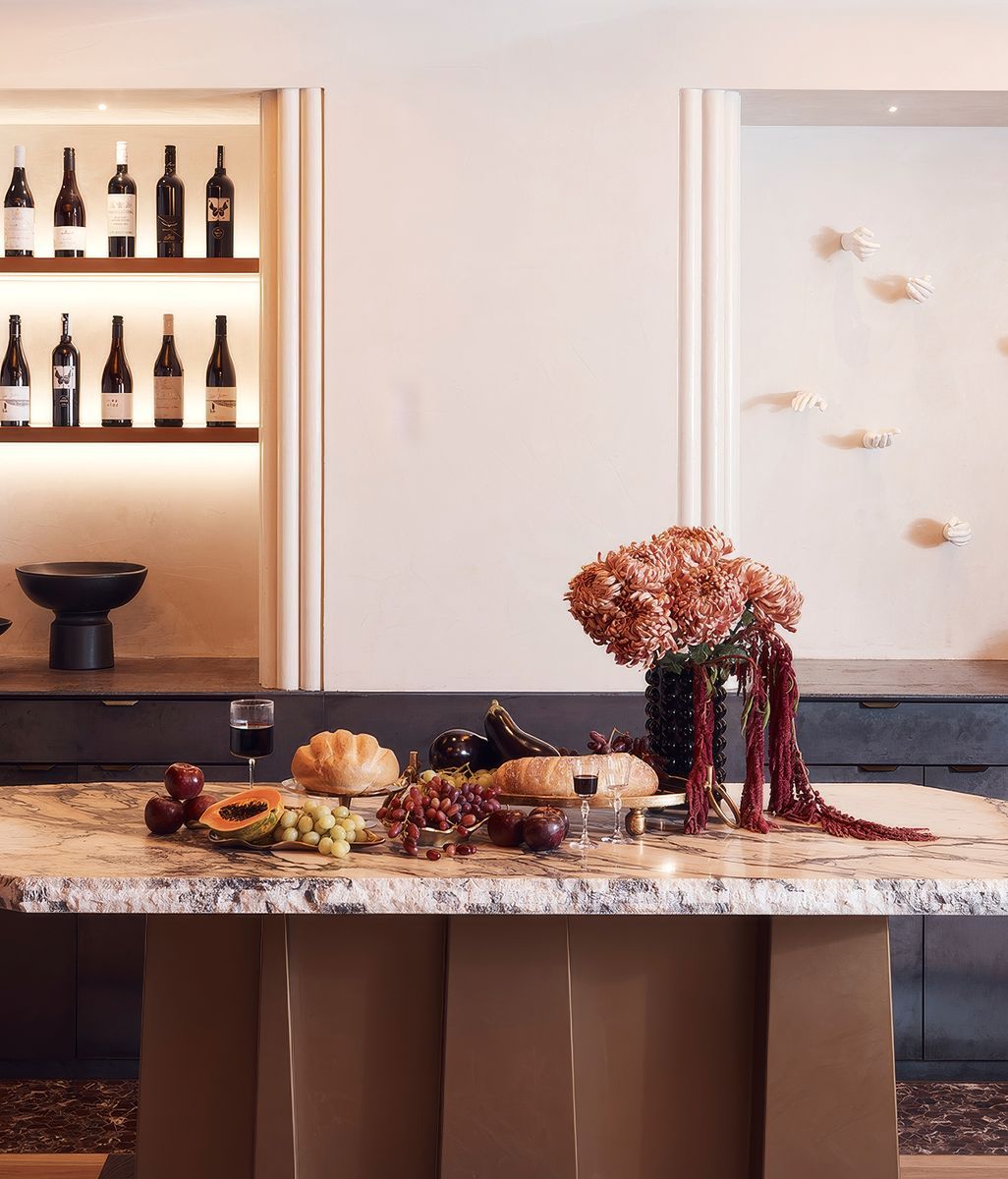
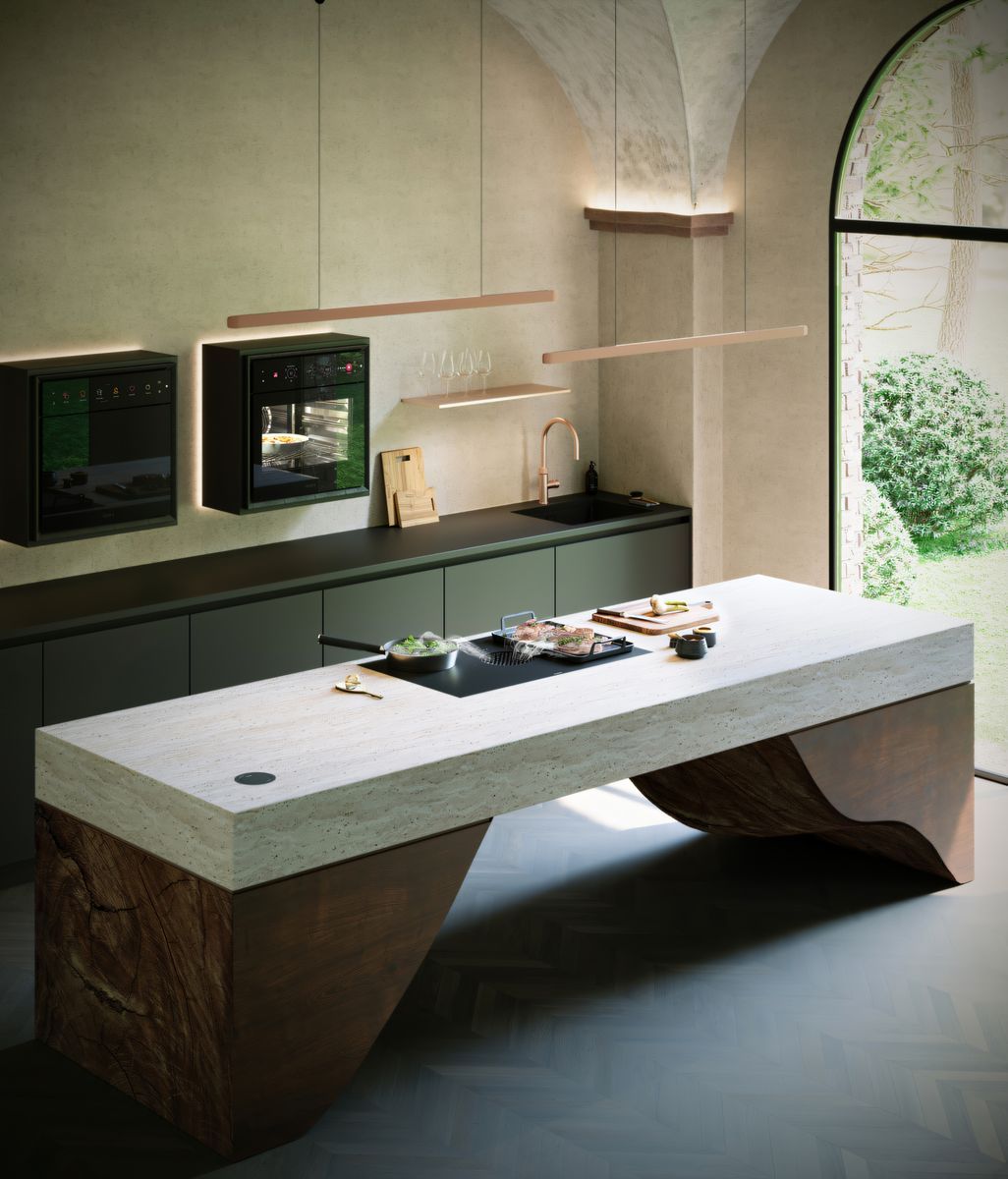
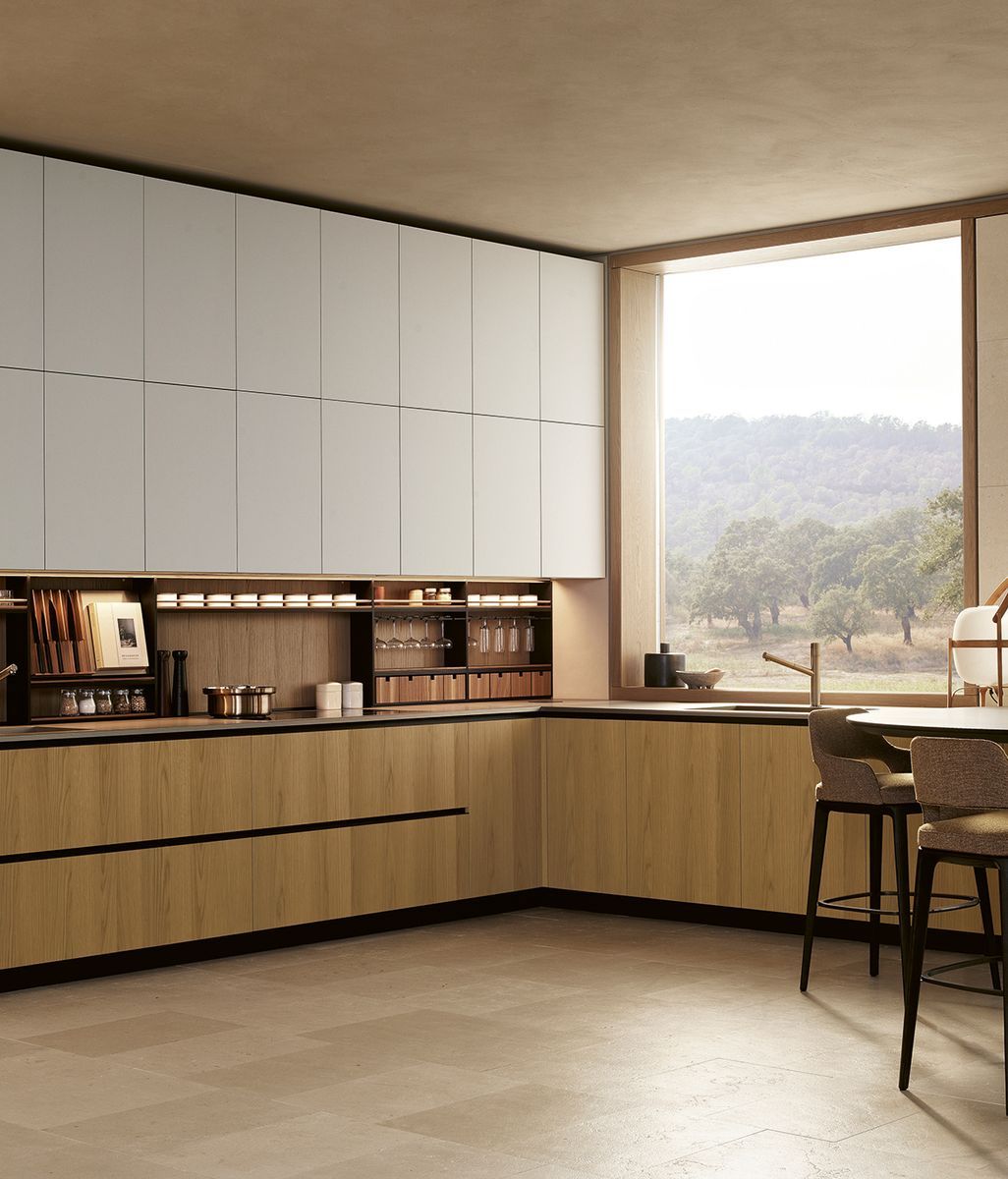
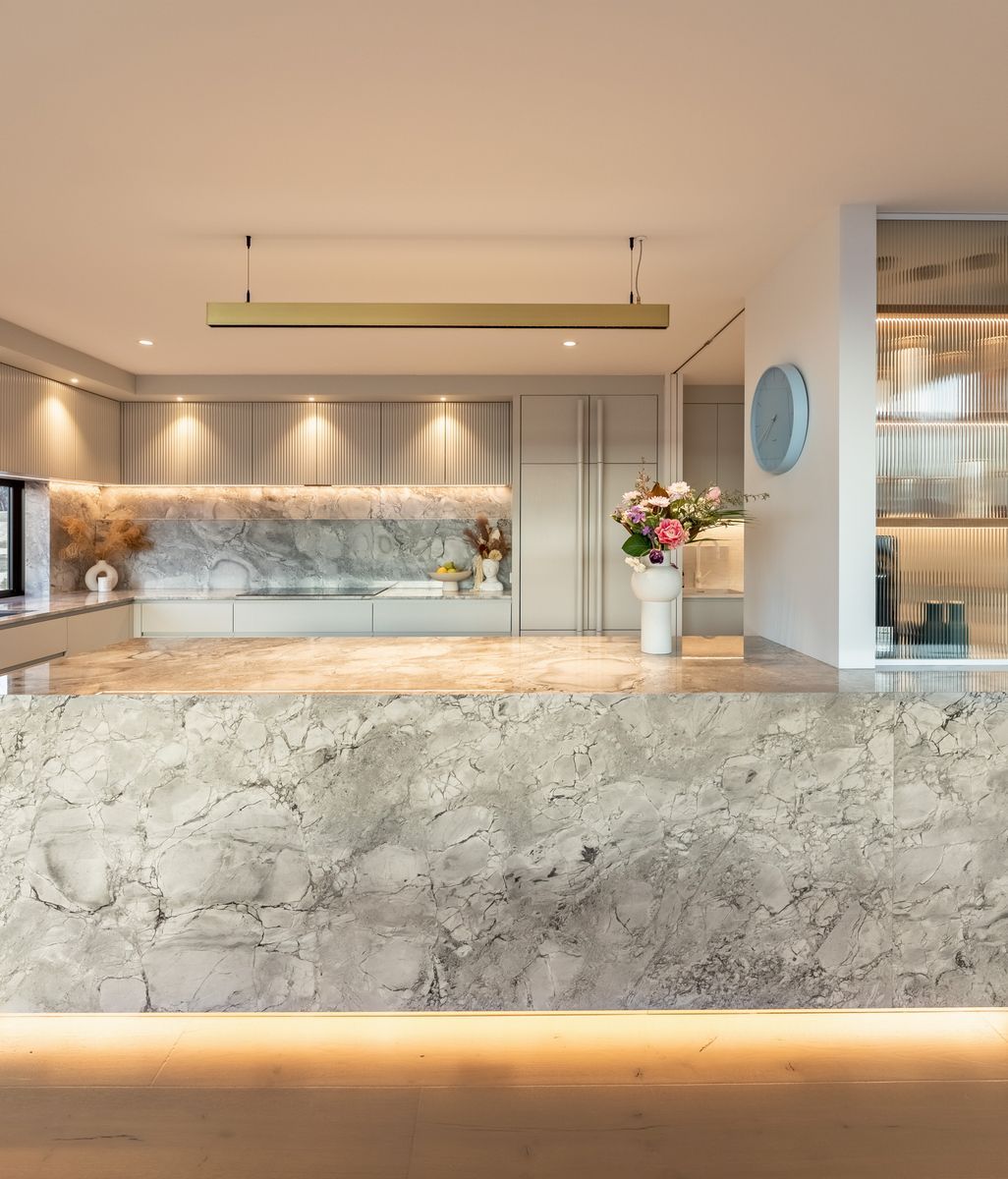
The most saved kitchen products weren’t trying to be the hero of the room. Instead, they focused on removing friction from daily routines, creating cleaner lines, smoother movement and smarter storage without calling attention to themselves. From concealed systems to adaptable hardware and high-performance fixtures, these products reflect a shift toward kitchens that feel calm because the complexity has already been resolved behind the scenes.
The new, everyday retreat
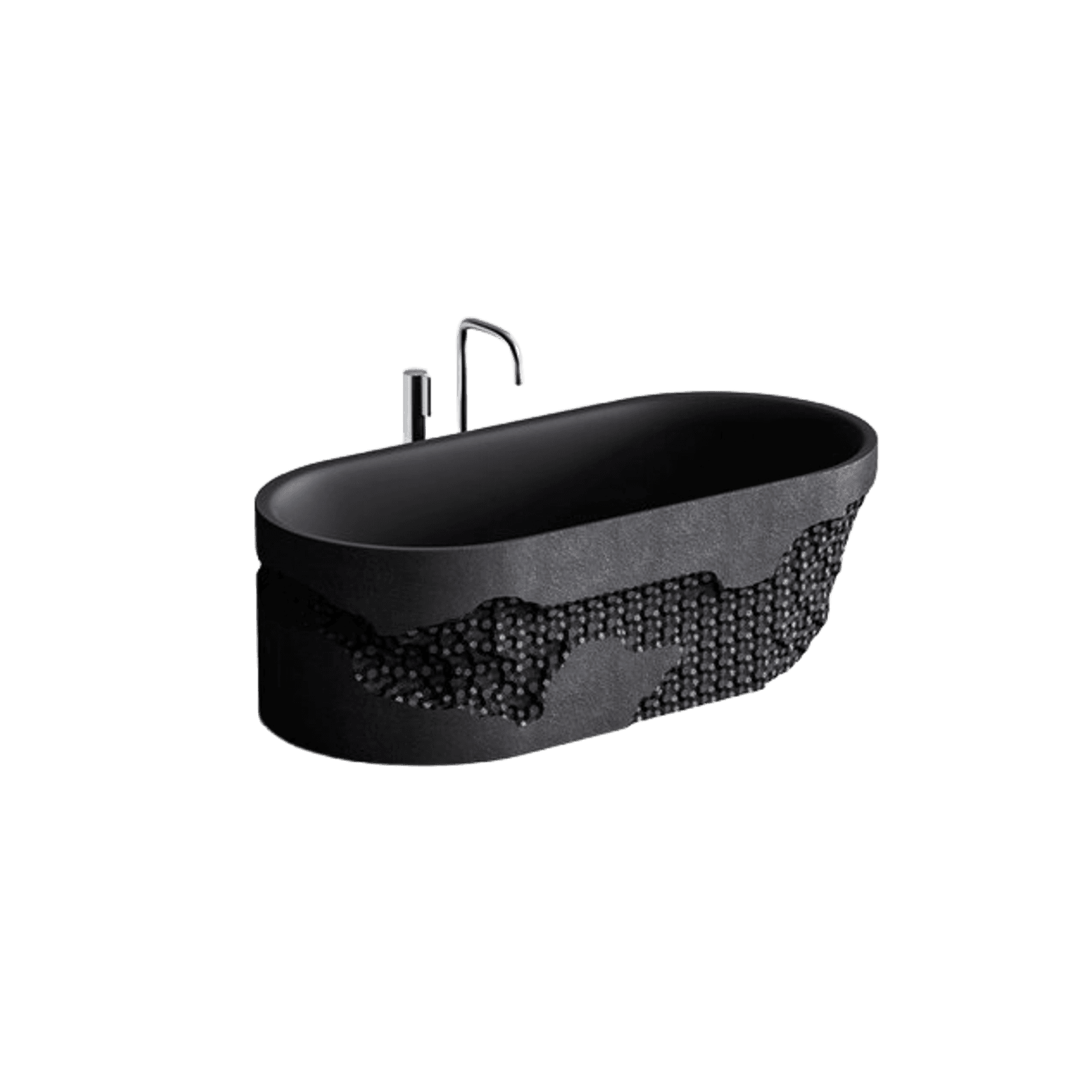
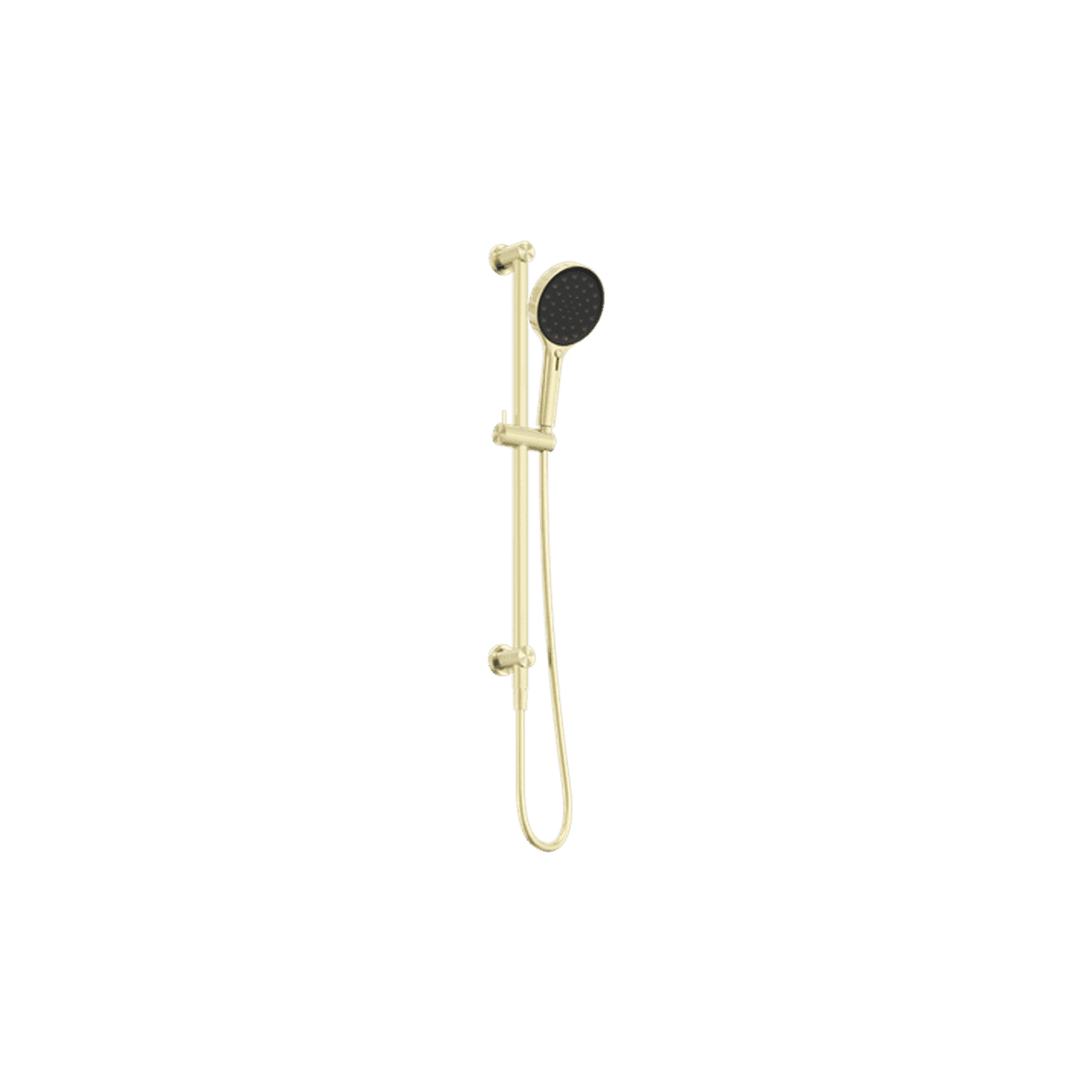
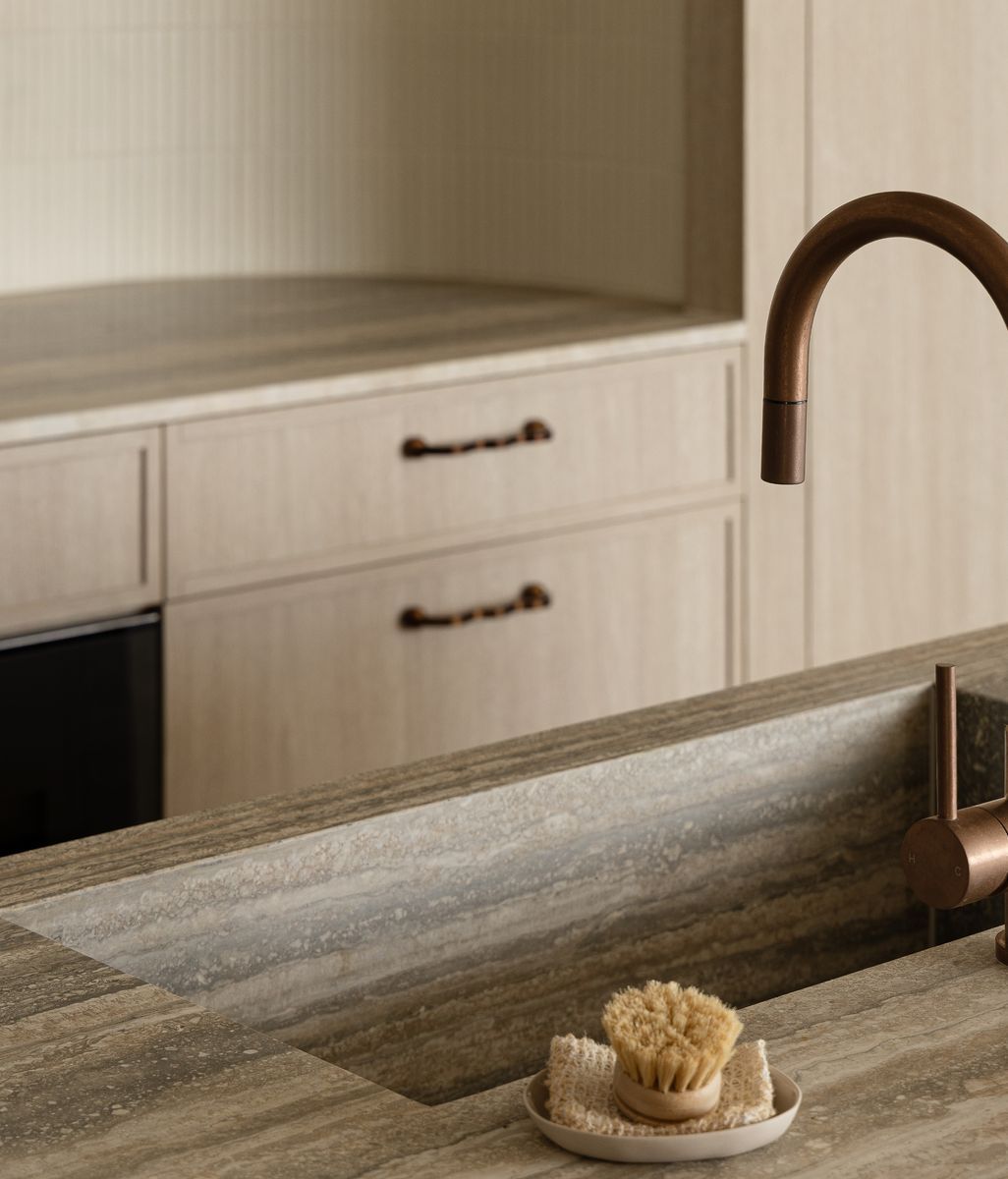
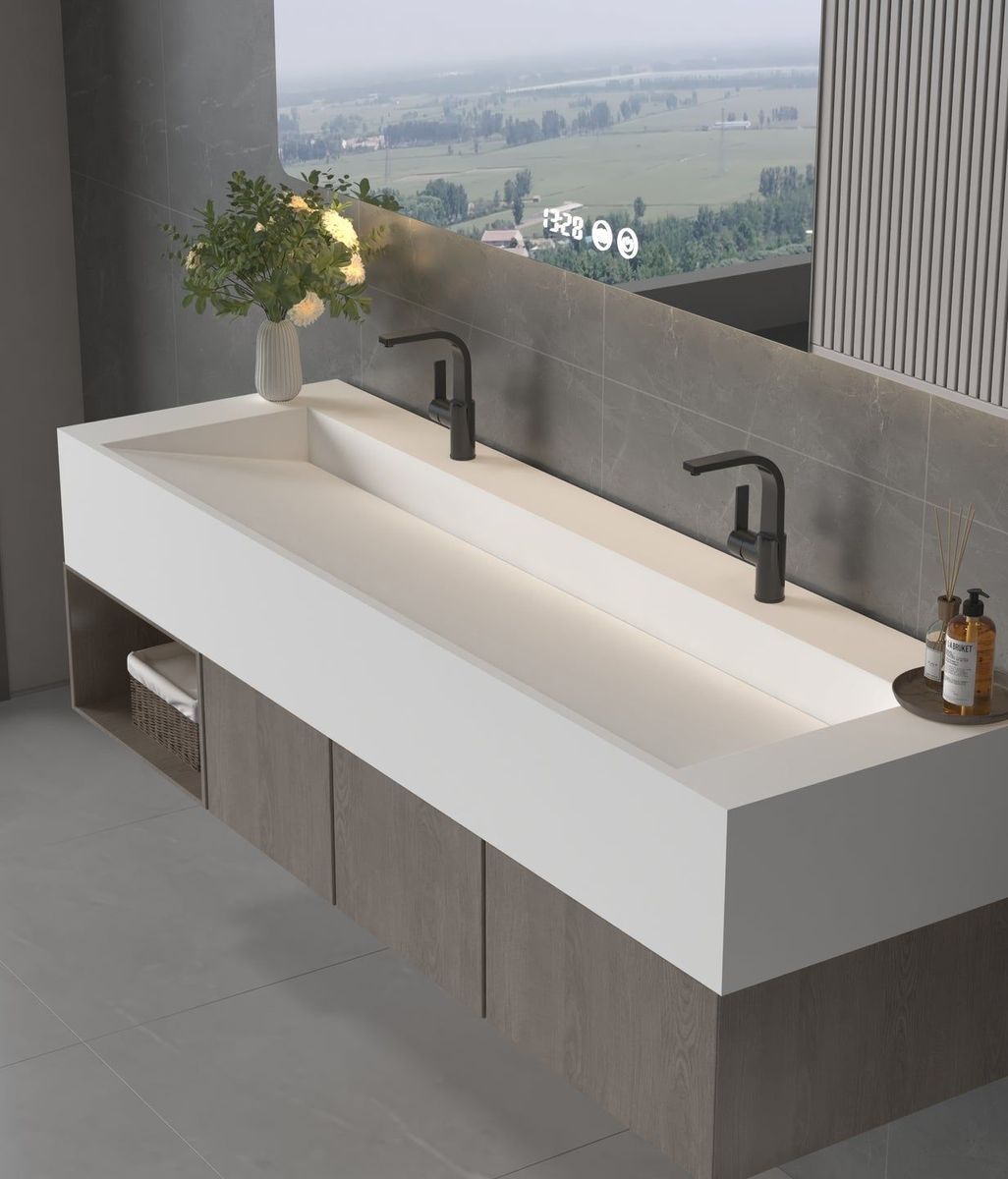
Bathroom products attracted some of the longest dwell times, with people gravitating toward pieces that balance visual clarity with everyday performance. From minimalist showers and refined tapware to streamlined vanities, these are products chosen not just for how they look, but for how they feel to use, day after day.
Within this mix, baths emerged as the natural focal point. Sculptural, tactile pieces with material presence that anchor the space and bring intention to rooms once treated as purely functional.
Outdoor furniture that sets the mood
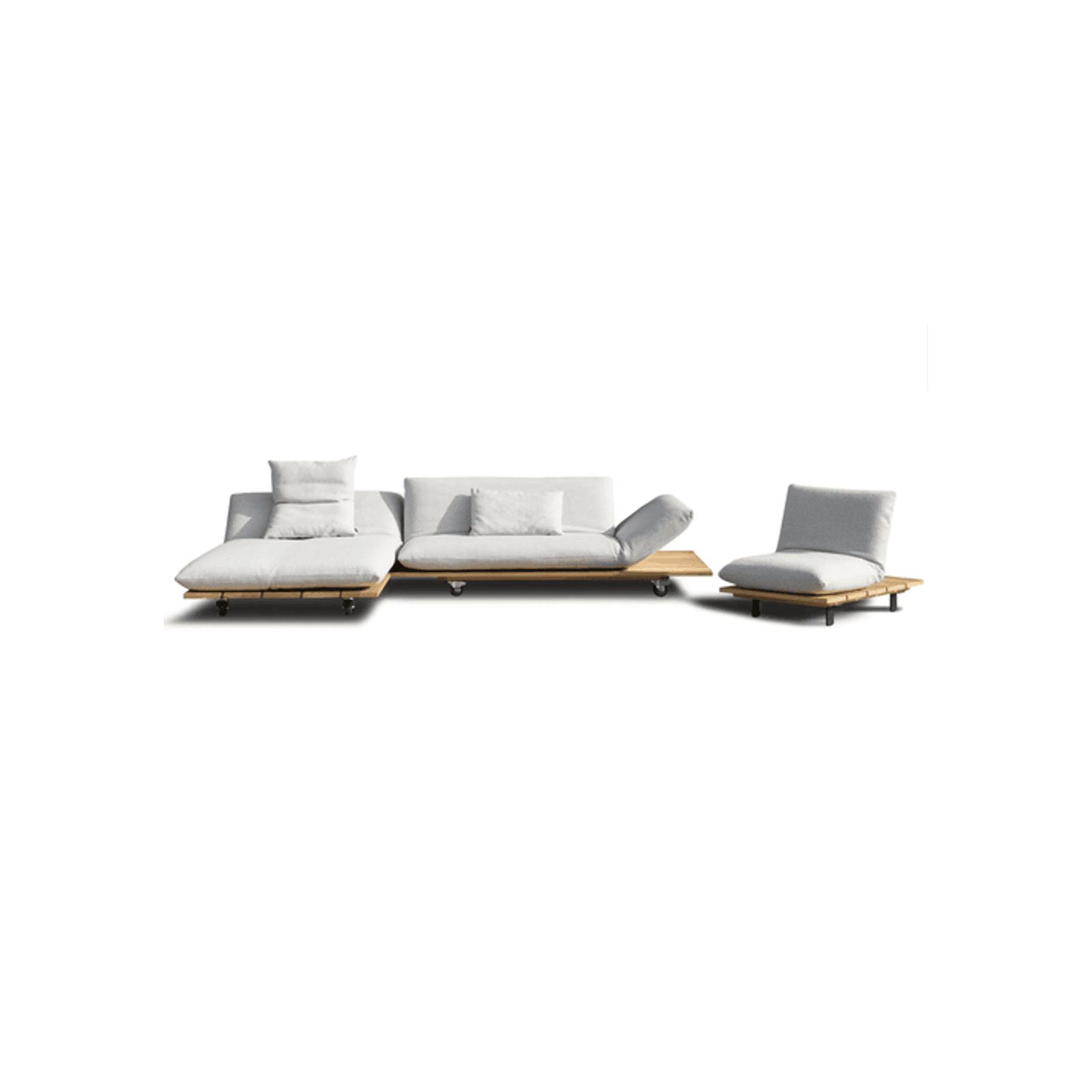
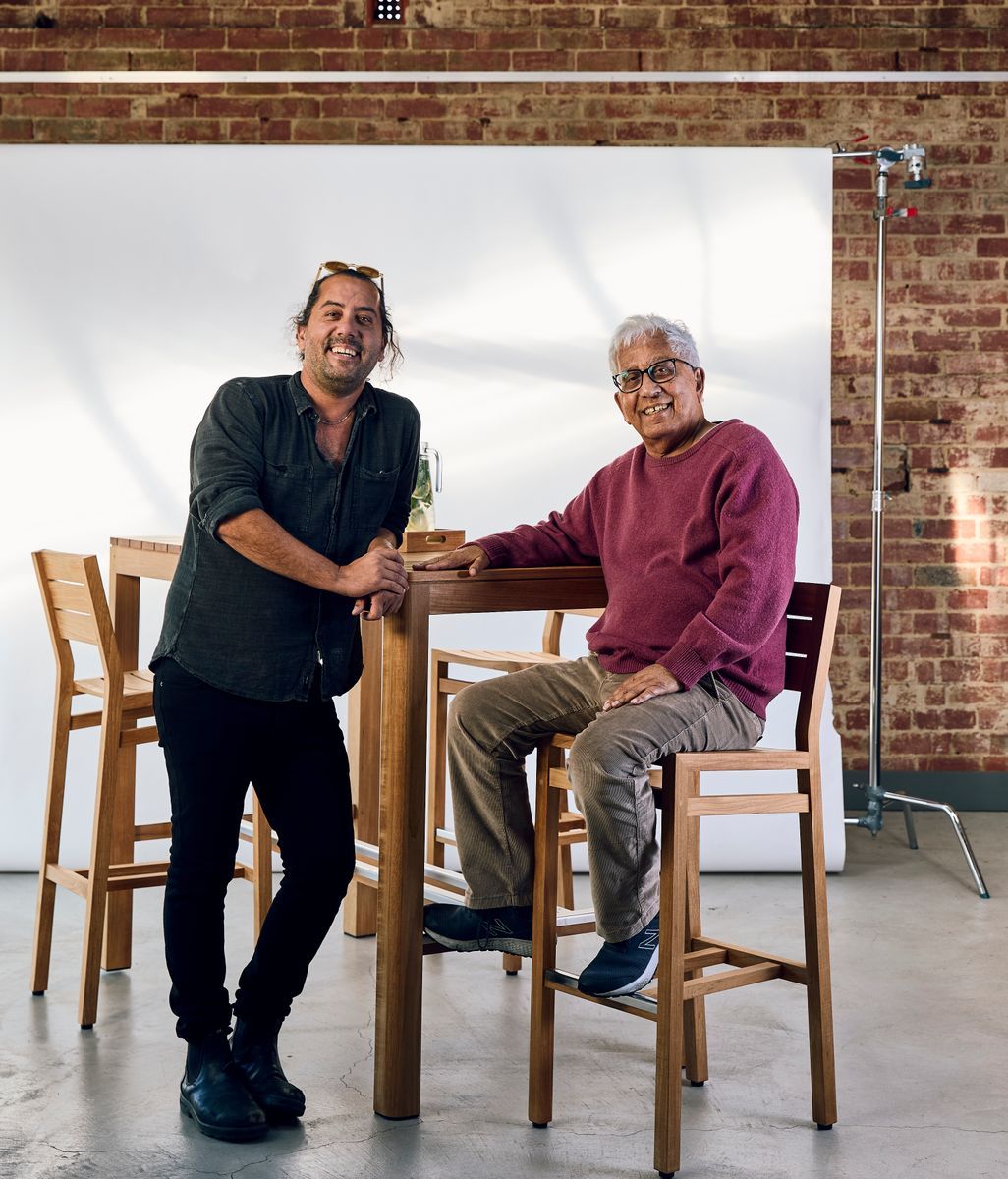
Outdoor furniture became more intentional. The most popular pieces weren’t just practical, they helped define the space. Low, generous sofas, modular seating and sculptural forms turned decks and courtyards into outdoor rooms designed for lingering.
Decking that earns its keep
Decking stayed high on the list both for entertaining and everyday living. Interest split across two camps: low-maintenance composite and warm, natural timber.
The professionals people kept coming back to
Beyond individual homes and standout products, attention consistently returned to the people behind the work.
These architects and designers were among the most viewed and revisited practices on ArchiPro in 2025. Studios people spent time with, explored across multiple projects and returned to as they refined ideas and shaped their plans.

1. Ponting Fitzgerald Architects
Known for calm, carefully proportioned residential architecture, Ponting Fitzgerald Architects create homes defined by material restraint, light and longevity. Their work prioritises how spaces are lived in, resulting in architecture that feels quietly confident and built to endure.

Johnston Architects are known for carefully planned, highly resolved homes shaped by clarity, craft and long-term thinking. Their work balances architectural rigour with environmental responsibility, resulting in timeless, context-aware projects that prioritise comfort, quality and enduring performance.

3. Evelyn McNamara Architecture
Evelyn McNamara Architecture is an Auckland-based studio recognised for calm, contemporary homes shaped by site, light and restraint. With a focus on high-end residential projects, the practice brings together clear architectural thinking and environmentally responsible design to create homes that feel considered, purposeful and closely connected to their surroundings.

4. Dravitzki Brown Architecture
Dravitzki Brown Architecture is a design-led practice known for robust, carefully resolved buildings that respond directly to site and climate. With a strong focus on residential architecture, the studio balances clarity of form with material honesty to create homes that feel grounded, enduring and thoughtfully crafted.

5. Julian Guthrie Architecture
Julian Guthrie Architecture is a boutique practice known for designing thoughtful private homes and beach houses that balance innovation with longevity. The studio’s work is widely recognised for its clarity of form and quietly confident residential architecture.
Together, these projects, products and professionals point to how New Zealanders are thinking about their homes as we move into 2026. Spaces that are easier to live in, better over time, and shaped by thoughtful layouts, durable materials and considered design choices.
ArchiPro makes it easy to explore more projects, browse the products used in homes like these and connect with the professionals who design and build them. Whether you are planning now or simply gathering ideas for what comes next, there is more to discover.