



Wanaka Stone
Manufacturers and Suppliers

About us
Supplying rock from two iconic Central Otago quarries.
Both Poolburn and Cluden Stone Quarries have stood the test of time, having been operational for over 30 years each. Both quarries produce reliable, consistent stone and will still be operating for many decades to come.
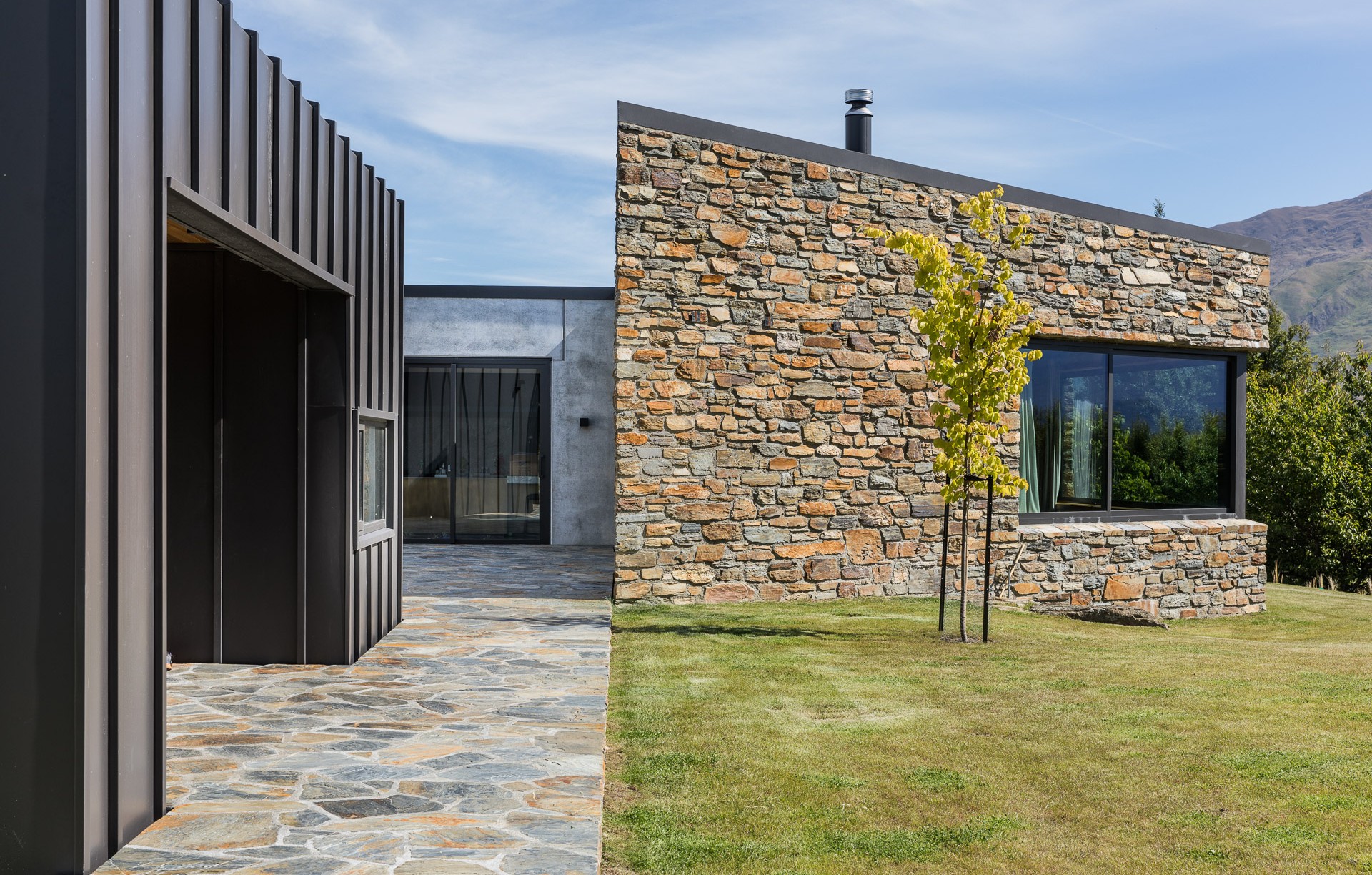
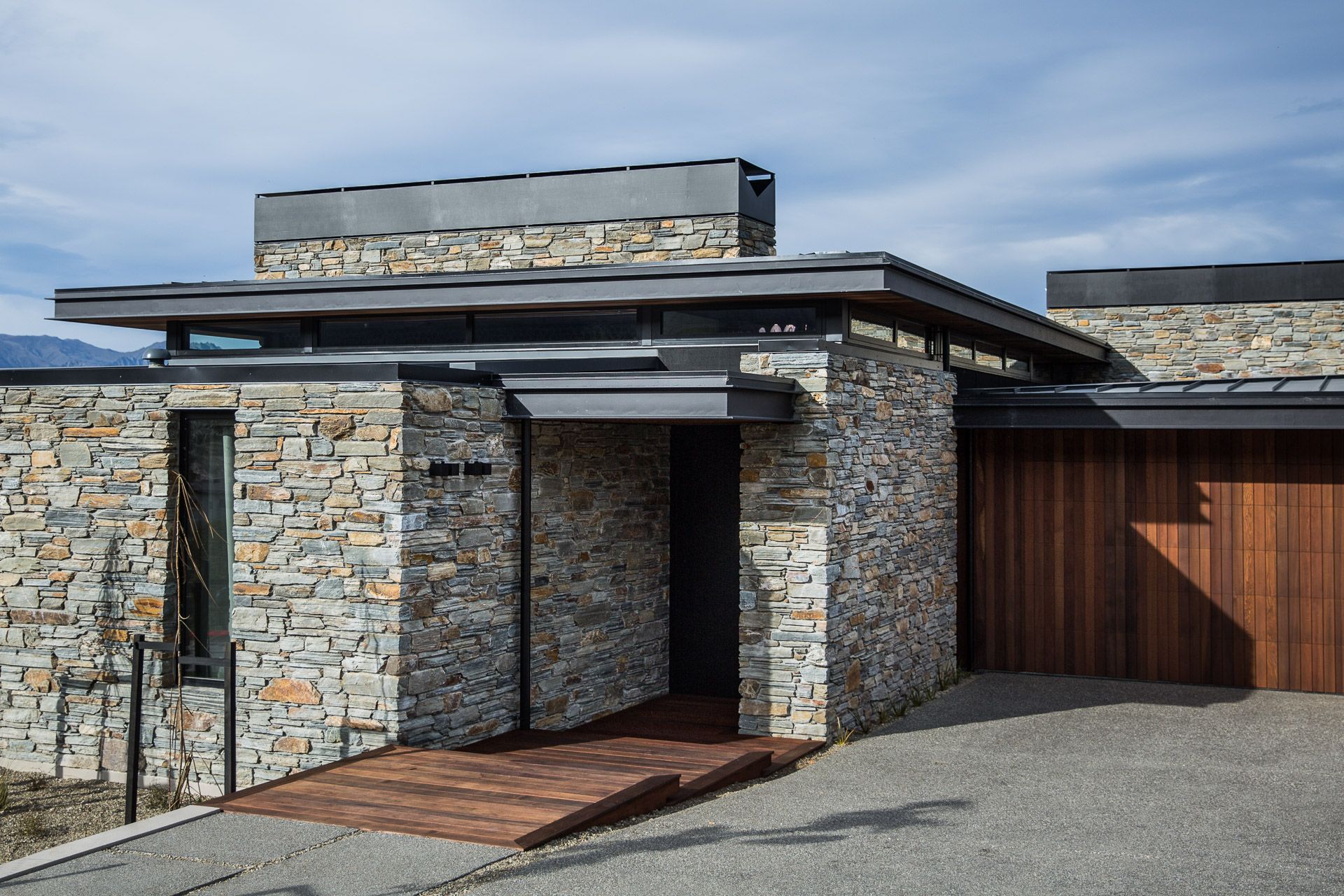
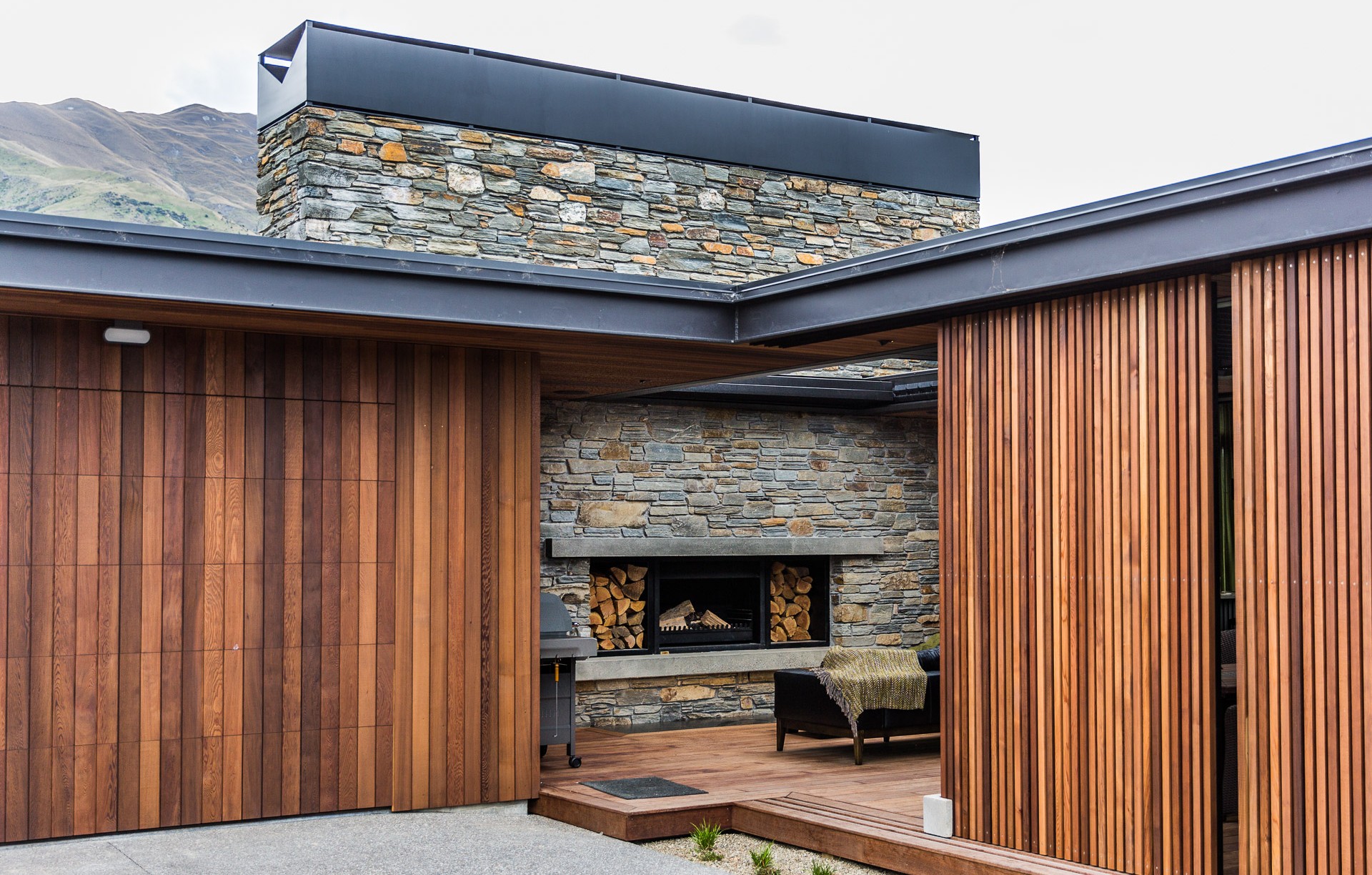
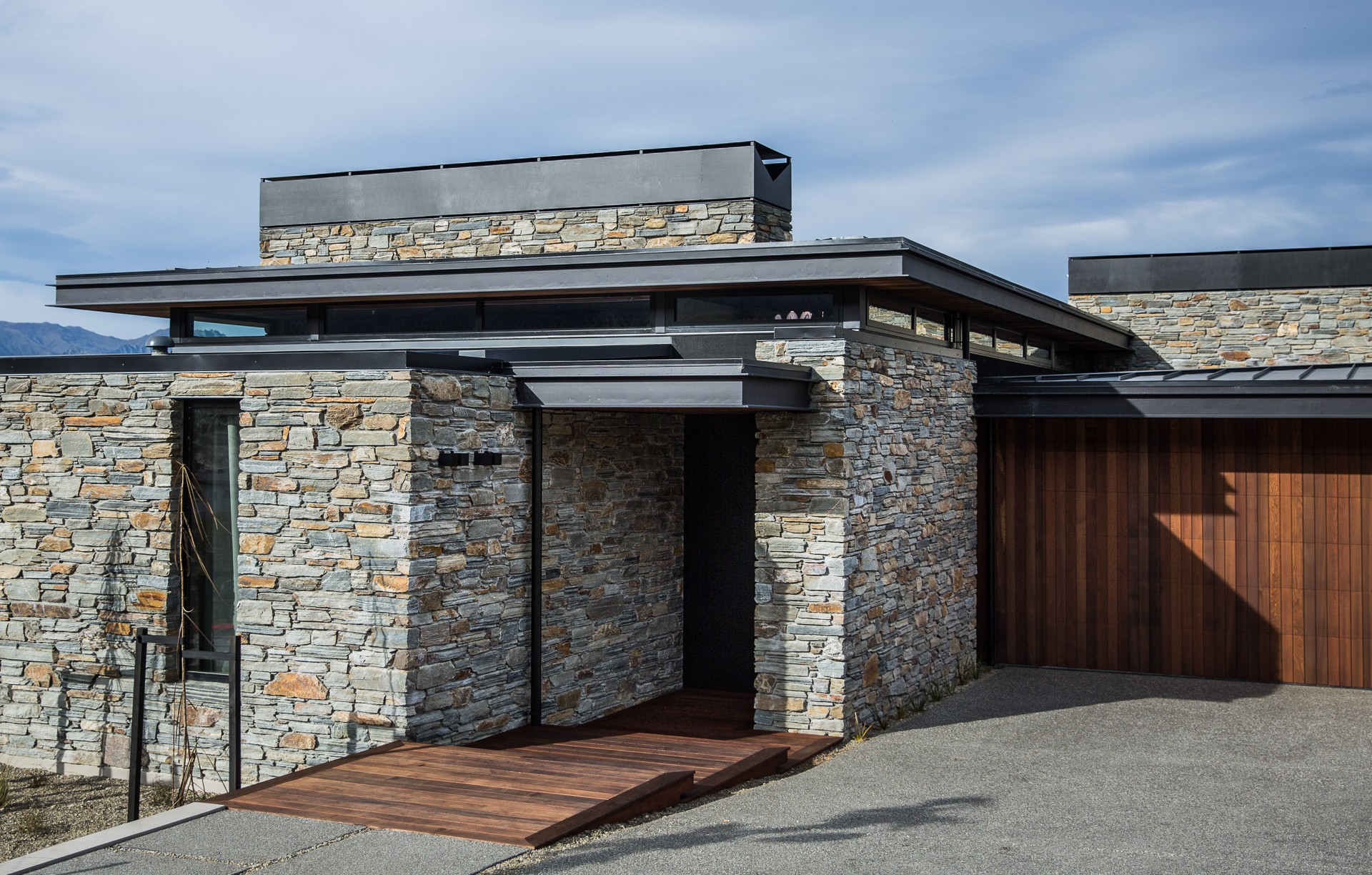
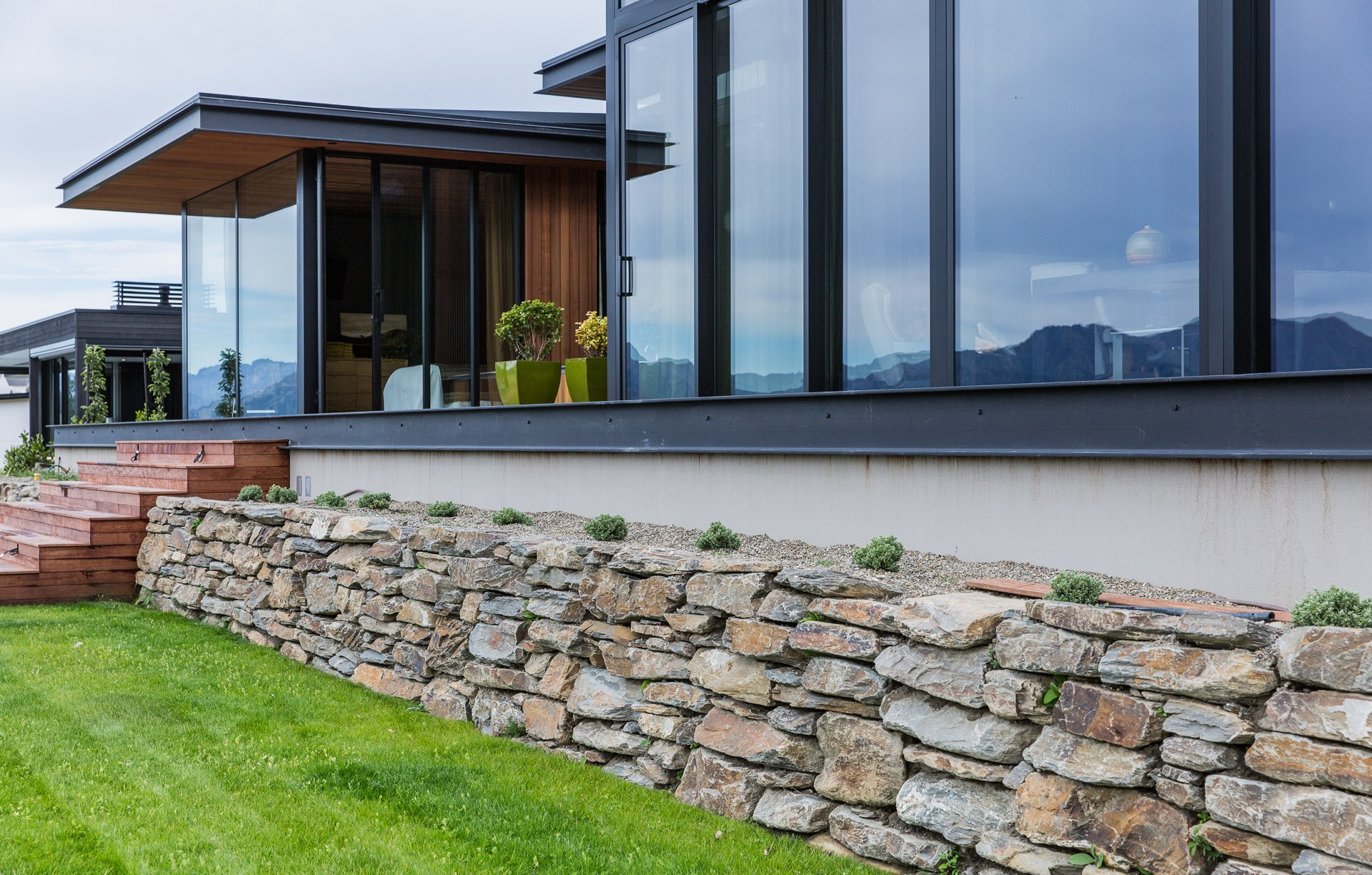
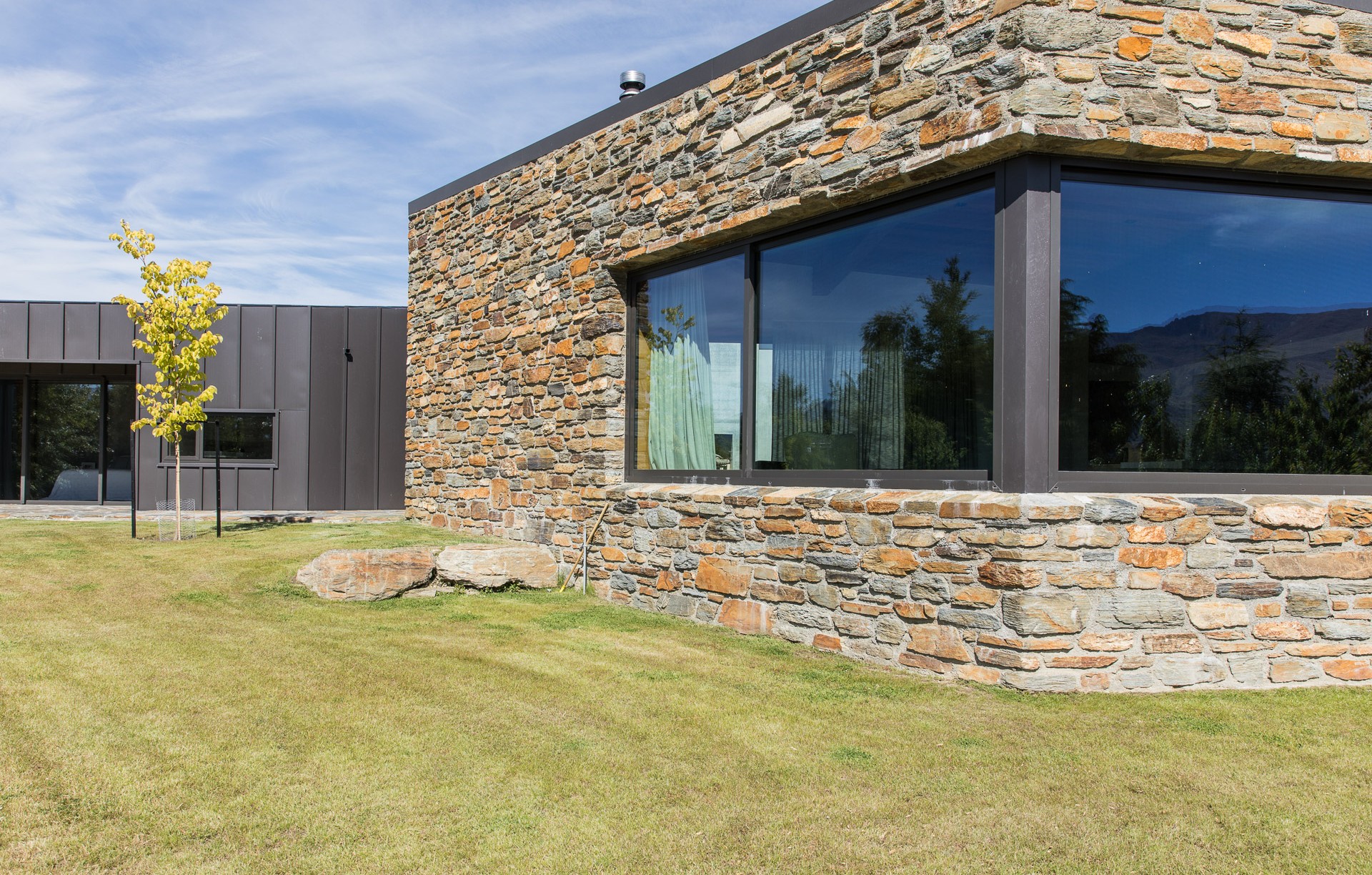
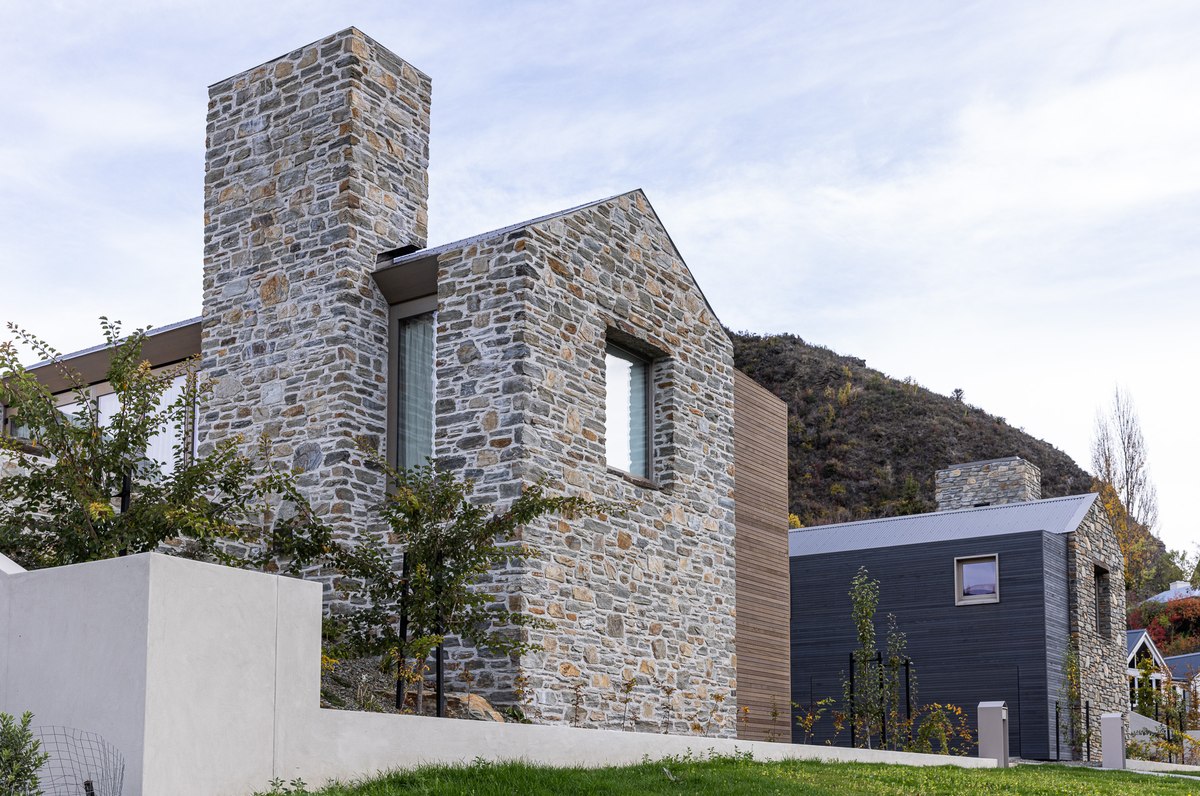
Wanaka Stone Ltd provides schist stone from the Cluden Stone Quarry since 2014 near Tarras and Poolburn Stone Quarry located in the Ida Valley, the heart of Central Otago. Cluden Stone is known for its earthy blue-grey and golden brown tones while Poolburn Stone is quintessential Central Otago schist with steely greys and plenty of brown, bronze and russet tones. Stone has been used for decades as a permanent cladding and to create beautiful features in homes and commercial buildings. It is low maintenance, timeless and distinctive.
Wanaka Stone Ltd provides a professional service that operates fully licenced and permitted operations ensuring a consistent and reliable supply. Using cutting edge technology – imported guillotines with 24 cutting teeth – we are able to deliver top-quality schist and value for money.
Locally Sourced – Eco-Friendly
Schist is a naturally formed building material with limited mechanical inputs, resulting in minimal carbon footprint. Massive quantities of rock are constantly forming and reforming in nature. The quantities extracted by us are negligible when compared to natural erosion rates.
Style Choices
Choosing your schist style: Step By Step Guide
The exciting thing about choosing schist is that there are so many style options. Here’s a step-by-step guide to help you to narrow down what’s best for you.
1. Choosing Your Stone
Poolburn Stone is synonymous with Central Otago schist, it is the colour and texture of stone used by early settlers to build Central Otago. The stone has been used for decades around the district for commercial and residential projects. The attractive blend of grey and brown tones brings warmth and solidity while blending seamlessly into the landscape. We can separate these colours or combine to create unique stone for every purpose.
Cluden Stone is well known for its amazing variation of greys and golden-brown tones. We work hard to blend the different colour bands to provide an interesting array of colours in every order, however we can also produce orders with a higher proportion of specified colours if you wish.
Poolburn Blend: Mixed colour stone has a blend of grey and brown stone. The ratio of the blend changes depending on the location in the quarry. The various tones of brown and grey blend together to create a dramatic and quintessential Central Otago stone that is instantly recognisable.
Poolburn Grey: Poolburn has a wide range of grey tones, the lighter grey tones have occasional streaks of brown while the steely blue-grey stone is a rich mid grey tone. The blue-grey stone has an attractive mica sheen and can occasionally green minerals can be seen in the blend.
Poolburn Naturals: Poolburn naturals are richly toned, mostly rectangular shaped and full of rustic charm. The stone has natural corners making it a pleasure to lay. Deep browns to beige tones with with occasional grey and rusty quartz streaks.
Cluden Blend: This is our most popular colour selection, this mix blends old and new colours including light to dark grey, blue-grey, charcoal and occasional natural gold and browns.
Cluden Grey: We select a range of grey tones that creates a deeper, less varied look. Quartz streaks and occasional brown tones still occur.
Cluden Naturals: We collect stone straight from the quarry with no guillotine used. The faces are rustic, more irregular and mostly brown with flashes of gold, grey and warm cream colours.
We can cut the stone to any width, but our most popular widths are 150mm or 180mm. The 150mm width is most suitable when transport is a significant factor, or where space is limited. The wider 180mm width allows for longer and taller pieces of stone which is particularly popular for the bagged style (see style guide).
2. Choose the Amount of Grout
The stacking style is determined by the amount of grout that remains visible. The stacking style has a dramatic effect on the finished appearance of the work, in some cases completely changing its character. Narrow joints can complement the look of the stone and provide a ‘solid’ appearance, while wider gaps can emphasise the individual stone elements.
Dry Stacked (Tight Stacked): Stone is tightly stacked with no grout visible. This is a very popular style that harks back to ancient dry stone walls and showcases the stone. Genuine dry stacked walls contain no grout at all, however this is not possible when cladding a building, but the dry stacked style provides a very similar look.
10mm Joint: Traditional finish for stacked stone walls with a regular 10mm gap grout gap between every stone both horizontally and vertically. Grout can be left flush with the stone or raked (recessed) to create a gap giving a more natural appearance.
Wide Joint: A more rustic appearance where the joint (gap between stones) is widened to show more grout. This can allow the grout to become more of a feature with tints, different mixes of sand size and colour or white cement.
Bagged or Rendered: This is a popular contemporary look that originated from traditional stonework. A very wide gap is allowed between stones and filled with grout to achieve the desired finish. Grout can be altered with different coloured sand and cement. The stone can be partially covered or carefully left exposed resulting in distinctive finishes.
3. Decide if you like the mortar recessed or flush
The finishing touch given to the visible mortar is referred to as ‘pointing’.
Raked: Recessed (or raked) stone has the mortar gently brushed out of the joints. This creates more shadow and texture in the wall.
Flush: Flush finishes have the mortar level with the stone or even partially covering the stone.
4. Decide on Mortar Colour
Where grout is visible, dyes and coloured sands can be used to create a wide range of mortar colours. Stonemasons will generally lay stone using standard mortar and then carefully mix batches of coloured mortar to point the wall.
Grout colours that complement the stone tend to create a more unified, ‘solid’ appearance, whereas contrasting grout colours can emphasises the individual stone elements and be used to ‘break-up’ the look of a solid surface.
5. Finally you should choose a Stonemason
We are proud to work closely with a range of superb stonemasons and are always happy to recommend quality stonemasons throughout New Zealand. The New Zealand Stonemason Association (http://www.newzealandstonemasonsassociation.co.nz/) have a list of member stonemasons also. When choosing a stonemason ask to see examples of their previous work, preferably in the same style you have chosen.
Stone Terminology and Glossary
Stacking stone: Refers to stone that has been shaped (in this case with a guillotine) for use as a cladding, it has a relatively flat top and bottom which are at right angles to the guillotine face.
Corner stone: Corner stones have two natural or guillotine cut faces which is are at right angles to create a piece suitable for using as an edge piece.
Natural: A flat faced stone which has not been cut, the flat face has occurred naturally.
Face: is the surface that is exposed when the stone is set into the wall. Generally the guillotine cut face is used although occasional natural faces can create texture and colour variation.
Courses: Are the horizontal layers of stone, these must be keep horizontal. Generally every 3-4 course is continued at the same level through the wall.
Joint: Is the space between any two stones in a structure. Every wall has joints between courses and every course has joints between stones.
Running Joints: Occur when the joints in a series of courses fall along the same vertical line. It’s important to avoid creating these as they weaken the stone structure.
Dry stacked Walls: are built using only stone, gravel and backfill material. No mortar or cement. They are usually double sided and slope slightly (around 5-10 degrees) to increase stability.
Footing: The foundation of the wall which is usually created in concrete. It is important to have a sturdy footing for long term stability.
Cap stones: or coping Uppermost stones on wall creating a strong cap, these should be relatively flat and be some of the largest and heaviest stones in the wall
Churching (cams) upright stacked cap stones
Raked joints: Mortar is brushed out of the joint to create a naturally stacked appearance. The recessed mortar allows more shadow which increases the texture of the wall.
Mortar: Is a mix of sand, cement and water used to bind the stone together, and can be used to add decorative colour or texture.
Grout: See mortar description.
Pointing: Pointing is the process of applying the final grout or mortar between the stones in a wall or paving area after the stone is laid. Pointing is often done with a coloured mortar or grout to create a rendered or bagged look.
Dye Mortar can be mixed with dyes to create a specific look, darker or lighter grouts make the stone stand out.
Why Choose Stone
Benefits of stone and why you should choose Wanaka Schist: Schist is Low Maintenance, Timeless & Contemporary.
- Natural and Interesting – The varied texture and patterns of schist naturally add value to your property by breaking away from man-made, mono-clad surfaces.
- Versatile – Anything from elegant accents and focal-points to walls, paving, landscaping or entire buildings.
- Permanent and Low Maintenance – Low whole-of-life cost compared to man-made products that might be cheaper to install, but require ongoing maintenance or renewal.
- Instinctual – Since the dawn of mankind we have been drawn to stone, as we are to fire and water. First we lived in rock caves, then we created stacked stone shelters and over the millennia we perfected modern stone masonry techniques. Humans today are still instinctively attracted to the unique feeling of strength and solidity that stone provides.
- Bring The Outside Inside – break up sterile internal surfaces with the natural look and feel of schist.
- Ecologically Friendly – schist is a naturally formed building material with limited mechanical inputs, resulting in minimal carbon footprint. Massive quantities of rock are constantly forming and reforming in nature, so the quantities we use are negligible when compared to natural erosion rates.
- Thermal Mass –Stone strategically placed inside buildings can be used as thermal mass sinks, retaining heat and slowing the rate at which the space loses heat when the sun is gone.
WHY CHOOSE WANAKA SCHIST?
Some of the many reasons our clients keep coming back and why they refer their friends to Cluden Stone Quarry:
- Unique Colours– Wanaka Schist is a unique phyllitic schist, with an amazing variation of colours that vary from weathered browns and golds through to grey-blue. We work hard to blend the different colour bands to provide an interesting range of colours in every order, however we can also produce orders in specified colours if you wish.
- Carefully Quarried– Our Central Otago quarrying operation includes a number of permitted areas that contain millions of tonnes of rock. We carefully drill into the seams of rock and use explosives and heavy equipment to extract large blocks of schist. These are transported to our cutting area where they are selected by our skilled staff to be turned into stacking stones, paving, or other uses.
- Great Shapes– Our specially imported Italian guillotine allows our skilled staff to accurately split blocks of Wanaka Schist into usable stacking stones. Each piece varies in size with random shaped edges and interesting textures and colours. Wanaka Schist also lends itself to making paving stones as it naturally cleaves into thin but strong, smooth layers when hand hewn.
- Exceptional Value– We pride ourselves in ensuring each piece of Wanaka Schist is cut to the highest quality. This provides an excellent yield (metres laid per tonne) with minimal wastage and reducing freight and handling costs.
- Responsive– We listen carefully to your brief and our whole team work to realise your chosen style. We coordinate with you and several transport companies to get your stone to you promptly and competitively priced.
- Wide Product Range– We supply a range of products that look great on their own, or even better when they complement each other – stacking stones, paving, walls, landscaping and gravels.
- Operating for over 30 years – Cluden Stone Quarry has been in business in since 1985 making it one of the longest established schist quarries in Central Otago. We meet all licencing, permitting, and OSH requirements.
About Grant & Lucy Middendorf
Grant & Lucy Middendorf:
Husband and wife, Grant and Lucy, bring together the perfect skill-sets to successfully operate Wanaka Stone Ltd.
Grant grew up in Queenstown and left to join the NZ Army where he spent over 10 years in the Engineers Corp (RNZE). During this time he trained and earned his Quarry Manager COC and explosives licences. Grant has over 20 years of experience of drilling, blasting and operating heavy machinery in quarries and mines around New Zealand, Australia and the Pacific.
Lucy, a qualified geologist, worked in the NZ mining industry and spent a number of years working in Australia, Armenia, and the Philippines. Lucy is also a qualified Quarry Manager COC and manages the various compliance aspects of the business . She has a passion for stonemasonry and enjoys the opportunity to operate a small business as part of the local community.
Quarrying and producing quality stone through the baking summers and freezing winters of Central Otago is hard work. We’re grateful for the support of our staff who share our dedication to producing high quality, carefully cut Cluden and Poolburn Stone.
FAQs
What thickness is the schist walling stone?
Standard cuts are 150mm or 180mm, the wider the stone is front to back the longer and taller each each piece will be and the less time it will take to lay.
Can you cut thinner or thicker than this?
We can cut thicker, but 150mm is the narrowest we cut. The narrower the stone (front to back) the smaller the pieces become and 150mm is as narrow as we can cut while maintaining a quality product.
We can arrange to have the schist diamond cut as thin as 40mm to create a lightweight veneer suitable to be fixed onto any wall with no additional foundations or bracing.
This lightweight veneer is particularly good for adding stone during renovations.
How far ahead of time should I order my stone?
The quarries can be very busy at different times of the year with orders. It is best to order schist early in your build process to avoid waiting, especially in the spring and summer. We try to keep stock of our most popular products so call to see what is available.
I am planning to renovate and already have Cluden Stone or Poolburn Stone on my house, can you match existing stonework?
We will do everything we can to match the existing stonework. It is best if we can do a site visit or get some photos showing the existing stone and we may need longer lead times to be able to select the stone as we cut. There can be variations in colour at a quarries even over a relatively short timeframe.
If I plan to do my project in stages can I order my stone incrementally?
Yes, you can however we may not be able to colour match perfectly. It is best to order all your stone at the same time, even if you will complete the job in stages.
Can you recommend stonemasons to lay Wanaka Stone?
Yes, we work with selected stonemasons throughout New Zealand and can recommend quality stonemasons in almost all regions.
I am an architect or designer looking for specifications for schist cladding, do you have any information I can use?
Yes, please contact us for technical information.
Do I need an engineering sign off for schist cladding on my building?
In most instances yes, schist is heavier than regular cladding and therefore foundations and bracing must be approved by an engineer. For straightforward cladding designs, specific engineered design is relatively quick with minimal cost.
How Wanaka Schist Stone Is Formed
Otago Schist formed around 200 million years ago during the Jurassic when plate tectonics forced sandstones and volcanic materials to be buried deep in the earth. The resulting high temperatures melted some minerals and realigned them into the linear and platy schist rock that is a distinctive part of the Otago region. This lineation is what makes our Schist so ideal for cutting.
Uplift and erosion has removed the softest rocks, leaving hard and stable rock in place for us to harvest.
The distinctive earthy shades of grey and brown has formed through the separation of different minerals into layers creating beautiful variations in tone and shade that is unique to Wanaka Schist.
Having already survived millions of years in the harsh Otago climate Wanaka Schist will last longer than almost all other materials used in building or landscaping.
Our Quarries
Cluden Quarry
Cluden Stone Quarry has been part of the Wanaka landscape for many years. The quarry is a short 35 min drive from Wanaka, located in the Lindis Valley on Cluden Station. The quarry has supplied the local community with building stone for decades.
Cluden has two active quarry areas. The original quarry has been operated for more than 25 years, the newer area supplies quality retaining rock as well as the very popular dark blue-grey walling stone.
The quarry is open to the public where it is possible to select your own paving, feature stones and crushed schist gravels.
Poolburn Quarry
Poolburn Stone Quarry located in the Ida Valley, in the heart of Central Otago has been operated for more than 3 decades. The quarry is well known for the rich browns and warm grey stone available.
Located on Ida Valley Station, 40 minutes from Alexandra, Poolburn Stone Quarry is surrounded by towering tors (rocky outcrops) and wide open spaces. This area is remote and extreme, experiencing some of the hottest and coldest temperatures in New Zealand.
Our team thrive in this inhospitable environment, shaping the stone to exact specifications and welcome visitors to site to experience the true Central Otago environment
Get in touch
Business details
- Category:
- Manufacturers and Suppliers
- Business focus:
- Residential & Commercial
- Verified ArchiPro member since:
- 2018
- Award winning professional:
- 1 award
Reviews about
Wanaka Stone
Professional Reviews