When The Material Changes, The Intent Doesn’t Have To

Written by
21 September 2026
•
2 min read
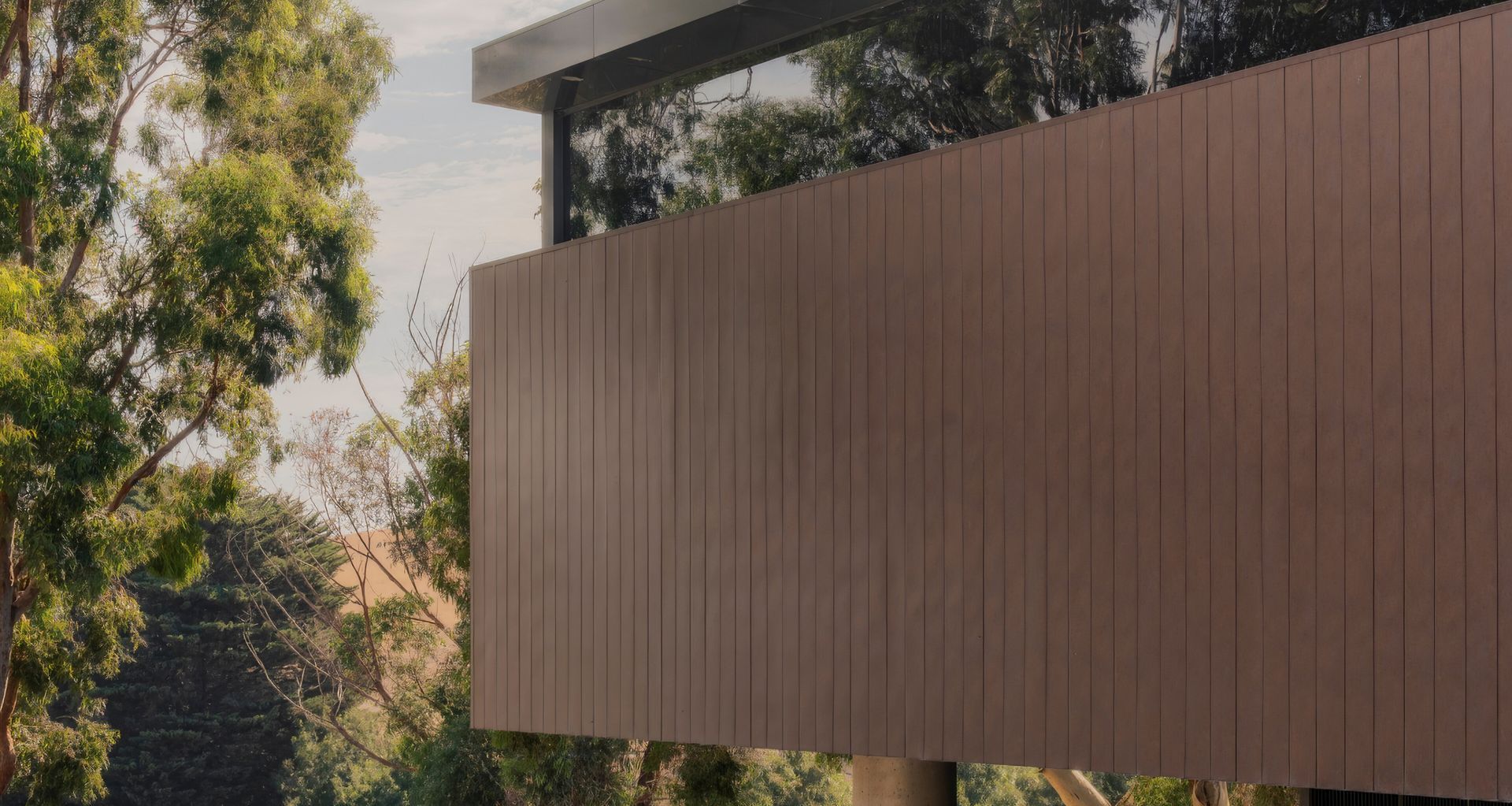
Material intent rarely survives a project untouched. A facade conceived in timber, zinc or copper can encounter budget pressure, environmental constraints or maintenance considerations long before it reaches site. The question becomes how much of the original architectural idea can remain when the material itself changes.
That tension sits behind the next chapter of UniCote® LUX, with INSPIRE giving ArchiPro an early look at its refreshed Signature Collection ahead of its October launch.
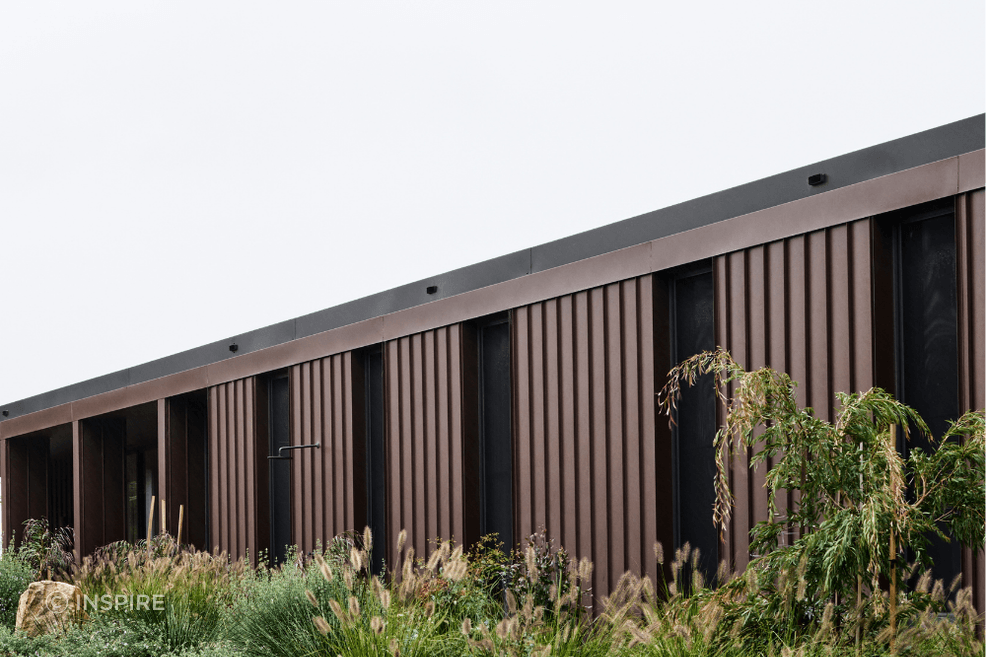
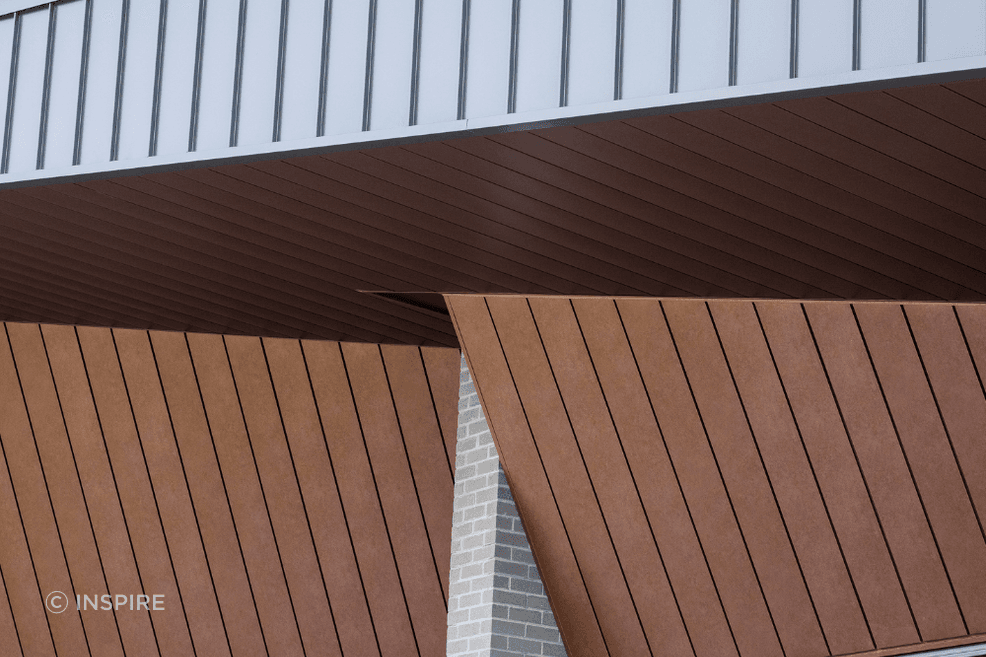
Rather than simply expanding the range, the collection has been reconsidered following conversations with architects and industry professionals about where greater choice and material expression were needed. The result is 11 finishes organised around four familiar architectural languages: Timber, Corten, Zinc and Copper.
Existing favourites Maple, Ashwood, Corten Red and Weathered Iron remain.
They are joined by seven new finishes: Beech Wood and Charred Timber; Aged Zinc and Anthracite; and an entirely new copper family comprising Brushed Copper, Rustic Copper and Burnished Brass.
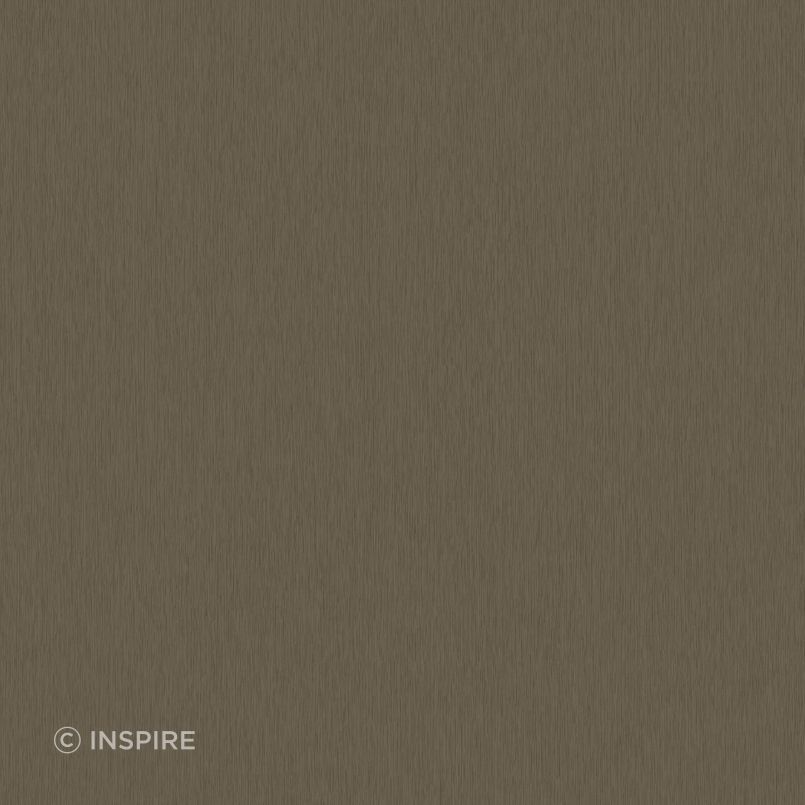
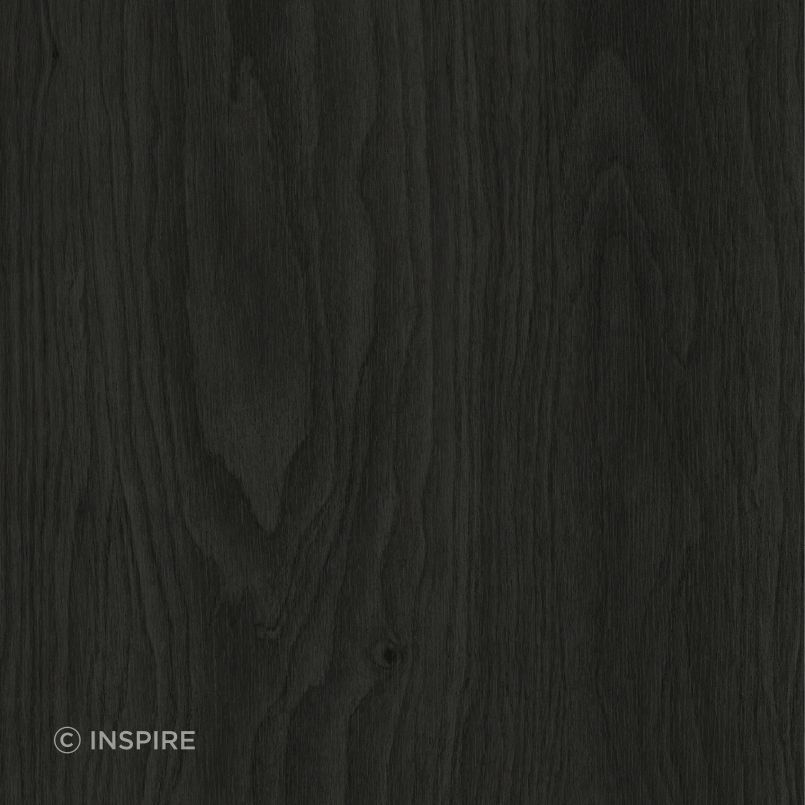
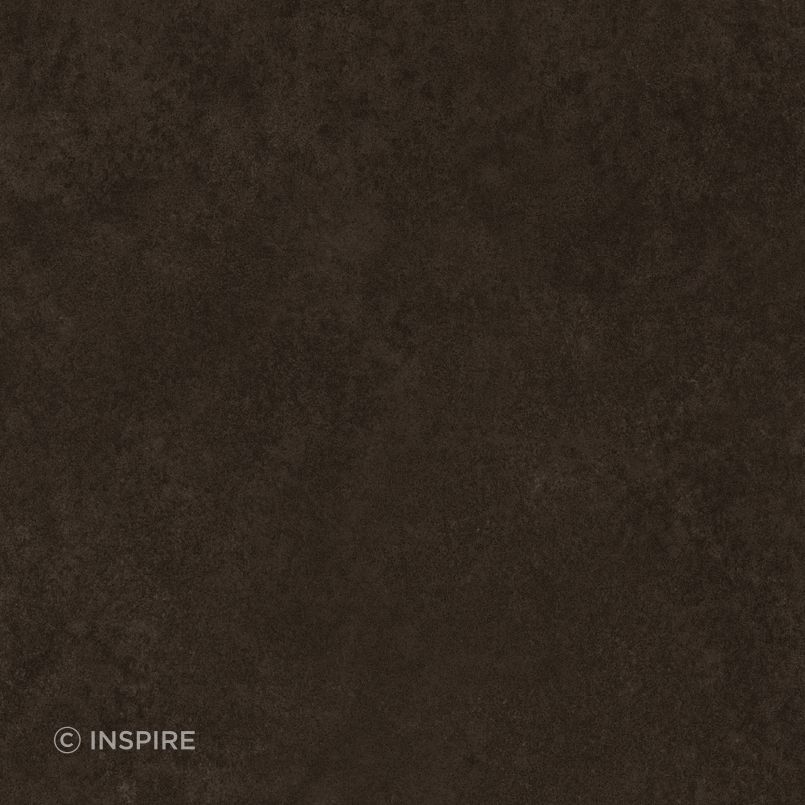
The idea is not that patterned steel and natural material are interchangeable. It is about offering another route to the colour, movement and character that may have informed the concept in the first place. A timber expression can travel into conditions where natural timber may not be preferred; a zinc-led façade language can potentially survive value management; copper-inspired finishes introduce warmth and patina without requiring copper itself.
In that sense, the most meaningful part of the refresh is not seven new colours. It is a broader toolkit for keeping material intent alive from concept to built form.
The refreshed UniCote® LUX Signature Collection launches this October, with physical steel samples to follow. Until then, explore UniCote® LUX on ArchiPro and browse the wider Metal Cladding category to see how material expression is evolving across contemporary Australian architecture.