Complete Guide to Curved Mouldings for Sophisticated Interiors

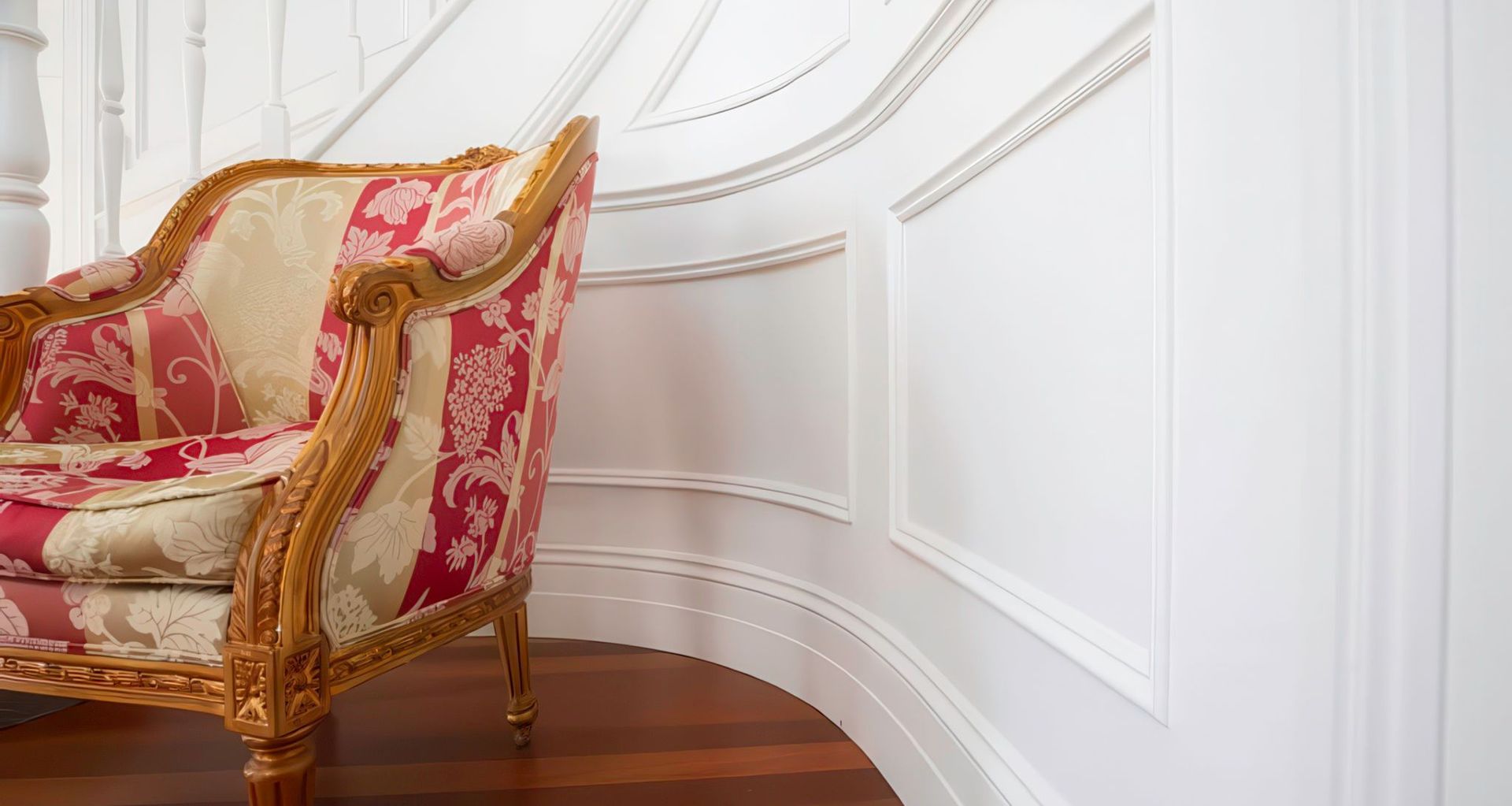
Engineered for flexibility, curved timber mouldings in Australia — including curved architraves, concave mouldings, and curved skirting boards — are the perfect solution for elevating complex spaces. Whether framing dramatic archways, accenting feature windows, or enhancing curved staircases, custom curved skirting and architraves add both craftsmanship and continuity to any interior.
At Intrim, we create bespoke curved mouldings that bring your design vision to reality. This guide will provide you with the information you need to specify mouldings on curved surfaces for your next project, from French Provincial manors to modern luxury apartments.
What are curved mouldings and where are they used?
Curved timber mouldings are specially constructed trims designed for use in curved spaces. This curved effect can be created in several ways:
- Using flexible polyurethane material
- Kerfing MDF to increase pliability
- Applying concave panelling to curved spaces
Unlike standard profiles, which are predominantly straight, angular, or flat, our flexible curved skirting boards and custom-made curved architraves are tailored to create smooth, flowing transitions in rounded spaces.
Both practical and aesthetically appealing, curved mouldings can accentuate architectural features or expertly conceal joints. The most common applications of curved mouldings are:
- Staircases and balustrades – ideal for following the natural sweep of stairways and handrails
- Entryways and hallways – perfect for emphasising elliptical arches to create inviting transitions between rooms
- Curved ceilings – beautiful accents to make focal points of barrel-vaulted, tray, or domed ceilings
- Rounded windows – bay window architraves add elegant detailing to feature windows
- Wall panelling – to create seamless continuity and make a feature of curved walls
Curved Skirting Boards
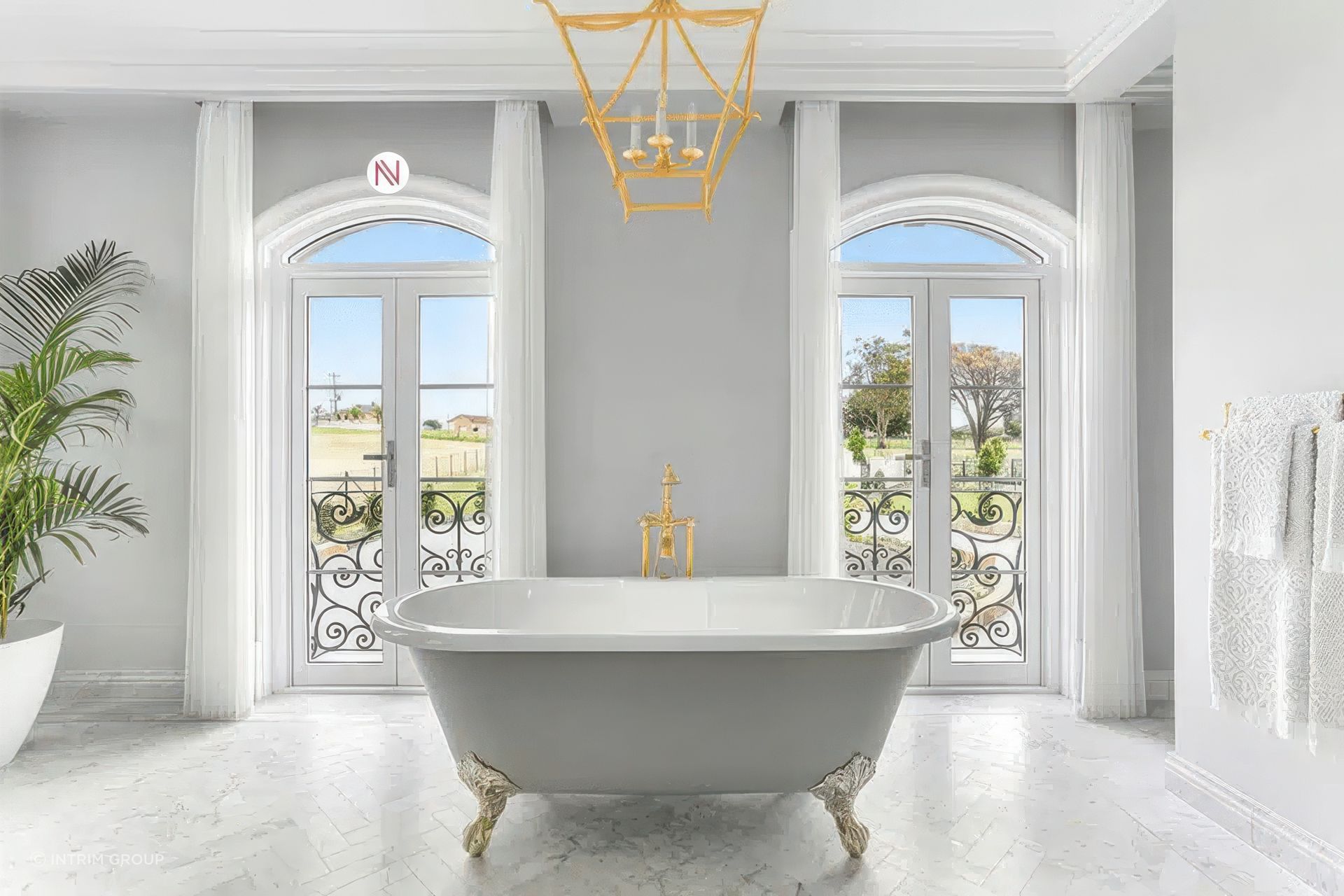
Choosing the best skirting board for curved walls takes your interior design to the next level. Perfectly moulding to the natural flow of curved walls, our flexible polyurethane skirting board material makes it simple to install skirting to curved walls.
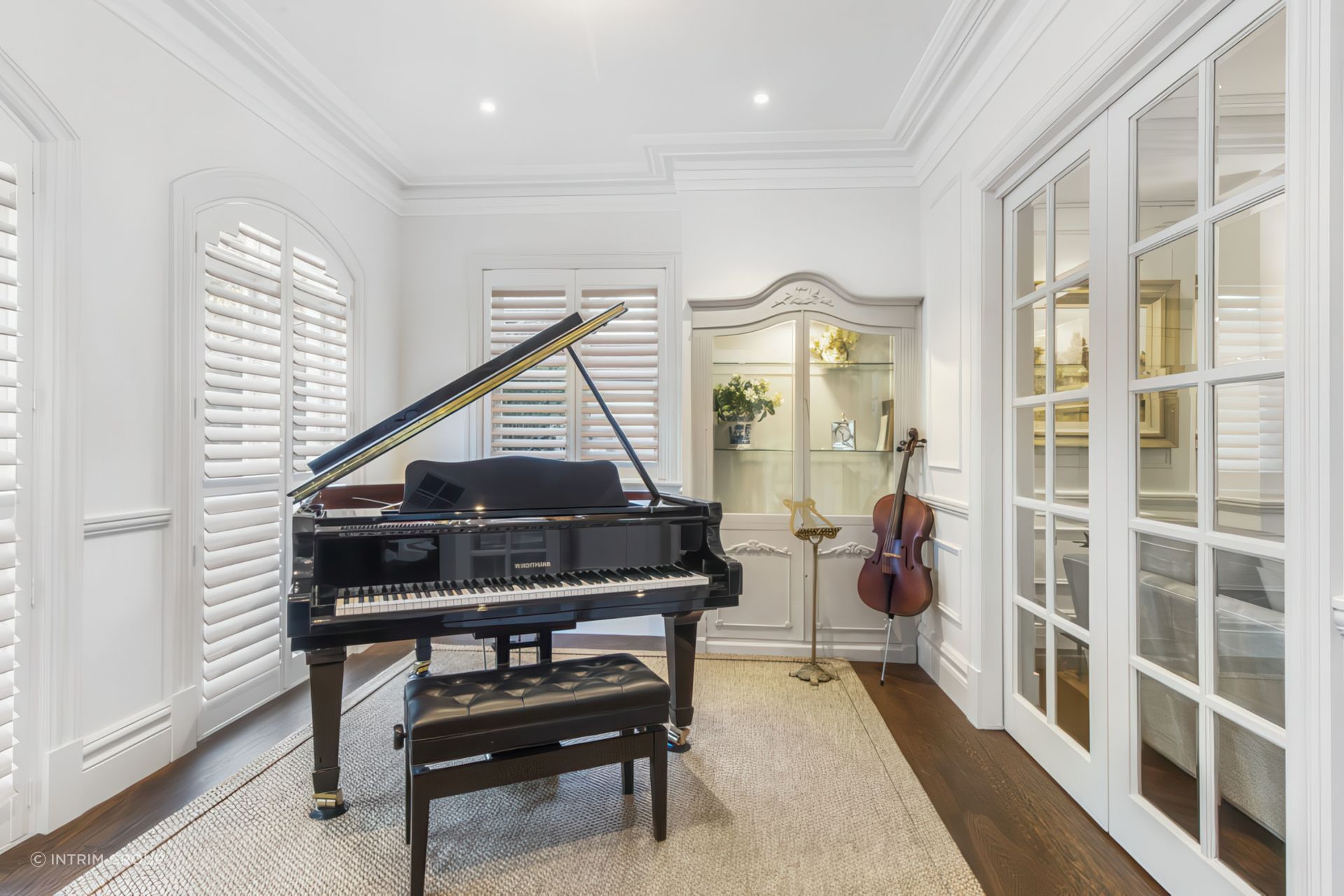
Popular Profiles: We can manufacture most profiles in a curved design using flexible and durable polyurethane. For modern contemporary interiors our Intrim Shadowline® skirting, which is manufactured in MDF, can be curved by kerfing. For a more classic style interior choose a detailed profile such as Intrim SK452 skirting board.
Curved Skirting Inspiration
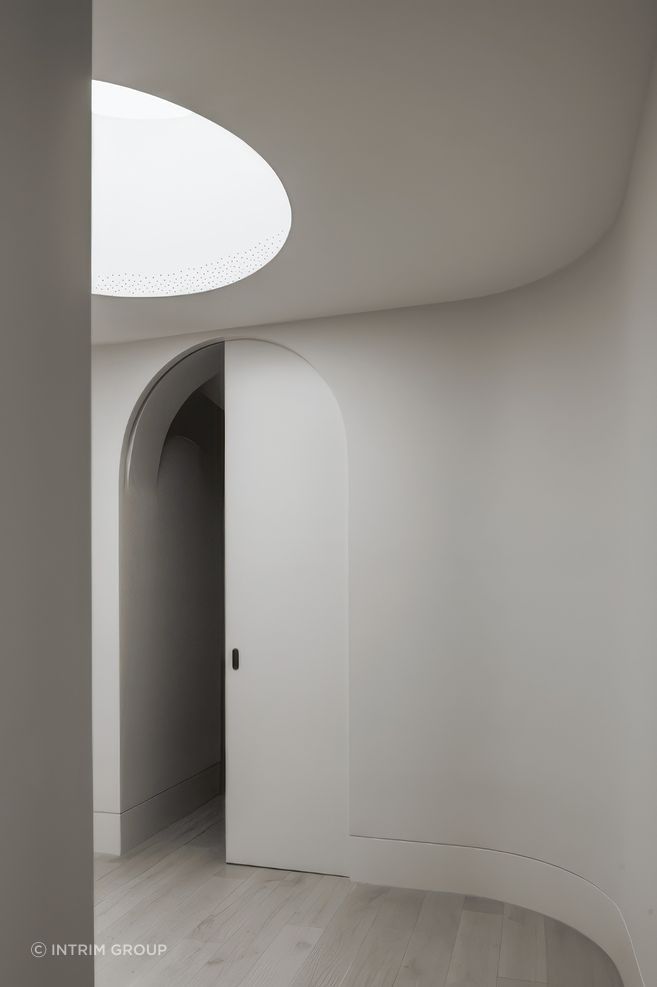
Inspired by the form, function, and flow of nature, the Willow Residences project, designed by BayleyWard and built by Minicon, exemplifies the effortless beauty and sophistication of curved architecture. Sleek, contemporary, and luxurious, this design uses Intrim Shadowline SK800B curved skirting to emphasise the gentle curves of shared spaces to create a beautiful, continuous flow throughout the building.
Minimum Radius Requirements for Curved Mouldings
When specifying curved mouldings, it’s important to consider the minimum radius each material can achieve. This ensures a smooth, professional finish and avoids stress or cracking during installation.
Minimum radius by material:
- 18mm polyurethane: minimum radius 400mm
- 24mm polyurethane: minimum radius 500mm
- 2mm MDF: minimum radius 500mm
- 15mm MDF: minimum radius 800mm
- 18mm MDF: minimum radius 1800mm
Flexible polyurethane is ideal for tighter curves, while MDF is best suited to larger, sweeping curves. Always confirm the radius requirements with your supplier to ensure the best result for your project.
The best option for curved walls is Intrim’s flexible polyurethane skirting, tested to bend to a 400mm radius. Supplied in 5.1m lengths, it creates a smooth, consistent finish on tight curves, staircases, and round feature walls with minimal joins. For a seamless result where curved and straight walls meet, make sure you order the flexible and standard skirtings at the same time.
Benefits of Curved Mouldings
Curved mouldings give your design scope and flexibility where traditional, straight profiles won’t work. From sweeping staircases to porthole windows to feature panelling, curved wall moulding enhances interiors in the following ways:
- Emphasises the visual flow between rooms and shared spaces
- Complements existing architectural form
- Gives the illusion of a larger space
- Adds a luxurious, bespoke feel to interiors
Which interior design styles work best with curved architraves?
Characteristically elegant, curved timber mouldings align best with interior design styles that value softness, organic shapes, or refined details. Our favourite styles for elevating with curves include:
- French Provincial – this style is all about curvaceous lines and elaborate mouldings to exemplify timeless, lived-in interiors.
- Classic and Neoclassic – curved doorway mouldings and skirting complement the ornate arches and grandeur of Georgian, Edwardian, and Victorian interiors.
- Contemporary/Minimalist – a warmer approach to sleek, clean lines, curved trim enhances the organic comfort of rounded spaces.
- Coastal – curves exemplify the relaxed, natural, and airy aesthetic of coastal interiors, softening the transition between outdoors and in.
Explore Intrim’s most popular styles for inspiration on interior design trends for 2025/2026.