Designing homes that support wellbeing every day
Written by
17 August 2026
•
5 min read


The wellness industry has transformed the way people think about health at home. As saunas, ice baths and dedicated wellness spaces become increasingly common features in residential architecture, architects are beginning to ask a more fundamental question. What if wellbeing wasn't confined to a single room, but embedded throughout the entire home? Rather than relying on one-off features, a growing body of thinking is exploring how orientation, natural light, ventilation, materials and new technologies can work together to create homes that genuinely support the people who live in them.
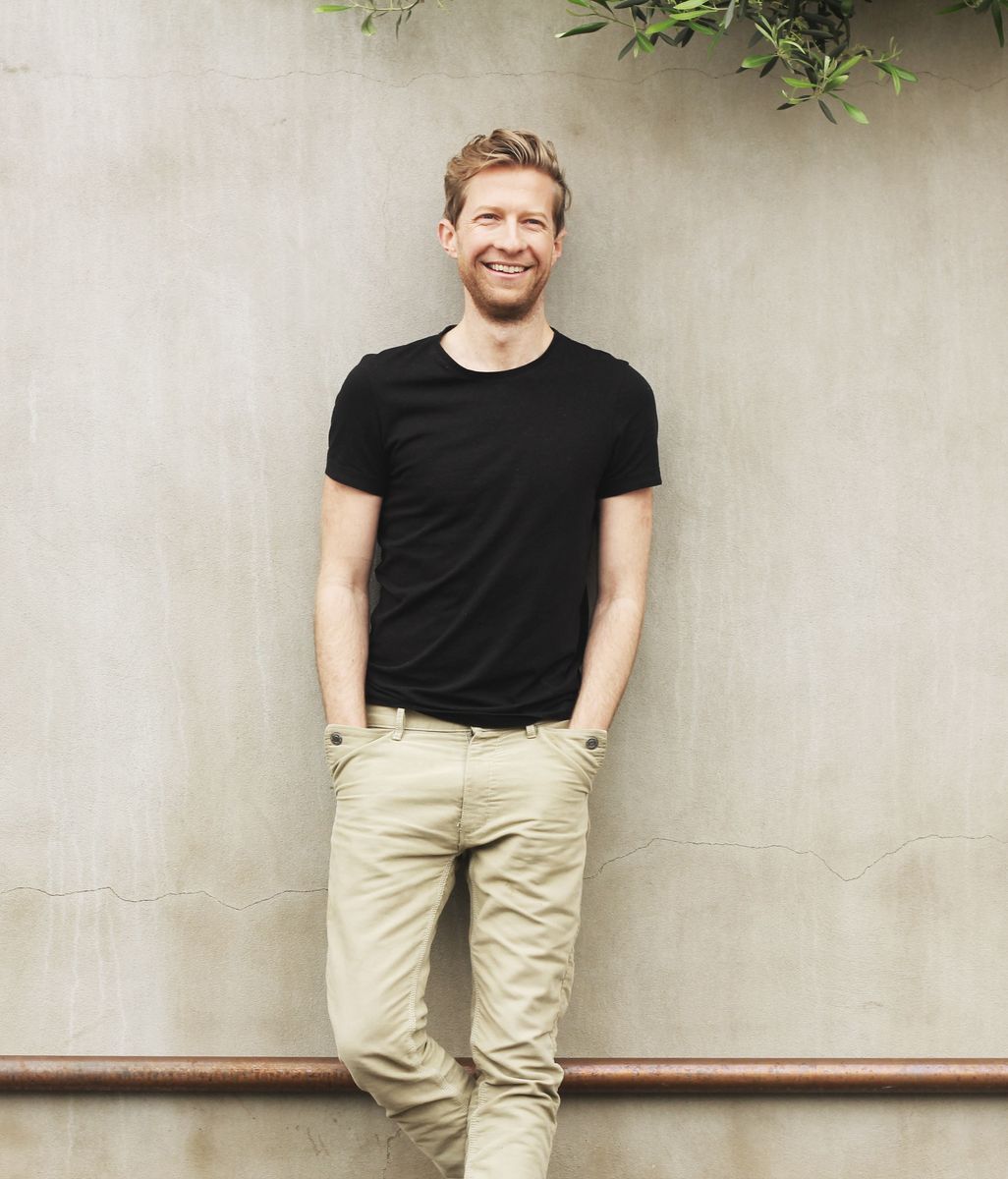
For Damian Goode, director of Hive Architecture, it is a conversation that is only just beginning. Rather than presenting wellness as a formula or a checklist, he sees it as an evolving area of design, where timeless architectural principles are being enriched by new research and technologies that could have a meaningful impact on everyday life.
"I love being part of creating balance or a counterpoint to how busy and connected life has become," he says. "It's a really interesting stage of design development because people are placing more value on these things now."
Start with the fundamentals
While the conversation around wellness is evolving, Goode believes the foundations of a healthy home have always been good architecture.
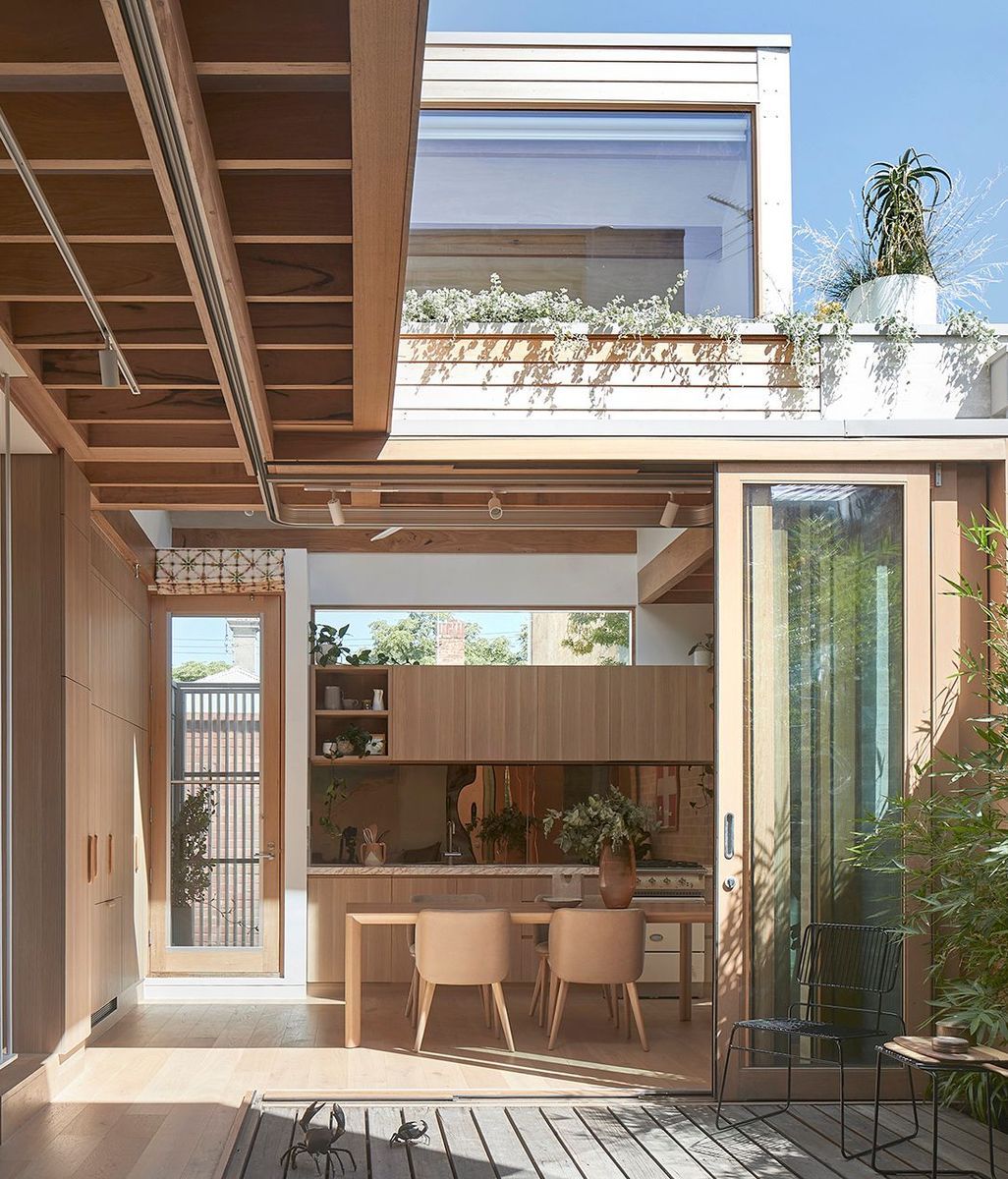
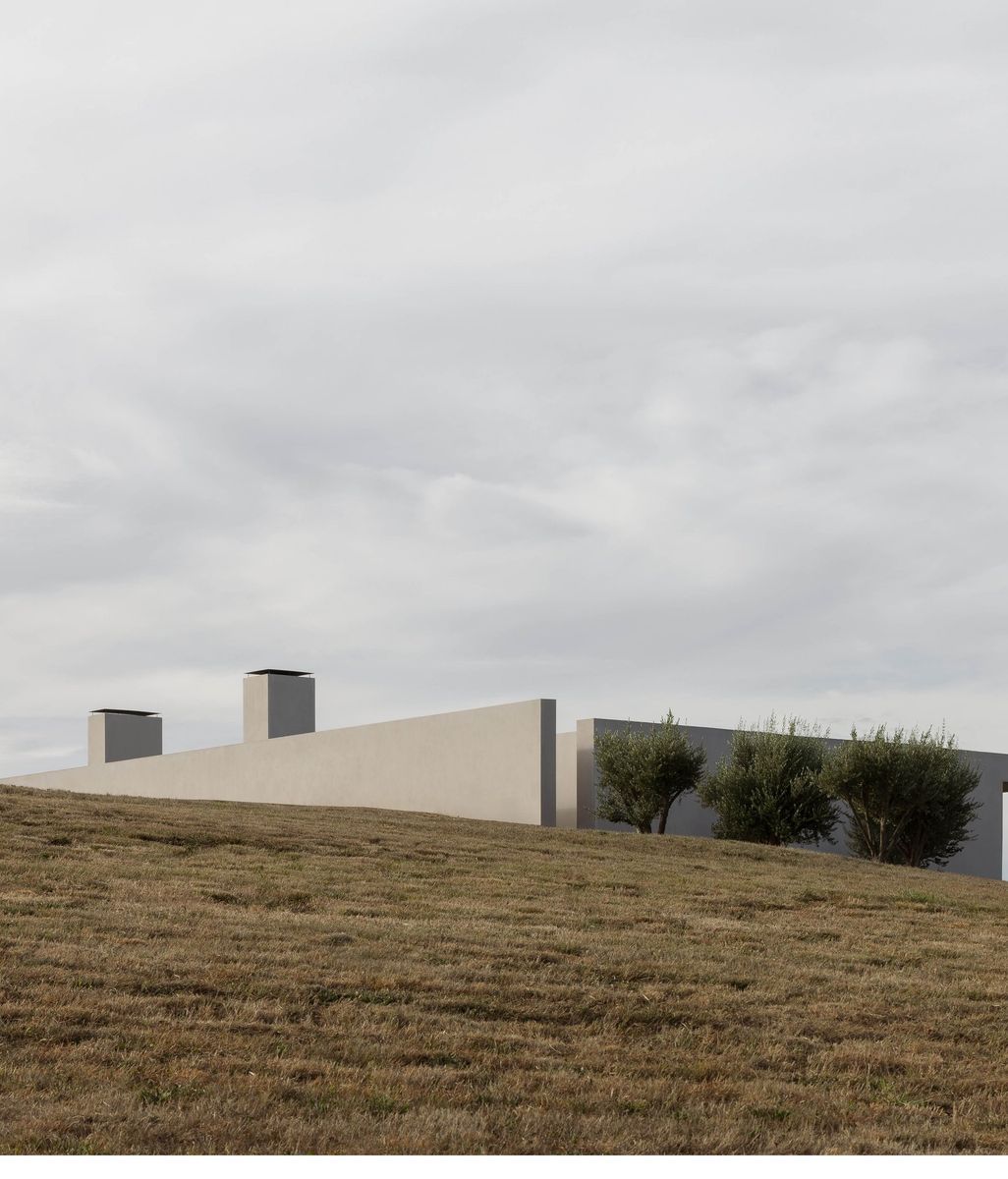
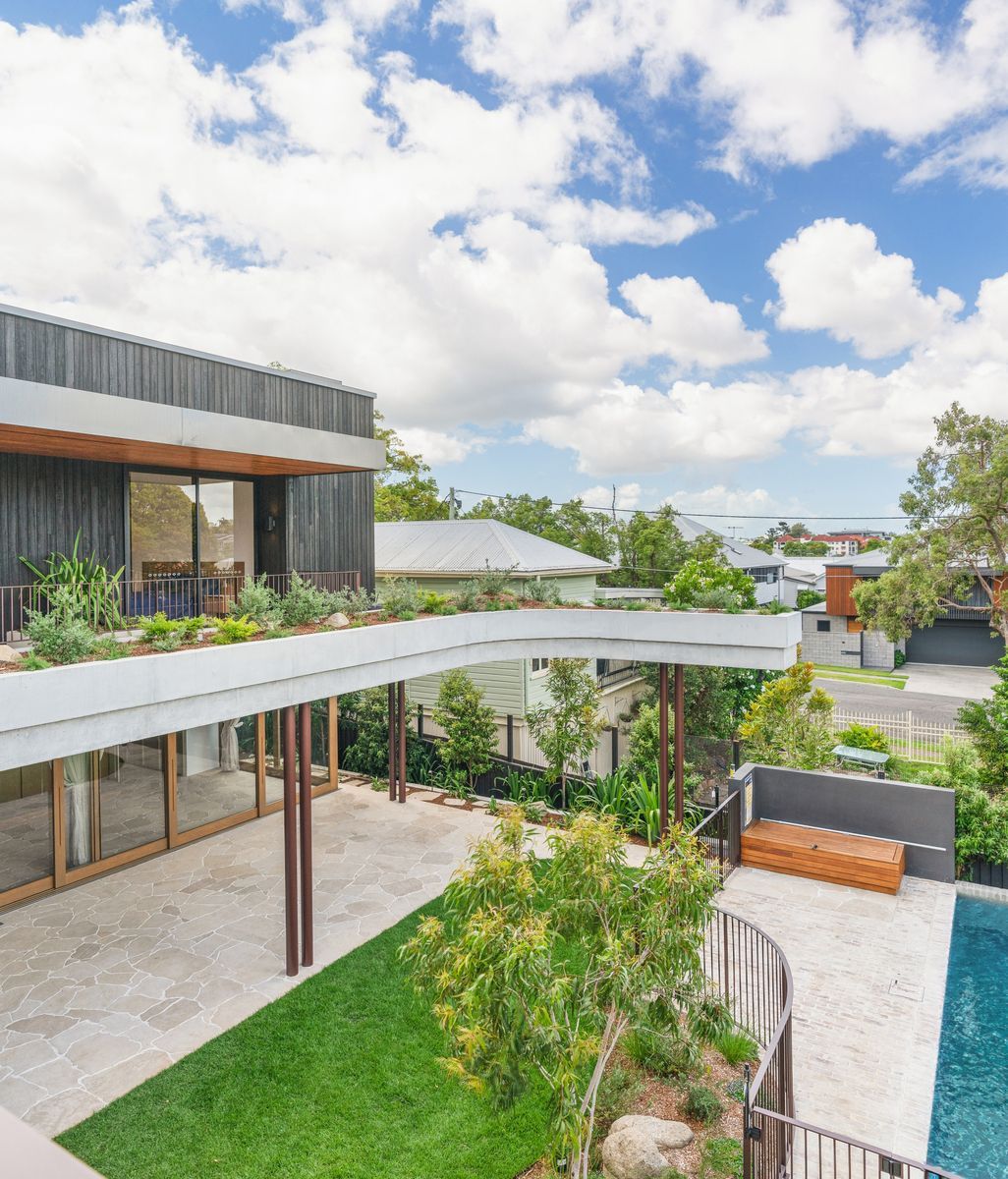
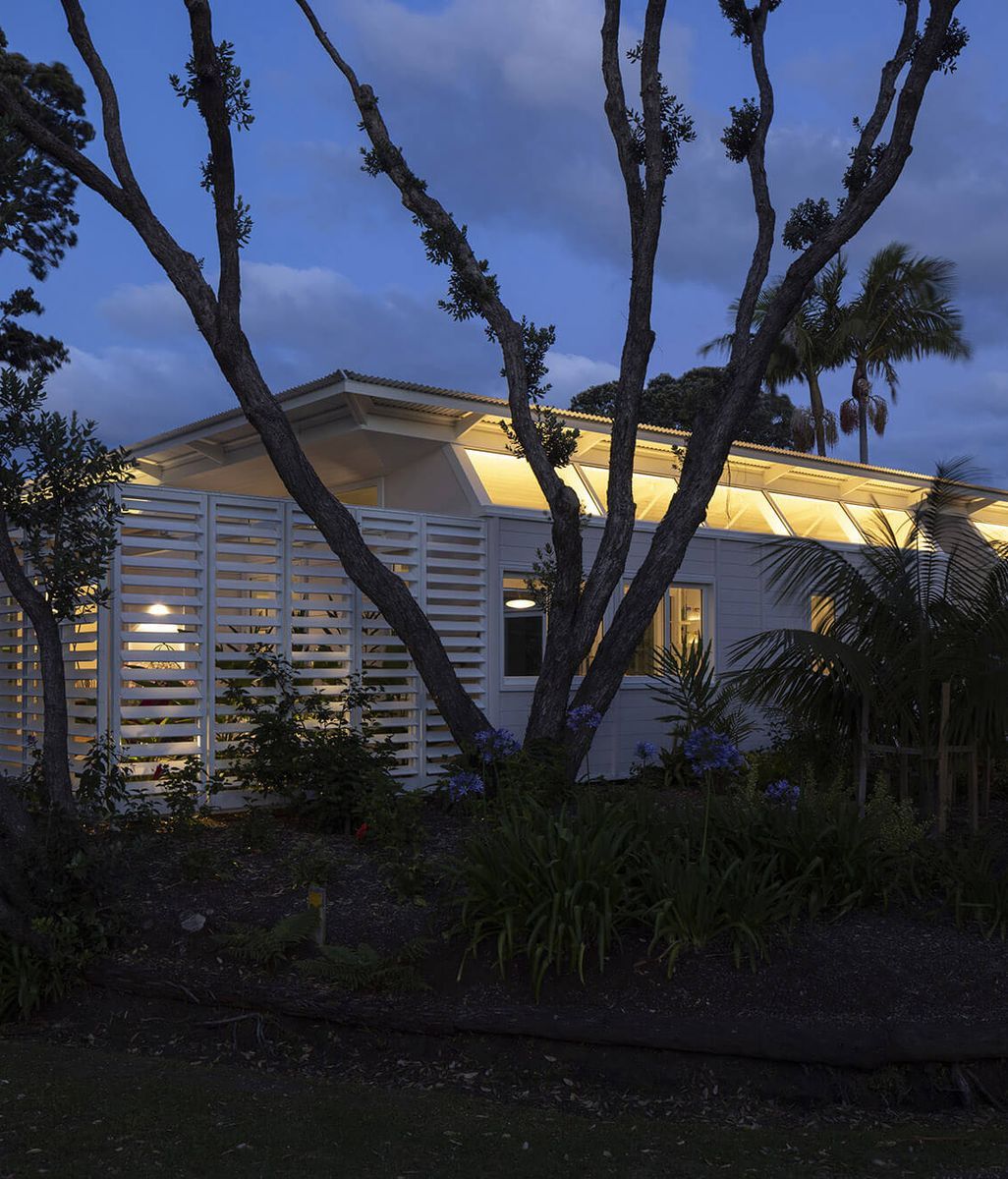
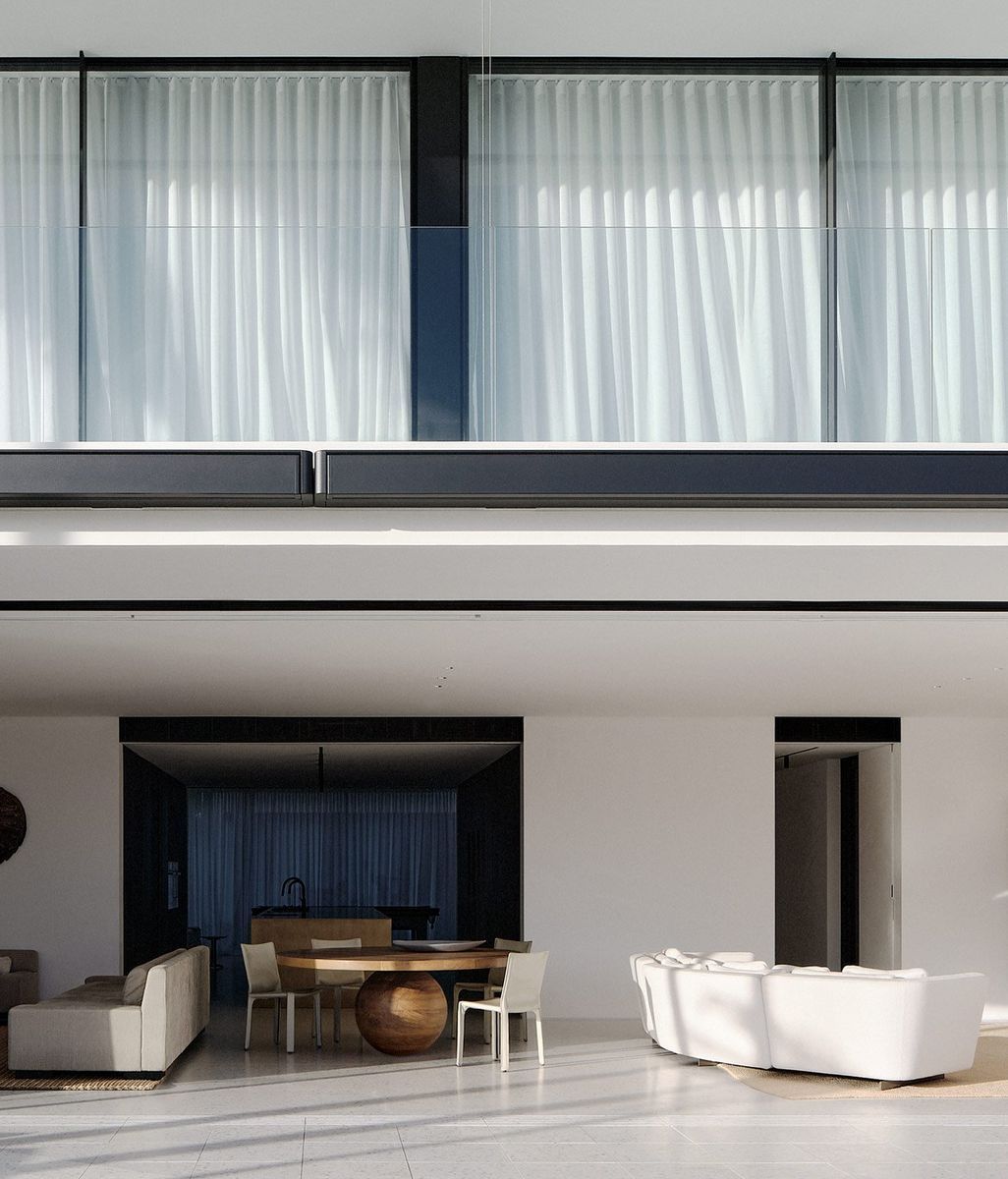
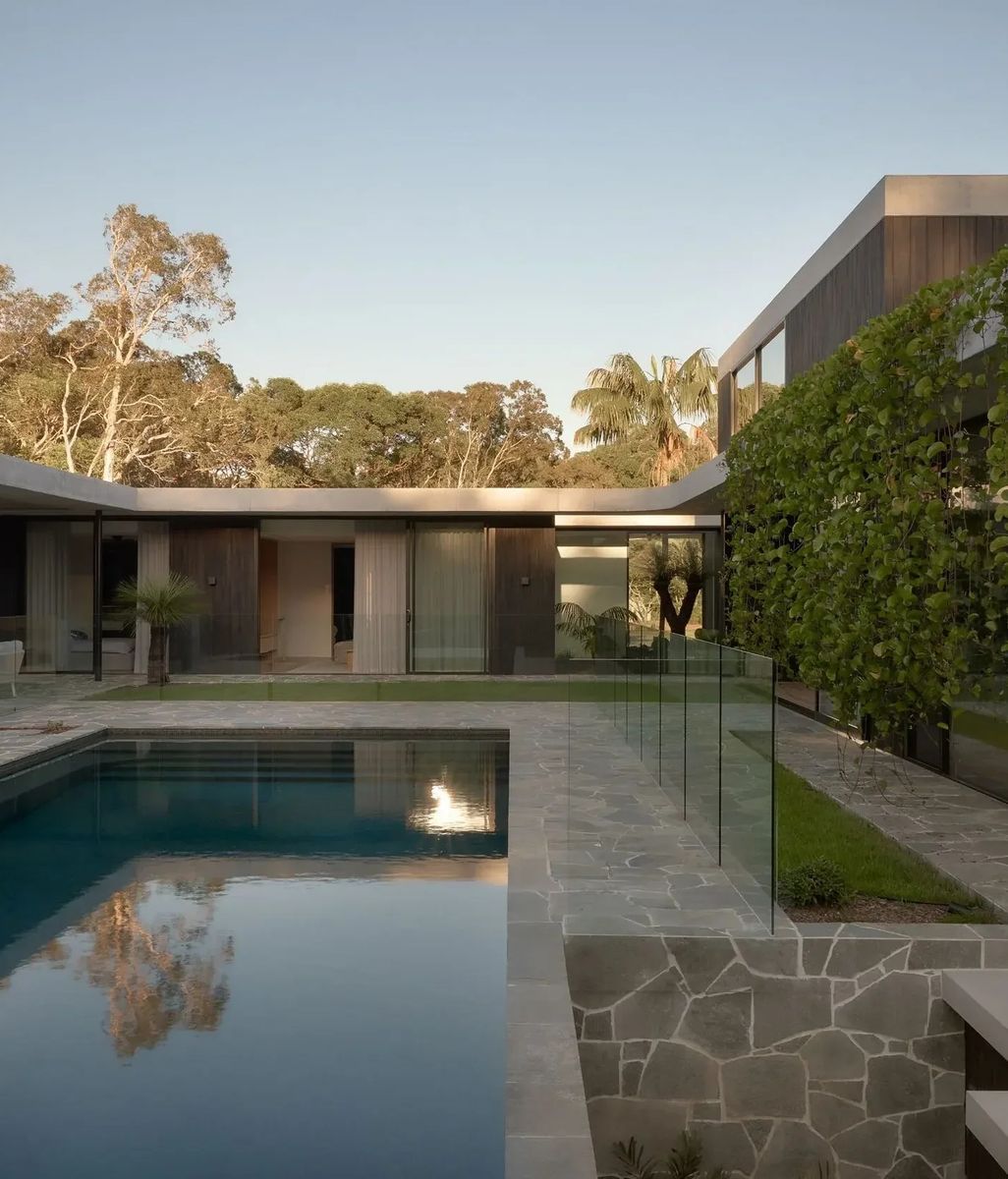
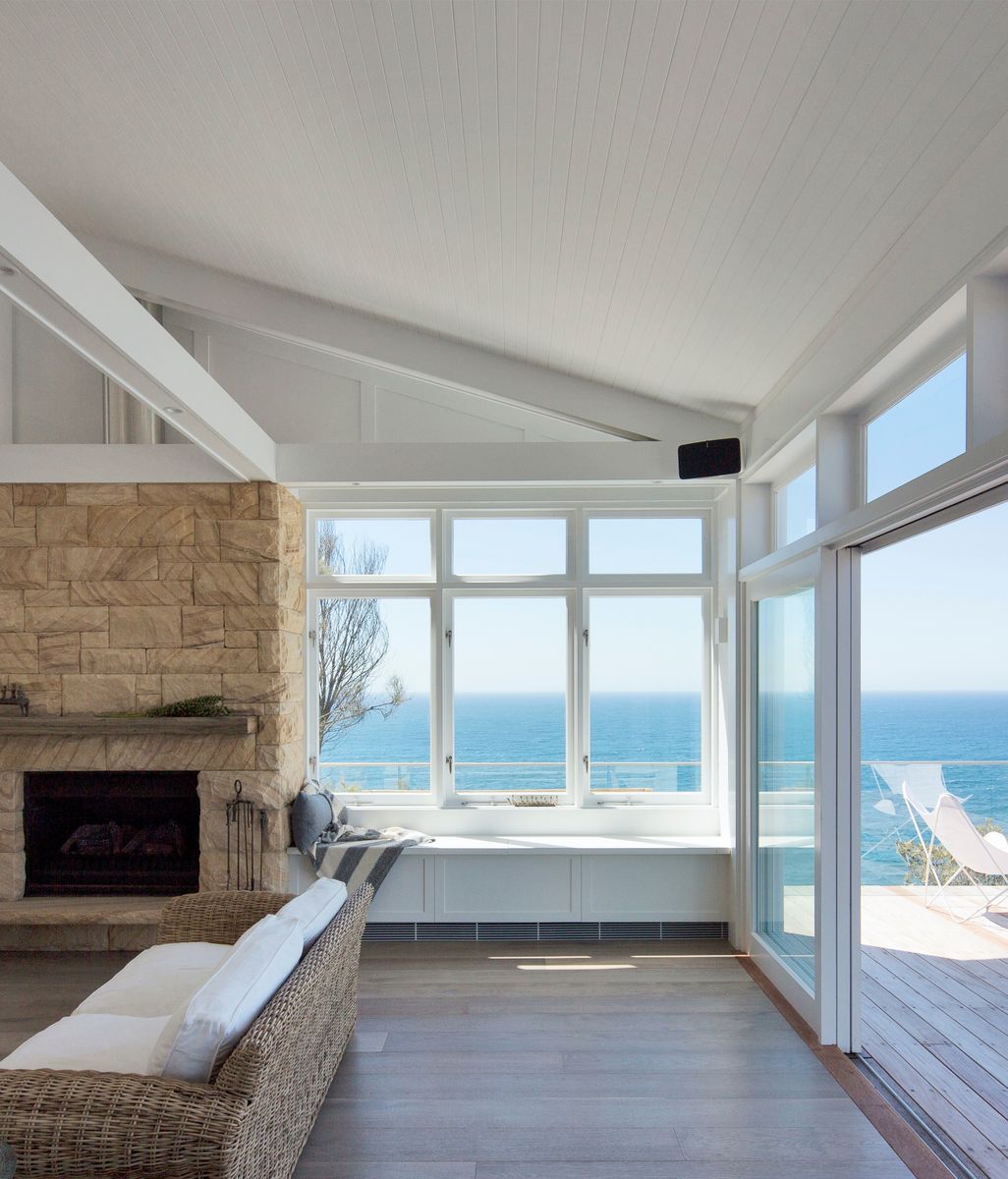
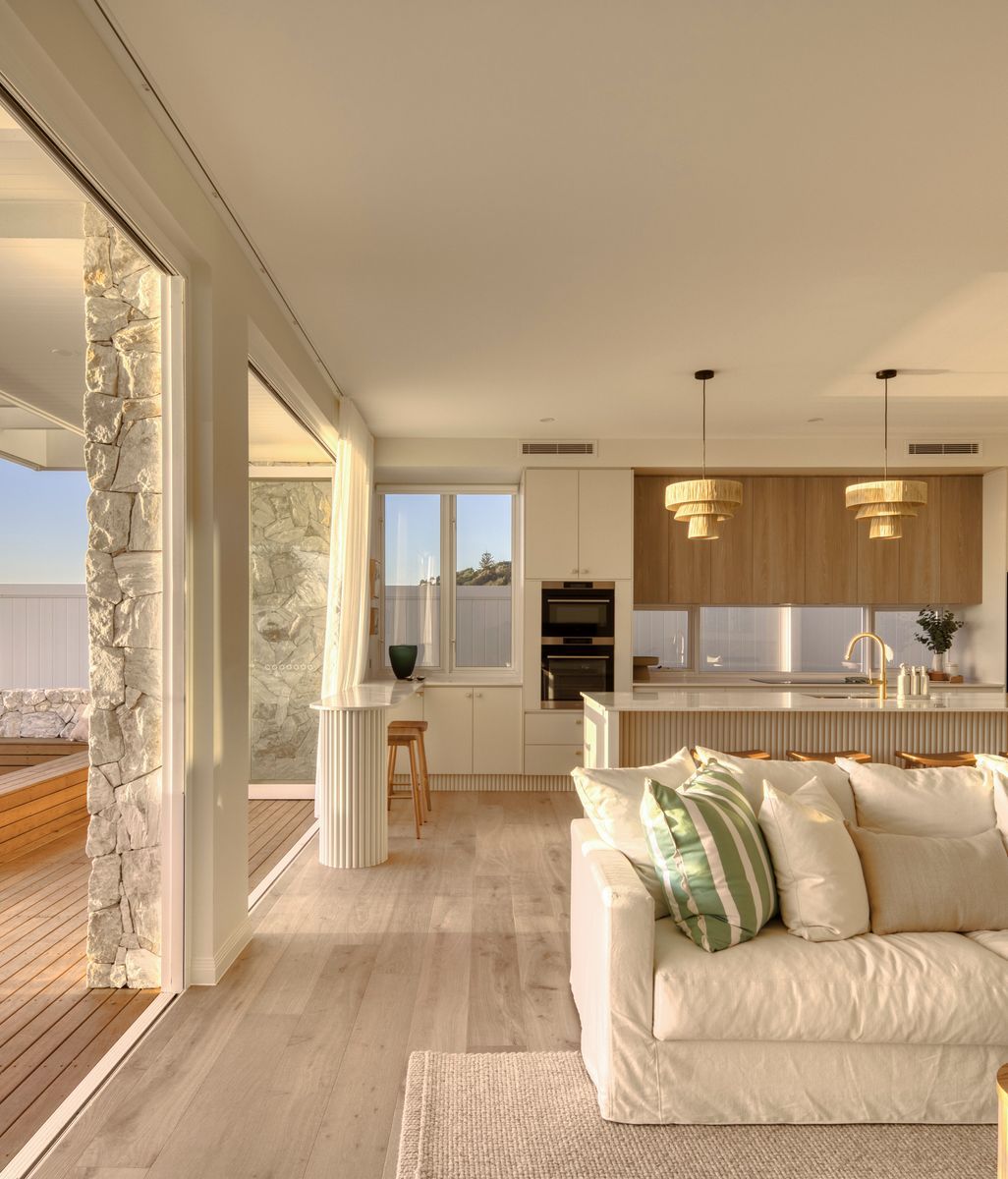
Long before technologies or specialist systems are considered, he begins by understanding the site's orientation, prevailing breezes and relationship to the sun. These early decisions shape how a home performs, influencing everything from thermal comfort and natural ventilation to the quality of daylight experienced throughout the day.
“The best homes are the ones shaped in partnership with nature. Ignore that relationship, and the design will always fall short.”
Sometimes that means embracing a site's constraints rather than trying to eliminate them. A west-facing living room, for example, might still be the right decision if the design carefully manages glare through shading or automated blinds. The goal is not perfection, but thoughtful balance.

The next frontier: healthier indoor environments
Beyond these fundamentals, Goode is increasingly interested in the invisible aspects of the home that may influence how occupants feel over time.
Air quality is one area he believes deserves greater attention.
"We found an air filtration system that can be added to a standard ducted air conditioning system," he says. "From what I've been reading, it has the potential to remove around 95 or 96 per cent of viruses and bacteria from the air inside the home."
While he stresses that he is still researching the technology, he believes these kinds of relatively simple interventions may become increasingly common as evidence continues to emerge around indoor environmental quality.
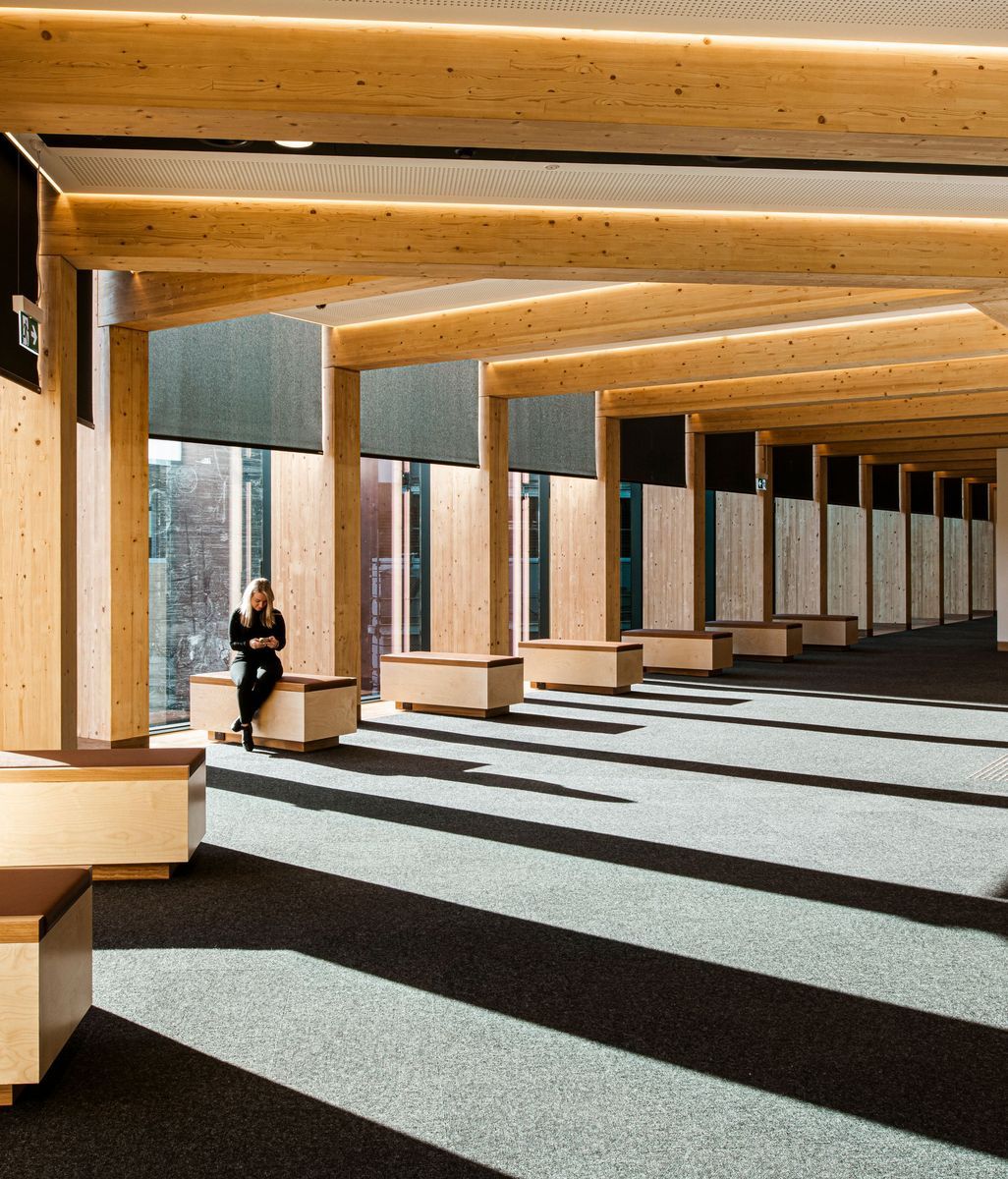
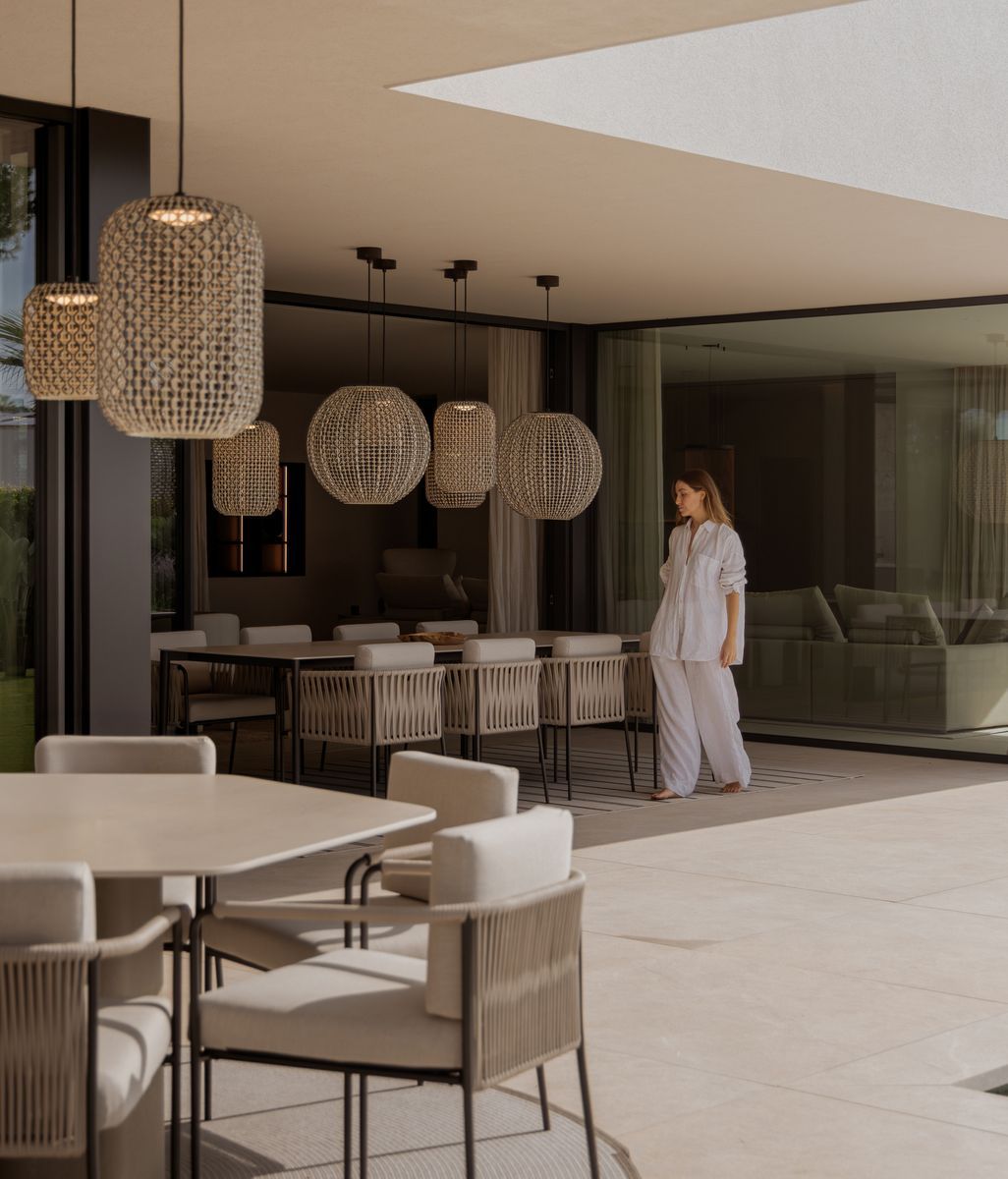
Lighting is another area attracting his attention. Beyond simply illuminating a room, the quality, warmth and distribution of light can shape how comfortable a space feels.
"Everyone complains about the glare from downlights," he says. "There are lots of subtle things you can do, like recessing fittings or layering softer lighting."
He is also following research into broader-spectrum lighting, acknowledging that while the science is still developing, architects have an opportunity to think more critically about how artificial lighting complements our natural rhythms.
Technology with purpose
For Goode, integrating wellness into architecture does not mean filling homes with complicated smart systems. In fact, he is cautious about technologies that add unnecessary complexity or quickly become obsolete.
Instead, he is interested in products that improve everyday comfort.
One example is infrared heating, which warms surfaces and objects rather than simply heating the surrounding air. Although he is still exploring its benefits, the principle reflects a broader shift towards technologies that work with the body's natural experience of comfort rather than simply achieving a target temperature.
"There are a lot of opportunities to incorporate healthier technologies into houses we may not have previously considered, he shares."

Designing for how a home feels
Not every wellness decision can be measured. Many are experiential, created through careful consideration of materials, texture and atmosphere.
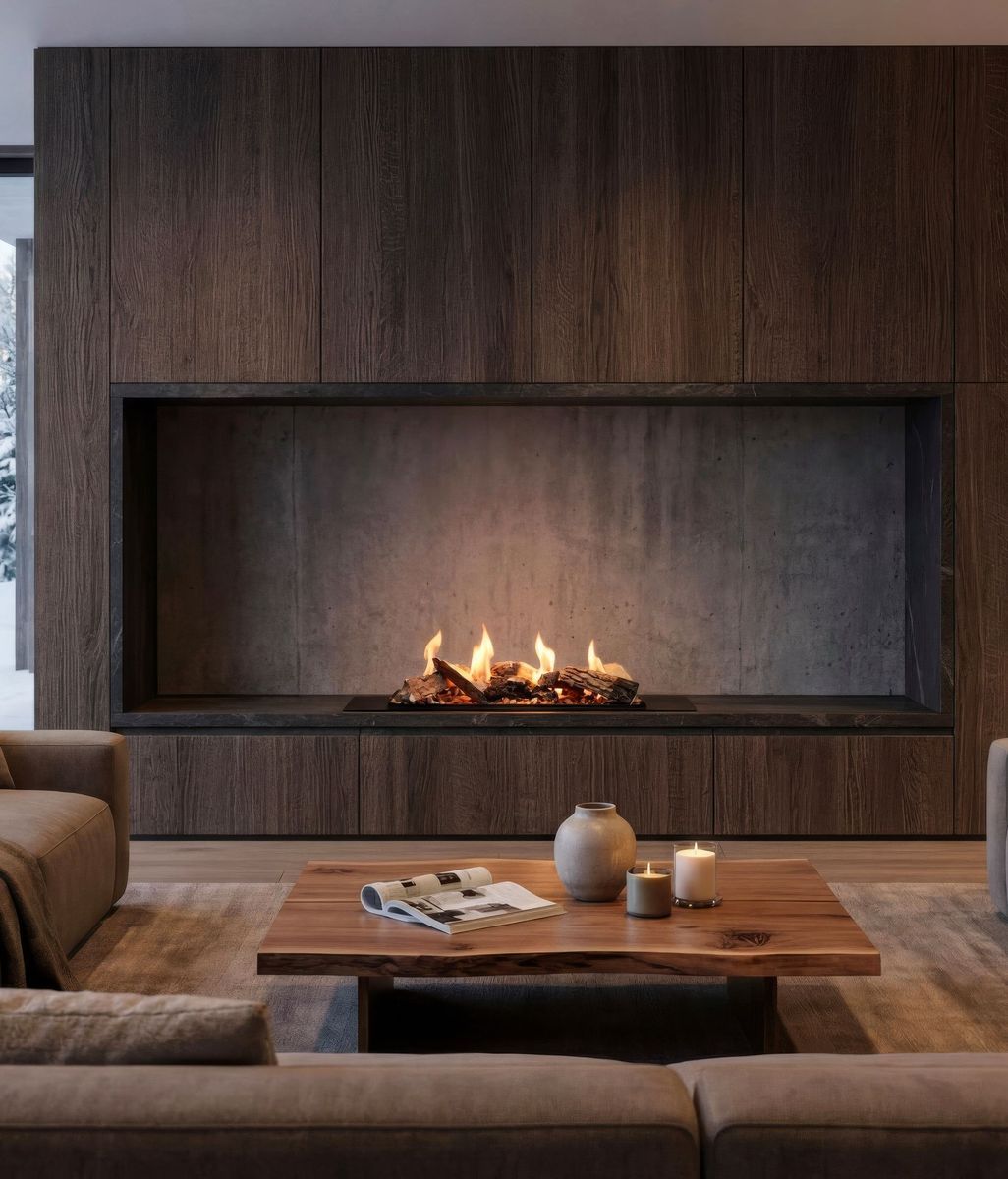
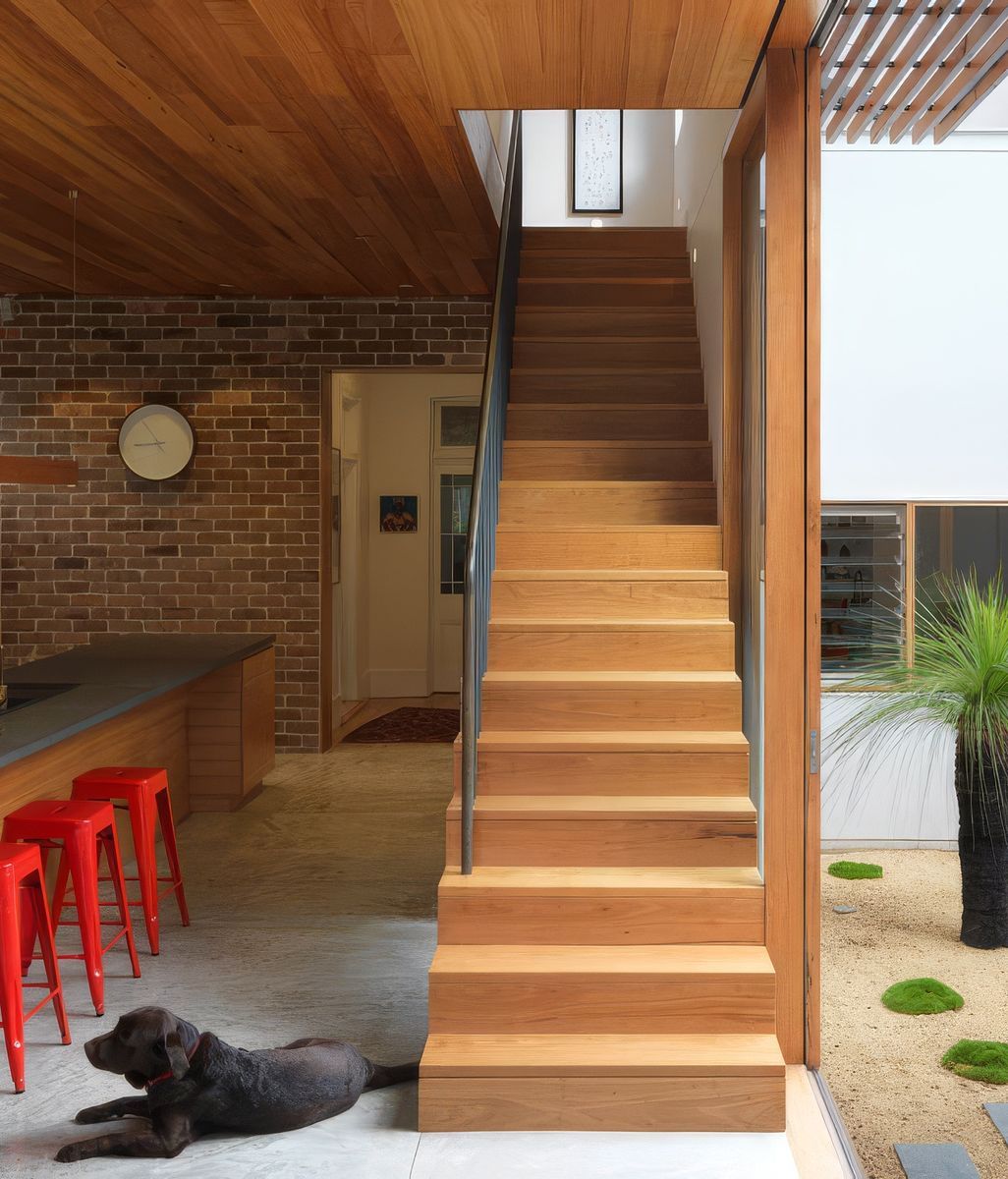
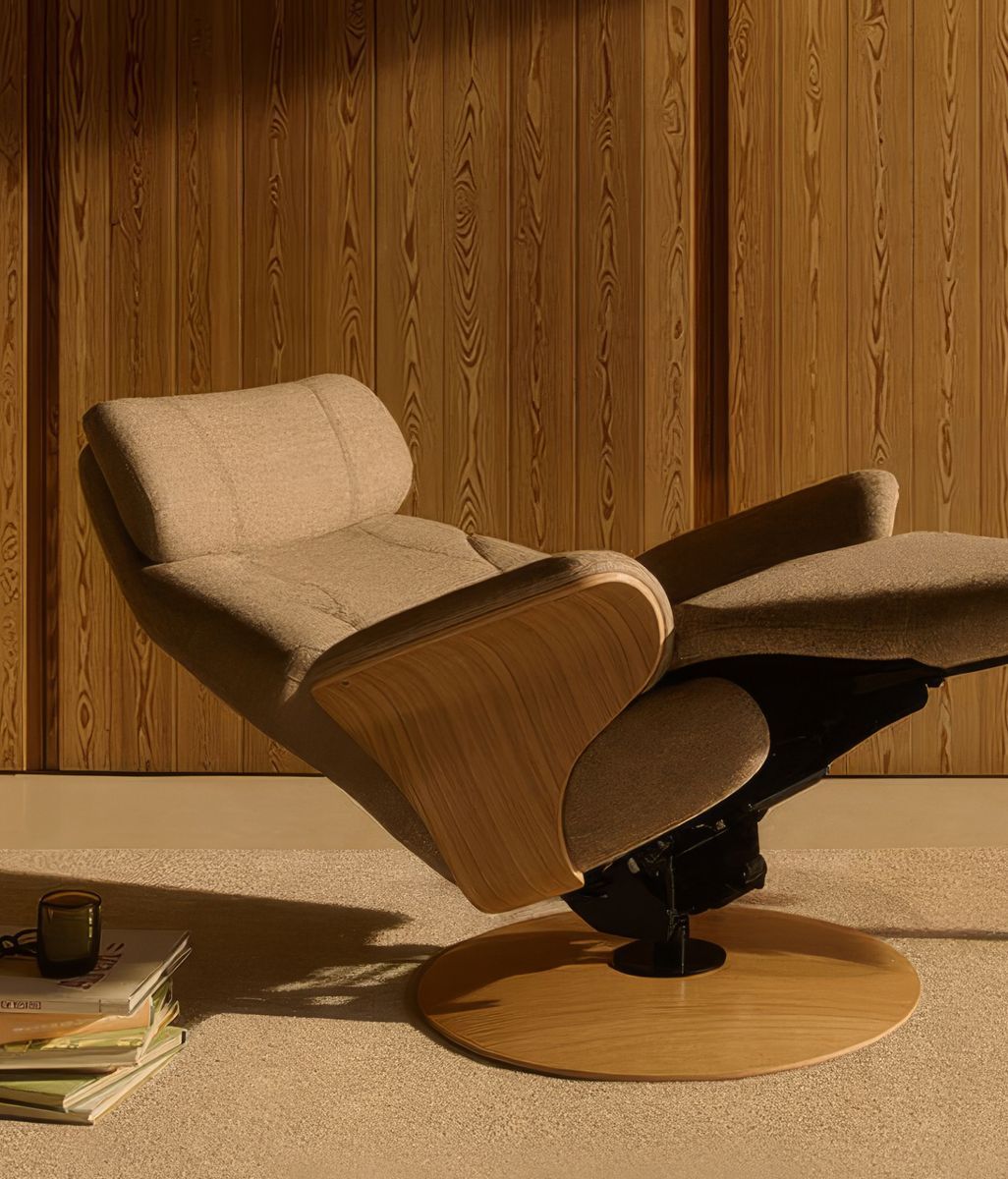
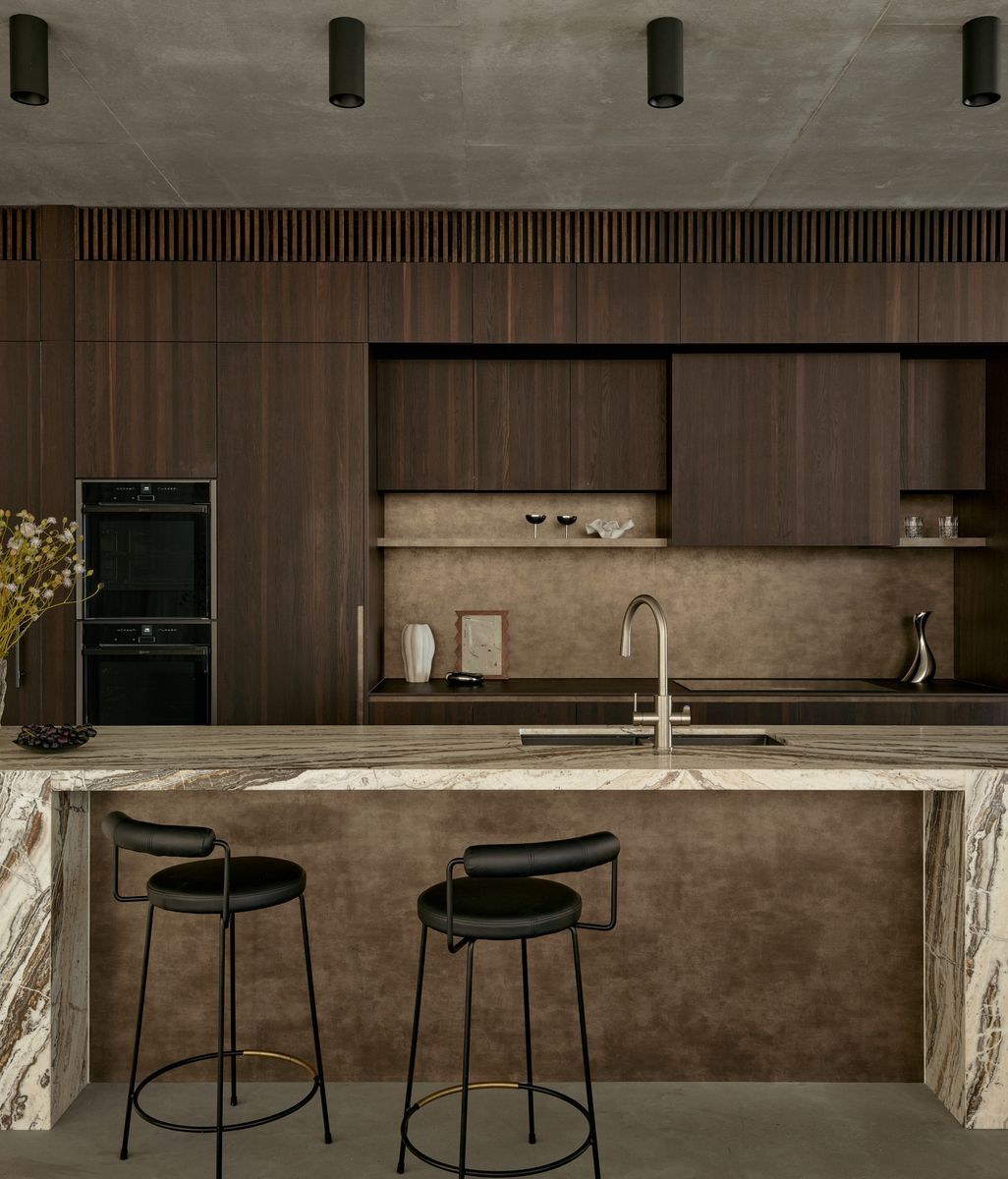
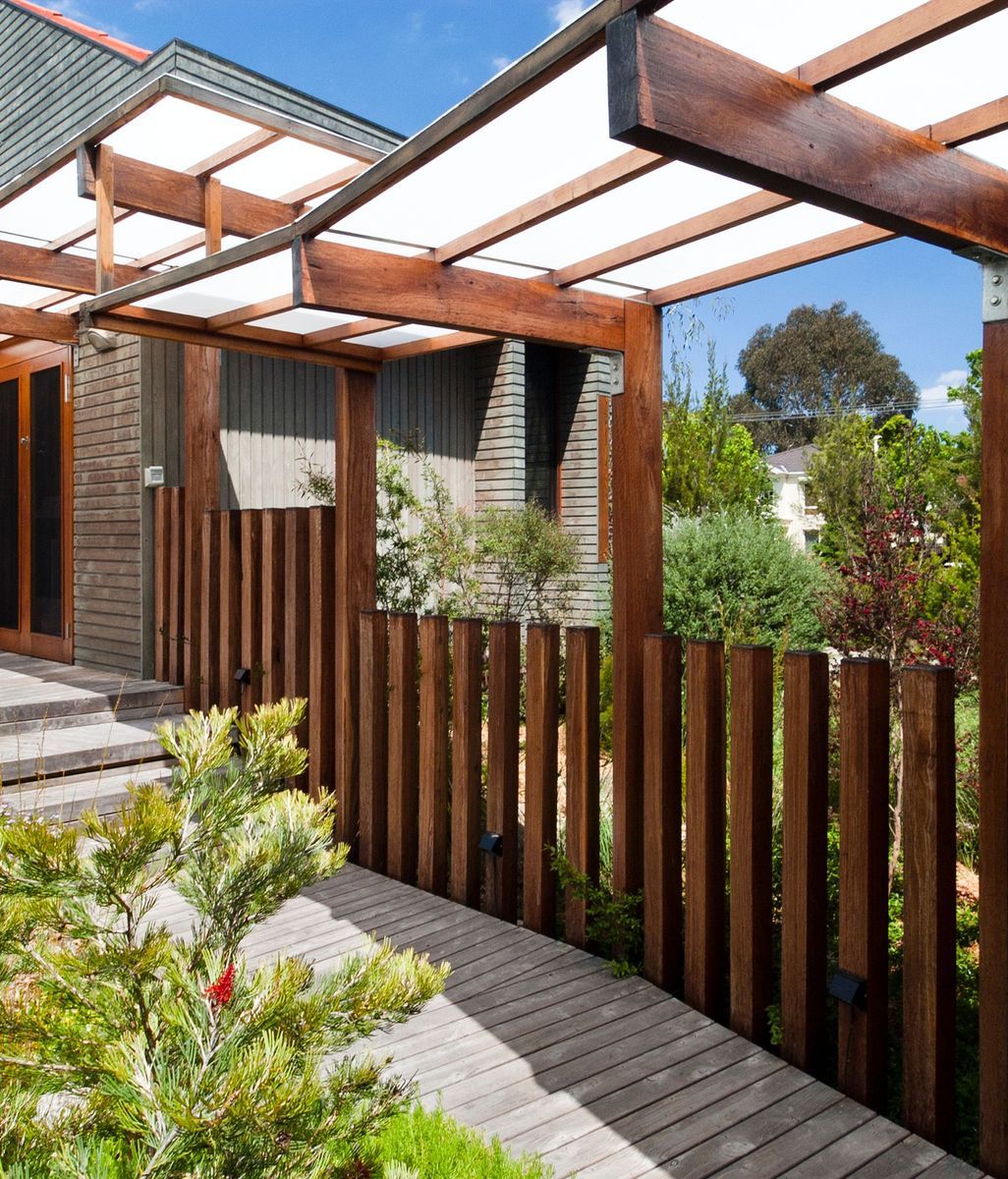
Goode gravitates towards natural materials, not because any one product is inherently healthier than another, but because they create homes that feel grounded and connected to their surroundings.
"We choose materials that reinforce an intentional feeling or mood," he says.
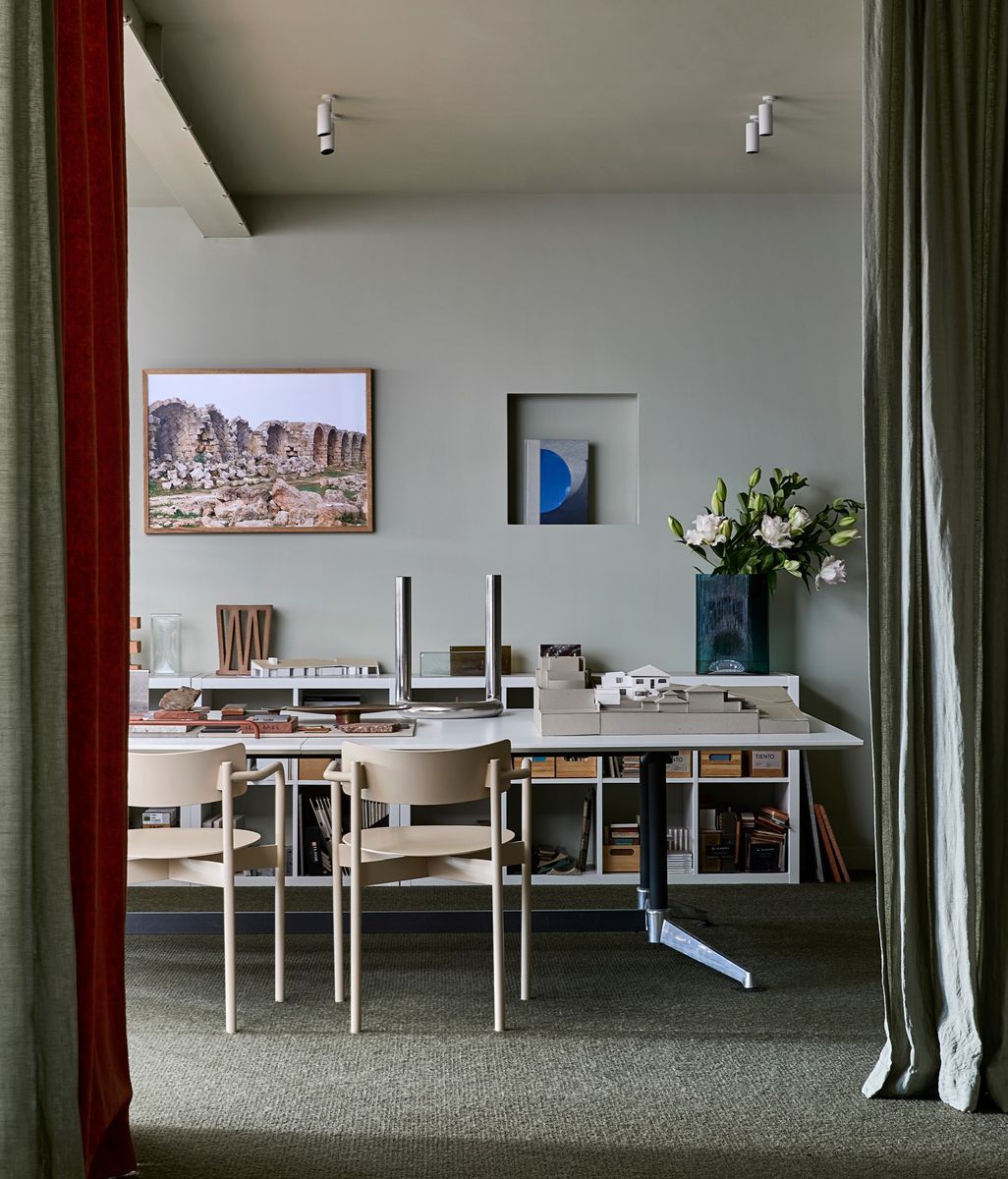
He points to the complexity of nature as inspiration. A forest is never one flat shade of green, and that same richness can be reflected through layered material palettes that avoid feeling sterile or overly controlled. It is these subtle decisions, often difficult to quantify, that contribute to a home's sense of calm.
A new way of thinking
Perhaps the biggest shift is not any individual product or technology, but the way architects are beginning to frame the conversation itself.
For years, healthier building was often discussed through the lens of sustainability alone. While environmental performance remains essential, Goode believes the next chapter is equally focused on how homes support the people living inside them.
There are still many questions to answer, and the research continues to evolve. But as homeowners increasingly seek spaces that help them rest, recover and disconnect from increasingly busy lives, architecture is well placed to respond.
"I think there are a lot of opportunities to make better housing choices as technology and research improve," Goode says. "It's not going to replace exercise or other major contributors to health, but if your home can support you a little better every day, that's a really exciting direction for residential architecture."
For homeowners thinking about integrating wellness into their new build or renovation, exploring inspiring Projects, innovative Products and connecting with experienced Professionals through ArchiPro offers a practical starting point for creating a home that supports healthier living.