What respectful engagement with First Nations people means for Australian architecture

Written by

06 September 2026

 • 

6 min read

banner
As the profession moves towards more engagement with First Nations people, architects must first learn how to listen, when to engage and how to ensure their involvement is meaningful.

For many architects and architectural practitioners, the desire to understand how First Nations knowledge and care for Country might inform their work is growing faster than their confidence about how to approach it in their work. The interest is there, but so too is a legitimate concern about getting it wrong, particularly when engagement itself carries responsibilities that they may not yet fully understand.

It is a question that Melbourne architects Kate McMahon and Rob Nerlich of McMahon and Nerlich are exploring through their teaching on the Master of Architecture programme at the University of Melbourne. The subject they facilitate focuses on methodologies for respectful engagement with First Nations people, concepts of care for Country and the relationship between these ideas and architectural practice.

Importantly, neither presents themself as an authority on First Nations knowledge. Their role is to facilitate connections between students and First Nations cultural consultants, while learning alongside them.

“We don’t put ourselves out there as being experts in Indigenous-focused design,” says Rob. “But we have some knowledge in how you might go about engaging in a respectful way.”

At the heart of the subject is not an attempt to teach First Nations wisdom, but to help future architects understand how to listen, when to engage, who to engage with and how their own professional practice sits within a much larger history.

One of the concepts students encounter is Country, a term that encompasses far more than the physical landscape. It can encompass land, water, sky, people, culture and the relationships between them.

Rob points to the profound misunderstanding of Country that occurred through colonisation, and the damage that followed. 

“One of the things that colonisation did was misunderstand Country quite profoundly to the point where we may have changed the course of a river or introduced an urban port into what is a place where people might have gathered to for millennia,” he shares. “That is the opposite of caring for Country.” 

The profession is now beginning to consider what it means to approach place differently, but doing so requires more than incorporating Indigenous motifs or ideas into a design.

It requires understanding the context in which engagement takes place.

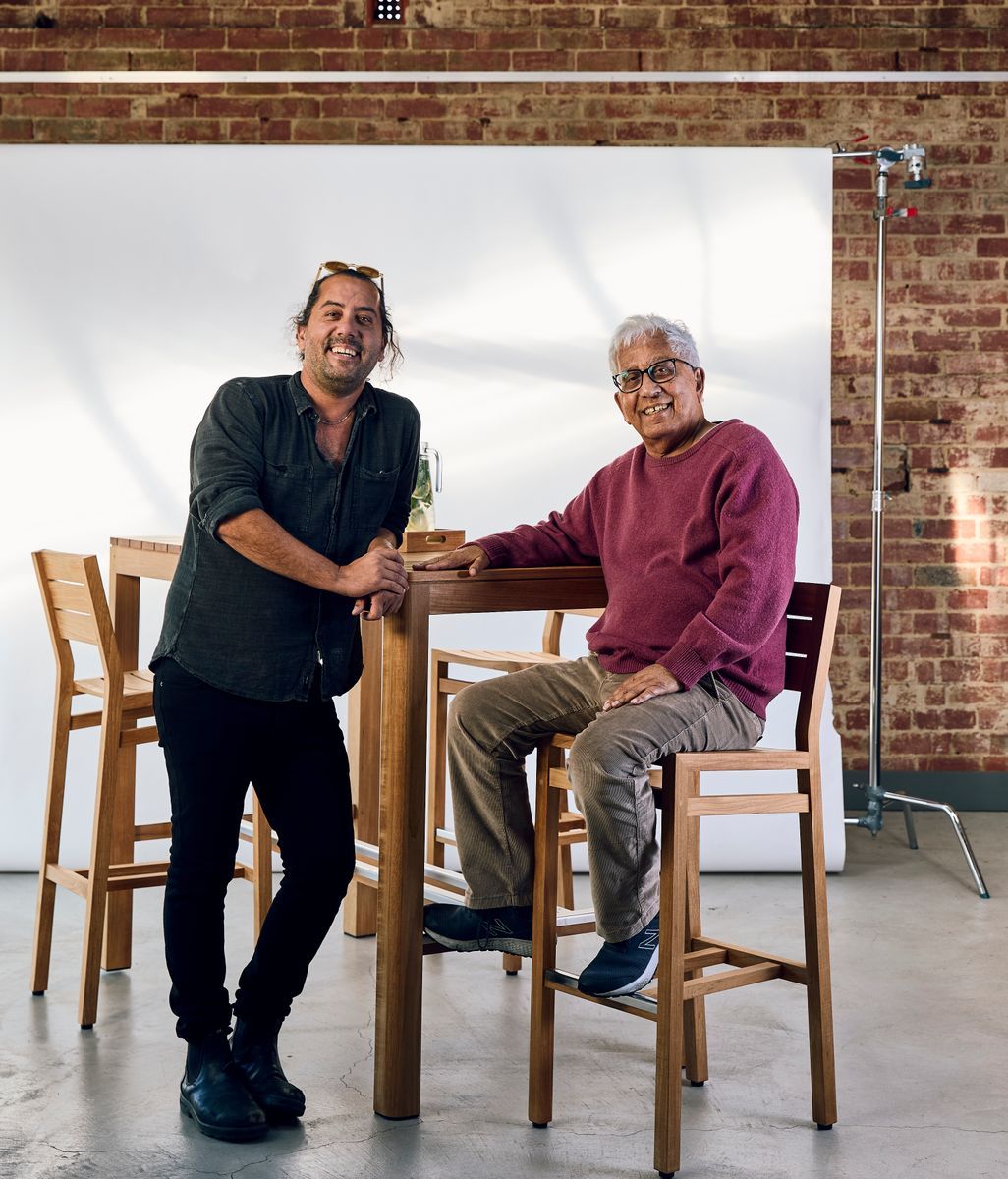
Kate McMahon and Rob Nerlich teach First Nations engagement at the Melbourne School of Design, University of Melbourne.

Understanding the colonial load


Kate describes a growing awareness of what has been termed the “colonial load”: the enormous demand already placed on First Nations people and organisations to educate, consult, advise and participate across government, education, business and the built environment.

For architects eager to engage, this creates an important question. When is direct engagement appropriate, and when is the more respectful response to undertake the work of educating yourself first?

“The opportunities are quite specific for direct engagement because of what we are now calling ‘colonial load’,” Kate says. “It’s important to get more guidance around when you might engage directly and when you might just educate yourself and take your own steps.”

This is part of the broader shift towards reconciliation within the architectural profession. The inclusion of First Nations knowledge and engagement within architectural education reflects an understanding that these are not peripheral considerations, but increasingly fundamental skills for architects working not just in Australia but in any place with a complex colonial history.

For McMahon and Nerlich, teaching is one small part of that evolution. Their students work directly with First Nations cultural consultants and are expected to respond to what they hear rather than simply acknowledge it and continue with an unchanged design.

The difference, Rob says, can be significant.

“The purpose of engagement is not simply to validate a design that has already been conceived, but to allow the conversation to influence what the architecture might become,” he says. “Once the students have engaged with consultants, they do actually design a different way.”

There are also connections between First Nations approaches to Country and some of the environmentally responsive strategies already becoming more common in contemporary architecture. Sensitivity to site, climate, landscape and the particular qualities of place can create points of connection, although the architects are careful not to suggest that these are interchangeable ideas.

For Rob and Kate, the opportunity lies in allowing these different ways of understanding place to sit alongside architectural knowledge and potentially change the outcome.

McMahon and Nerlich challenge their students to integrate a First Nations approach into their work.

Knowing how to engage


For practices considering direct engagement, the process begins before the first drawing.

Rob suggests first understanding whose Country a project is on and identifying the appropriate people or organisations to approach. Depending on the project and location, this may include the relevant Registered Aboriginal Party or other appropriate First Nations representatives.

Just as importantly, Indigenous knowledge holders should be paid for their time.

The principle is straightforward: asking people to contribute their knowledge, experience and cultural expertise without remuneration simply adds to the load already being carried by First Nations communities.

Engagement with Indigenous stakeholders should also happen early. 

“You need to engage and listen early in the design process and then engage regularly ,” he says. “You  engage, try to respond creatively and then engage again.”

For larger projects, there is also a growing network of First Nations architects, academics and built environment professionals who can contribute expertise to the process. The appropriate approach will vary according to the scale, location and nature of a project, but the principle remains one of thoughtful and respectful engagement rather than a one-size-fits-all process.

For smaller residential projects, McMahon & Nerlich are still working through what this looks like in their own practice. They are developing their own Reconciliation Action Plan and considering how First Nations perspectives and histories can be more meaningfully reflected in smaller renovations and projects without unnecessarily adding to the demand on First Nations consultants.

This process of figuring it out is itself part of the learning.

Kate and Rob have also begun considering other tangible ways practices can contribute and engage meaningfully, from working with First Nations suppliers and businesses to thinking more carefully about the consultant teams and professional relationships they build.

Ultimately, however, the most important lesson may be that there is no shortcut to learning.

McMahon and Nerlich have seen the impact of this firsthand in the university studio, where students who have genuinely listened to First Nations consultants produce work that can look markedly different from what might otherwise have emerged.

For Kate, that difference is the point. The ambition is not simply to add another layer to existing architecture, but to contribute to a new understanding of what Australian architecture might be.

“We want the architecture to change. We want to create an Australian architecture that responds to the First Nations stories embedded in it,” she says.

It is an ambition that places learning before certainty. As Rob puts it, architects do not need to wait until they know everything before beginning the process.

“You won’t always get everything right,” he says “but engaging with humility and integrity has the potential for unexpected and wonderful outcomes.”

Explore more architecture and design concepts, projects, products and engage with professionals on ArchiPro.