
How do you keep the heat out without shutting out the light?

A'besco - Blinds & Awnings and Architectural Hardware logo
  • 116.4K profile views
  • 10 saves

Beautiful spaces need to work as well as they look, and the right approach to shading can make all the difference – but it starts with understanding the building.

Visit Website

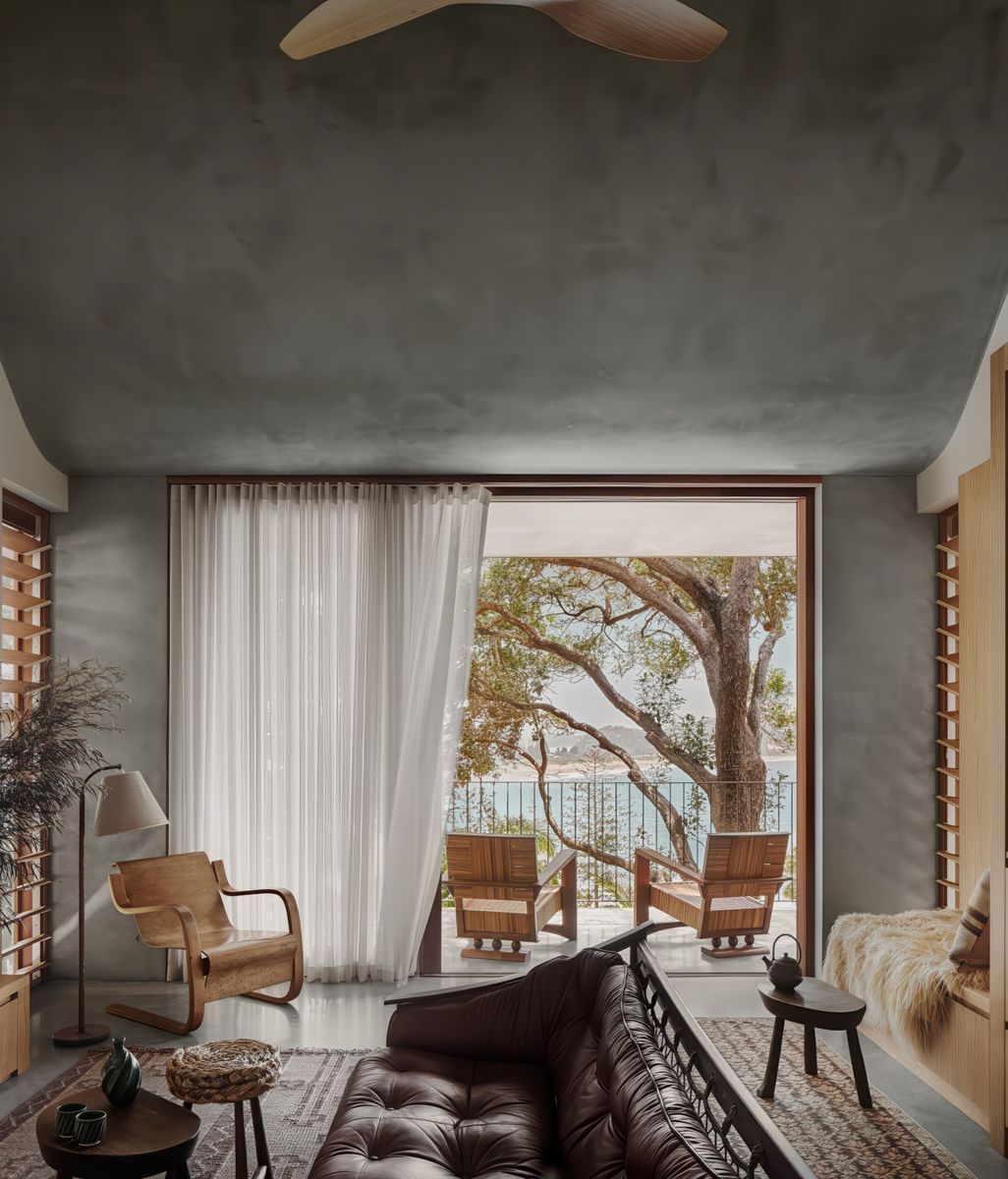
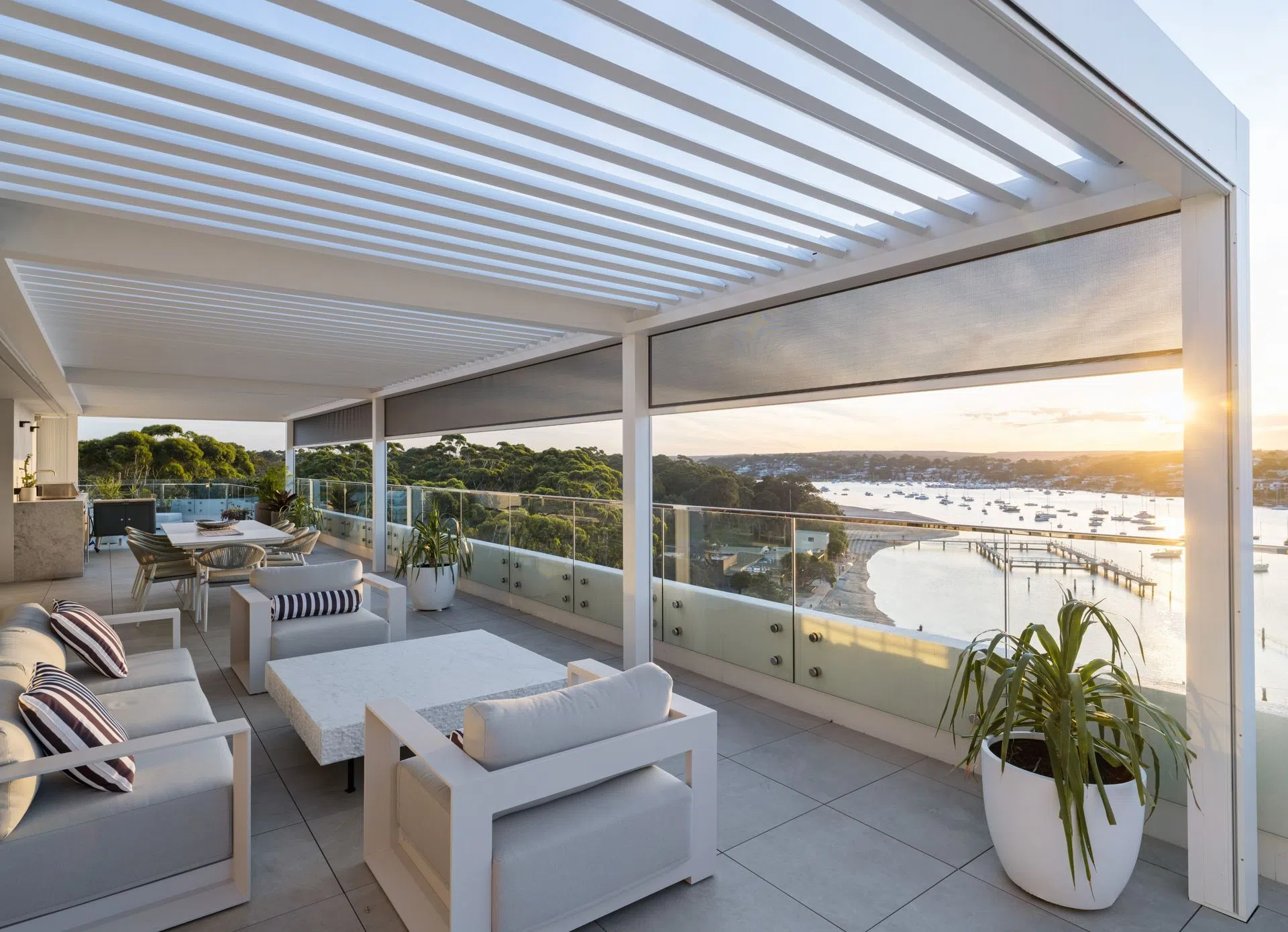
As the afternoon sun drops towards the water at Port Hacking, a louvred roof above a penthouse balcony adjusts to the changing light. Along its edges, the integrated screens descend, drawing a protective veil around the expansive outdoor space. The glare softens, the wind is held at bay and the owners can settle into a part of their home that was once almost impossible to enjoy.

It’s a remarkable transformation for a balcony space that was once so hot the owners were considering selling the apartment. Yet it’s surprisingly common for heat and light not to be considered in the design phase, even in new buildings and homes, says A’Besco Blinds, Awnings & Architectural Hardware general manager Gil Bennett.  

“Architects generally understand the principles of solar control, but they may not be familiar with every specialised system available or exactly how it can be incorporated into a particular project,” she says. “Interior designers, whose focus is often on the internal finishes and furnishings, may also be less familiar with external shading options.”

The solution for the Port Hacking Project was a combination of A’Besco’s three connected Renson Camargue louvred roof systems and integrated Renson Fixscreens. This solution illustrates a problem that can affect even the most beautifully designed homes: without careful consideration of sun, heat and exposure, generous glazing and indoor-outdoor living can become difficult to enjoy.

At the Port Hacking Project a combination of A’Besco’s three connected Renson Camargue louvred roof systems and integrated Renson Fixscreens was the solution to an unusable balcony.

Stop the heat before it reaches the glass

When a room overheats, the instinctive response is often to lower an internal roller blind. It makes sense for privacy and glare, but by then much of the damage has already been done.

“Once the window heats up, it’s too late,” is how Bennett puts it. An internal blind can reduce glare and help manage the light, but it cannot prevent the sun from striking the glass in the first place. External shading intercepts sunlight before it reaches the window, helping to reduce the amount of heat entering the home, and Australian Government guidance says that effective shading can block up to 90% of the heat from direct sun.

The difference can be particularly noticeable in rooms with large expanses of west-facing glass. Low afternoon sun can penetrate deep into living spaces, heating floors, furniture and other internal surfaces just when the house is already warming up. The right external blind can help retain natural light and views while controlling the intensity of the sun.

The answer, however, depends on the building. Orientation, the size and type of glazing, surrounding structures and how each space is used all influence the shading required. A solution that works beautifully on one elevation may be less suitable on another.

Preventing heat from coming in the house without darkening the interior can be achieved with Renson Camargue louvred roof systems and Renson Fixscreens as shown here in the Port Hacking Project.

Finding the solution that fits the building

For A’Besco, recommending a product starts with understanding the problem. The business has spent around 40 years working with selected specialist manufacturers, including Renson, markilux and Luxaflex, drawing on this high performance range to identify what will work for the particular building and the people using it.

“We start by understanding the design and what the architect or designer is trying to achieve. We don't want to change their vision. Our role is to help find the right products and practical solutions to support it,” Bennett explains.

That often means looking beyond what the client first requests as a solution. A homeowner might ask for an internal blind, or an architect might have a particular awning in mind, but the site conditions can point towards a different answer. A recent enquiry, for example, involved a folding-arm awning that could not be installed because there was insufficient space between the sliding doors and the roof to accommodate its fixings.

The Port Hacking project presented a more complex version of the same challenge. As the apartment was on the top floor, the installation had to meet demanding coastal wind conditions, including a specified wind rating of 160km/h. There was also a strict requirement not to penetrate the balcony’s waterproofing membrane, which ruled out conventional floor fixings. 

A’Besco developed a customised solution using engineered heavy-duty brackets anchored to the building’s structural walls. The completed installation created approximately 60 square metres of additional usable outdoor living space.

It is this project-wide approach that informs A’Besco’s advice to homeowners and design professionals. Every quotation is preceded by a questionnaire and site visit, allowing the team to consider the building, exposure, fixing conditions and intended use before recommending a system.

A'Besco's Renson Camargue louvred roof systems.

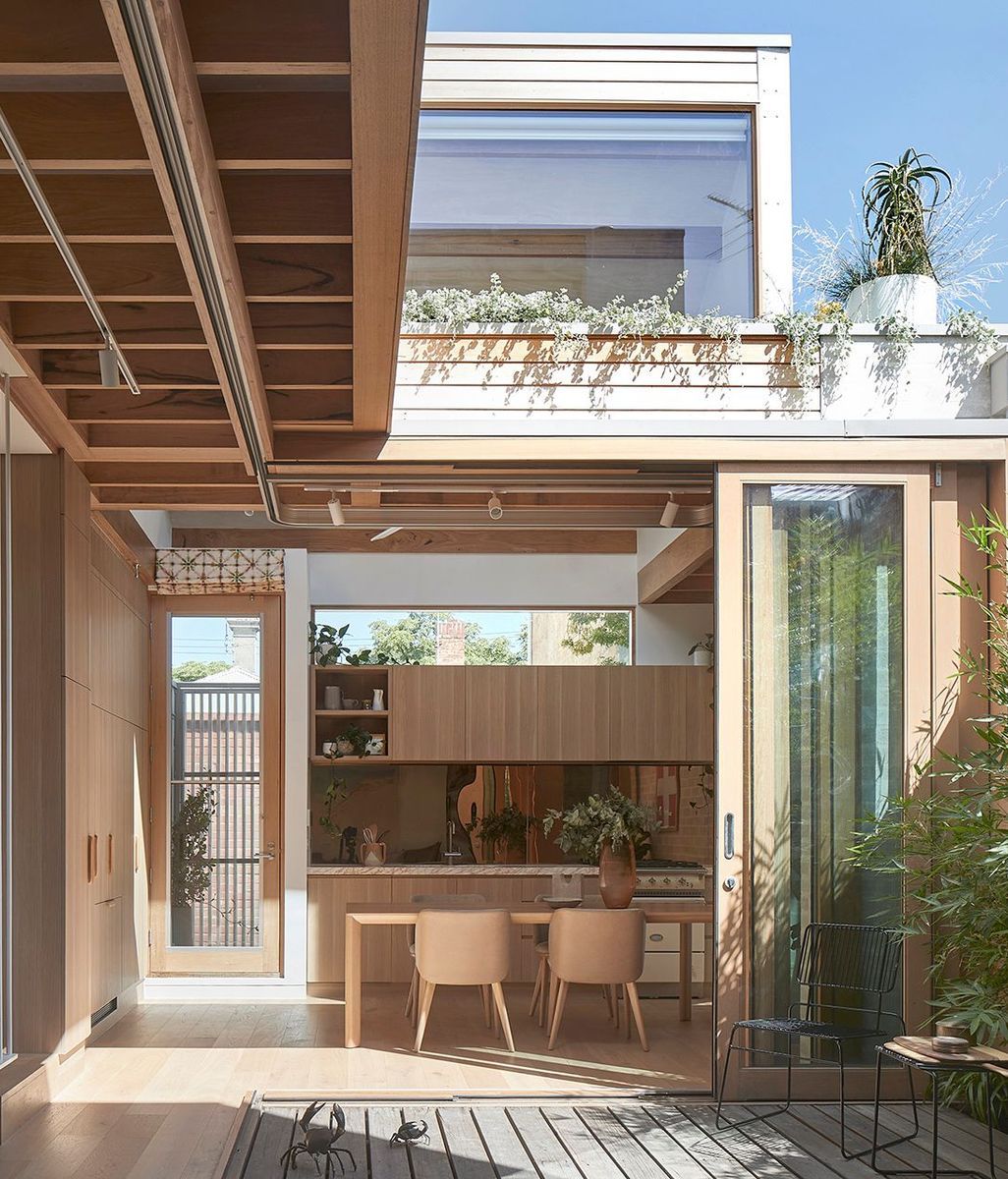
For architects, the conversation is particularly valuable early in the design process. Some external shading systems, including Renson Fixscreen, can be integrated into the building envelope, with the relevant recesses and concealed headboxes accommodated into the design. 

Others have different installation requirements. In either case, space for fixings, structural support and power for motorisation needs to be considered before the drawings are finalised.

As Bennett points out, “The earlier these discussions happen, the easier it is to integrate the right solutions into the design.” Late involvement does not always mean a solution is impossible, but it can limit the options or require changes to details that are already resolved.

For a new home, that makes shading worth discussing alongside glazing, orientation and the wider building envelope, not as a finishing touch once the summer sun arrives. For an existing home, a site visit can help identify where the heat is getting in and what can be done about it.

The Port Hacking owners no longer have to choose between their extraordinary outlook and a comfortable place to enjoy it. That is the point of good shading: not to shut the world out, but to make the home work better in the conditions it faces.

Homeowners can arrange a site visit with A’Besco or explore the systems at its Caringbah showroom. Architects and designers can also find product information and technical drawing files through A’Besco’s ArchiPro product listings.