The art and engineering of minimalist windows

featuring Architectural Window Systems

Architectural Window Systems logo
  • 391.2K profile views
  • 36 saves

The finest minimalist window systems make the engineering work harder so the finished product can appear slimmer.

Visit Website

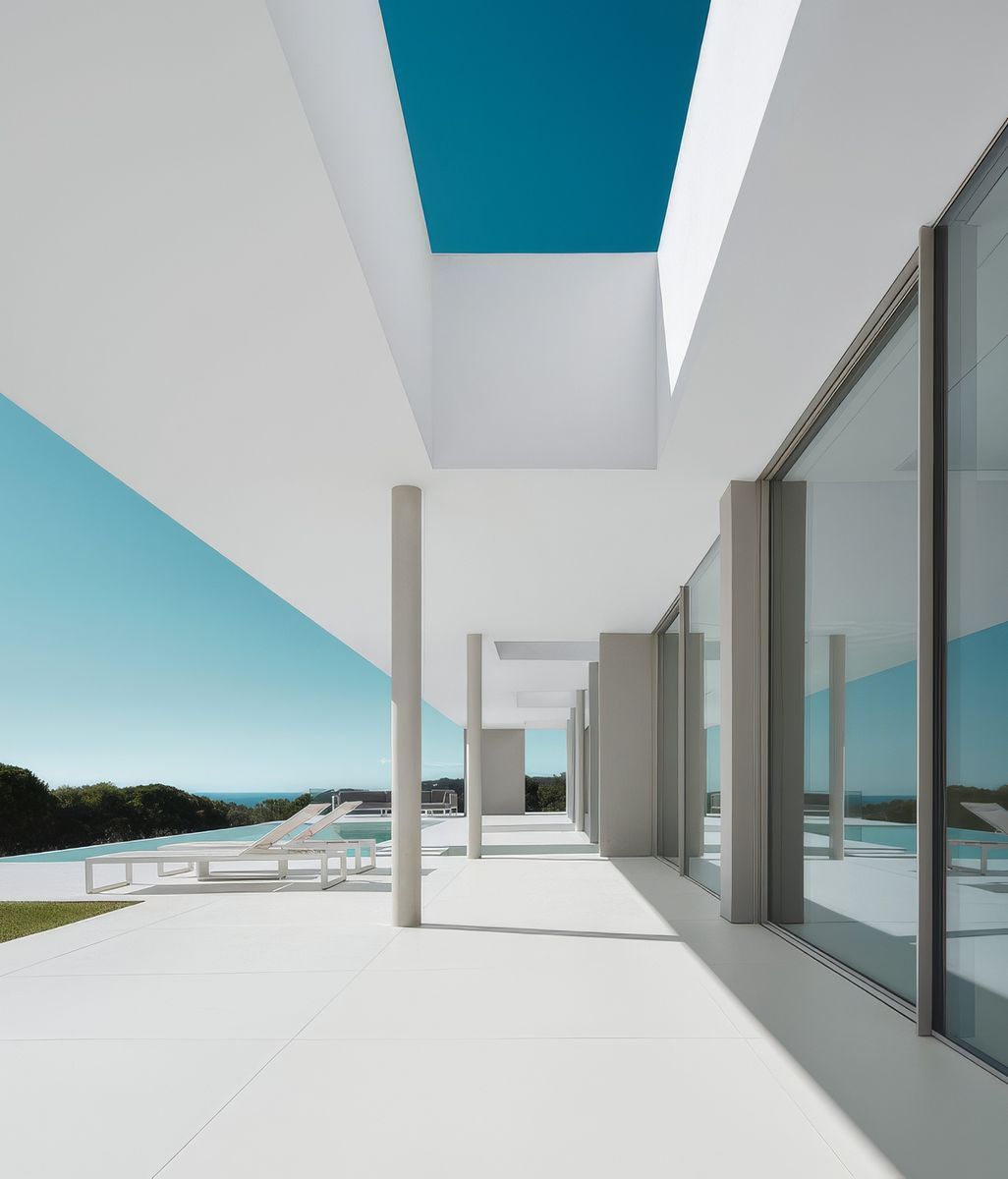
On a high-end architectural project, huge spans of glass contained by fine, slimline framing is a tell-tale sign of an investment in carefully considered design. The effect is almost seamless, as though the structure has stepped aside to let the view take over.

It may not be immediately apparent, but that visual simplicity is hard won. As architects and homeowners ask for larger panes and fewer visual interruptions, the engineering behind the system has to be incredibly precise.

For Australian manufacturers Architectural Window Systems (AWS), reducing visual bulk without compromising strength, weather performance, durability or ease of operation is key to the success of their slimline solutions. 

“Larger panels introduce greater glass weights, higher operating forces and increased structural loads on frames, hardware, fixings and the surrounding building structure,” says Mark McCleary, Head of Product Design at AWS. “The new generation of Australian-designed systems combines larger openings and refined sightlines with the robust engineering required for local buildings and conditions.”

Architectural Window Systems’ slimline profiles are specifically designed to respond to high wind pressures, water penetration and bushfires. 

That engineering isn’t straightforward. Slim profiles must be reinforced strategically and integrate components and hardware designed to carry greater loads – without adding unnecessary visual bulk.

The engineering of these components is crucial; higher-capacity rollers and carefully engineered interlocks, meeting stiles, and structural fixings; and more precise integration between glass, frame and building structure also contributes to the strength of the system.

For sliding doors, the engineering is particularly complex. A large glass panel can weigh hundreds of kilograms, yet it still needs to move smoothly and with minimal effort. 

“Large-format sliding systems depend on more than the frame itself,” McCleary explains. “Glass selection, sill support, drainage, structural fixing, installation tolerances and ongoing adjustment all become increasingly important as panel sizes and weights increase.”

That whole-system approach is particularly important in Australia, where there is such a diverse range of environmental conditions, ranging from cyclonic or bushfire-prone regions settings to high-rise apartments and coastal homes. 

Although many manufacturers offer slimline solutions, specifying systems designed for Australia gives you peace of mind that your windows and doors will perform in the local environment, says McCleary.  

“A system developed for Europe may have been designed around different climates, construction methods, regulatory requirements, glass specifications and installation practices,” says McCleary. “That does not necessarily make it unsuitable for Australia, but its performance under Australian conditions should be properly assessed rather than assumed.”

Structural capacity, weather resistance, thermal performance, durability, operation and installation are all foundational to the design of Architectural Window Systems' slimline profiles.

Architectural Window Systems’ slimline profiles meet important Australian benchmarks such as AS 2047 and AS 1288, and are specifically designed to respond to high wind pressures, water penetration and bushfires. 

There is also a practical advantage in having design, testing, manufacturing knowledge and technical support immediately at hand; when a project requires an unusual size, wind pressure, exposure condition or installation detail, direct access to local engineering and product expertise is invaluable.

For Australian architects and homeowners, it means they have access to the narrow frames they need with the engineering required for local environmental conditions and regulations.

“Australian manufacturers are increasingly delivering the same clean architectural qualities associated with European products while engineering them specifically for Australian conditions,” McCleary says. “Local development allows systems to be tested against Australian Standards, adapted to local glass and fabrication capabilities, and supported by people who understand the realities of Australian projects.”

All of which suggests that the most successful minimalist window design is about more than achieving the narrowest possible frame. Structural capacity, weather resistance, thermal performance, durability, operation and installation all have a part to play, as does the ability to keep the system performing as intended over years of use. 

When the profiles are carefully designed and engineered for the local climate, the system performs as intended, and the visual result is elegantly restrained. That is the paradox at the heart of good minimalist window design: the less there is to see, the more there may be happening behind the scenes.

Discover More Readingin Building & Renovating