
Curves like sea glass and the permanence of brick define a serene Omaha beach home, offering a retreat designed to embrace the needs of an intergenerational family.
A coastal home shaped by shifting sand
You don’t often get to advise clients in selecting a site, but in this case the clients led the way. After an initial consultation about renovating their existing Omaha beach house, the couple returned with a different idea: building new, and on one of two nearby sites they already had their eye on. Both were strong contenders, but one section stood out for its dual outlooks across Whāngateau Harbour and the estuary. The section had been held vacant for nearly three decades, long enough for wind to shift about 30 millimetres of sand across the lot and soften its edges. A conversation with Lloyd Hartley’s Mike Hartley and Ben Lloyd about how to navigate the public and private interface created by the public walkway along the northern boundary, helped seal the deal.
“In fact, the added complexity of the private-public interface was actually an opportunity for us to design a response to that,” shares Mike.
That response shelters the home against the walkway, while delivering a generous programme on a tight footprint for the couple, their adult children and grandchildren to enjoy. But unlike most of the new homes in Omaha (which feature cedar, black steel and concrete), the exterior materiality takes in the soft edges of sea glass and the muted colours and texture of the shifting sands.
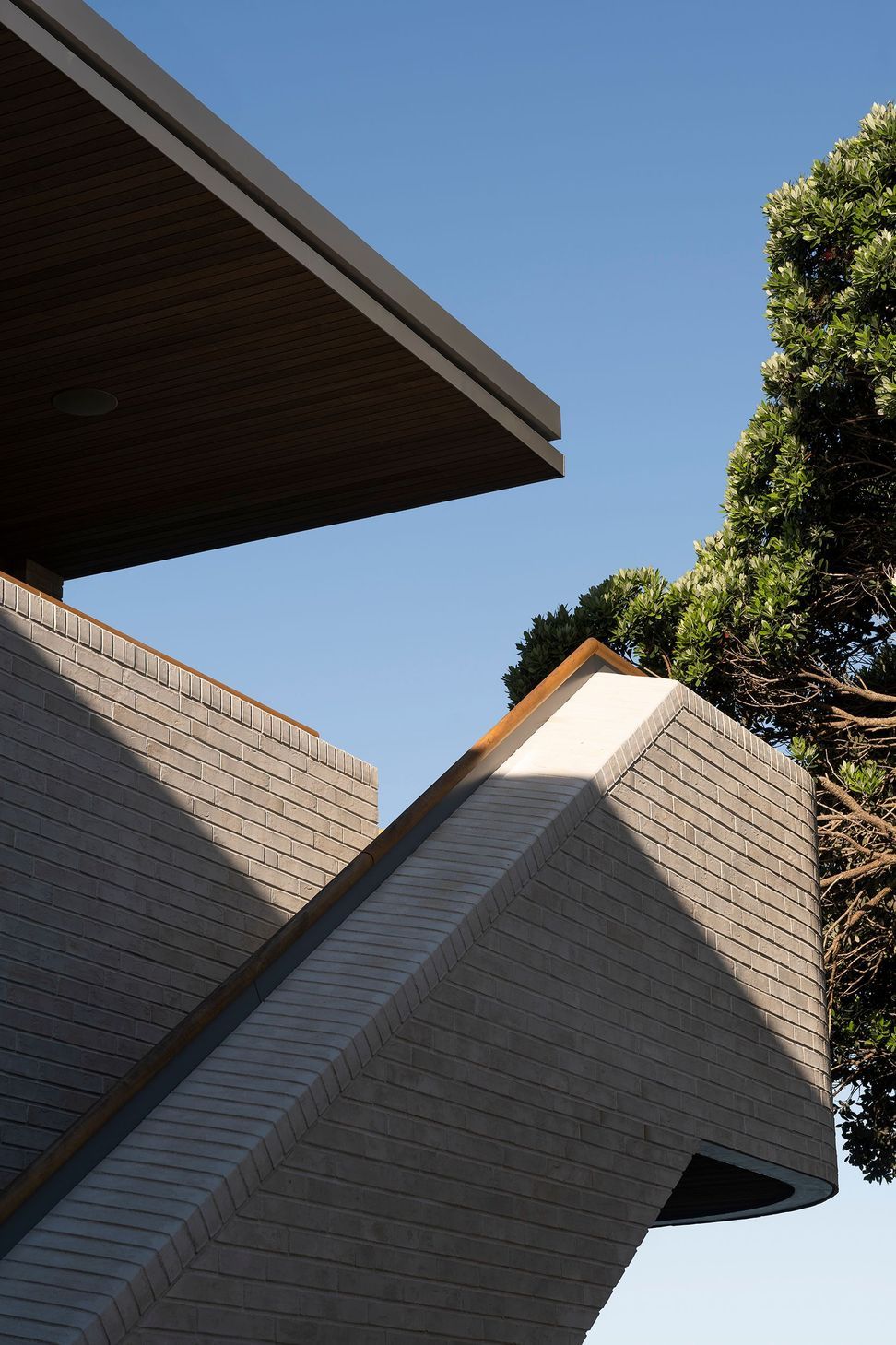
“We were thinking about the granularity of sand, and the sculptural nature of dunes, but we also wanted a strength and solidity,” shares Mike. “We came across Canterbury Clay Bricks and found that we could create the curves and softness that we were after.”
Rather than faceting the bricks around those curves, they were able to work in radii with bespoke curved bricks in a random lay pattern (whereby brick lengths and laying pattern isn’t uniform), creating a softness that echoes the curves of sandcastles, and firmly shields the home from the public walkway.
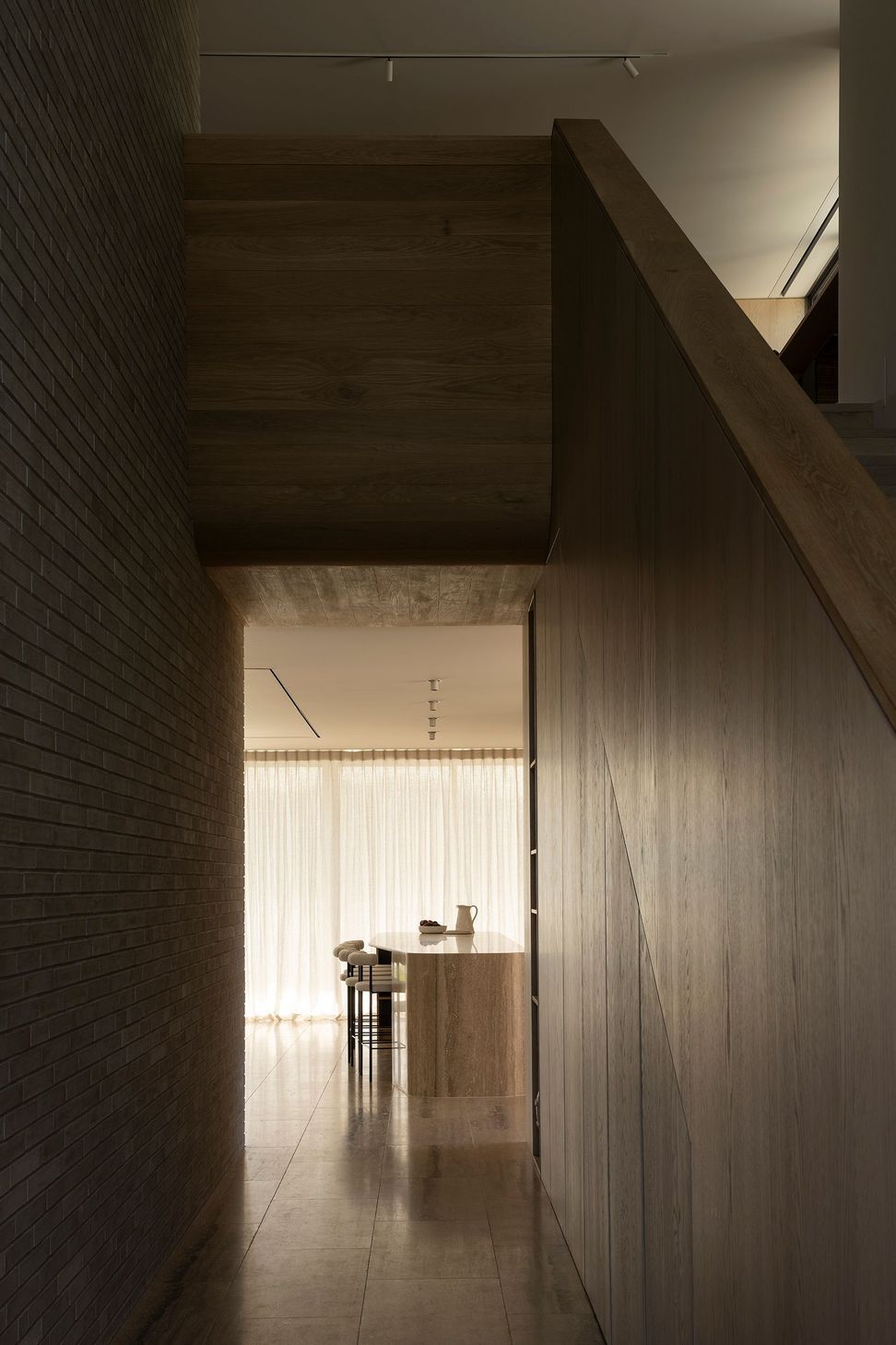
In the entry, two-storey curved brick walls are used to delineate and draw in visitors.
“You go from this vertical engagement with the materiality, then there’s a shift where you're immediately drawn through the entry sequence to a horizontal engagement with the estuary and harbour beyond,” shares Mike. “We didn’t want to withhold that view, you've made it all the way over the causeway, you've made it to the end of the driveway... We thought, let's get you that view pretty quickly!”
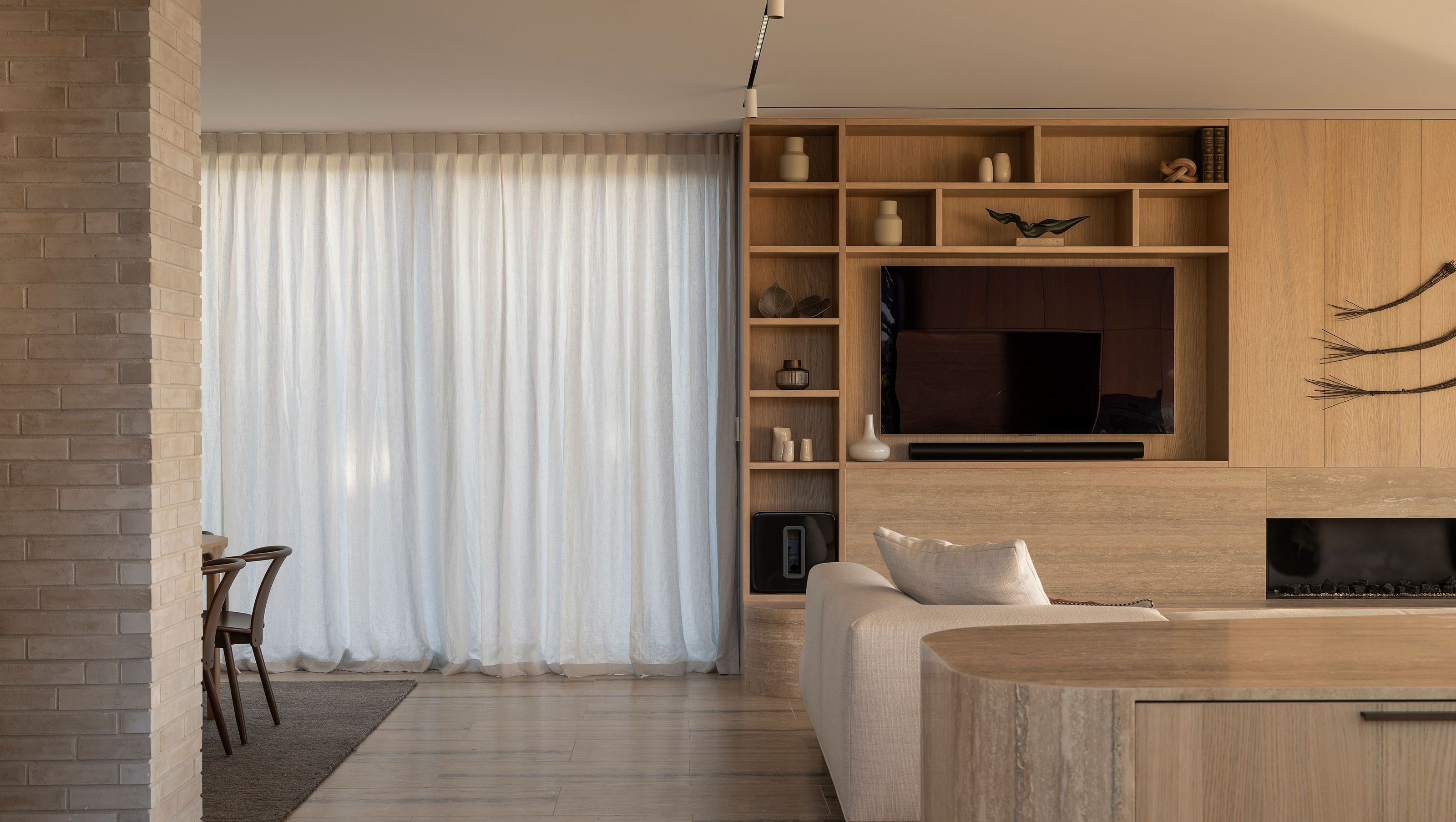
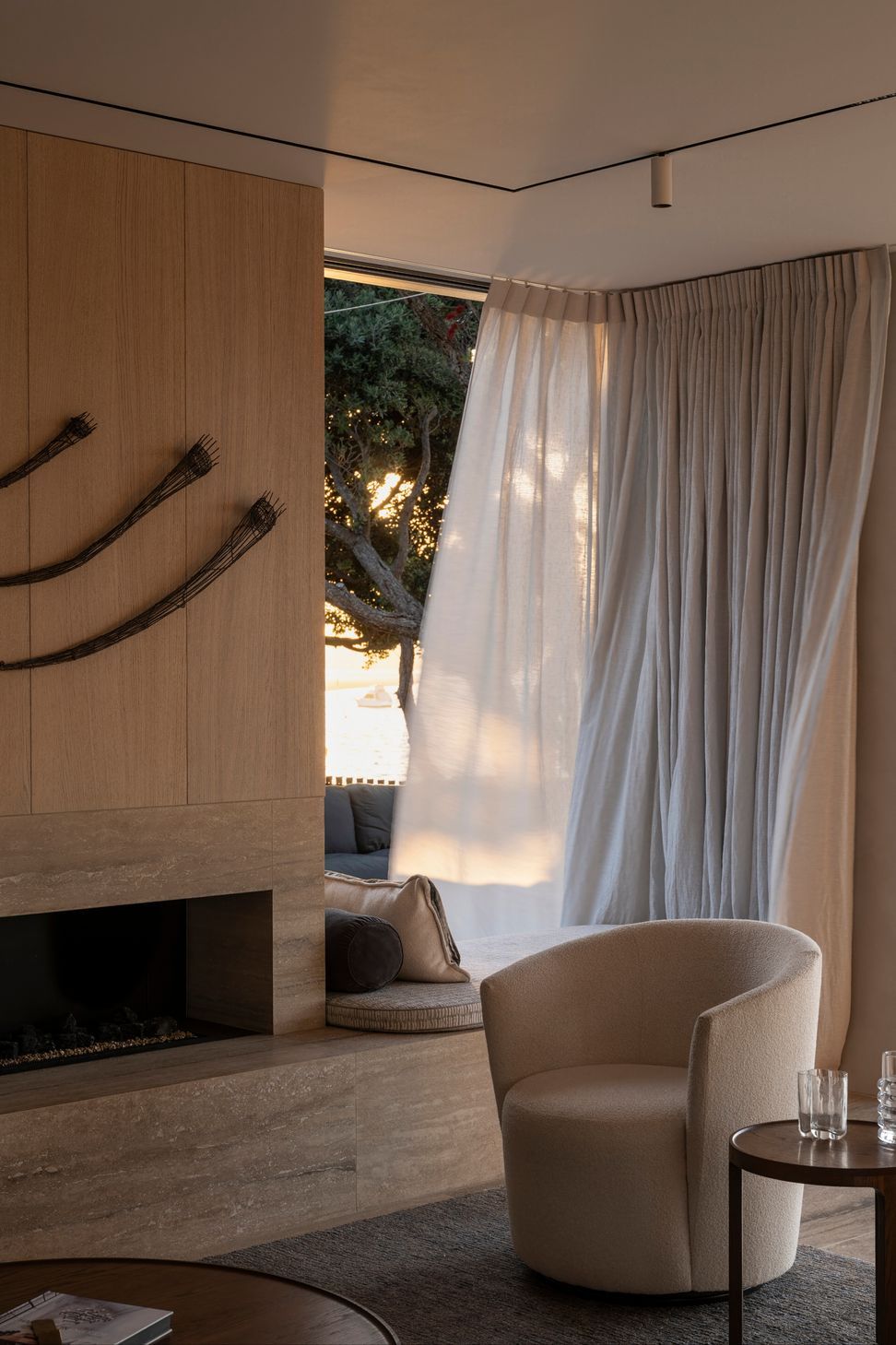
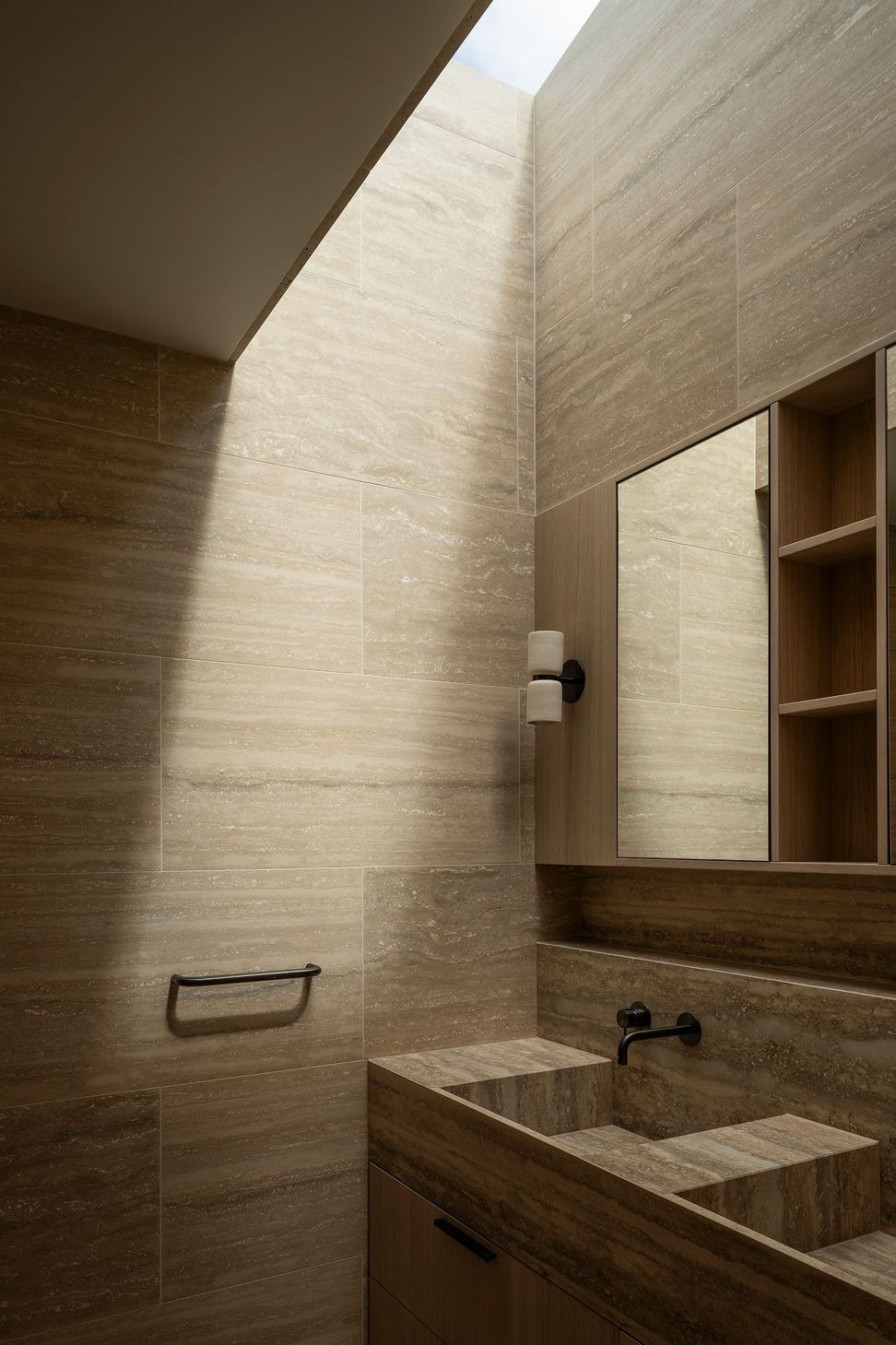
In the interior, the soft, textural palette is extended, with travertine floors in silver and cream that resonate with the brick selection. Silvered cedar panelling, sandstone grey coloured metalwork and joinery also find their tonal place within the overall assemblage of the exterior. The oak cabinetry in the kitchen complements the softness of the flooring and the champagne gold hardware on the aluminium joinery adds an unexpected detail that amplifies the warm tones of the interior palette.
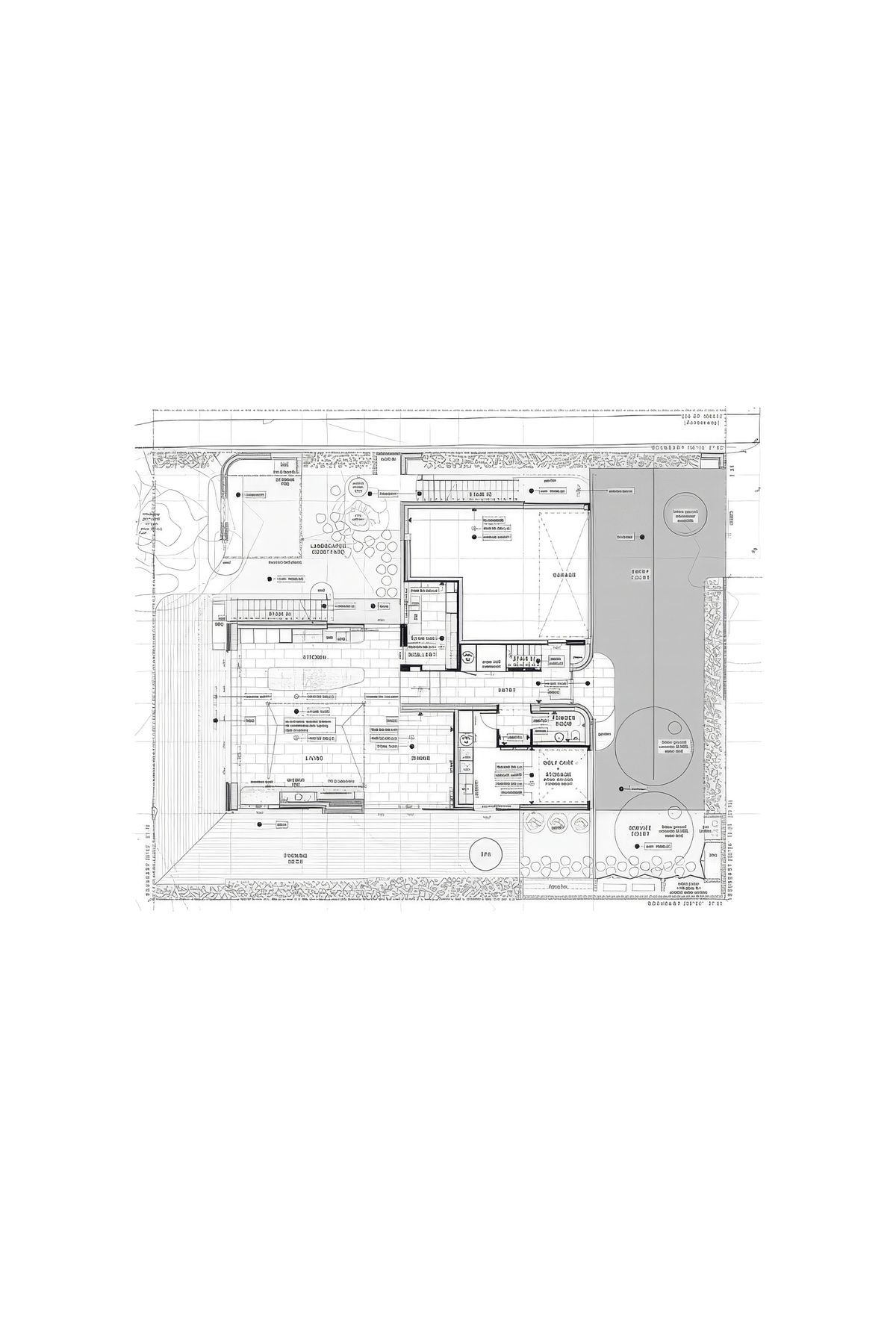
This attention to materiality is paired with an equally thoughtful approach to space: the home’s relatively compact footprint required clever design solutions to create spaces that could serve multiple purposes, explains Mike.
“Through the layout, we explored the idea of how multiple generations can come together in the public spaces and then withdraw to these smaller views and vignettes.”
These more intimate pockets of space allow family members to step back without ever feeling removed. Built-in window seats offer comfortable nooks where someone can curl up with a book, pop in earbuds, or simply enjoy the view while still being connected to the life of the house. The same sense of balance extends to the gathering space by the fireplace, where framed sightlines invite moments of quiet even as conversations carry on nearby.
That interplay between togetherness and retreat carries seamlessly into the home’s most active hub: the kitchen’s generous, sculptural island is a centrepiece that effortlessly accommodates all five grandchildren at once. By pulling these functions together at the lower level, the home achieves a sense of openness while still layering in opportunities for retreat.
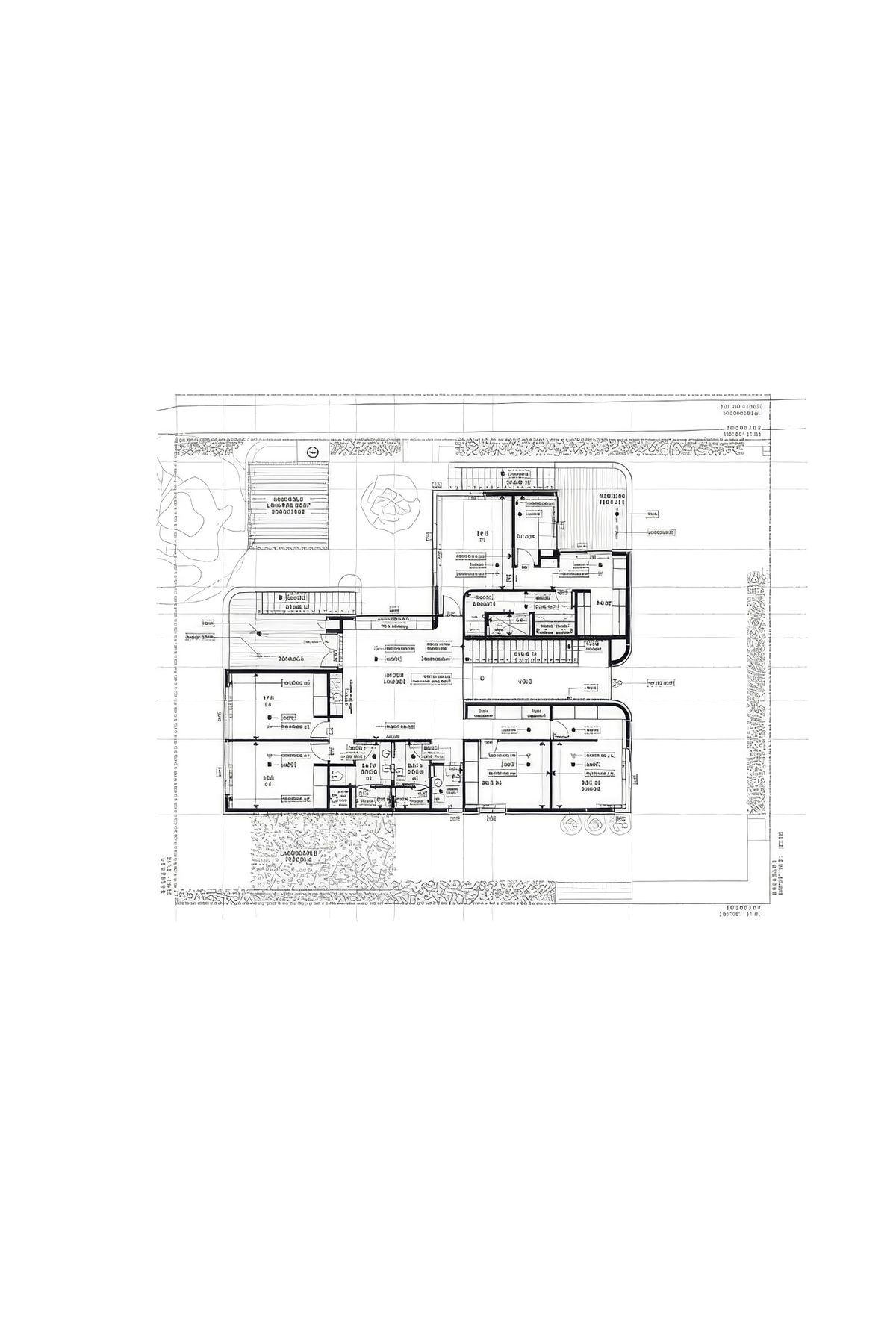
Upstairs, the generous master suite gives the clients a clear zone to retreat to, while a guest wing offers two bedrooms with en-suites and two bunk rooms for the grandchildren. The bedrooms feed off a secondary central living room, cleverly reducing the amount of circulation space.
The careful consideration of space has been extended outdoors, with a morning coffee deck sheltered by the curved exterior wall, leading round to the ‘gin’ terrace, the perfect spot in the evening to enjoy the last rays of the evening sun.
Downstairs, the living spaces flow out to expansive decks that meet the front boundary line of the property, seamlessly integrating the landscape and giving uninterrupted visual connection down to the beach.
“The design of the home offers the clients the perfect start to the day: they go for a swim every morning after coffee; they wander down from their deck, have a dip and they're ready to hit the day.”
Explore more projects by Lloyd Hartley
Words: Joanna Seton
Evocative of sandcastles and surf softened edges, this home is a legacy project for our Clients to share with their grown children and grandchildren.
Successfully negotiating this challenging and significant brief on a tight site, the home deftly manages opportunities for closeness and retreat within a bold sculptural form.
The building addresses the end of the lane confidently; satisfying a mediated threshold between the public realm of the street & walkway and private engagement with the spectacular and ever changing views over the Estuary and Whāngateau Harbour.
Dual softened curves provide depth to the façade and lead the eye to the Entry & double height space beyond. Early morning light is gently welcomed deep into the home through this elevated aperture.
Along the public accessway twin sculptured terraces and stairways can been seen. The terraces provide vantage points to look out over the sandspit, bird sanctuary and beyond to Ti Point Headland. The Stairs ramp down to meet in the central and protected North facing courtyard.
Softened formal strategies and material selections create resonant sequencing and ease of comfort throughout the home.
- Completed
- 2024
- Price range
- $3m - $5m
- Building style
- Contemporary









Awards
Highly Commended - Coastal Home of the Year
HOME Magazine Home of the Year
Project team

Mike Hartley
Director & Registered Architect
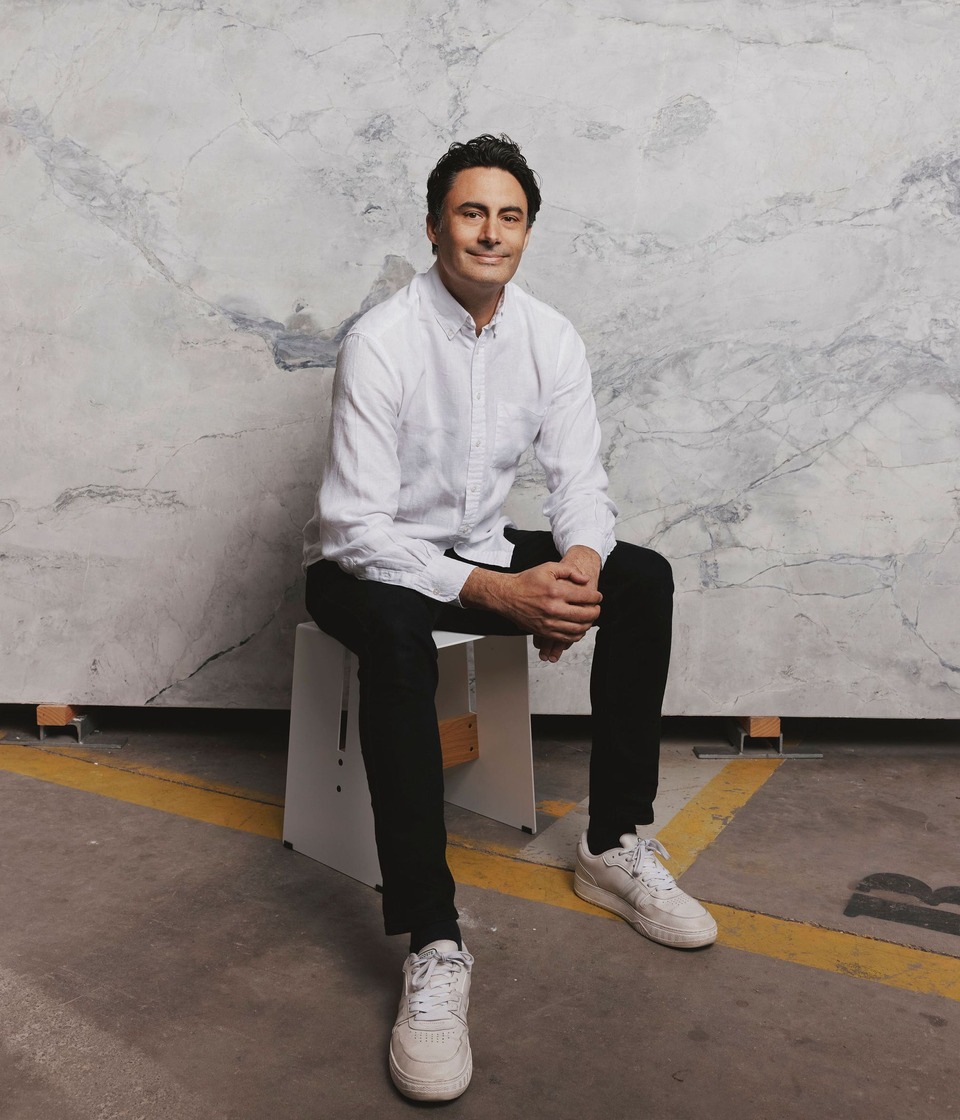
Ben Lloyd
Director & Registered Architect
Composite Joinery
Like this Project?
Hire Lloyd Hartley Architects
The products behind the project
Fourteen products specified into this build from eleven suppliers, verified ArchiPro members. Tap through to specifications, suppliers and lead times.


Professionals used in
this project
The practices and trades credited on this project.







More projects from
Lloyd Hartley Architects
Other work by Lloyd Hartley Architects, across every category they build in.


More in
Beach House
Everything else in Beach House, from every practice on ArchiPro.


Next Project
Keep scrolling