
Project team
- Sici Design
- Simon Whitbread Photography
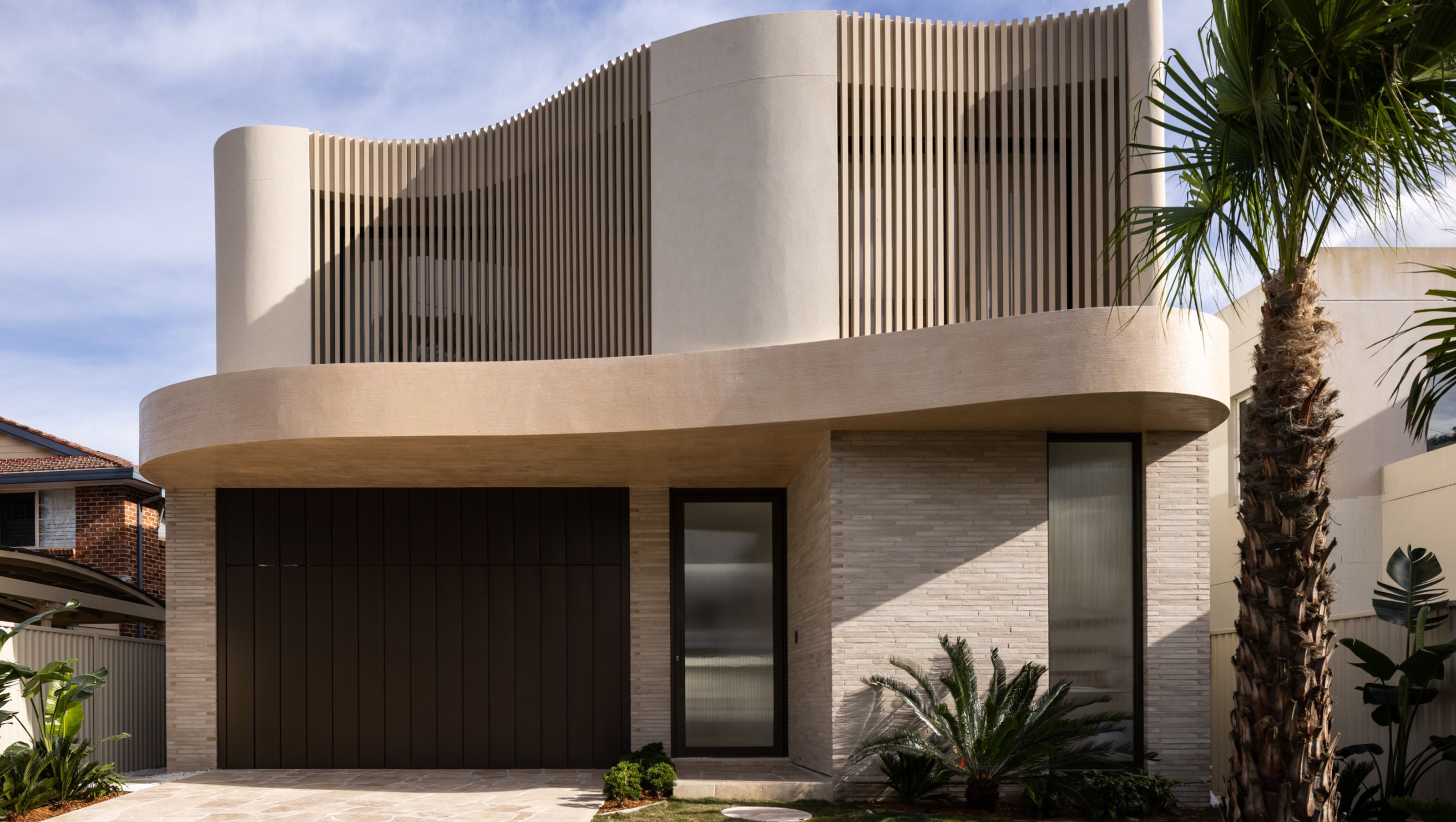
How do you design a home for a future owner whose tastes, habits and expectations are unknown? For Sici Design, the answer was to create a house with enough character to make someone want to call it home.
Designing for someone you've never met
There is something inherently strange about designing a house for someone you have never met. With a private client, the brief is usually filled with the particulars of their life: how the family gathers, their preferred aesthetic and how they want to feel when they come through the door. A developer’s brief is much more abstract, asking the designer to create a home with enough character to draw in a future owner whose tastes and way of living are still unknown.
This was the starting point for Sici Design's Boulevard Residence, a substantial family home in Sydney's south designed for a long-standing developer client. The studio had worked with the client across a number of projects, and there was already a degree of trust between them. What they did not have was the person at the centre of the usual residential brief.
"We really had to put our developer hat on," says Sici Design director Maria Papadopoulos. "We were thinking about almost every type of buyer while still asking ourselves what Sici can bring to the project and how can we make a beautiful home?"
It would be easy for that kind of brief to produce something deliberately inoffensive. Sici took a different approach, looking instead at what gives a home a sense of generosity and permanence, then deciding where those qualities would matter most.
"We look at materiality and budget while really spending their money in specific spots," says Papadopoulos.
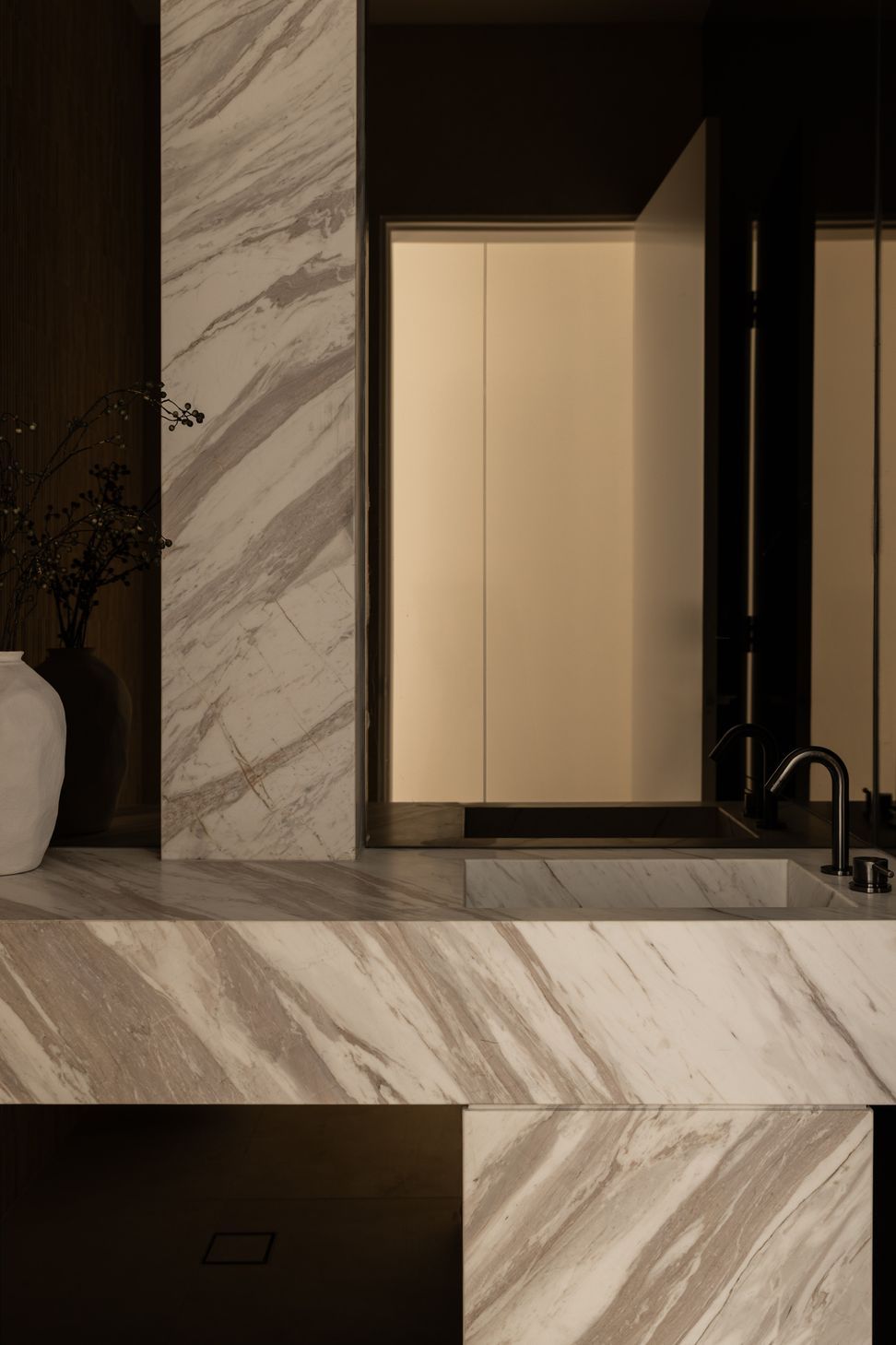
They selected the kitchen, powder room and main entertaining spaces as the places where the design could carry more weight.
The sole directive from the developer was to create a family home that felt like "a hotel that you never had to leave".
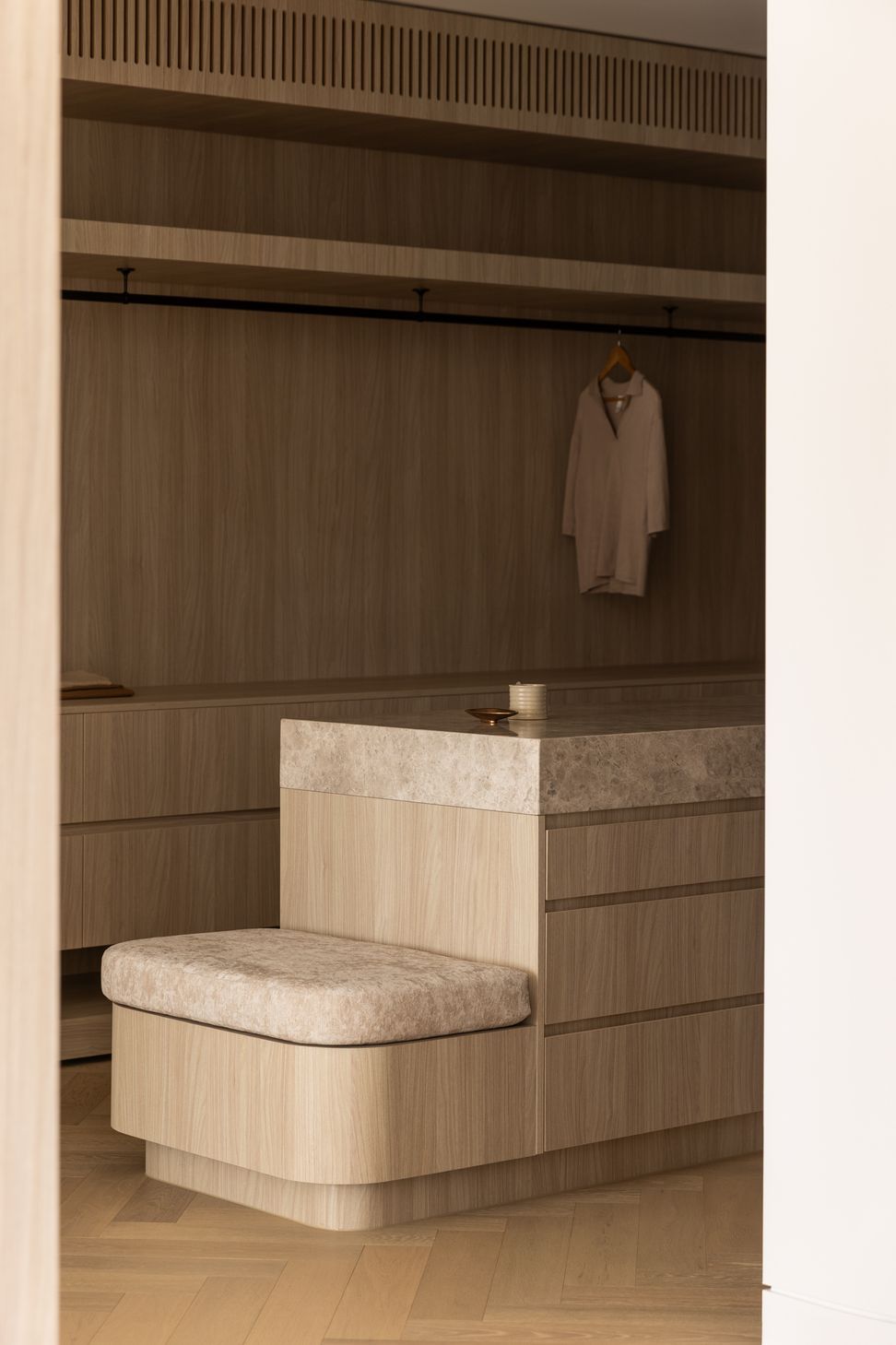
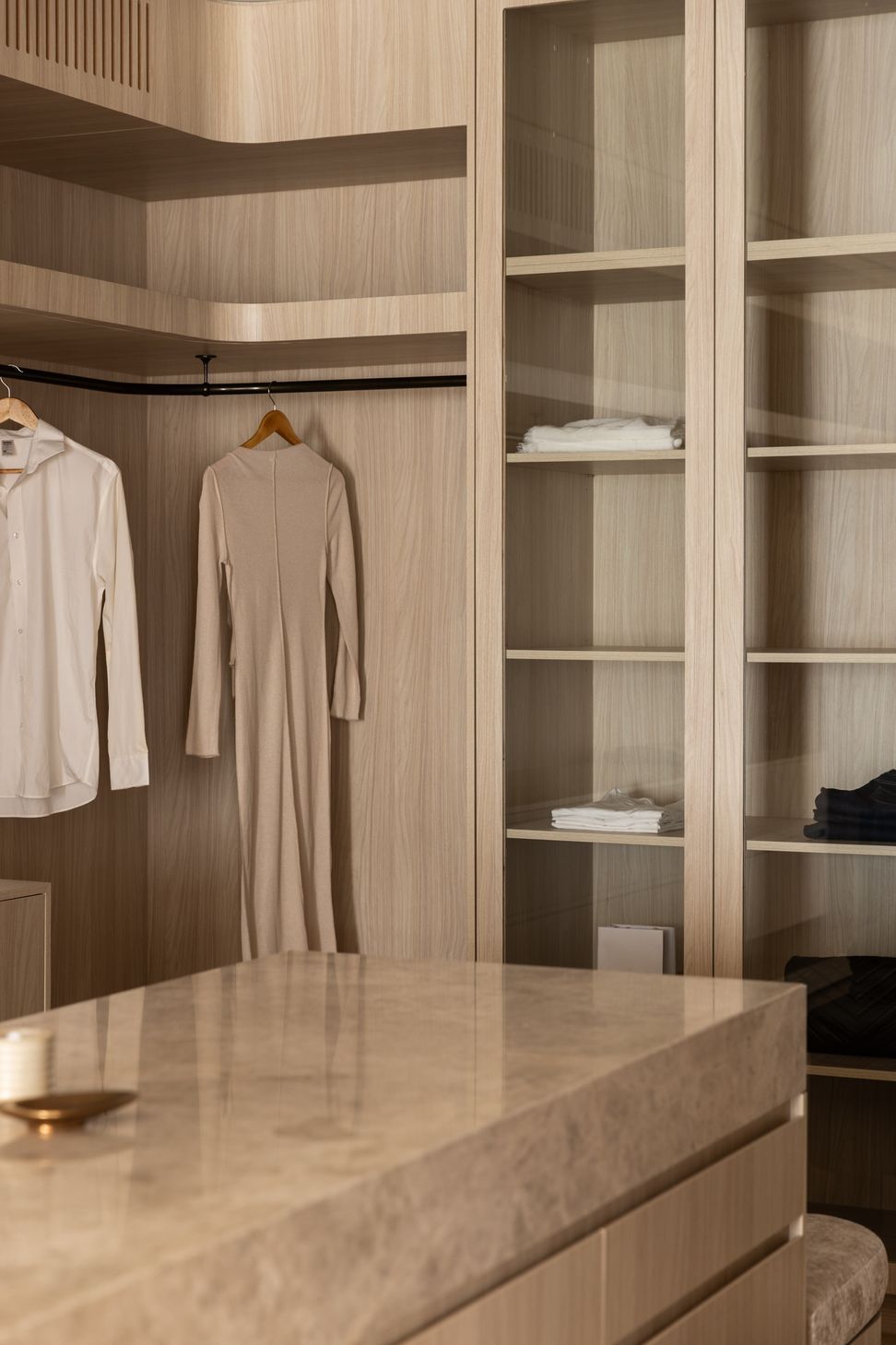
Sici created this sense of retreat through scale and dramatic materiality. The master suite is expansive, with the floor plan reworked to make the most of its proportions. The walk-in wardrobe alone is almost the size of a bedroom, conceived by the studio as something closer to a high-end fashion showroom than a conventional dressing room.
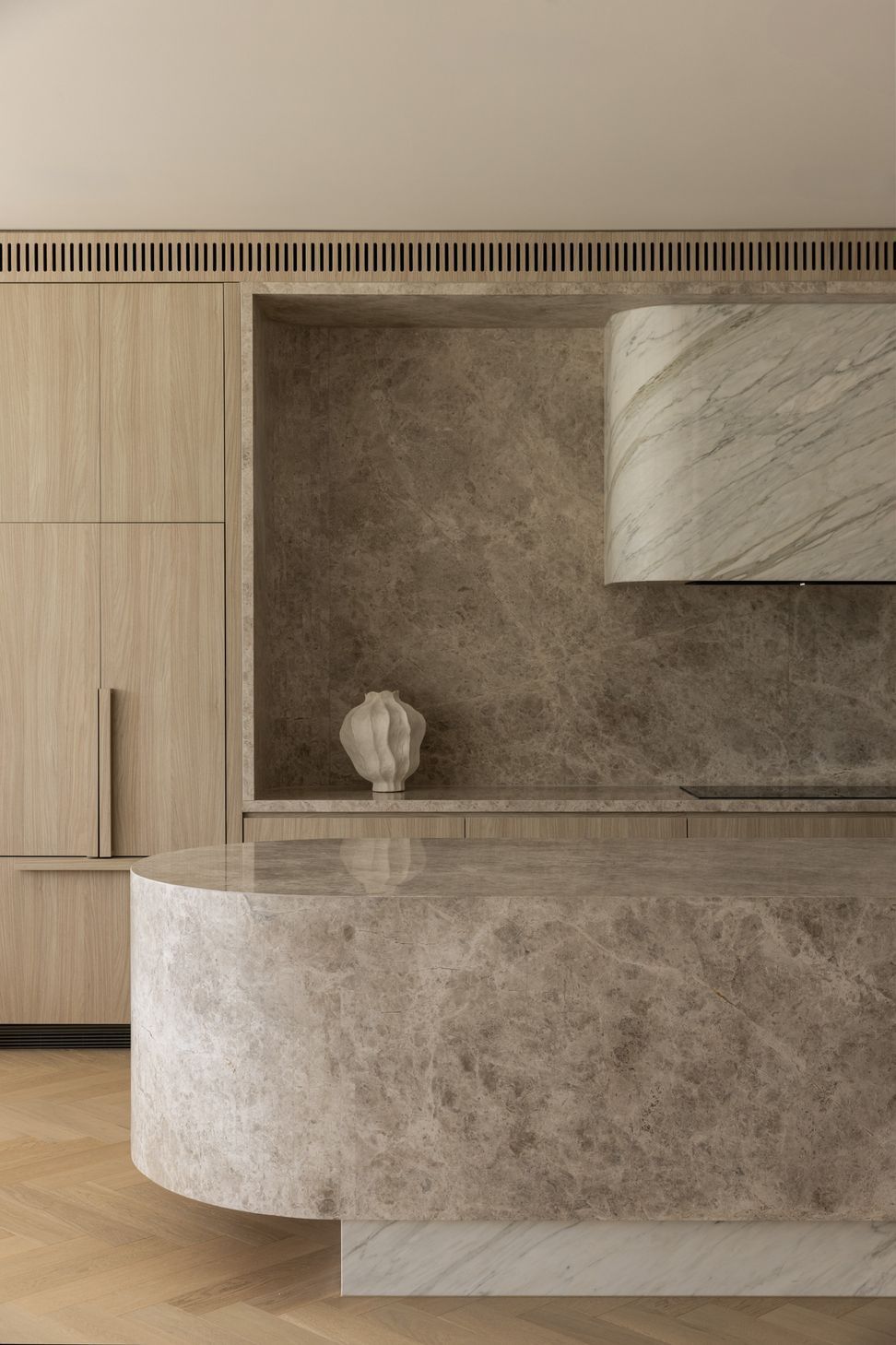
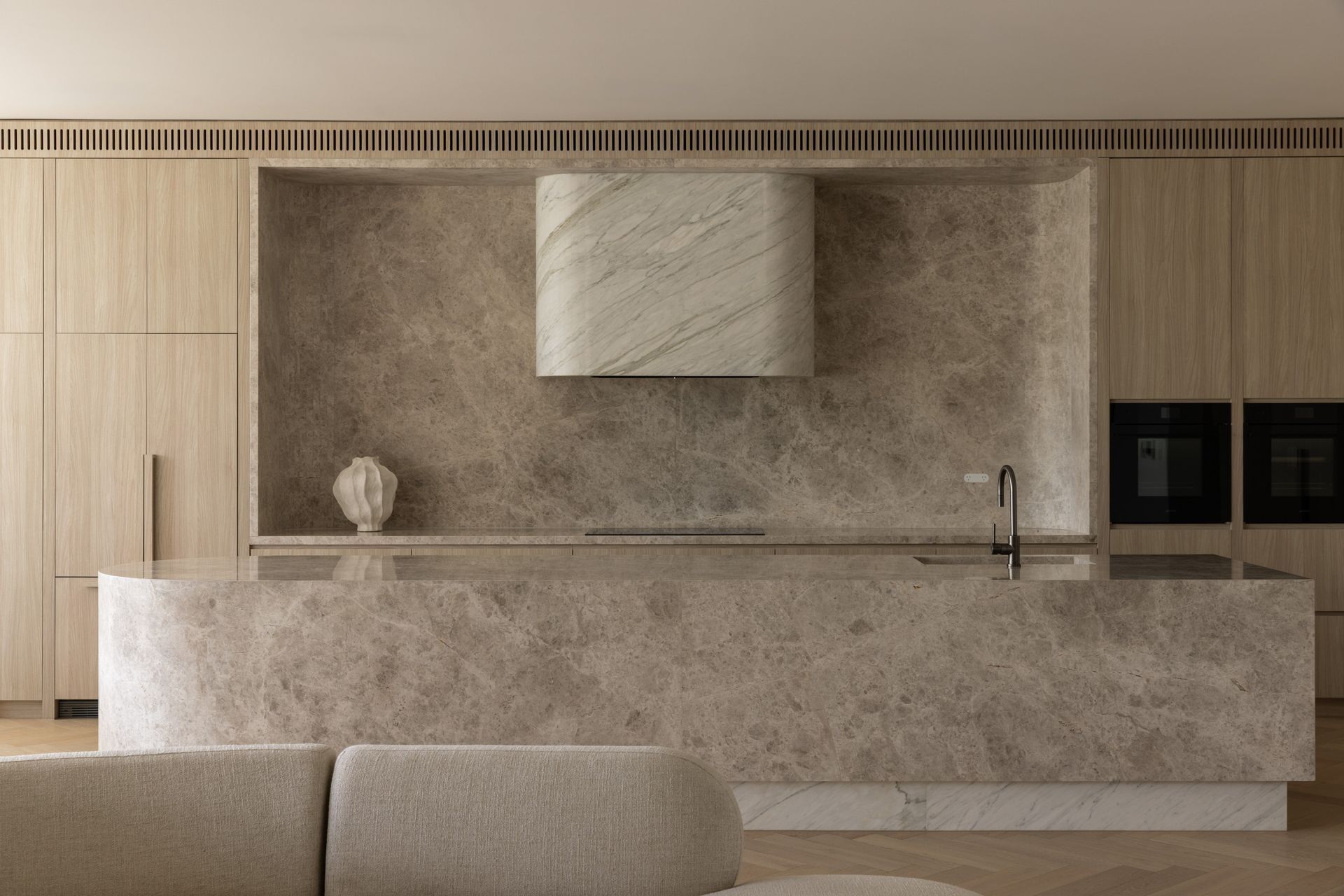
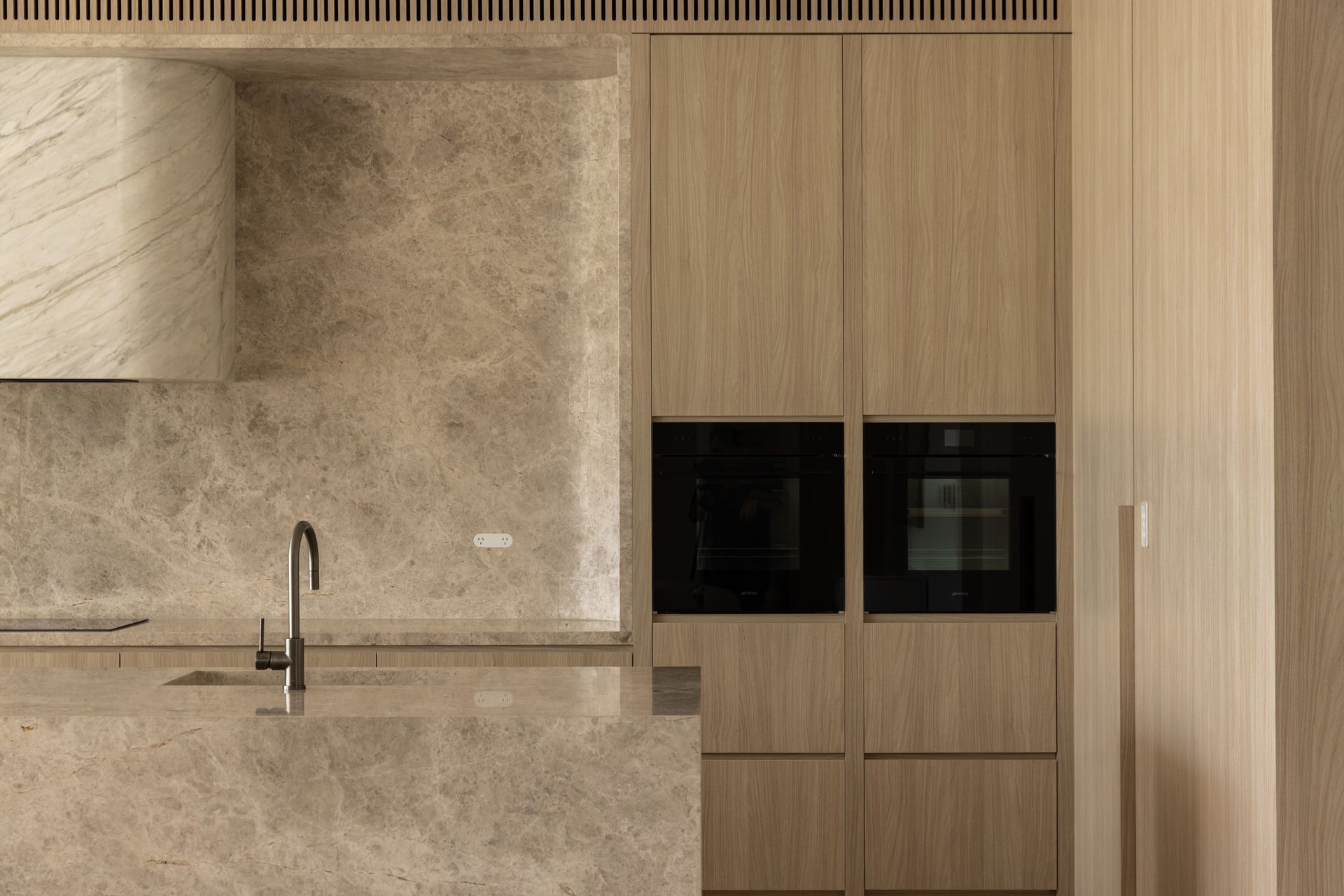
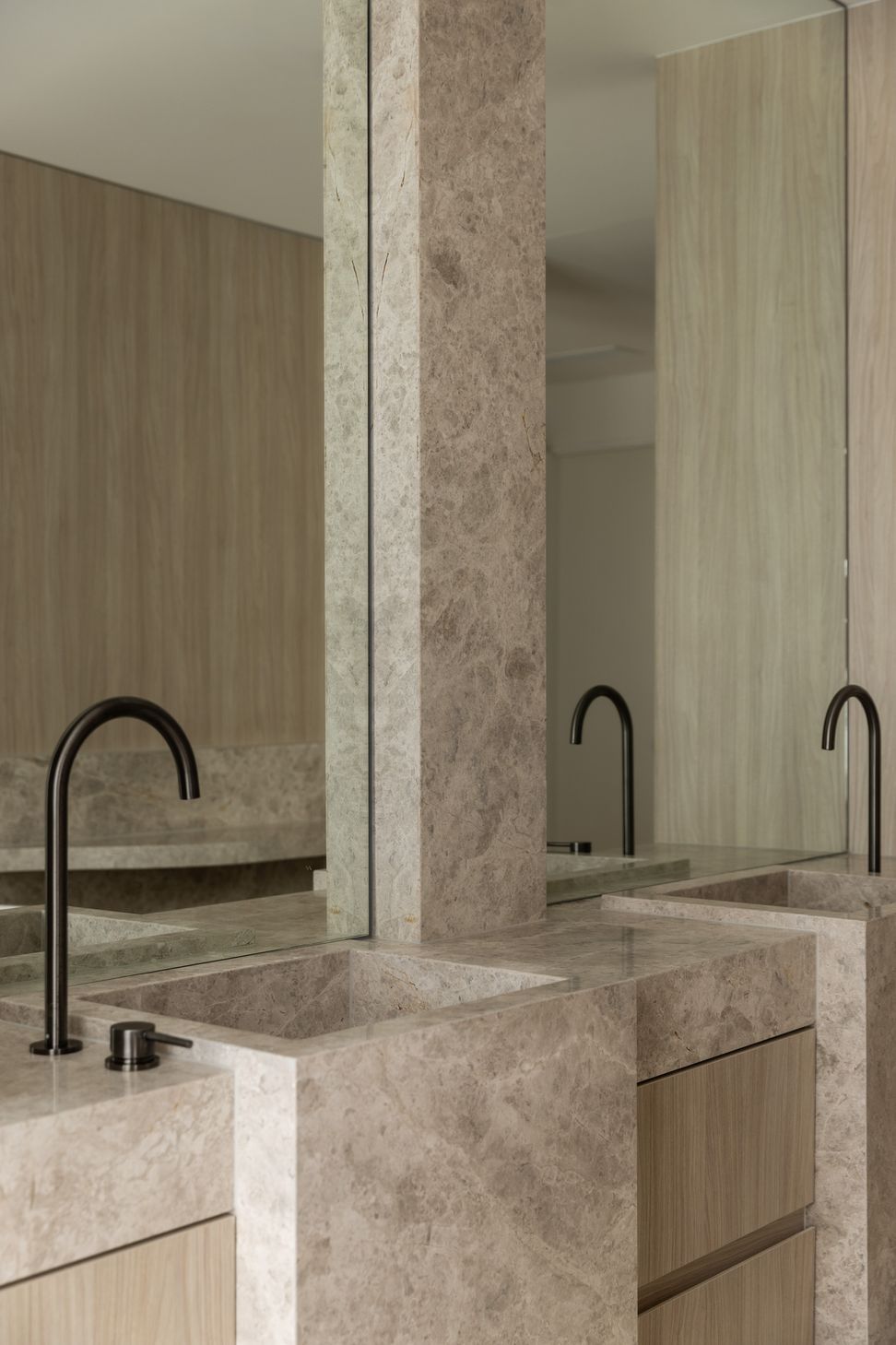
The kitchen was one of Sici's first explorations of a two-tone stone palette, bringing limestone together with Calacatta Vagli Oro marble. The combination is substantial without being overwhelming, with the detailing and proportions creating the drama
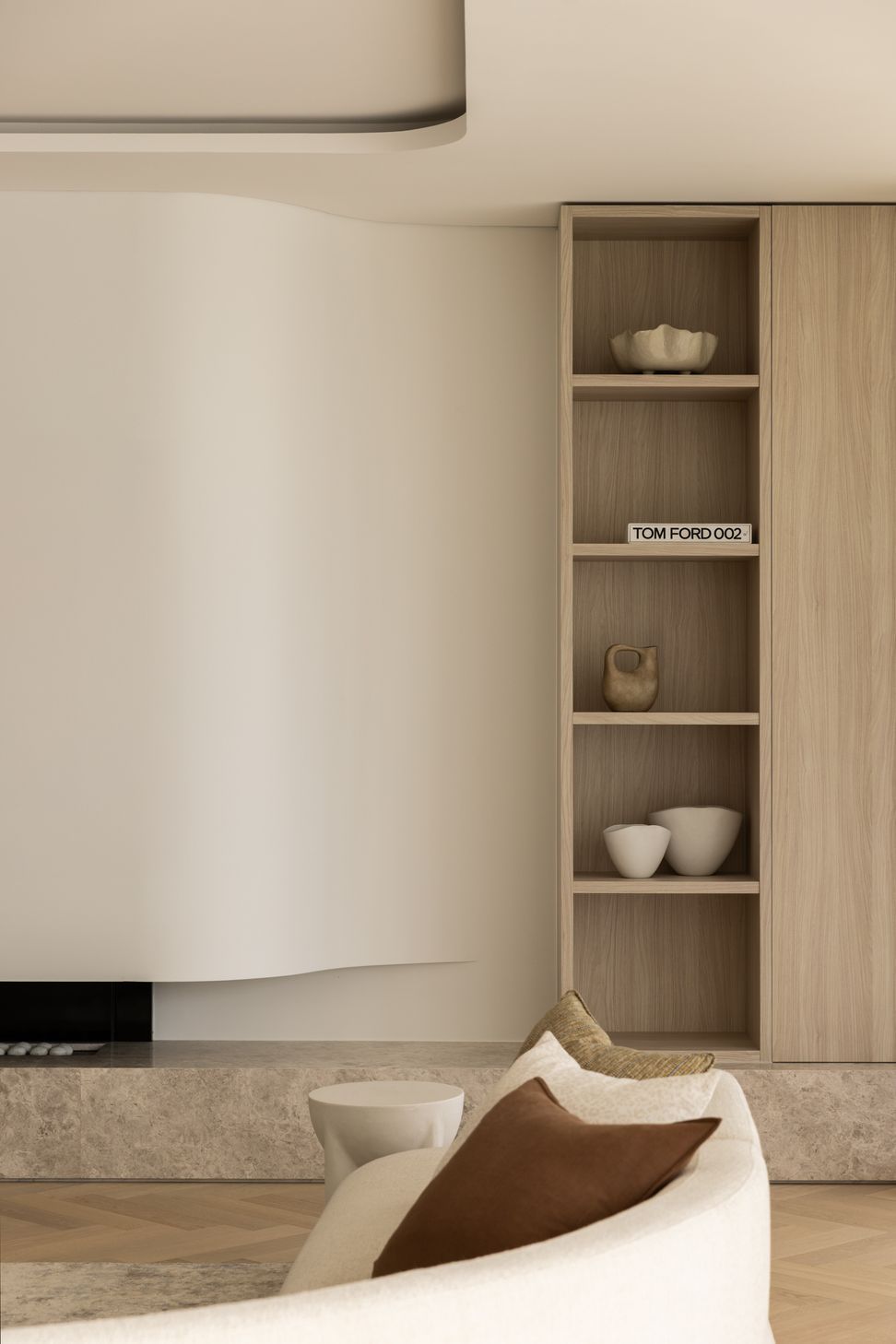
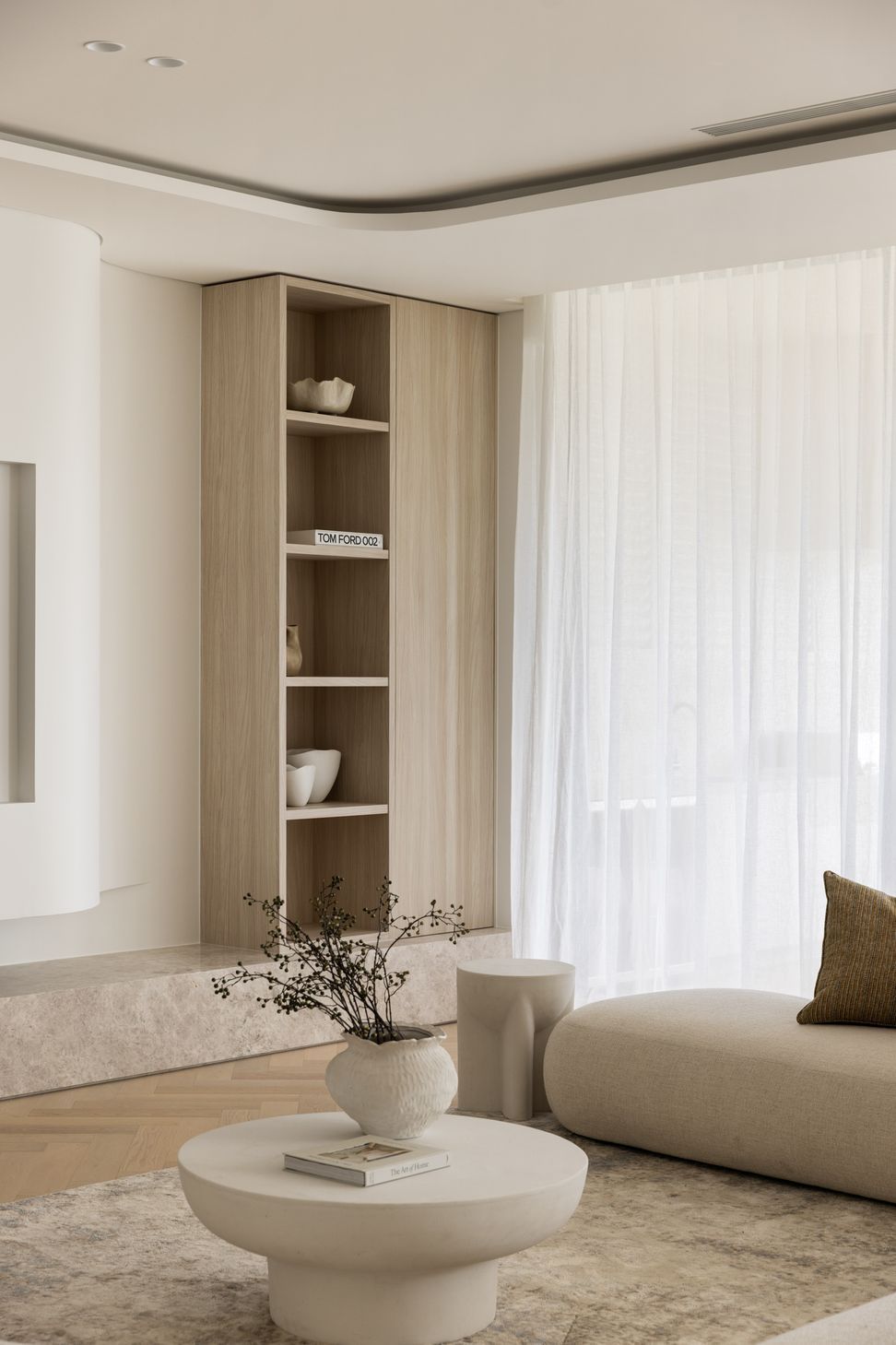
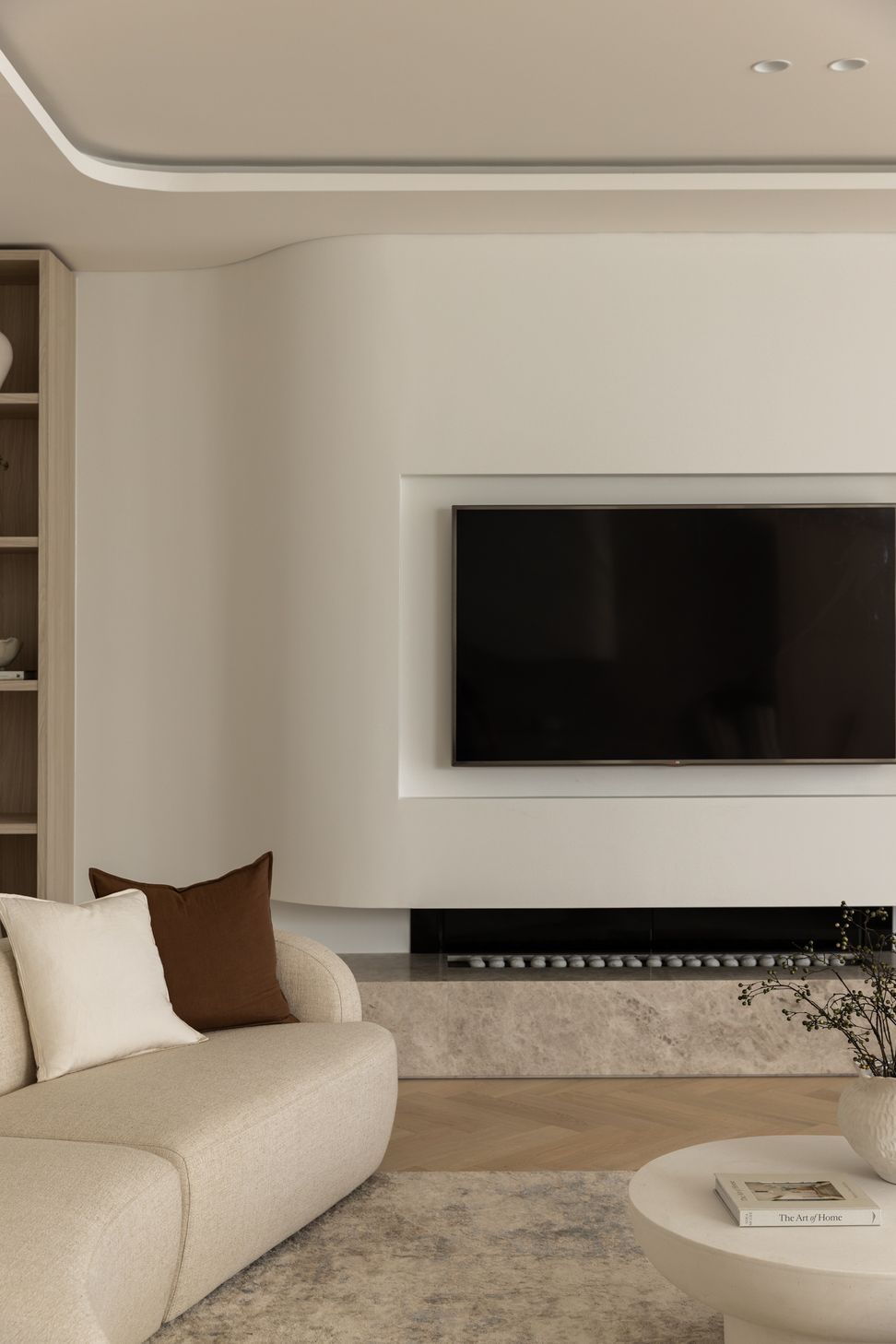
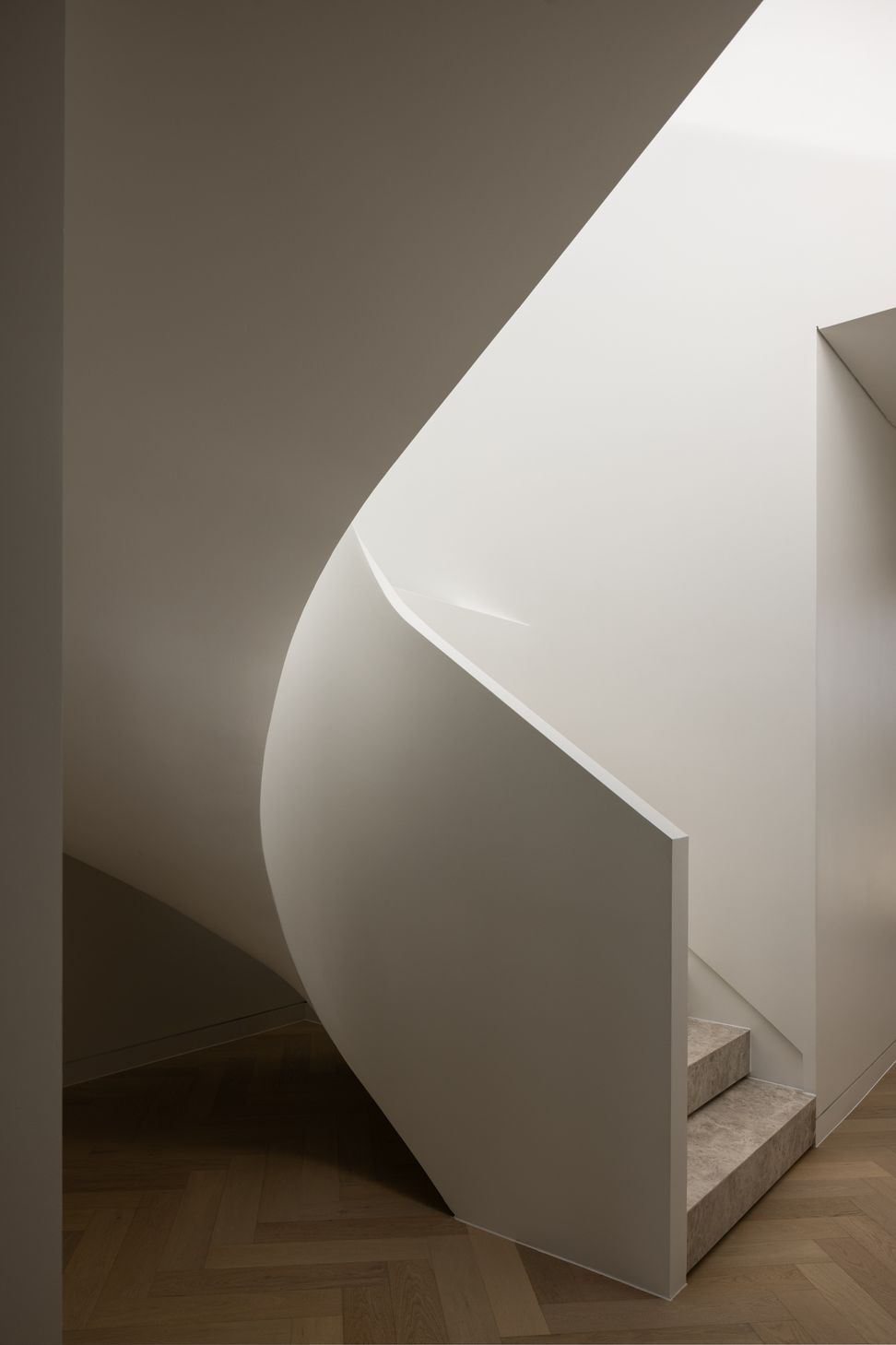
White space is treated as something positive rather than something that needs to be filled, allowing the material selections to retain their presence.
"Less is more in this case," says Papadopoulos.
That restraint is particularly effective because the house is not short on space. The proportions could easily have invited a more maximal approach, yet the design repeatedly pulls back, allowing rooms to feel calm rather than simply large.
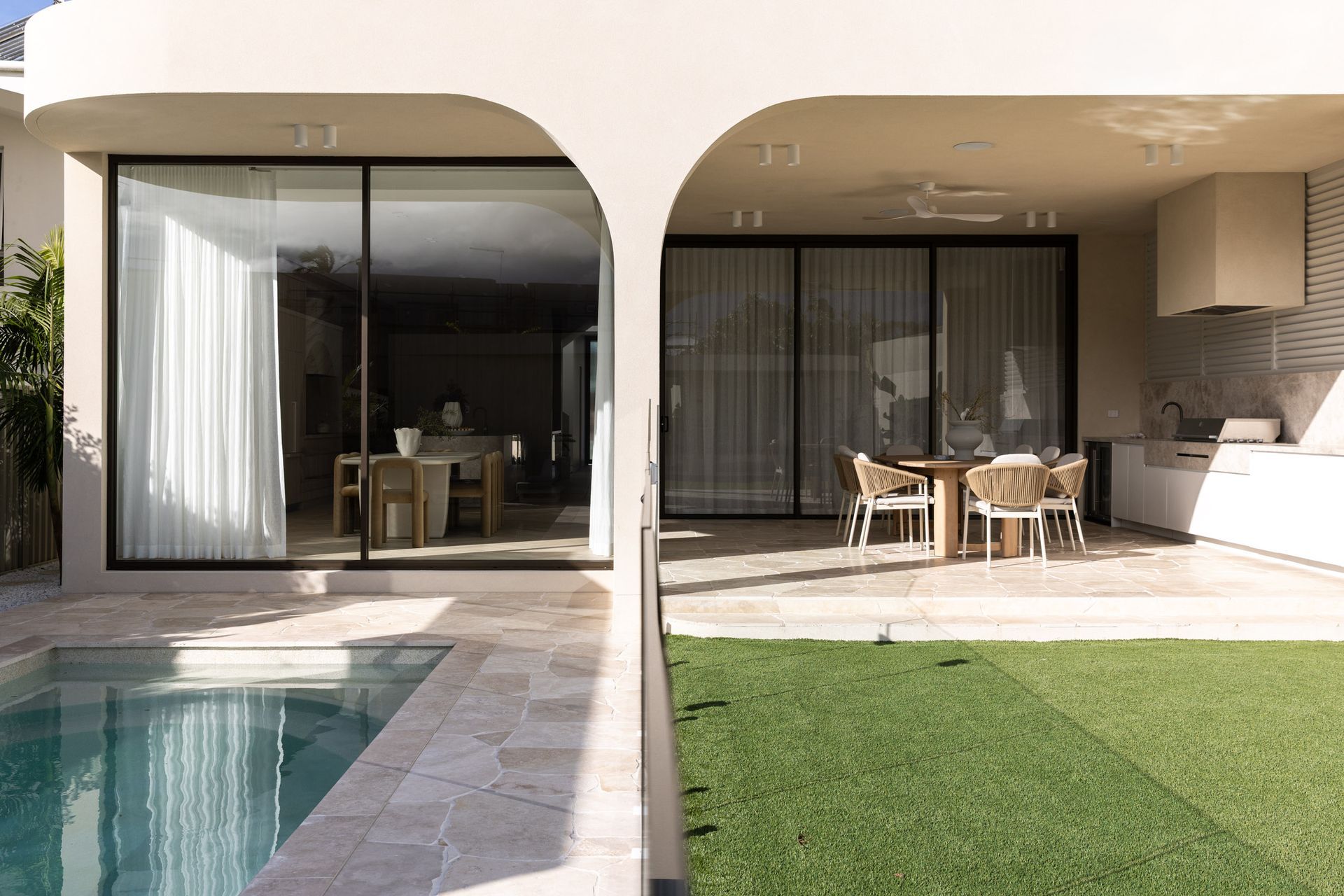
Outside, the same generosity continues. A fully functioning outdoor kitchen sits alongside the main kitchen, with two dining areas positioned to make the transition between inside and out feel natural rather than ceremonial. For Sici, it was important that the outdoor spaces function as part of the everyday life of the house, rather than as an occasional entertaining zone.
It also demonstrates why Papadopoulos is so interested in the point at which architecture and interiors meet. Sici undertakes both, although the studio's role on Boulevard was primarily interiors, and she says the best results come when that conversation begins before the architecture is resolved.
"A lot of people don't understand the significance of the architectural planning and how it does affect interiors," she says. "We always tell our clients, come to us as early as you possibly can."
On Boulevard, there is a subtle irony in the finished home. It was designed without a particular person in mind, yet it does not feel anonymous. The master suite has the atmosphere of a retreat, the kitchen has enough material character to anchor the main living spaces and the outdoor areas are detailed enough to suggest a particular way of living without prescribing it.
For Sici Design, designing for an unknown owner didn’t mean removing personality from the architecture, it meant finding the qualities that could carry the house beyond one person's taste and allow enough space for the next person to bring their own life to it.
For those looking to develop that kind of considered approach to residential design, ArchiPro brings together inspiring Projects, innovative Products and experienced Professionals, providing a place to explore the ideas and expertise behind some of the most distinctive homes being created today.
- Building style
- Modern
Like this Project?
Hire Sici Design
The products behind the project
22 products specified into this build from eight suppliers, verified ArchiPro members. Tap through to specifications, suppliers and lead times.


Professionals used in
this project
The practices and trades credited on this project.









More projects from
Sici Design
Other work by Sici Design, across every category they build in.


More in
Luxury Homes
Everything else in Luxury Homes, from every practice on ArchiPro.


Next Project
Keep scrolling