Beyond the city: Hecker Guthrie’s approach to building in beautiful yet remote locations
Written by
21 September 2026
•
7 min read
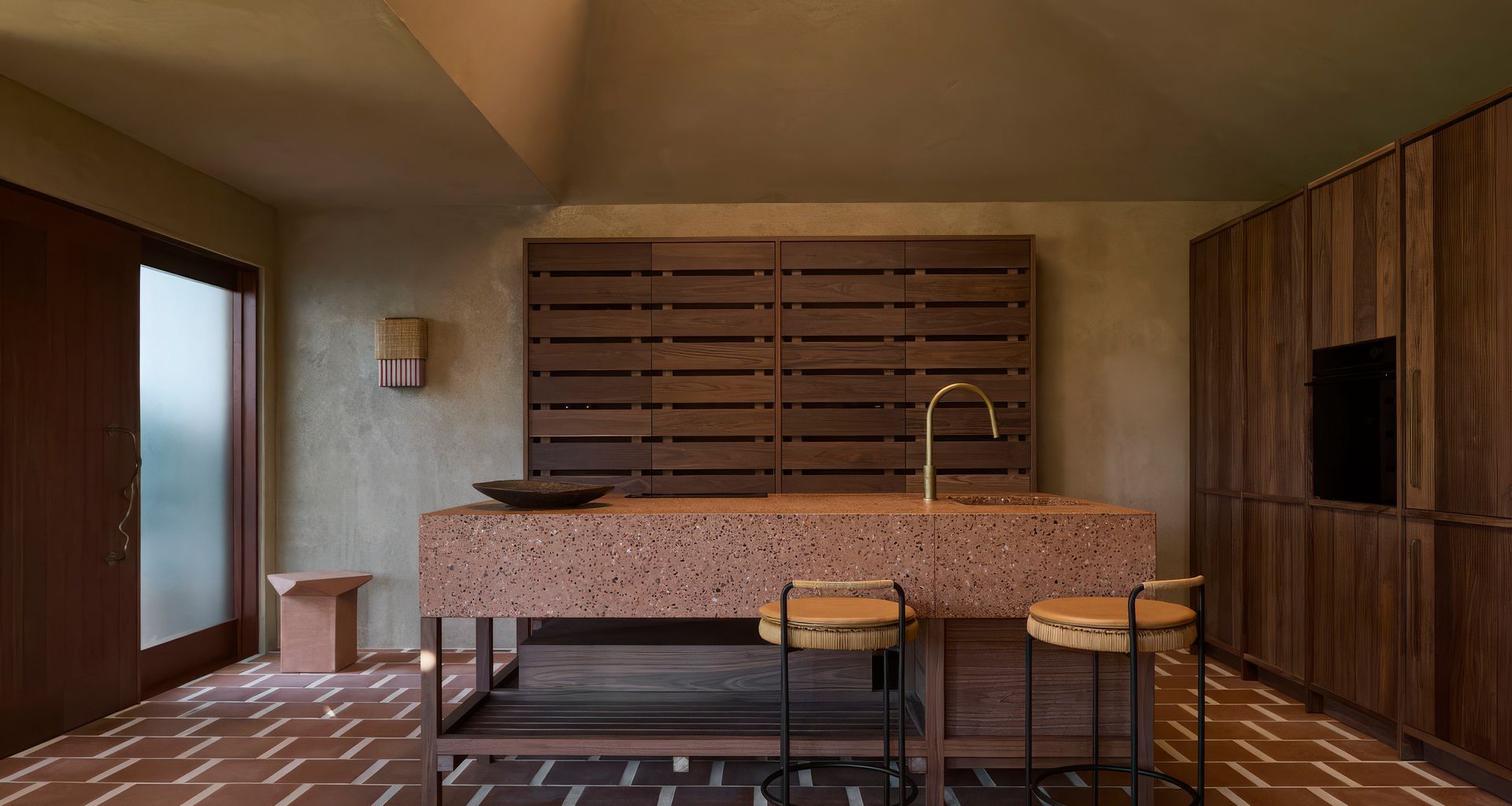
As a coastal location, Byron Bay needs no introduction. Its stunning beaches and increasingly designer shops and restaurants far from the madding crowds of the city are its biggest draw cards. However, when it comes to engaging an interior designer with the right credentials and style to match, chances are that the designer won’t be local - they might even be based in Melbourne.
This was the case for Melbourne based studio Hecker Guthrie when they were engaged by their client to design a residence in Byron Bay that stepped away from the typical coastal aesthetic. It is of course more than possible to work with a practice in a different state, it just takes a little more planning and coordination. For Hecker Guthrie Director Stacey Van Harn, the first practical consideration is getting to the site.
“For us, Byron Bay is a fair way away. I'm a Queensland girl originally, but even getting there means flying to the Gold Coast, hiring a car and driving down,” notes Van Harn. “So there's the logistics of not being on site as often as you would for a local project, that's one thing to think about - but that shouldn't put you off working with people further afield.”
The trick is drawing on the designers network and trusting them to guide and support the project with excellent communication. In this case, thanks to the existing relationship between the client and local builder Bare Build, this piece of the puzzle was the first to slot into place. From there, the challenge became bringing together a team of tradespeople with the right experience and attention to detail required to execute a project from afar.
“Finding the right tradespeople in a regional area is really important and sometimes it's actually a bonus, because you find people who are hugely dedicated to their craft,” notes Van Harn. “Still, you do have to seek them out, and sometimes that means bringing people in or having them stay on site. Once you've got the right team, you're set. But it takes real effort to get there.”
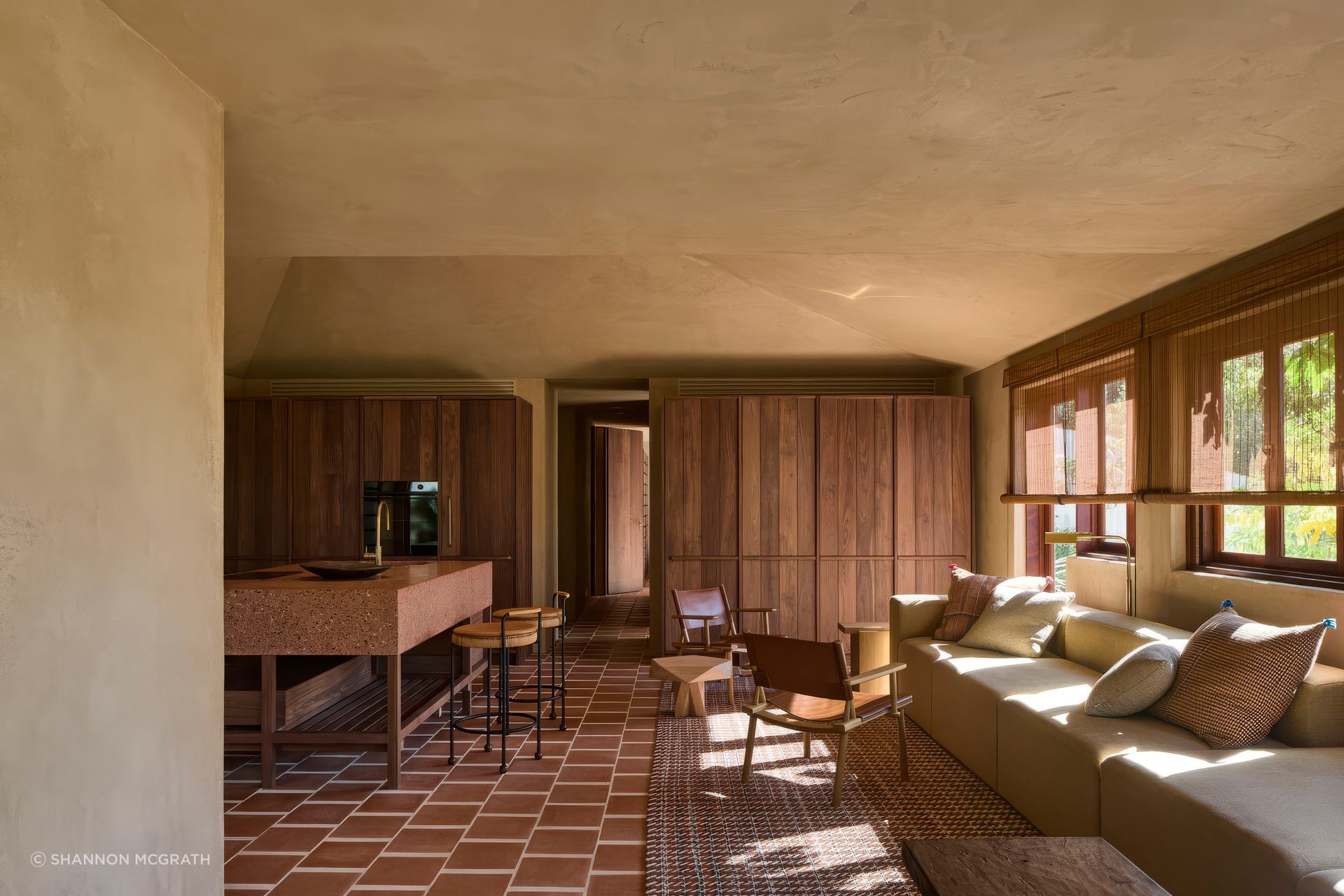
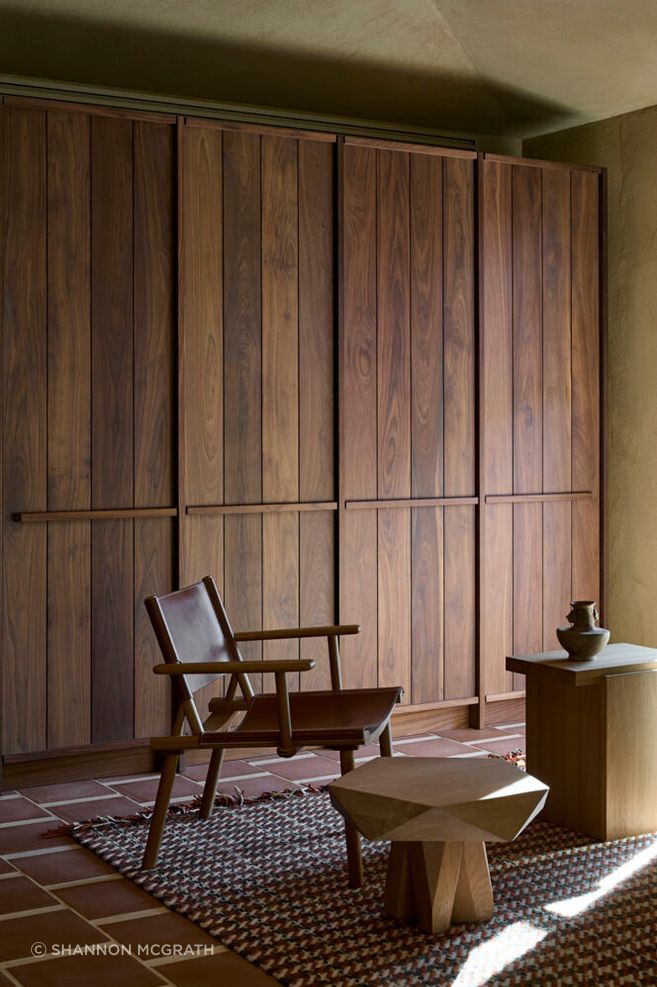
In this instance, the builder brought a Gold Coast cabinetmaker onto the project to manufacture the bespoke timber furniture and joinery, which was a key anchoring element of the interior design.
Start with what is actually possible
For anyone contemplating a regional build - or any new build or major renovation for that matter - Van Harn’s advice is deceptively straightforward: understand the constraints early enough so that they can inform the design. “Your designer needs to think about the constraints and logistics from the very beginning,” she states. “There's no point in specifying something that's never going to make it to site.”
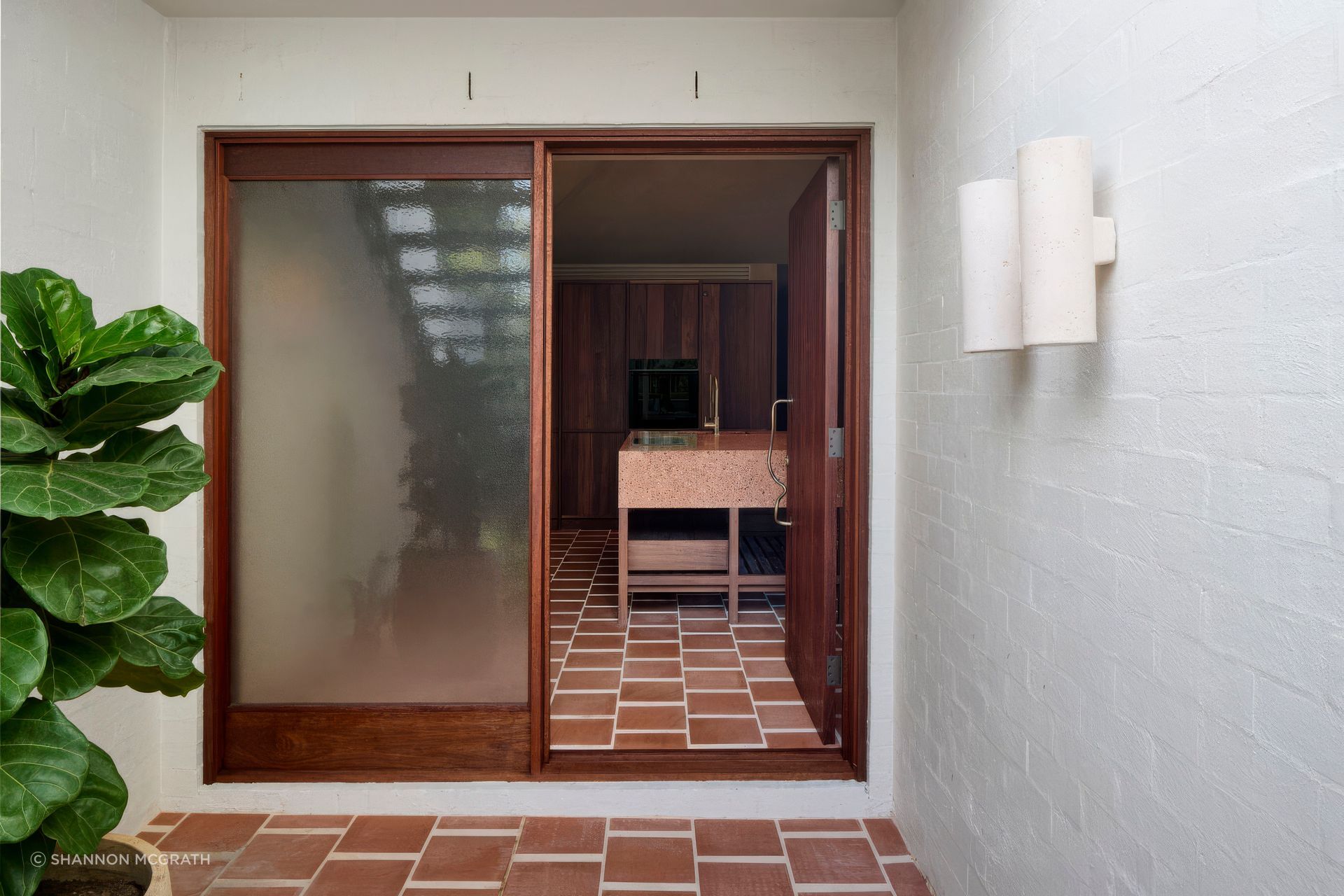
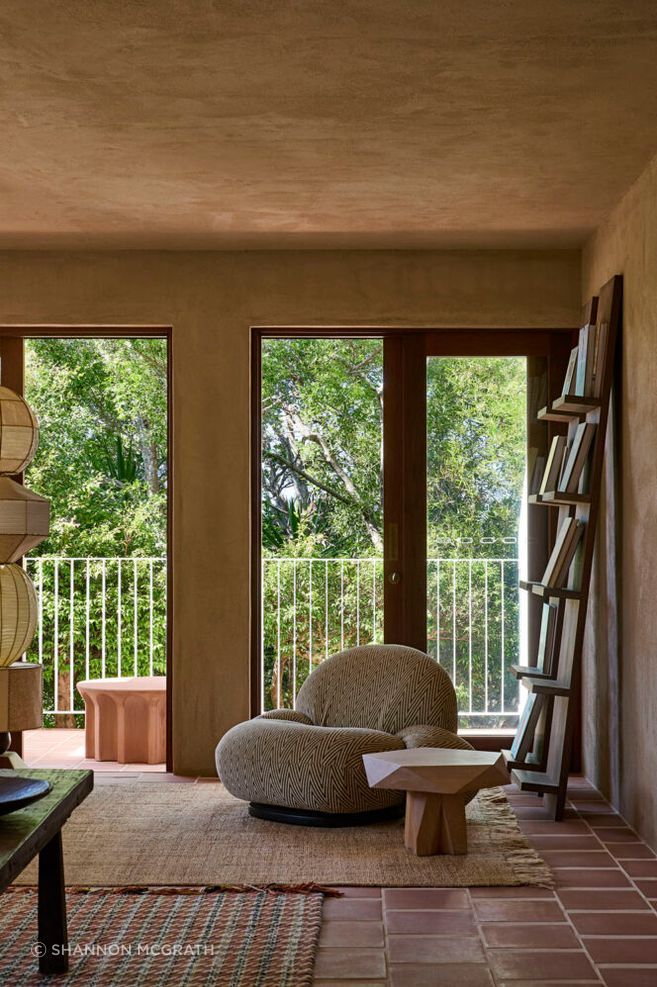
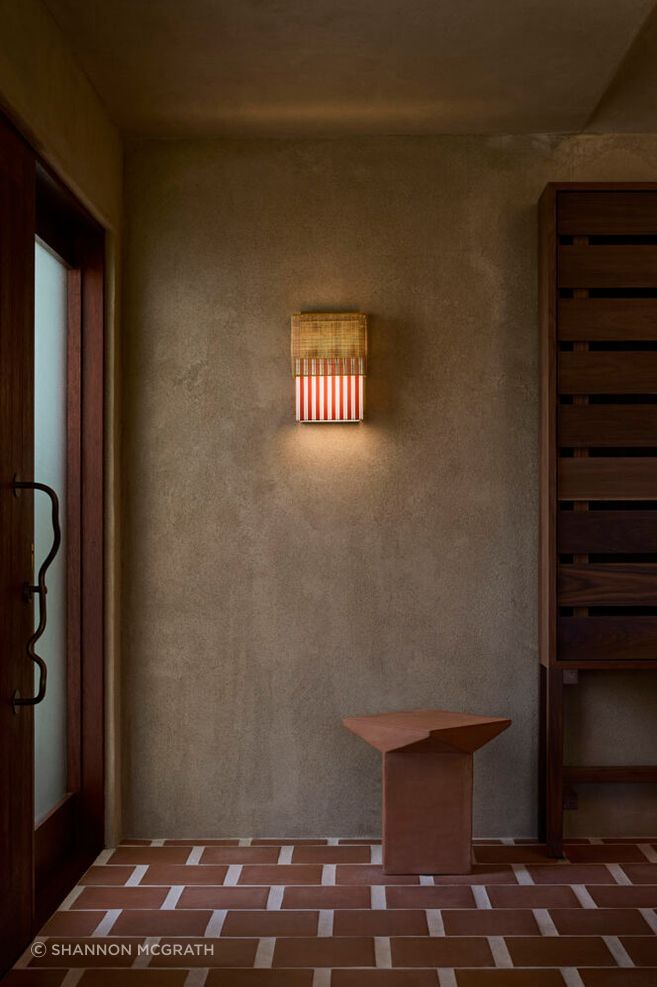
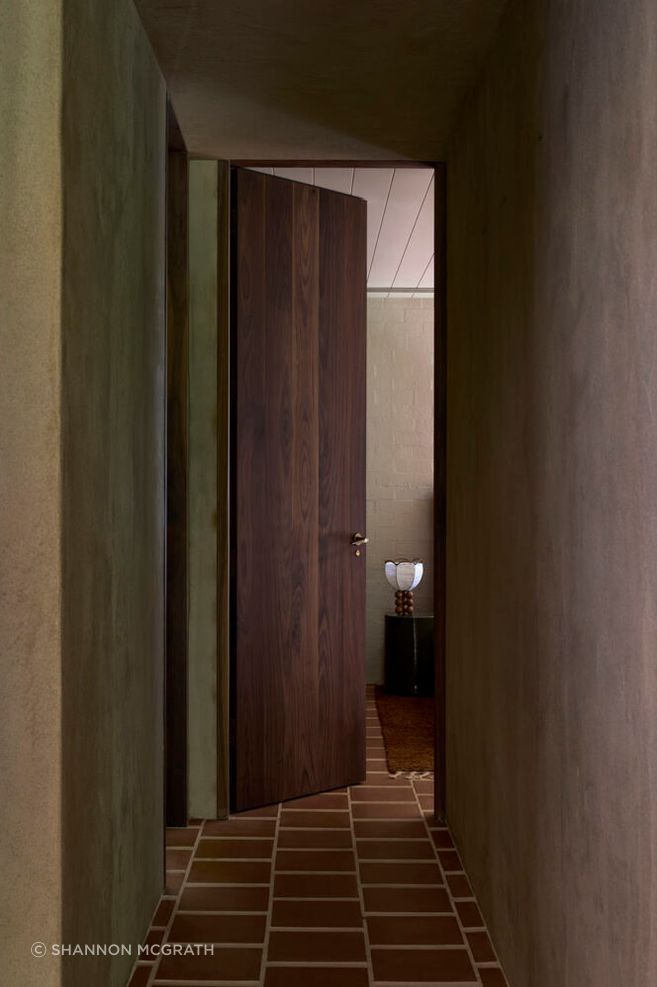
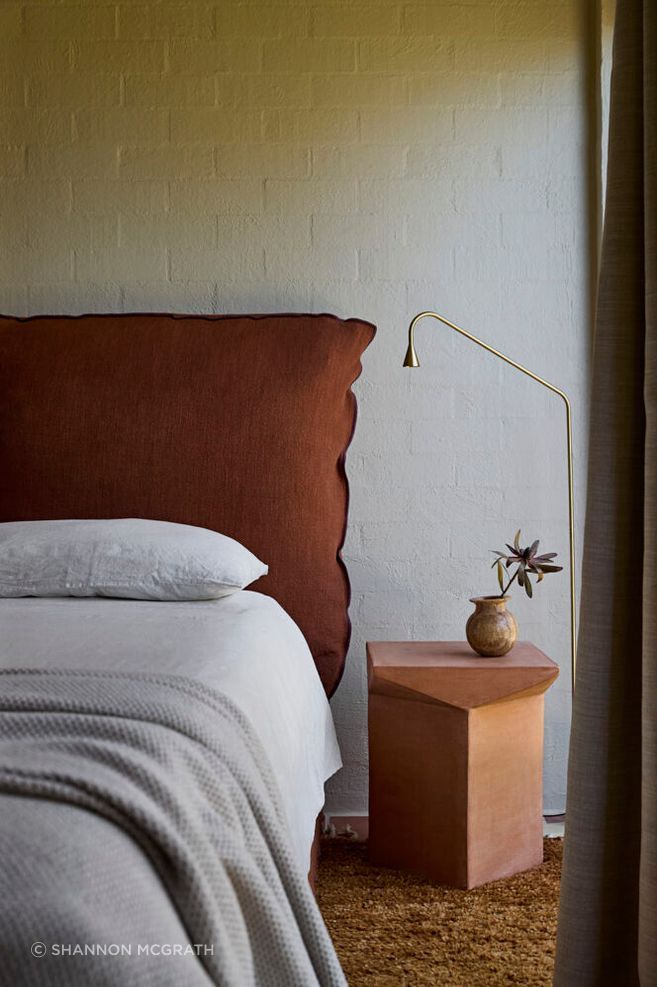
While Byron Bay is regional, it’s still relatively close to Sydney and Brisbane. This meant that the logistical and specification challenges that some regional projects present didn’t come up quite as often. Compared to their Mitchelton Hotel project, which is located at Nagambie in regional Victoria, Byron Bay was relatively easy, although not without its own unique considerations. “When we worked on the Mitchelton Hotel the logistics of getting materials to site were a real factor,” recalls Van Harn. “Even in Byron, we had beautiful terracotta tiles coming all the way from Europe. You've got to get them through a port in the city and then out to a regional area, which adds a layer of time.”
Considering how something as simple yet fundamental to the project's overall aesthetic outcome as a terracotta tile will get to site in a timely fashion shouldn’t mean ruling out the product that will achieve the desired design outcome. All it means is that a great team and exceptional communication and project management are essential - which is arguably the benefit of engaging a studio with experience delivering outstanding projects.
Document more, not less
Distance also changes the relationship between drawing and building.
On a metropolitan project, a designer can be on site relatively quickly when the unexpected happens or a builder needs a quick resolution. Working on a regional project obviously means that’s not possible. “You absolutely have to spell everything out,” Van Harn says. “On a regional project, everything needs to be mapped out so you can talk it through over the phone or on a video call.”
For Hecker Guthrie, detailed documentation is standard practice, but as Van Harn highlights, its value becomes particularly apparent once geography separates designer and site. “At Hecker Guthrie, we pride ourselves on producing really strong documentation packages for every project, and that's exactly the kind of process that makes a more remote project run smoothly. If that discipline isn't there, you can run into real trouble on a regional build.”
In practical terms, good documentation reduces the number of decisions that depend upon the designer physically being there, although of course there is always room for workshopping when site visits do take place. Ultimately however, the documentation packages function as the source of truth, ensuring that when an issue does need to be resolved remotely, the designer, builder and trades are all referring to the same exact thing.
Collaboration is the key to perfecting the details
Of course, no amount of documentation can anticipate every condition encountered during construction, particularly when the design relies heavily on handmade elements and natural materials.
At Byron Bay, seemingly small details required considerable collaboration to achieve the intended result. The ceiling structure, for example, conflicted with the positioning of some proposed light boxes, which required Van Harn and her team to work through the structural implications with the builder to come up with a solution that didn’t compromise either the structural or the aesthetic integrity of the house.
Meanwhile, the desired terrazzo floors in the bathrooms also took an extra bit of care and collaboration to achieve. “We wanted terrazzo floors, and because of the rich terracotta palette, we landed on in-situ terrazzo, " recalls Van Harn. “This meant finding a trade in Byron Bay who could deliver it, and a fair bit of back-and-forth to get it right.”
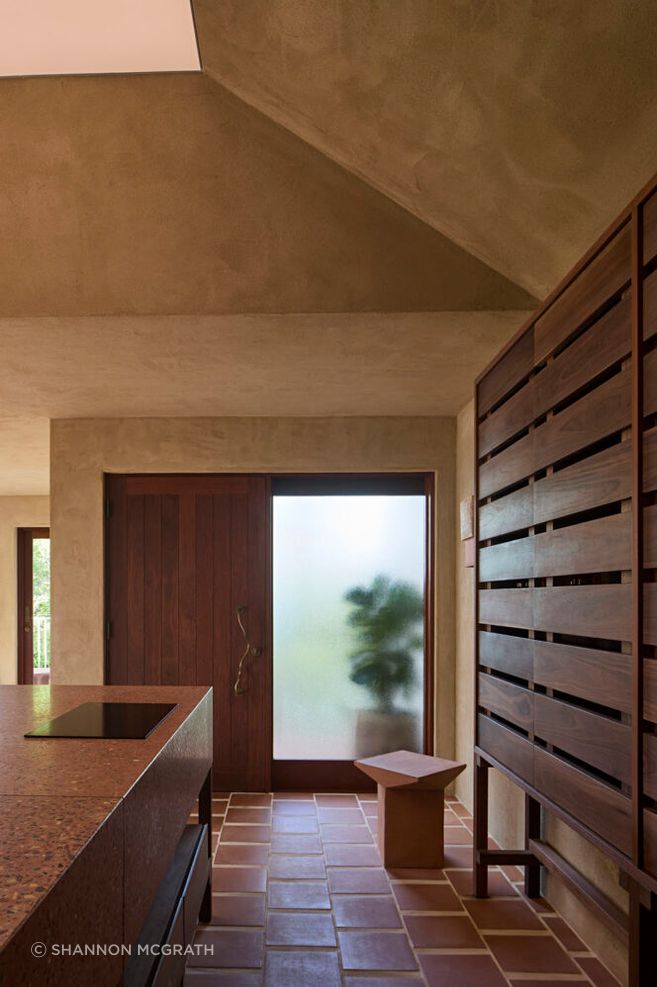
The walnut joinery demanded a similar collaborative process owing to the inherent variations of natural timber, but the effort was one-hundred percent worth it. “Natural materials vary, so there was a lot of sampling, reviews and workshopping with the trades to get that seamless finish,” points out Van Harn. “It's absolutely stunning. It fulfills everything we envisaged.”
As with any beautifully expressed finished project, the long hours, extra effort and layers of complexity are soon forgotten. What remains is the friendships and the bond that comes as a result of navigating through challenges together. When it comes to regional projects, this sense of collective achievement is amplified precisely because of the extra hurdles that had to be jumped to go from concept to reality.
Build the team as carefully as you design the project
Perhaps the most useful shift in thinking, then, is to consider the builder and trades as collaborative partners almost from the outset. A builder familiar with the local market understands who is available, which skills can be found nearby and where a specialist may need to be brought in. “Getting a build team on board who have experience working with designers on design-led projects is really important,” says Van Harn. “When you find people like that, they're incredibly valuable, but they can be rare, so it's worth doing the research to find them.”
The smarter way to approach a regional build, it seems, is not to lower the ambition but to increase the preparation. Know what can get to site. Know who can make it. Document what needs to happen when you cannot be there. And, perhaps most importantly, assemble the people capable of solving the things that no drawing can predict.
Explore more of Hecker Guthries award-winning work via their profile. And find out more about what it takes to build exceptional projects on ArchiPro now.