The invisible architecture behind exceptional wine storage
Written by
05 August 2026
•
4 min read
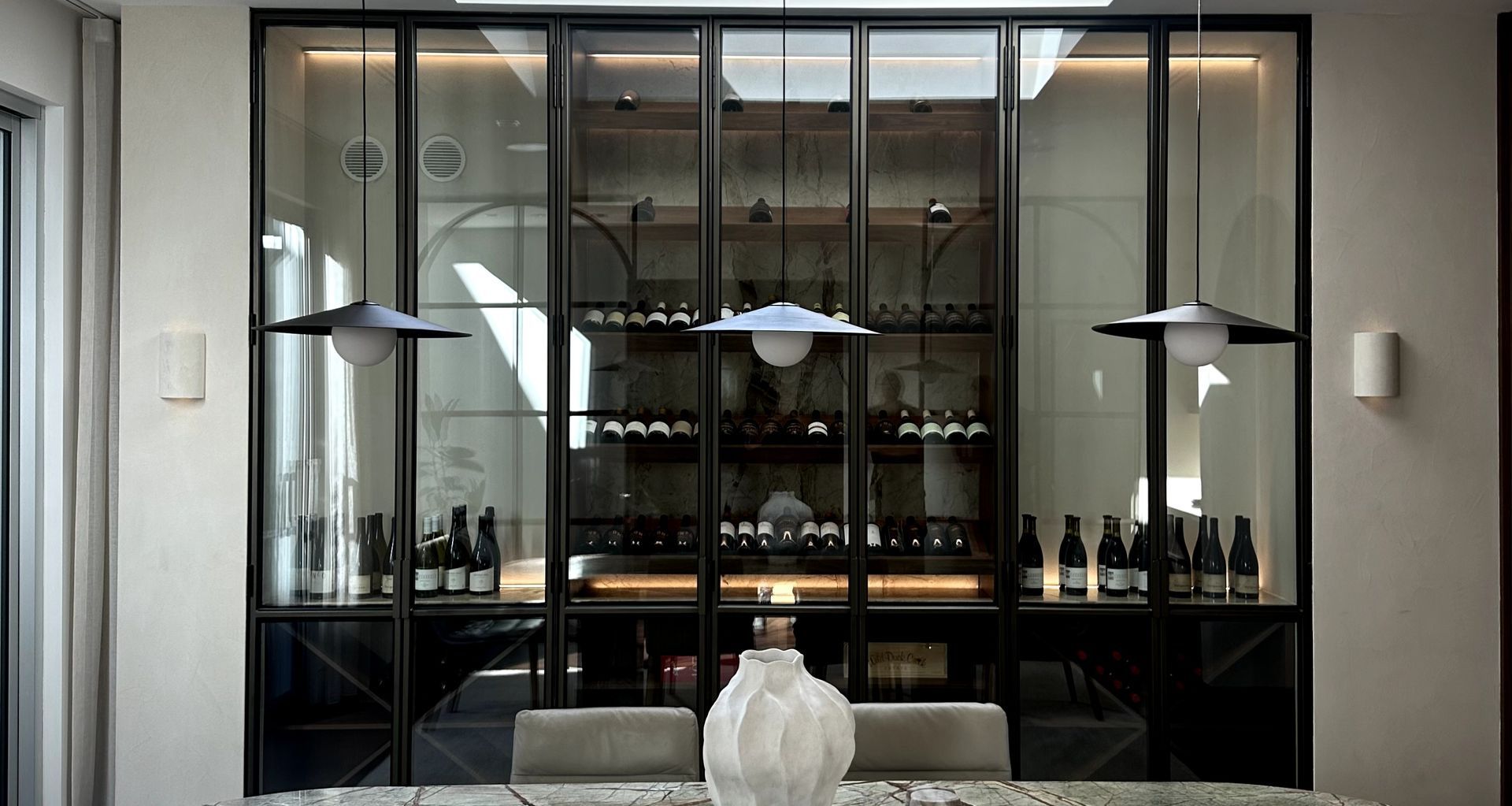
The anticipation of a high-quality drop is as alluring as the wine itself, with a glimpse through a floor-to-ceiling wall of bottles or a softly illuminated wine cellar tucked beneath a staircase signaling a host that takes their wine as seriously as the menu.
Behind the scenes, however, a wine cellar is far more than beautifully detailed joinery and carefully curated bottles. It is a precisely engineered environment where temperature, humidity and insulation work together to protect collections for years, or even decades. If you get the fundamentals right, the infrastructure disappears, allowing the wine to take centre stage.
For more than two decades, Kings Winehaus has been helping architects, builders and homeowners create controlled environments for their wine collection. As Australia's distributor of French wine cellar conditioning specialist Fondis WineMaster, the Melbourne-based family business has become synonymous with bespoke climate control systems that disappear seamlessly into contemporary architecture while preserving ideal storage conditions.
“Over the past few years, we’ve seen a significant shift towards ducted split systems, which allow the machinery to be completely concealed,” says Mark Bolonis of Kings Winehaus. “The only visible elements are the discreet air vents.”
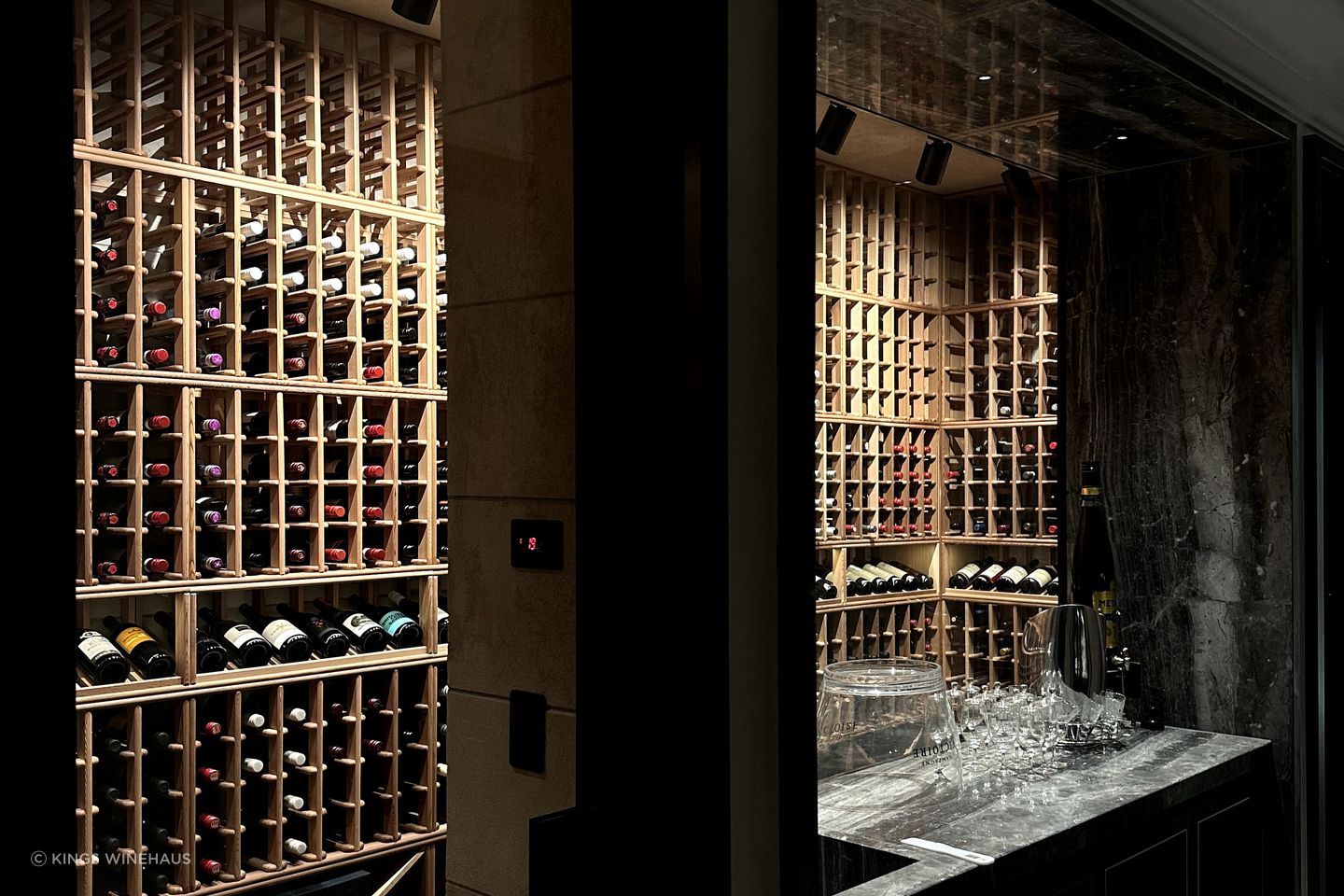
This reflects a shift in the way wine storage is being considered. Once viewed as a practical addition hidden away in a basement or utility room, wine cellars are now being integrated into the architectural narrative of a project, whether as a statement feature in a luxury residence or a centrepiece within a restaurant.
“The displays have become much more discreet,” says Bolonis. “People want walls of wine, display cellars and spaces that are beautifully integrated into the home. Our systems are specifically designed to operate quietly and discreetly, making them well suited to high-end residential environments.”
The same trend is playing out across hospitality. Wine bars and premium restaurants are increasingly using display cellars to create atmosphere while housing extensive collections behind the scenes. Kings Winehaus systems have been specified in several acclaimed Australian venues, including Restaurant Botanic in Adelaide and Tipo 00 in Melbourne, where maintaining ideal storage conditions is every bit as important as presentation.
"Wine forward restaurants often have storage cellars holding thousands and thousands of bottles," says Bolonis. "At the same time, a lot of wine bars want to showcase their collections, so they'll combine display racking with discreet conditioning systems that stay completely out of sight."
Achieving that seamless result depends on involving specialists much earlier than many clients realise.
One of the biggest misconceptions, according to Bolonis, is that a wine cellar can simply be created by installing a cooling unit into an existing room.
"You can't just put a machine into a room and have an instant wine cellar," he explains. "Insulation is about 50 per cent of building a wine cellar."
That means every project begins with understanding the room itself. Kings Winehaus works closely with architects, builders and homeowners to assess insulation requirements, glazing specifications and heat loads before recommending the appropriate system from its range of 15 conditioning units.
"We ask questions about how they want to use the cellar," says Bolonis. "Do they want to see the machine or keep it invisible? How much glass will there be? What capacity do they need? Then we calculate the heat load and work out the best solution."
Glass, in particular, plays a significant role in performance. Double glazed argon filled panels, airtight construction and carefully considered insulation all contribute to maintaining the stable environment that fine wine demands.
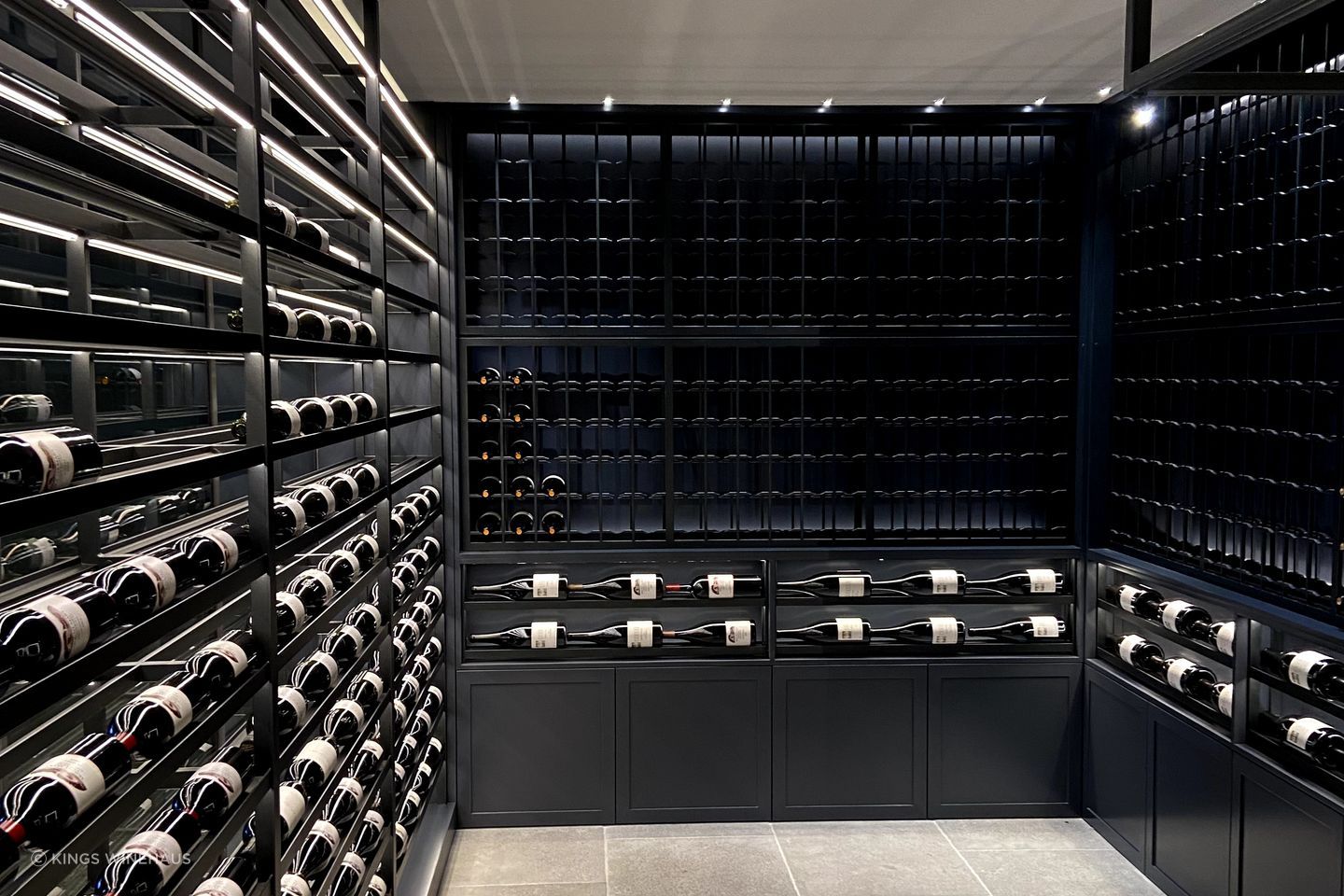
The earlier those conversations happen, the better.
"A lot of people contact us once the house has already been built," says Bolonis. "We'll always help them make it work, but it's much easier if we're involved from the start. Then everything can be designed around the cellar rather than trying to retrofit it later."
As architectural expectations continue to rise, so too does the demand for conditioning systems that work almost invisibly within increasingly refined interiors. Ceiling mounted units concealed within roof cavities, ultra slim cassette systems and discreet through wall solutions are allowing designers greater freedom than ever before, without compromising performance.
"It's all about how well the machines integrate into the room," says Bolonis. "Architects are getting better and better at hiding them, or even making the grilles part of the design itself."
Ultimately, seamless integration is what distinguishes a successful wine cellar. While the architecture may draw people in and the collection may steal the spotlight, it is the invisible engineering behind the walls that ensures every bottle is ready to be enjoyed exactly as intended.
Integrating temperature controlled wine storage is an exciting part of creating your dream home. ArchiPro brings together the country's best projects, products and professionals in one place so you can move from dreaming to doing with confidence.