Architecture, cities and concrete take to the screen at Melbourne International Film Festival

Written by
05 August 2026
•
3 min read
Architecture rarely remains in the background. On screen, a building can reveal a character’s inner life, a city can become a protagonist, and an ordinary material can open up larger questions about permanence, progress and how we live.
At this year’s Melbourne International Film Festival, the built environment appears in some unexpected places. Concrete receives the Hallmark treatment, Melbourne’s CBD becomes a disorienting urban Wonderland, neglected fountains speak out in defence of civic culture, and the makers at Wētā Workshop reveal how an imagined world moves from early sketches into physical form.
Running from 6 to 23 August, the film festival brings new Australian and international cinema to venues across Melbourne and regional Victoria. For architects, designers and those curious about how spaces shape human experience, these are the titles on our radar.

The History of Concrete
A Hallmark-style documentary about concrete is an unlikely proposition. In the hands of John Wilson, it becomes something stranger, funnier and more affecting.
Best known for the HBO series How To With John Wilson, the filmmaker begins The History of Concrete with the crumbling foundations of his apartment building. From there, his investigation moves between ancient ingenuity, modern infrastructure and our enduring impulse to leave something permanent behind.
For the design community, its appeal lies in the way an ordinary material becomes a lens through which to consider cities, mortality and what societies choose to build, preserve or abandon.
How to Listen to Fountains
Public spaces often reveal their value most clearly when they begin to disappear.
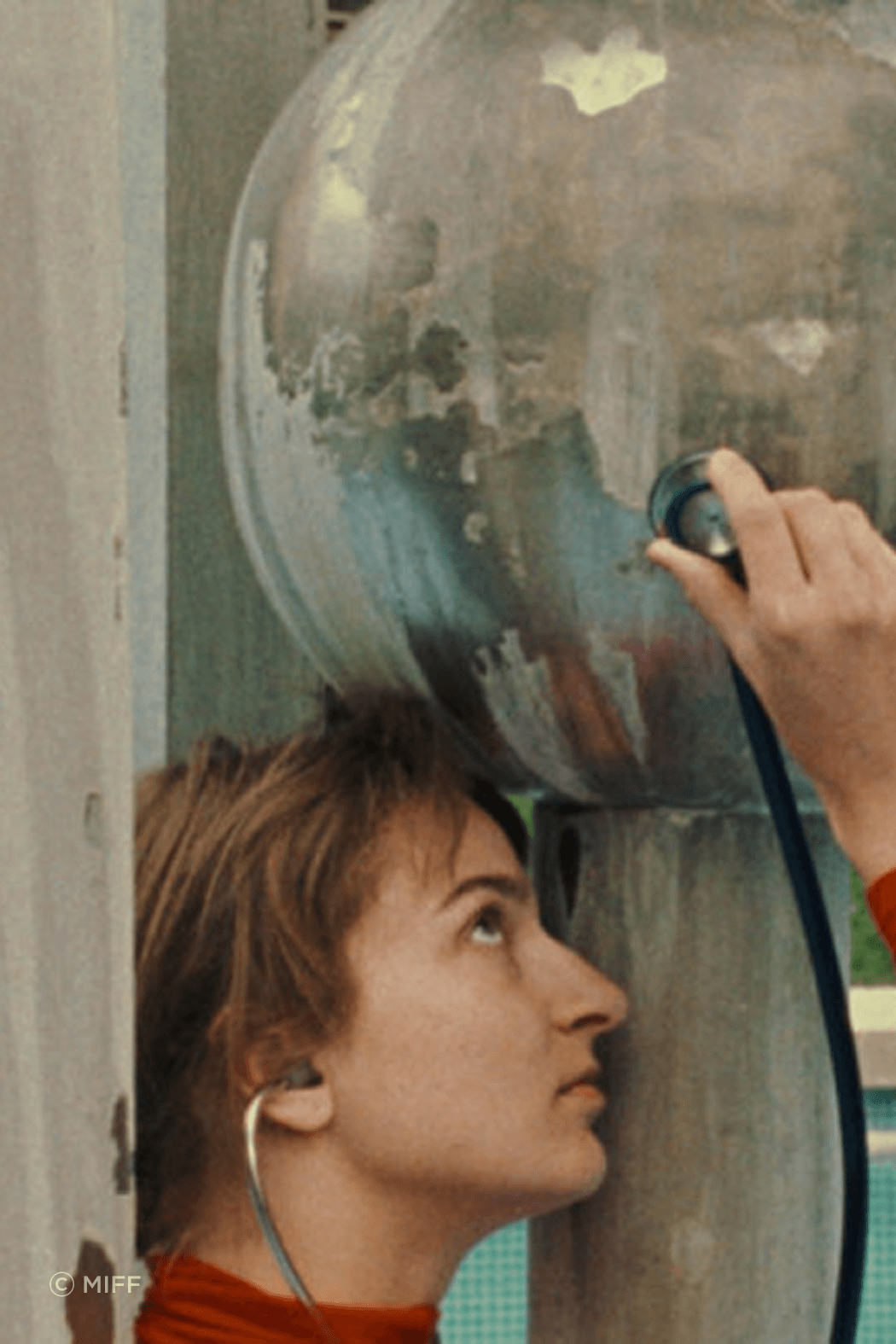
In Eva Sajanová’s 10-minute documentary How to Listen to Fountains, Bratislava’s neglected fountains are given a voice. Blending stop-motion animation, urban observation and dry humour, the film considers what is lost when public design is treated as expendable.
Its argument is simple but resonant: good urban design is not only about efficiency. It also creates beauty, delight and places where people might pause.
Mad Rush
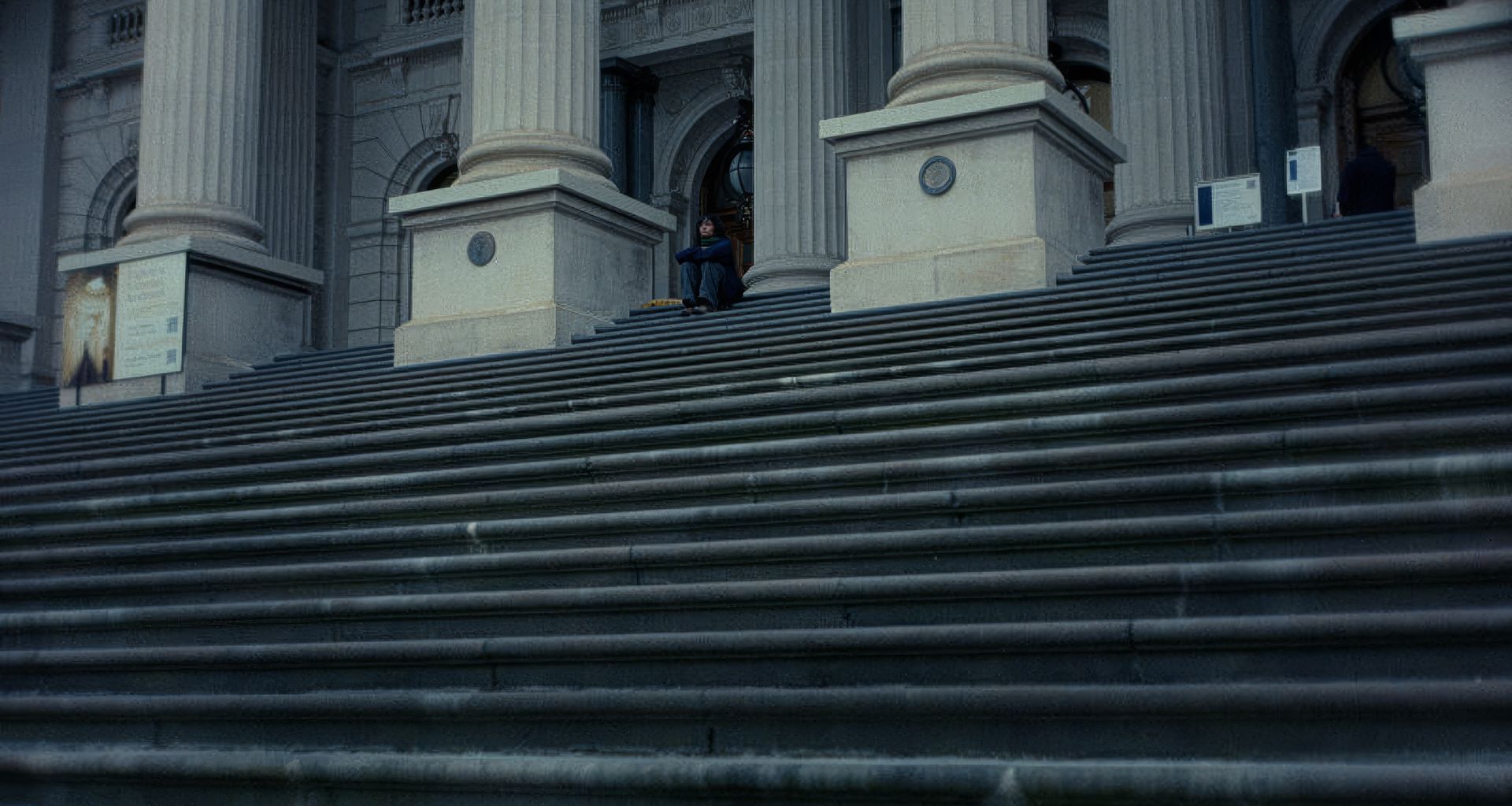
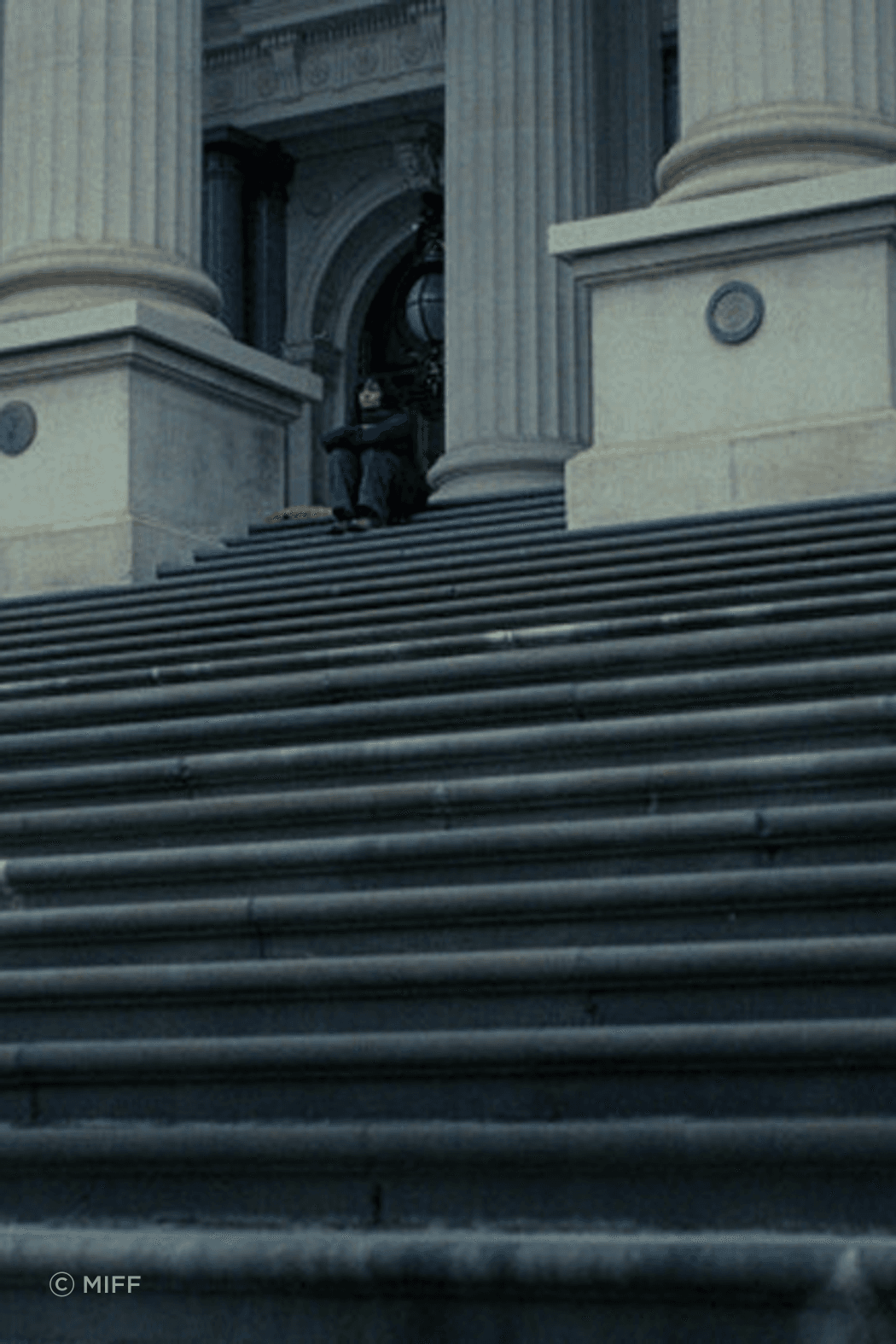
Cities often act as backdrops in cinema. In Mad Rush, Melbourne becomes part of the tension.
The debut feature from Australian writer and director Maddelin McKenna follows a young woman drawn into an elaborate phone scam and sent on a panicked journey through the CBD. Laneways, intersections and crowded streets transform familiar Melbourne into a gritty urban Wonderland.
Seen through the protagonist’s growing vulnerability, the city becomes psychological as much as physical, demonstrating how profoundly our experience of place can shift with our state of mind.
Together, these programme highlights show the built environment performing very different roles. It becomes subject, setting, social argument and an act of imagination.
Each film is also a reminder that architecture and design extend beyond the spaces themselves. They shape the stories we tell, the memories cities retain and the ways we understand our place in the world.
The 2026 Melbourne International Film Festival runs from 6 to 23 August across metropolitan and regional venues. Explore more of the people, materials and ideas shaping our built environment through architecture and design on ArchiPro.