The interiors practice that succeeded by breaking the rules
Written by
09 August 2026
•
6 min read
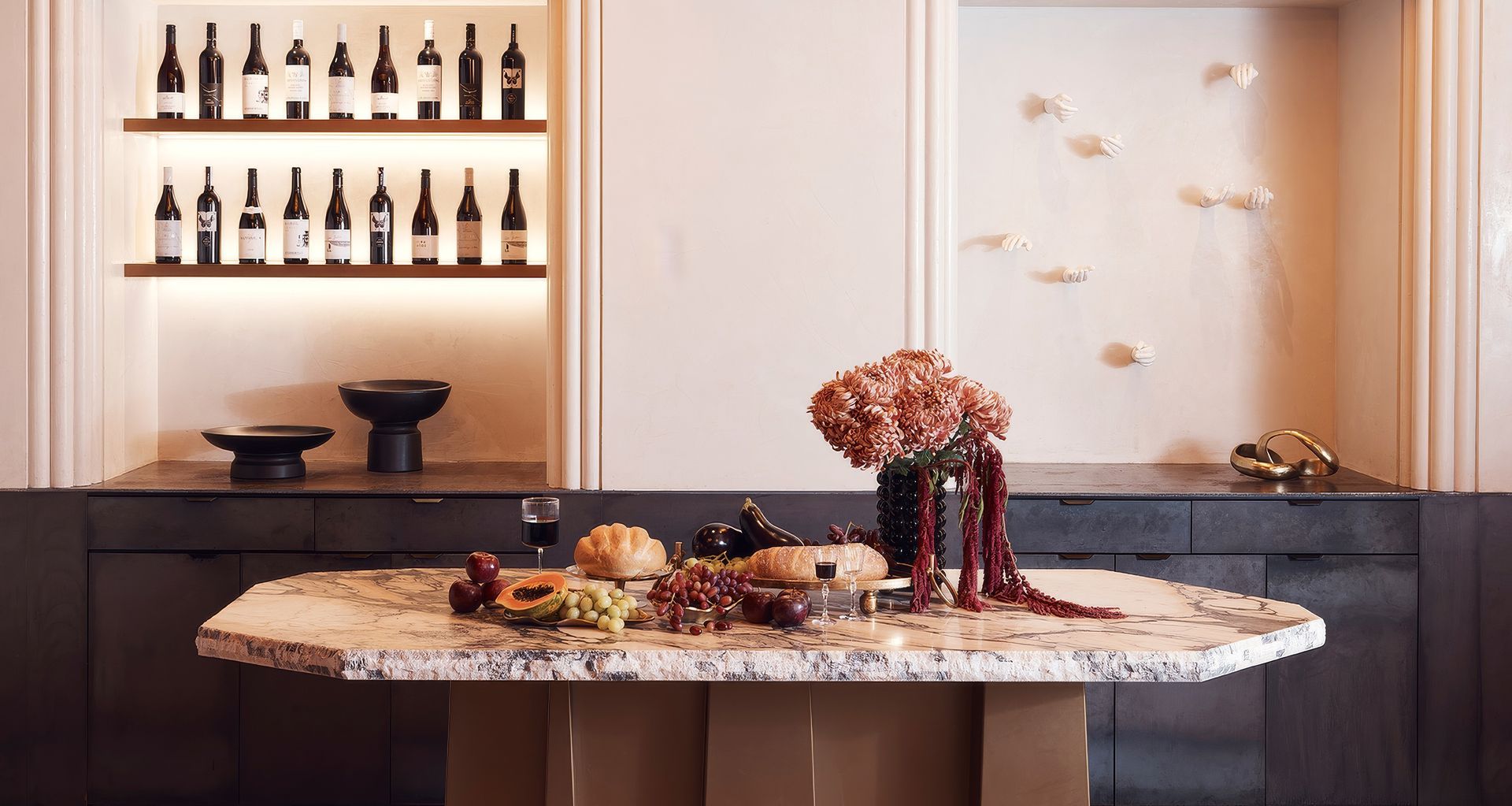
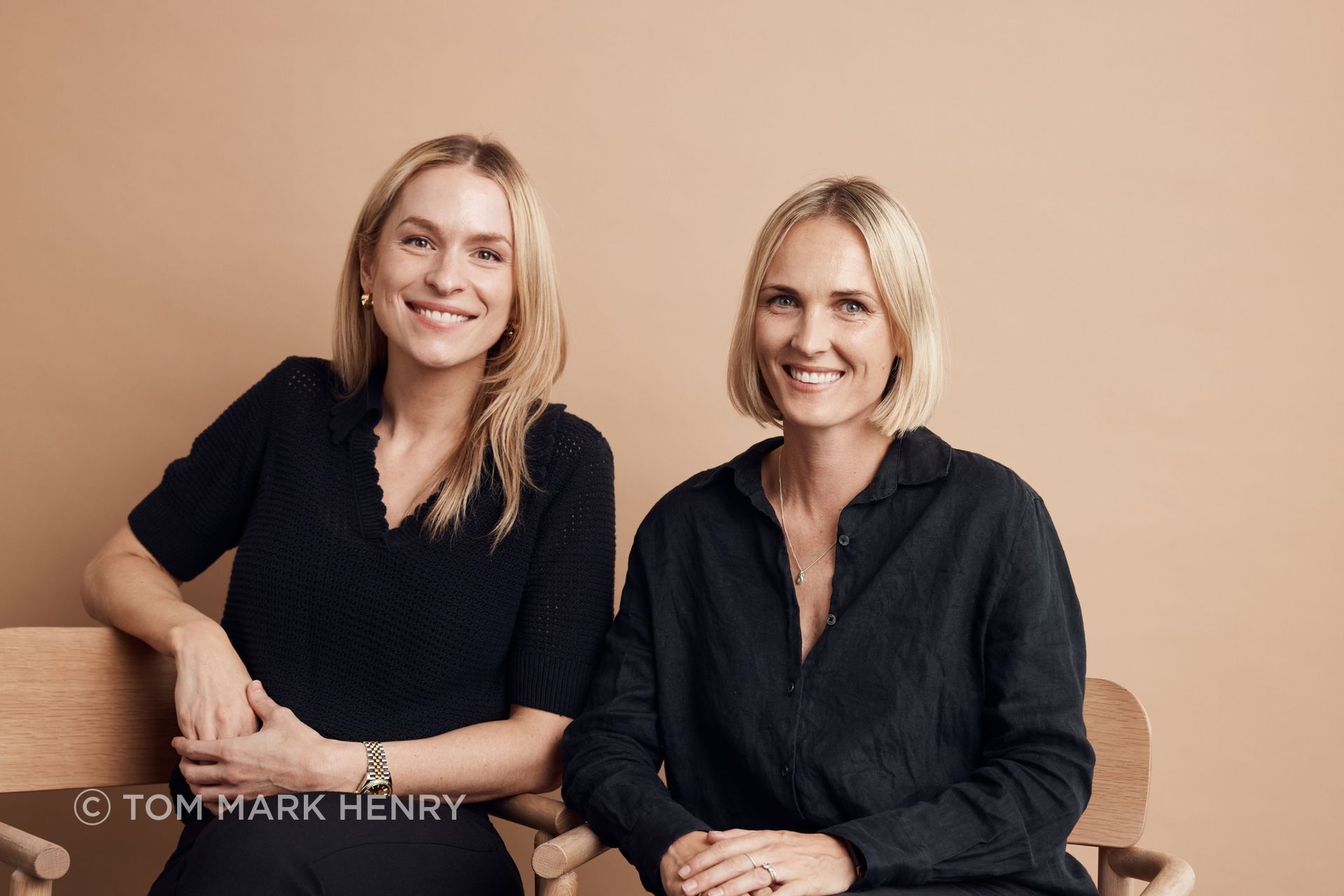
When Cushla McFadden and Jade Nottage founded Tom Mark Henry in 2014, they were only a year out of university, and what followed was a surprisingly rapid ascent. Within a few years, the young studio had delivered projects for major global brands, designed the first two WeWork locations in Australia and won an Australian Interior Design Award for its work on Sydney butcher 1888 Certified.
Looking back, McFadden attributes some of that early success to the fact that they simply didn't know what they were in for.
"We were really young and naive," she says. "On reflection, we had no idea what we were getting ourselves into."
More than a decade later, that willingness to challenge assumptions remains central to the practice's approach.
While projects such as WeWork and Microsoft helped establish Tom Mark Henry's reputation in the commercial sector, residential design has remained a constant thread throughout the studio's evolution. For McFadden, the two worlds complement one another. Commercial work offers scale and complexity, while residential projects provide a more intimate understanding of how people interact with space.
"We've always done single residential homes," she says. "It's a very different process, but we like the diversity of working with commercial clients and residential clients."
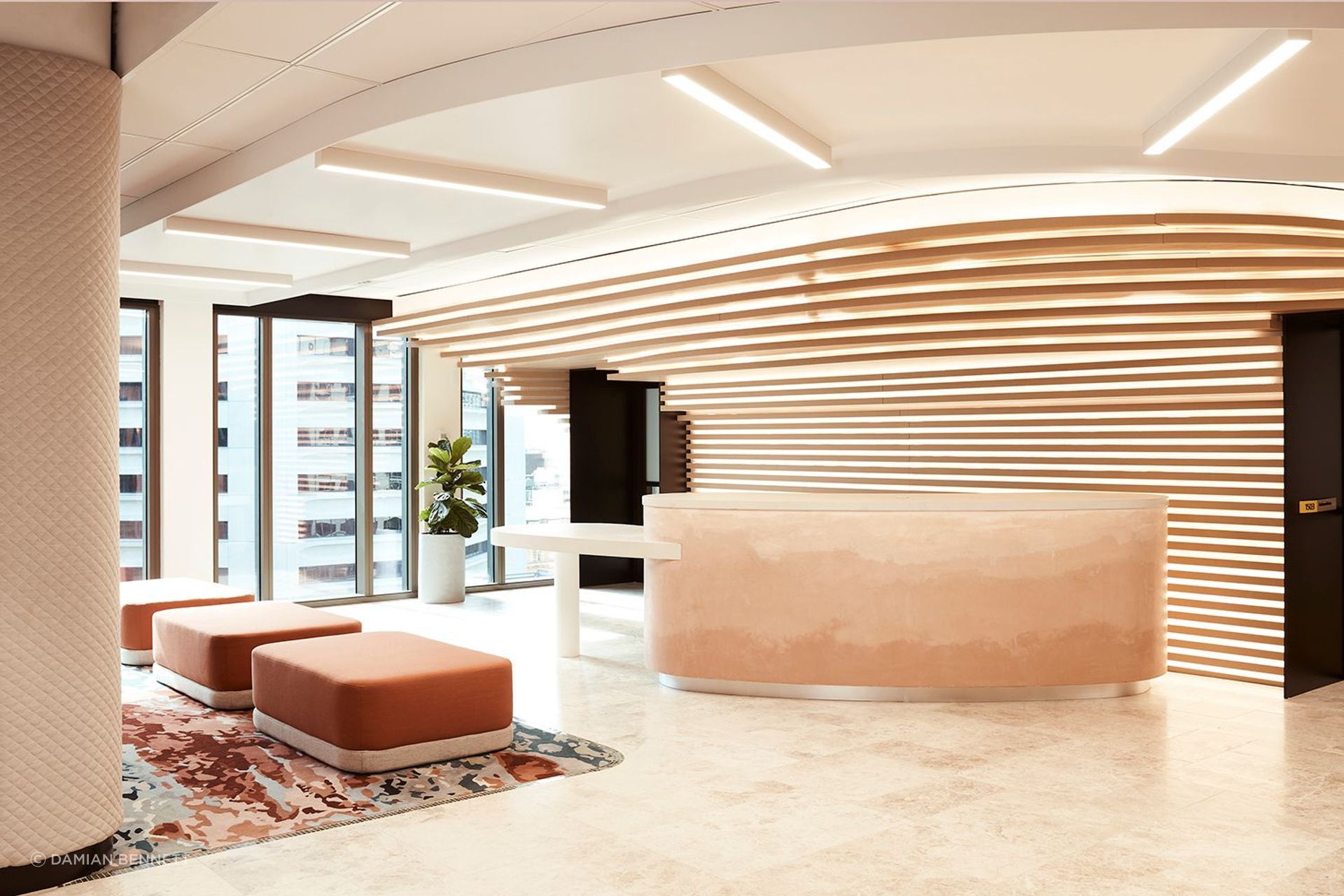
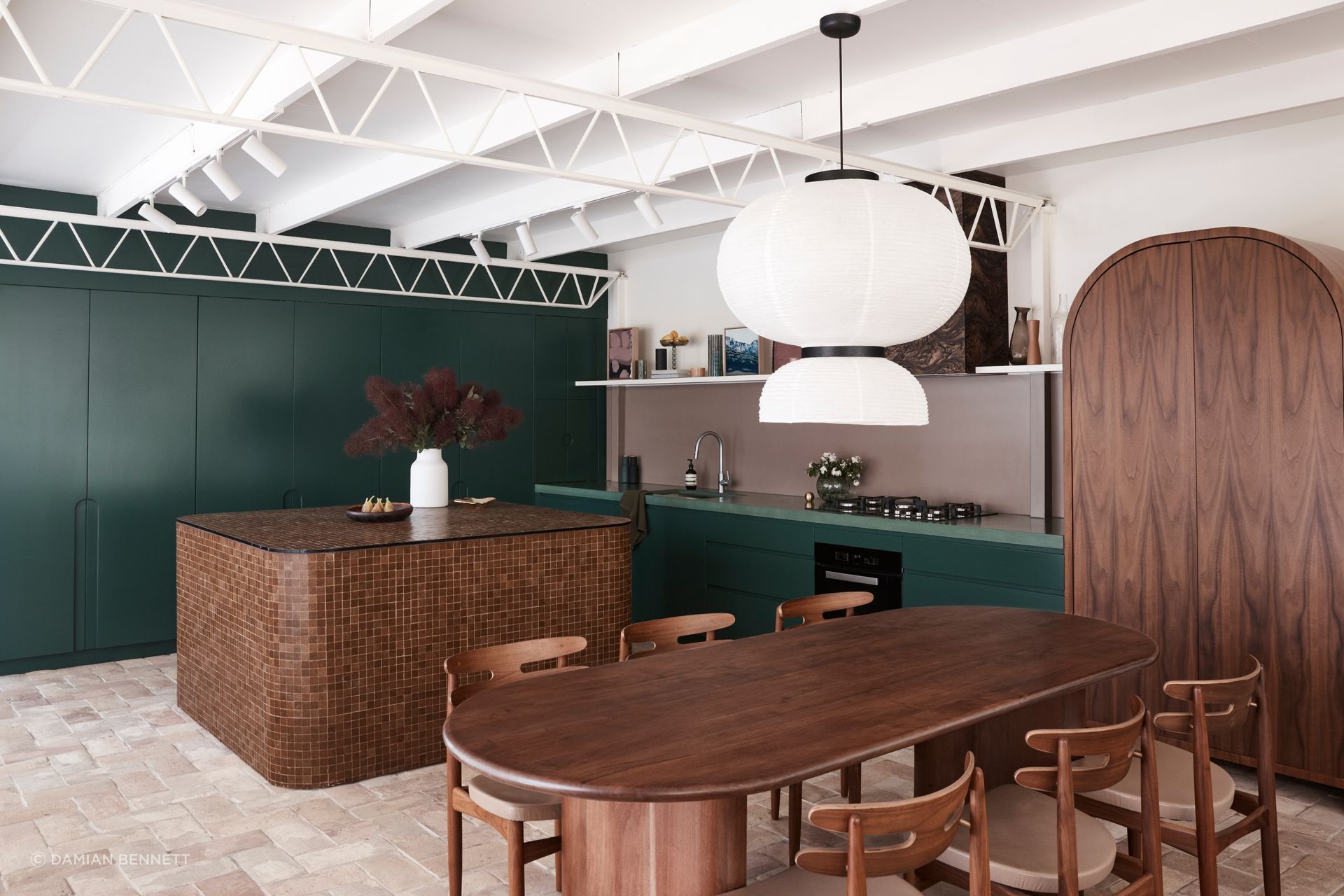
That duality has helped shape a practice that resists easy categorisation. Rather than developing a recognisable house style, Tom Mark Henry approaches each project as a unique response to its context, client and brief. Browse through the studio's portfolio and the diversity is immediately apparent. Colour palettes shift, materials evolve and spatial experiences vary dramatically from one project to the next.
"We're very brief-driven and as a result every project is really unique," McFadden explains. "You'll see in our portfolio that no two Tom Mark Henry projects look the same."
The philosophy stems from a simple belief that clients engage a designer for more than technical expertise. They are looking for new ways of thinking.
"I think we've always felt that if a client could do it themselves, they would," says McFadden. "They've come to us for thinking outside the box."
That approach first gained attention through commercial projects. The award-winning 1888 Certified, completed in Double Bay in 2015, challenged traditional retail design by exposing the operational workings of the butcher shop. Rather than presenting a polished front-of-house experience alone, customers could see the entire process, from cold rooms and preparation areas through to the final display.
Similarly, when the studio was commissioned to design Australia's first WeWork locations, the team approached the workplace through a hospitality lens rather than relying on established office design conventions.
"We hadn't designed a workplace before at all," McFadden says. "I think that's what drew WeWork to working with Tom Mark Henry. We had fresh ideas and fresh perspectives."
In residential design, however, challenging expectations requires a more nuanced approach. Rather than reimagining an entire typology, the opportunity often lies in understanding how a client lives and finding ways to elevate that experience through thoughtful design decisions.
The studio's design process reflects this emphasis on listening. Before developing detailed concepts or visualisations, the team invests significant time in understanding the brief. They explore not only what clients want their homes to look like, but how they function day to day.
Do they entertain frequently? Do they have children or pets? Do they read, collect art or travel extensively? What role does cooking play in family life? The answers inform everything that follows.
"Once we have the brief, we always start with spatial planning," says McFadden. "We're very driven by the functional brief and flow. If a project looks beautiful but functionally doesn't work, it's not a success."
This focus on function does not mean sacrificing creativity. Instead, it creates a framework within which unexpected moments can emerge.
"It might be choosing some interesting finishes rather than your typical tiled splashback or your standard white stone benchtops," McFadden explains. "Really diving into alternative materials or textures or colours to add that layer of something unexpected."
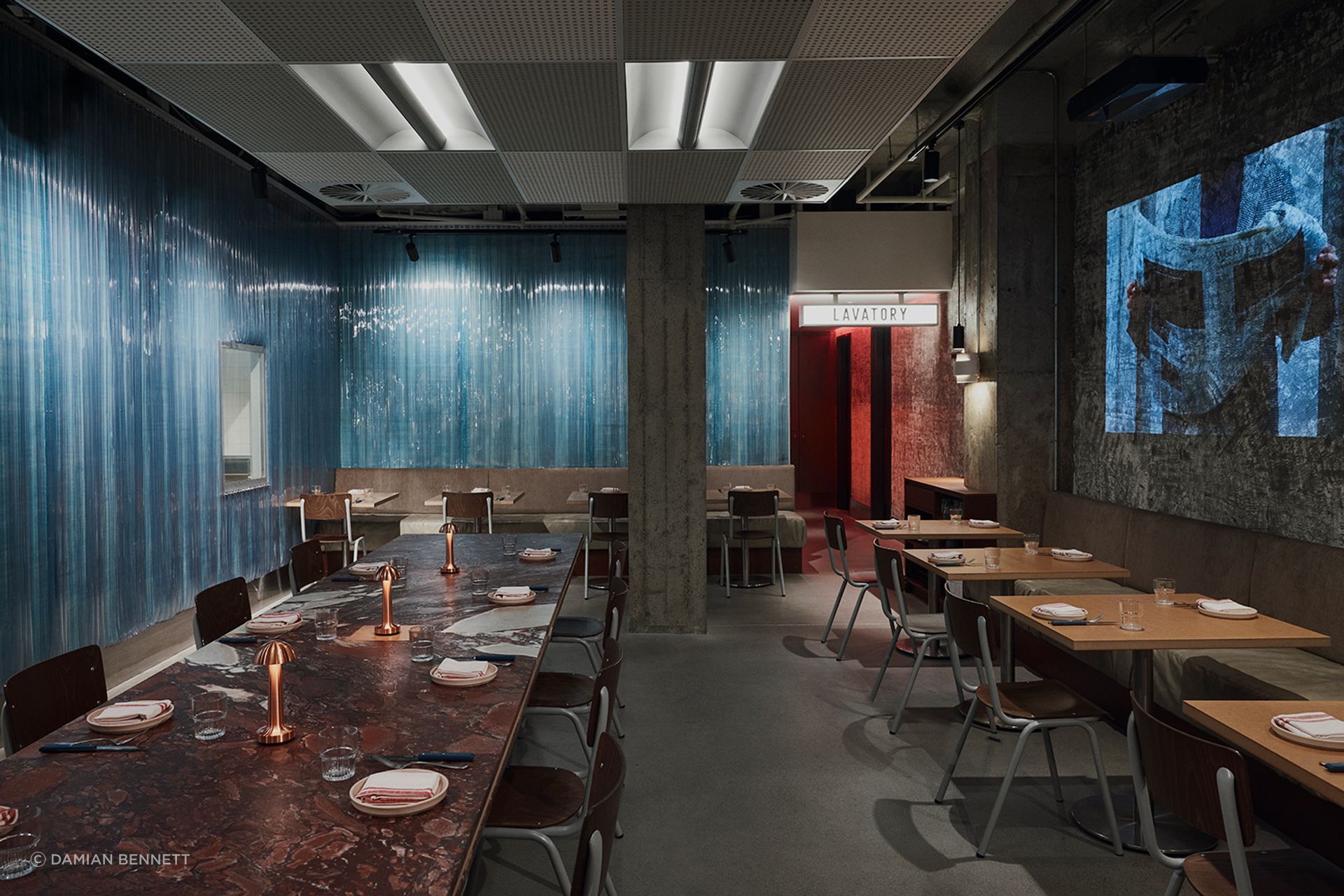
Underlying every project is a process of careful refinement. While Tom Mark Henry's interiors often embrace colour, texture and layered materiality, they never feel excessive. Ideas are rigorously edited and resolved until they achieve a balance between personality and restraint.
"We spend a lot of time refining our ideas," says McFadden. "Even those very layered projects will still be quite refined at the same time."
For all the studio's commercial success, it is often the relationships formed through residential projects that leave the most lasting impression. McFadden recalls an early apartment renovation in Woollahra as a formative experience for the practice, not because of its scale, but because of the connection that developed from it.
"What was so beautiful about that project was the relationship that we built with the client," she says. "You're designing their home where they spend their waking and sleeping hours. That's a really intimate part of people's lives."
The sentiment speaks to the heart of Tom Mark Henry's residential work. Behind every material selection, floor plan and custom detail is an attempt to create a home that reflects the people who live there rather than the designers who conceived it.
Today, the practice operates from studios in Sydney and Brisbane, with a team of 11 working across hospitality, retail, workplace, multi-residential and private residential projects. Yet despite the growth, McFadden's ambitions for the business remain refreshingly measured.
"There are always exciting projects that we're working on," she says. "But for us, it's about continuing to run the kind of business that we want to work in and making it a space that's enjoyable for everyone else to be in as well."
It is this combination of considered design and deeply personal relationships that continues to shape the studio's work. For homeowners beginning their own design journey, finding the right architect or interior designer is often the first and most important step. Through ArchiPro, homeowners can discover and connect with a curated network of architecture and design Professionals, making it easier to find the right expertise for a Project and begin a conversation about what is possible.