Terrazzo never really left

28 August 2026

 • 

4 min read

banner
There is something wonderfully familiar about terrazzo. It can transport you to the cool floor of an old Italian apartment, the lobby of a hotel that has somehow become more beautiful with age, or a sun-washed courtyard where the surface underfoot carries the evidence of decades of life. And then, somehow, it looks completely at home in a contemporary kitchen. That may be the secret to terrazzo’s longevity. Every few years we announce its return, but perhaps it never really went anywhere.

Long before terrazzo appeared on mood boards and restaurant benchtops, Venetian floors were being made from fragments of marble and stone set together to create something decorative, durable and distinctly individual. The material is centuries old, with roots in the terrazzo floors of Venetian buildings, where stone fragments could be given another life rather than discarded. 

It is a material born from pieces, but the finished surface has always been about the whole.


imgi21PALAZZOFOSCARIWEBSITE.png
imgi18Screenshot2026-05-04at91900am.png

A revival that doesn’t rely on nostalgia

Italian surface maker Santamargherita understands that tension particularly well.

Founded more than 50 years ago in the Valpolicella region near Verona, the company still engineers and manufactures its surfaces in the place where it began. Its relationship with marble has continued across generations, even as the way we use the material has evolved.

Santamargherita describes its Venetian terrazzo as both a revival and a rebirth: something rooted firmly in tradition but not preserved behind glass.

That distinction matters.

The most interesting revivals don’t recreate the past exactly as it was. They take what was worth keeping- the craftsmanship, the character, the richness of the material and give it a new context.

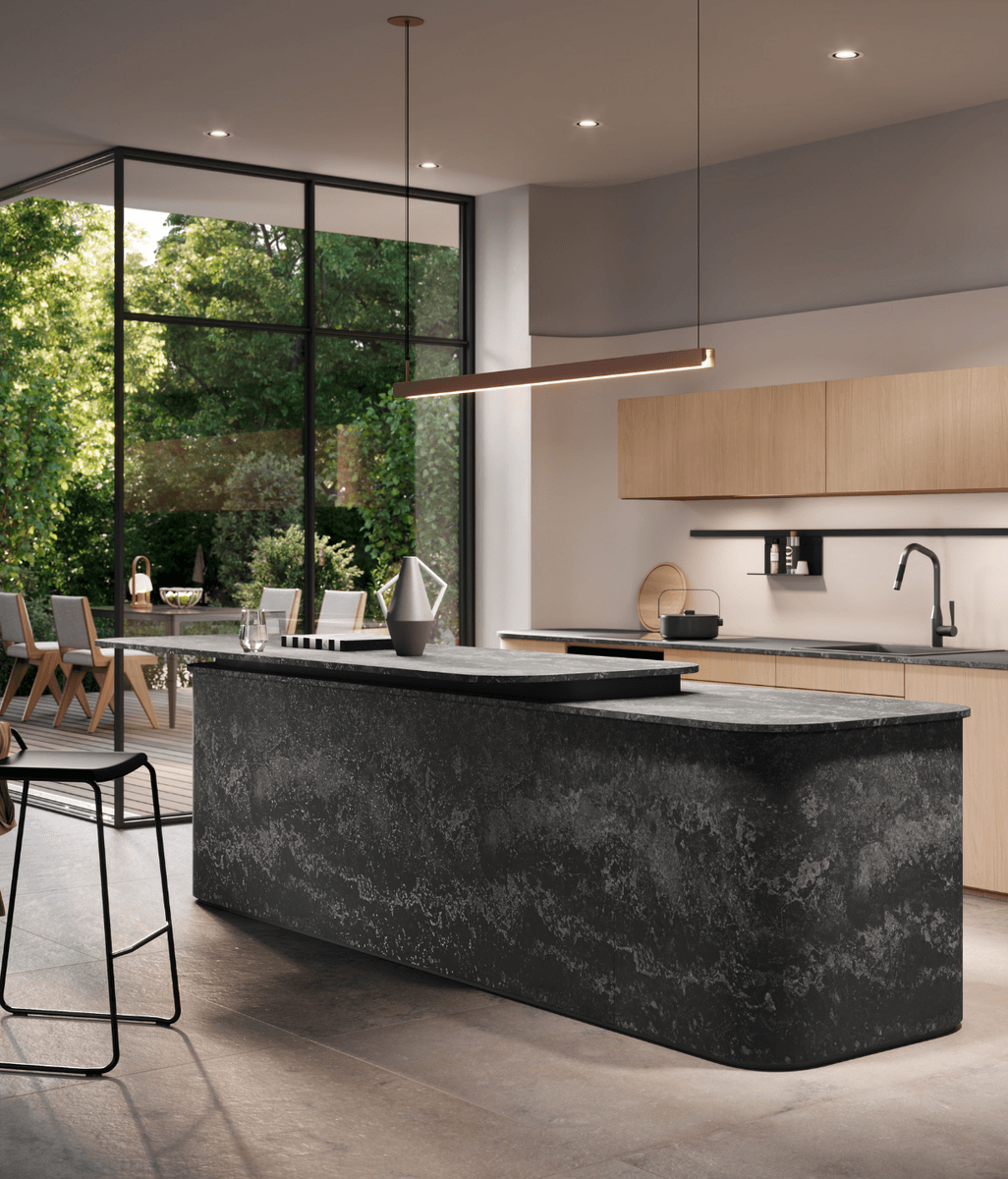
Santamargherita’s SM Marble surfaces do exactly that. Different sizes, tones, and grains of marble come together to create surfaces that retain the depth and natural variation we associate with stone, while allowing a much broader exploration of colour, scale, and composition.

The result feels familiar without feeling nostalgic.


Why terrazzo keeps coming back

Design moves quickly, but materials don’t have to.

One reason we are drawn to terrazzo at Byzantine Design is that it sits slightly outside the endless cycle of what is “in” and what is “out”.

It can be quiet or exuberant. Fine-grained and almost monolithic from a distance, or filled with large fragments that turn the entire surface into a composition.

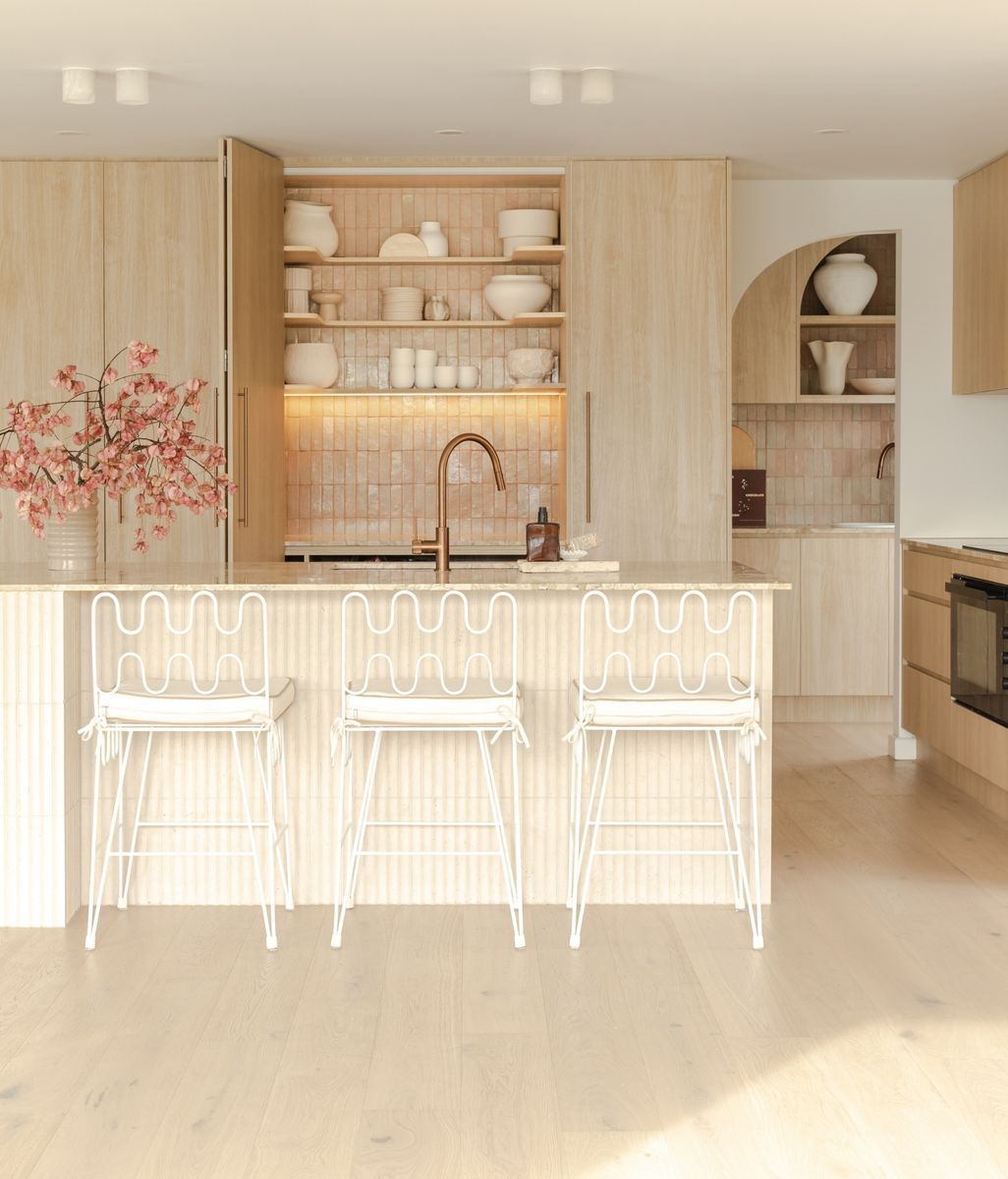
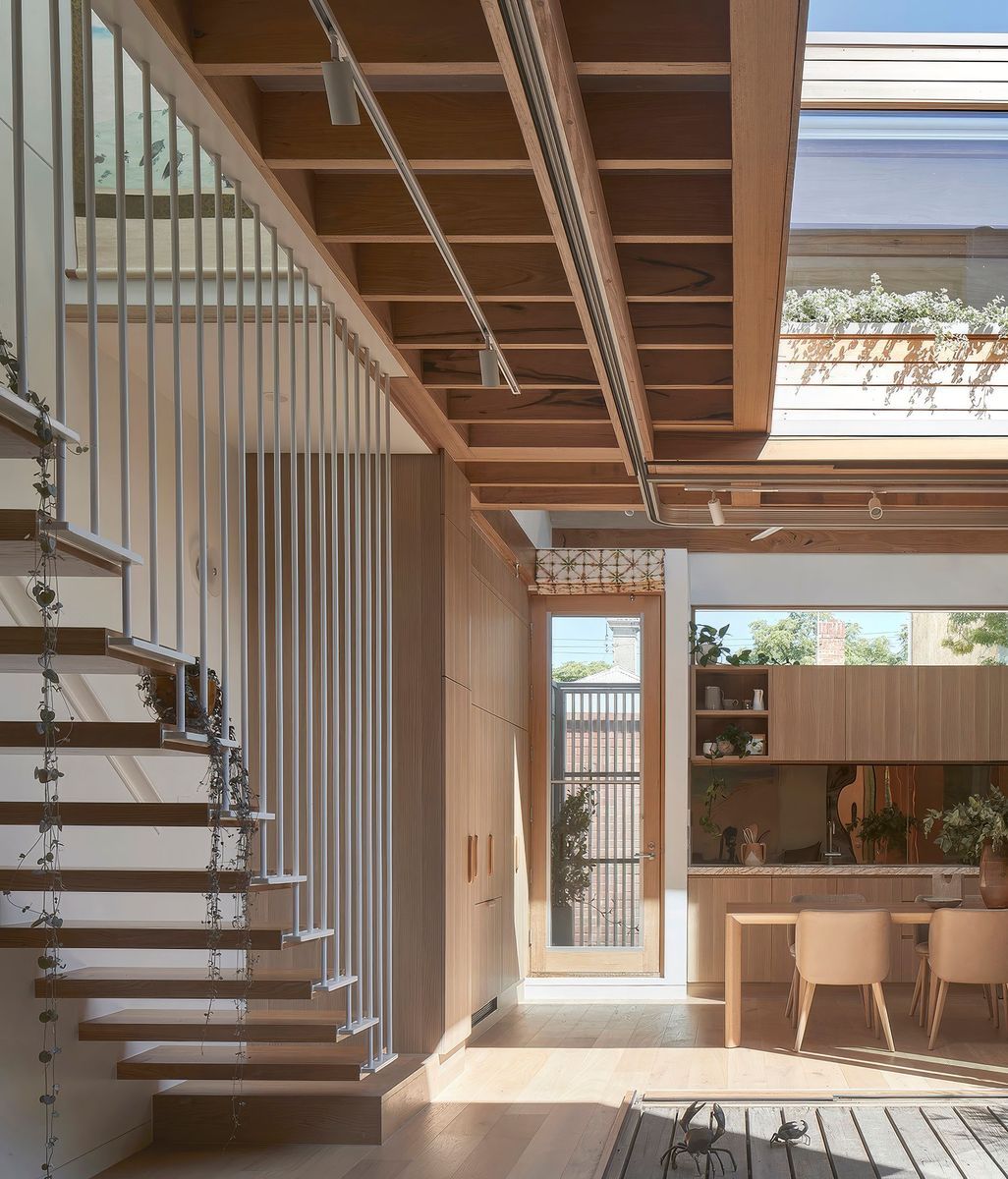
It can sit beside timber and feel warm. Against stainless steel, it becomes sharper. Beside natural stone, the relationship between the individual marble fragments becomes more apparent.

And unlike a surface designed around a single fleeting aesthetic, terrazzo can shift with the architecture around it.

Santamargherita itself has continually reinterpreted Venetian terrazzo, from subtle tonal surfaces to more expressive combinations of colour and larger marble chips. Its collections reference the patterns and textures of earlier interiors while deliberately placing them in contemporary settings.

That is much more interesting to us than simply calling terrazzo a trend.


Materials with a memory

At Byzantine, we are always drawn to materials that feel as though they have something to say.

Perfectly uniform surfaces have their place, but there is a particular pleasure in something that rewards a closer look: a vein, an unexpected fragment, a variation in tone, the small irregularities that stop a room feeling overly resolved.


Terrazzo has that quality inherently.

It is made from many individual pieces, and you can still read those pieces in the finished surface.

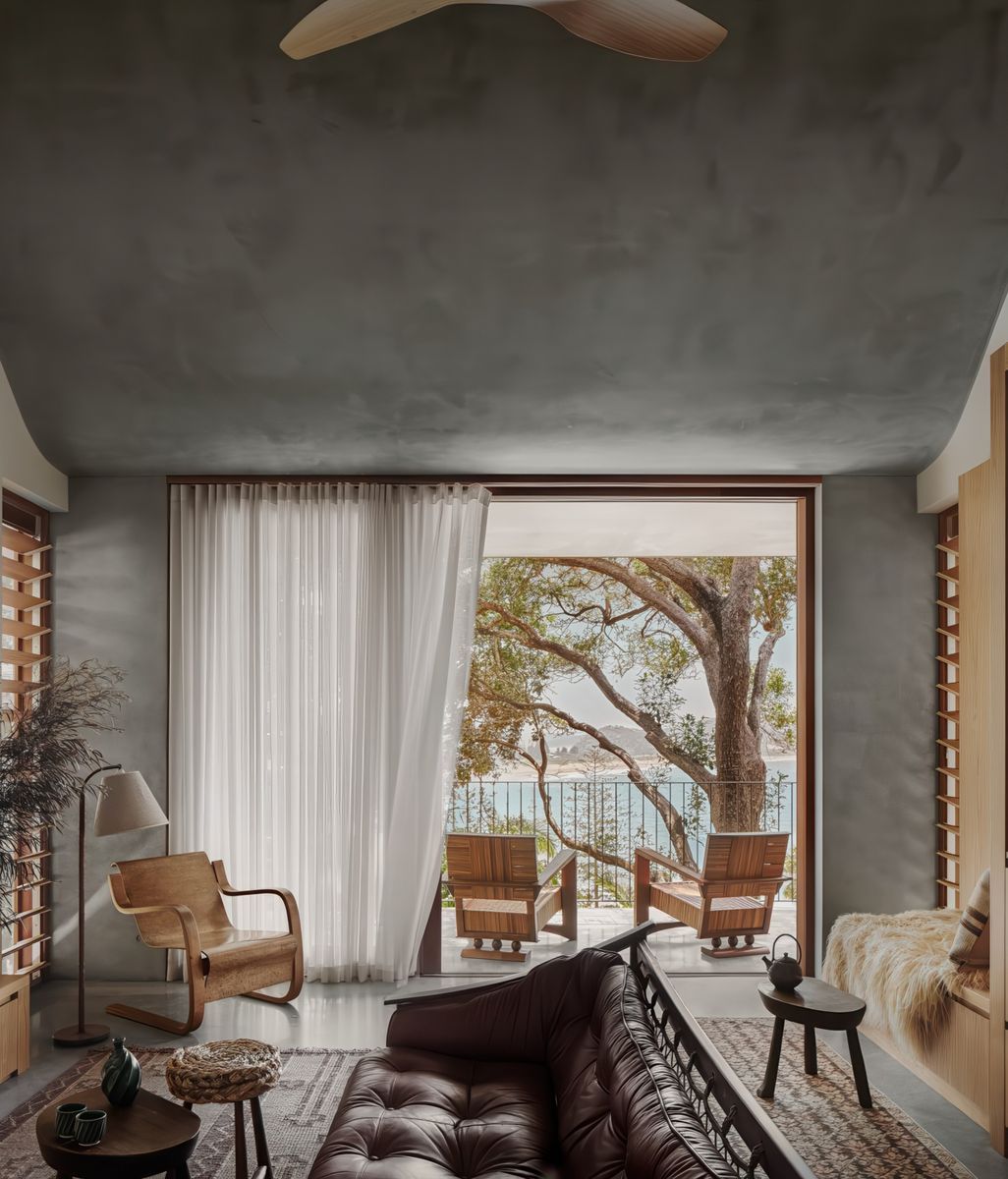
Perhaps that is why it feels so comfortable in spaces that are layered rather than decorated, homes where old and new sit together, objects have been collected over time, and not every decision arrived from the same Pinterest board.

A good material does not have to dominate a room; sometimes it simply gives the room depth.

The Italian original, seen again

The new Santamargherita terrazzo collection at Byzantine Design is less an introduction to something new than an invitation to look again at something enduring.

Santamargherita calls itself “the original Italian surface”, and there is an appealing confidence in a manufacturer that has spent more than half a century working with the same fundamental material while continuing to rethink what it can become. Its SM Marble is made predominantly from selected marble, combined to create technically consistent surfaces while retaining the stone's visual character.

For architects and designers, that opens up interesting possibilities: terrazzo can be a foundation for a material palette or the element that gives a room its personality.

For us, the appeal is simpler.

It has history without feeling historical, character without trying too hard, and the kind of beauty that makes more sense the longer you live with it.

Maybe that is why terrazzo keeps “coming back”; some materials were never meant to leave.