How to design a garden that gets better with age

Written by
12 August 2026
•
5 min read
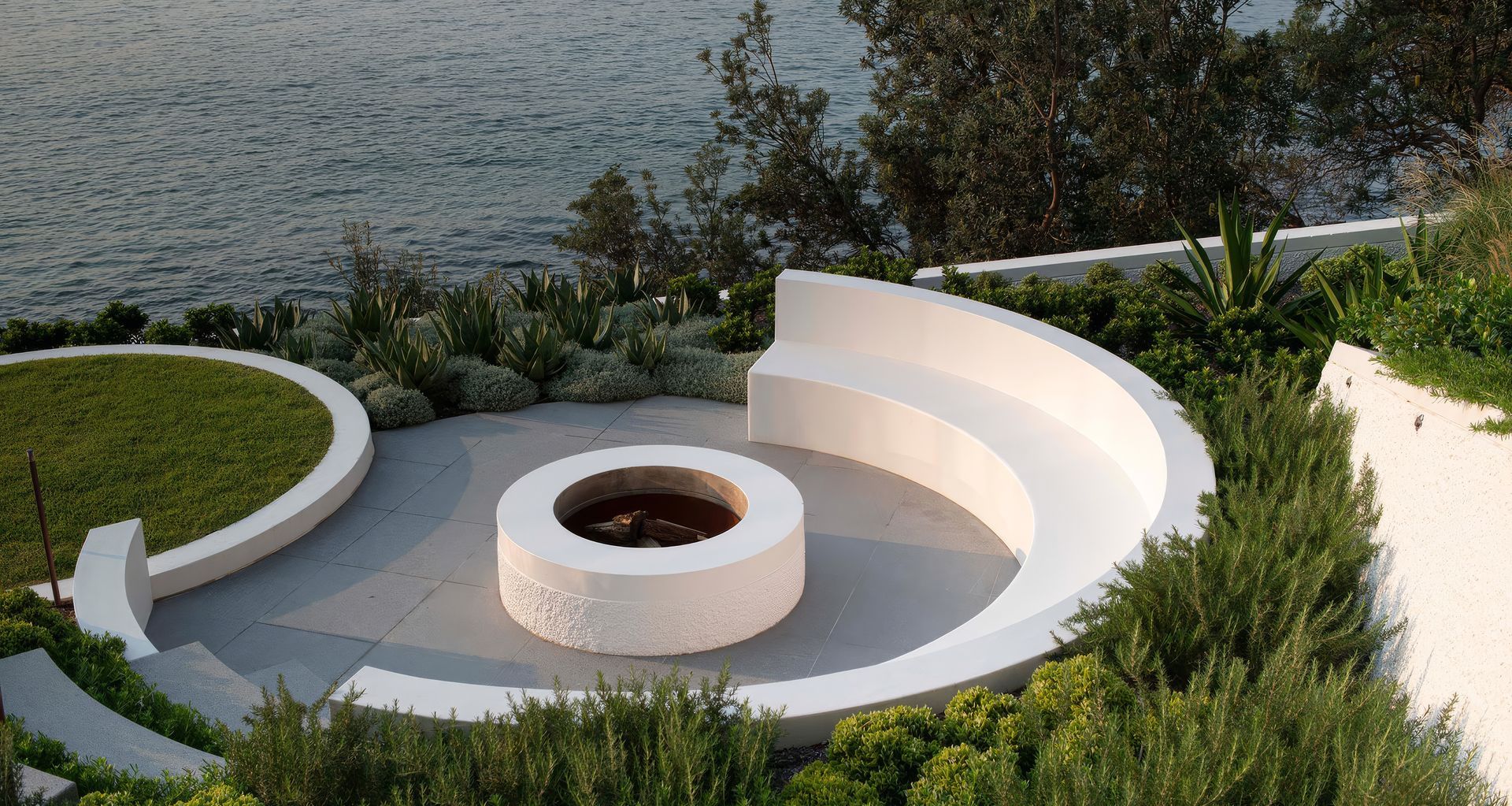

A garden that looks finished on the day it is installed may not be a garden designed to last.
Unlike the interior of a home, a landscape is created in anticipation of change. Trees expand into their canopies, hedges establish their mature scale and planting gradually softens the underlying architecture. Some plants will thrive, while others will be outcompeted by those around them.
“The greatest gardens in the world are always undergoing change,” Secret Gardens founder Matthew Cantwell says. “They are always a work in progress.”
The challenge is not to prevent that evolution, but to establish a framework that allows the garden to become richer rather than more difficult to manage.
Resolve the structure first
Before choosing individual plants or decorative features, Cantwell recommends resolving the fundamental balance of the garden: circulation, entertaining, lawn, planting, privacy and shade.
“The most important consideration in a garden design is the balance of space,” he says. “Get the framework right, future-proof the design and add the fairy dust later if the budget permits.”
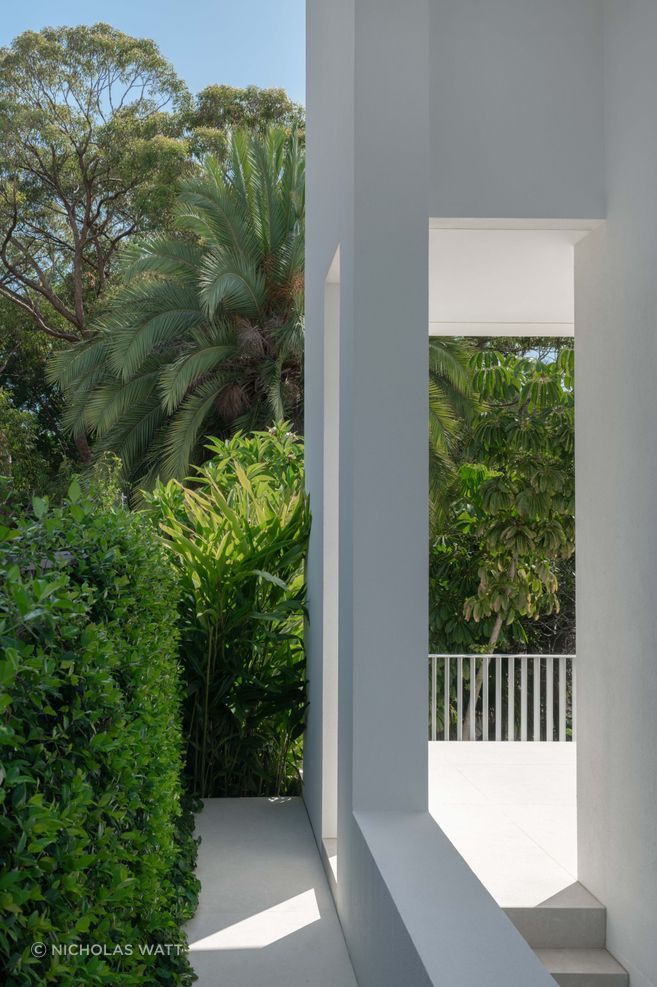
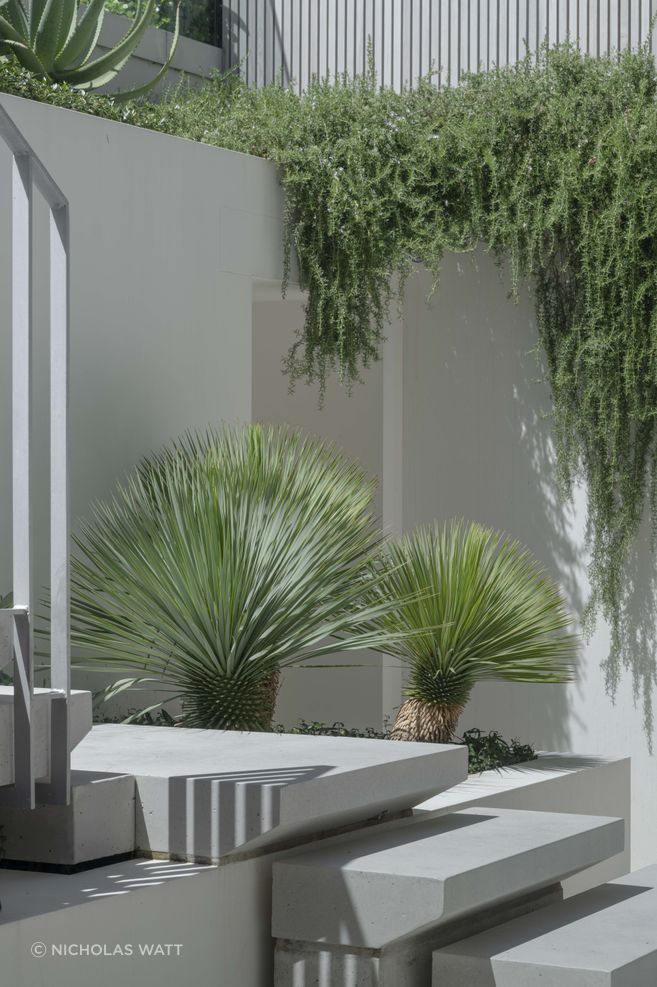
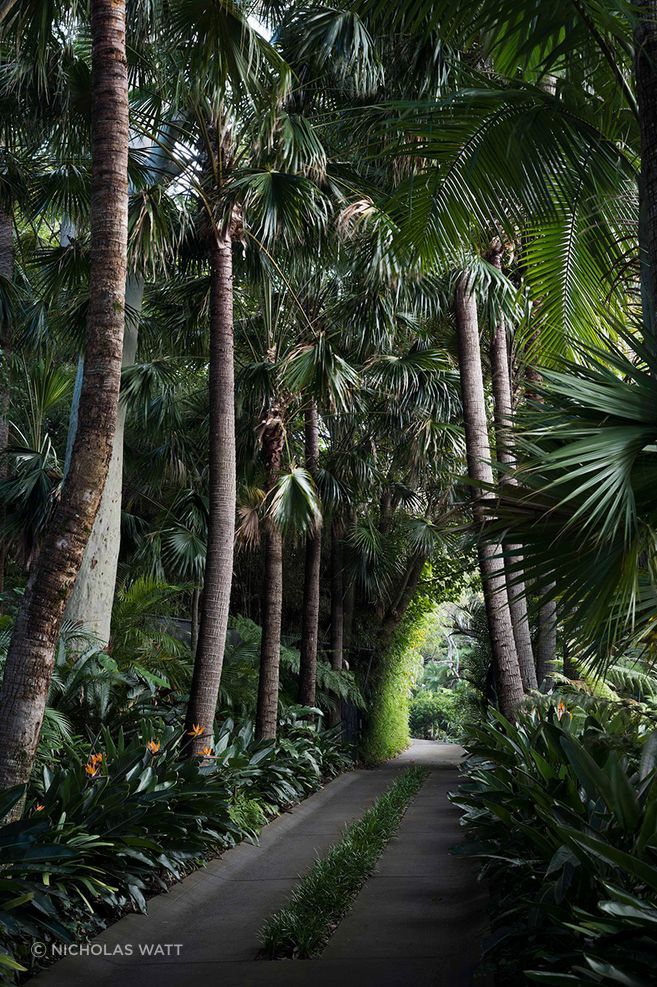
Trees and structural planting form part of this framework. They can screen neighbouring properties, frame important views, create enclosure and soften the relationship between the house and its surroundings.
These elements should be positioned early and given enough space to reach their intended scale.
“When we return to a site to begin designing, the first thing we consider is how the garden elements will complete the architecture,” Cantwell says. “Where is screening needed? Where should a tree frame a view or provide shade?”
Use trees as natural climate control
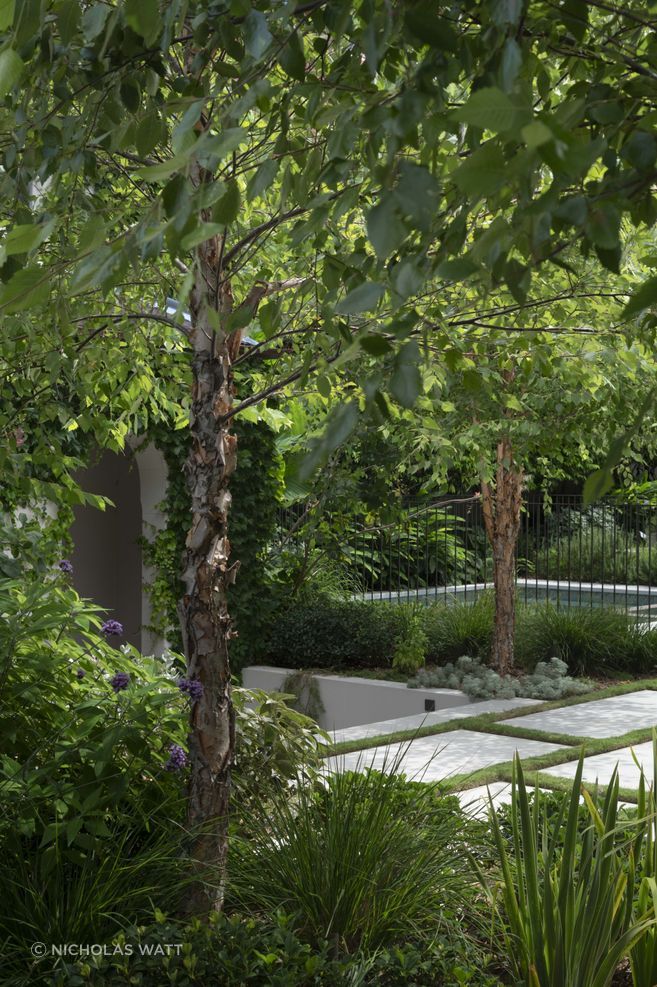
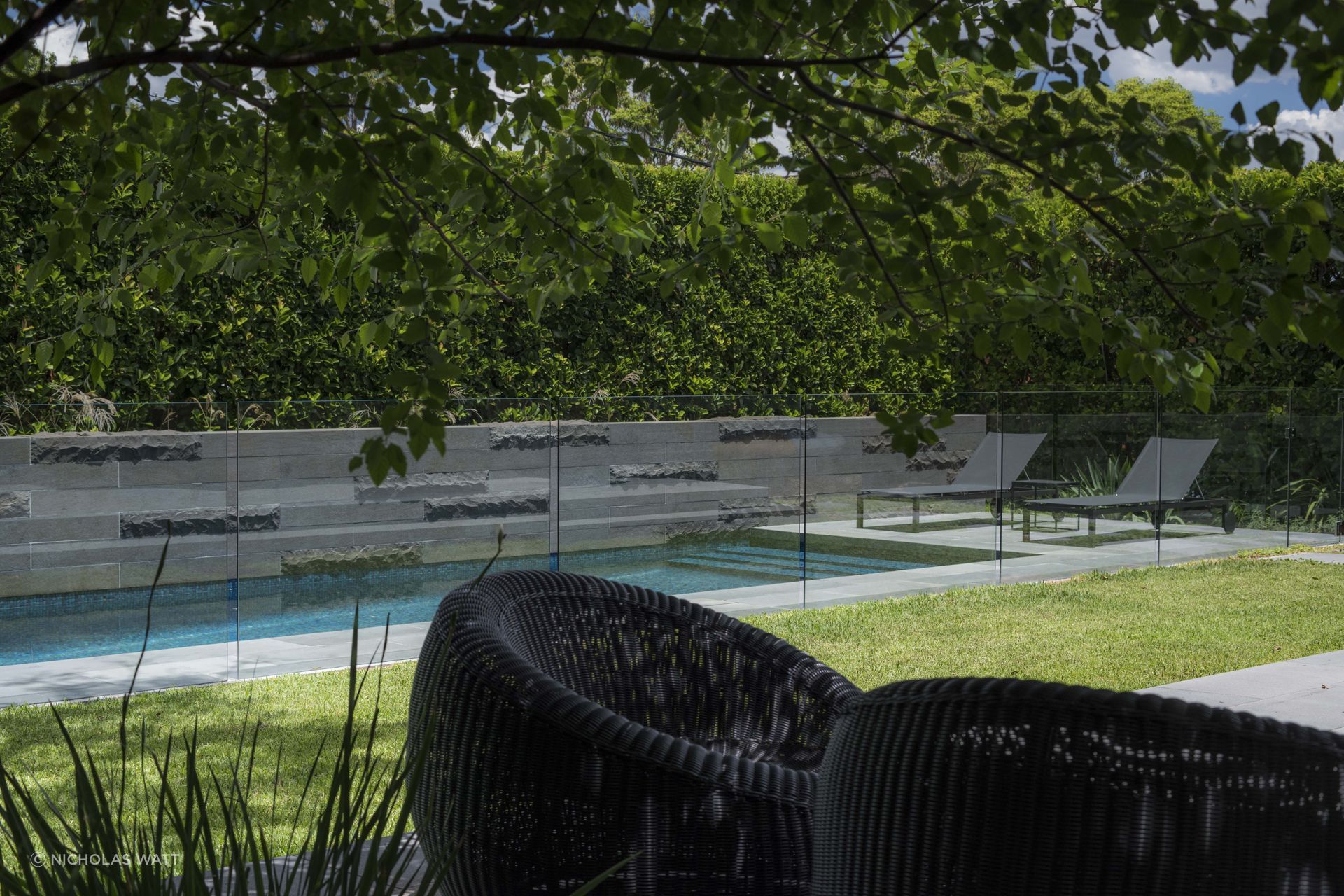
A carefully placed deciduous tree can shade a house or outdoor area during summer, then allow sunlight through after losing its leaves in winter.
“There is no better form of climate control,” Cantwell says. “Trees completely change the atmosphere. There is nothing cooler than sitting beneath a tree rather than a built shade structure.”
Trees also shape how a property is experienced. They can guide attention towards an entrance, soften an exposed elevation or give an outdoor room a sense of refuge.
Without this vertical structure, even generous planting may feel disconnected from the architecture.
“It is not necessarily about how much you spend on plants,” Cantwell says. “It is about specifying them and locating them well.”
Design for mature size
Rapid-growing plants are often selected to provide immediate screening, but the speed that makes them appealing at installation can create a significant maintenance burden later.
“Slow and steady wins the race,” Cantwell says. “In 10 years, you’ll thank me when you only need to prune the hedge once a year rather than every six weeks through the growing season.”
Plant selection should reflect the available space, local climate and level of maintenance the household can realistically sustain.
A vigorous garden may be appropriate for an enthusiastic gardener or a client planning to engage professional horticultural care. For someone seeking a low-maintenance landscape, the same planting could quickly become a source of frustration.
The question is not simply whether a plant will grow. It is whether its mature size and ongoing requirements suit the life of the homeowner.
Discuss maintenance during design
Maintenance should be treated as a design input, not a problem to solve after the garden is installed.
Secret Gardens establishes whether clients intend to care for the landscape themselves, use a professional team or combine the two. That commitment directly informs the planting palette.
“Not every plant will survive, and some will eventually be outcompeted by the plant beside them,” Cantwell says. “We need to understand the client’s capabilities and design the selection to suit.”
Ongoing care is also not about preserving the landscape exactly as it appeared on day one. It means guiding its growth, responding to changing conditions and knowing when an intervention will improve the original design.
“You can have a great designer and do all the right things, but unless the garden is cared for properly, it may never reach its full potential.”
Leave room for evolution
Cantwell has worked with one garden for more than 20 years and across two different owners. That continuity has allowed Secret Gardens to observe how the design has adapted, which plants have thrived and where the landscape has required adjustment.
The lessons are carried into subsequent projects.
“When I present a garden, I am visualising the completed landscape even though it won’t look like that on day one,” he says. “Then we work towards bringing it to that point.”
A successful garden is therefore not one that resists change. It is one whose earliest decisions make change possible: well-positioned trees, balanced proportions and plants chosen with an understanding of their eventual form.
The result may take longer to arrive, but it will continue rewarding the homeowner long after the desire for an instant garden has passed.
A garden designed to improve with age begins with decisions made for the long term.
Explore Secret Gardens’ work on ArchiPro, gather ideas from completed residential landscapes, or connect with landscape designers across Australia to create a garden shaped around its mature form, ongoing care and the way you want to live outdoors.
See Matthew Cantwell live on the panel at ArchiPro’s Home Design Evening in Melbourne on 16 October 2026. Register to attend.