The human impact of good data: How surveying choices shape budgets, timelines and better outcomes
Written by
16 August 2026
•
4 min read
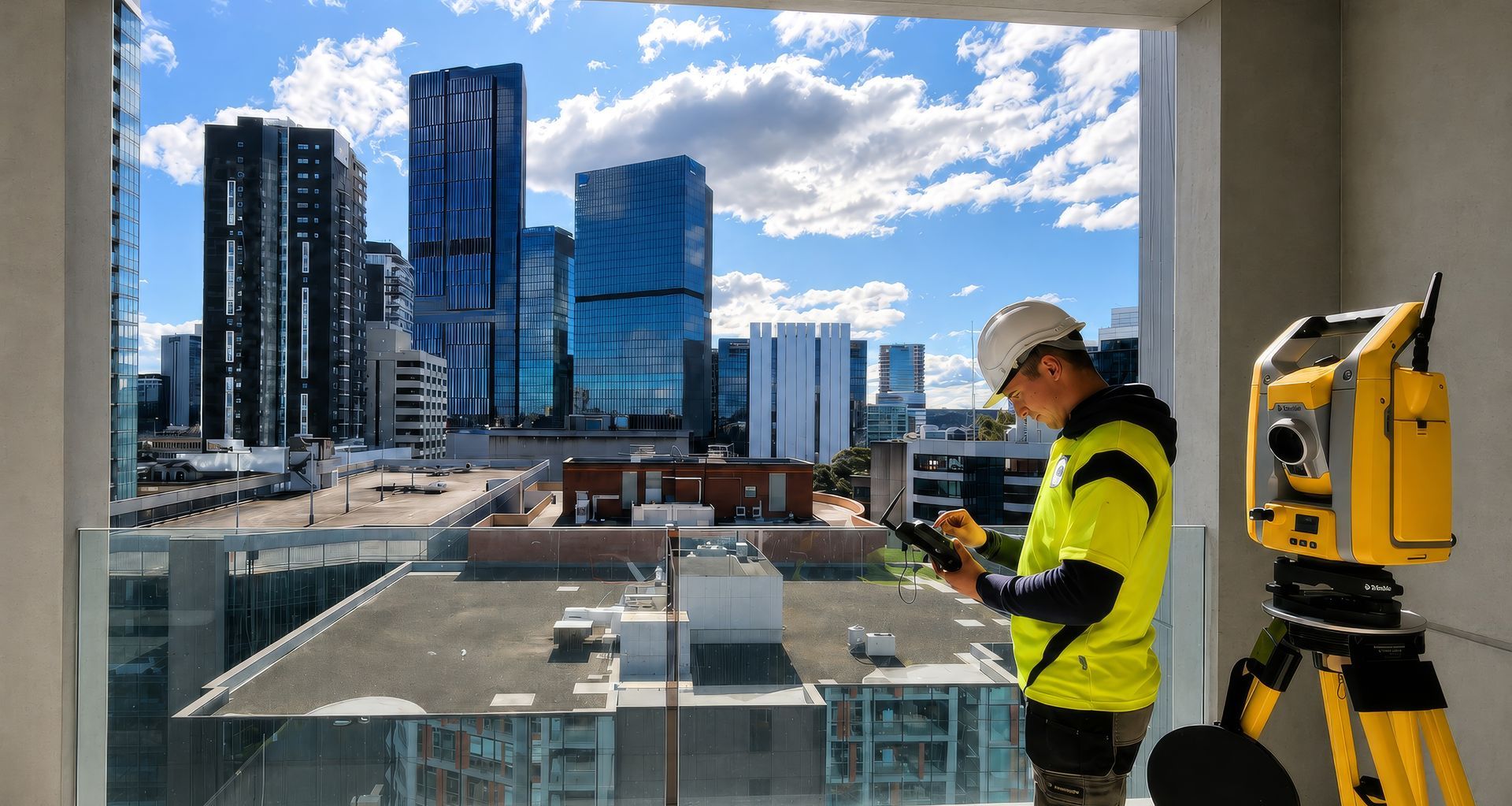
For architects, survey data forms the foundation of every decision that follows. It defines what's possible, highlights potential constraints and provides the confidence to move forward. Yet despite its importance, surveying is often viewed as a technical exercise rather than one of the most influential stages of the design process.
In reality, the quality of a survey has a direct impact on budgets, timelines and, ultimately, the people behind the project.
"The survey is the basis for your whole project," says Tristan Smythe from C&A Surveyors. "If you have a high-quality survey to start off with, you'll reduce redesigns and changes during the project because you're starting from a single source of truth."
That source of truth extends far beyond site boundaries and contour lines. A comprehensive survey captures the subtleties that shape design decisions, from easements and underground services to neighbours overlooking the property, surrounding buildings and topography. The more information available upfront, the fewer assumptions architects need to make later.
For architects balancing design with compliance, that certainty is invaluable.
The hidden cost of missing information
While good surveying often goes unnoticed, poor surveying can leave a lasting mark on a project.
"If you get the survey incorrect to start with, there could be significant changes to the initial design or planning," Tristan explains. "You could go through the whole design process and then discover an issue with the site that means you have to redesign everything. That adds cost and creates significant delays."
Those delays affect far more than a construction programme. They can impact developers managing financing costs and consultants coordinating multiple stages of delivery.
Many of these issues are entirely avoidable when the right information is gathered from the outset.
Better data, better decisions
Technology has dramatically expanded what surveyors can capture before design begins.
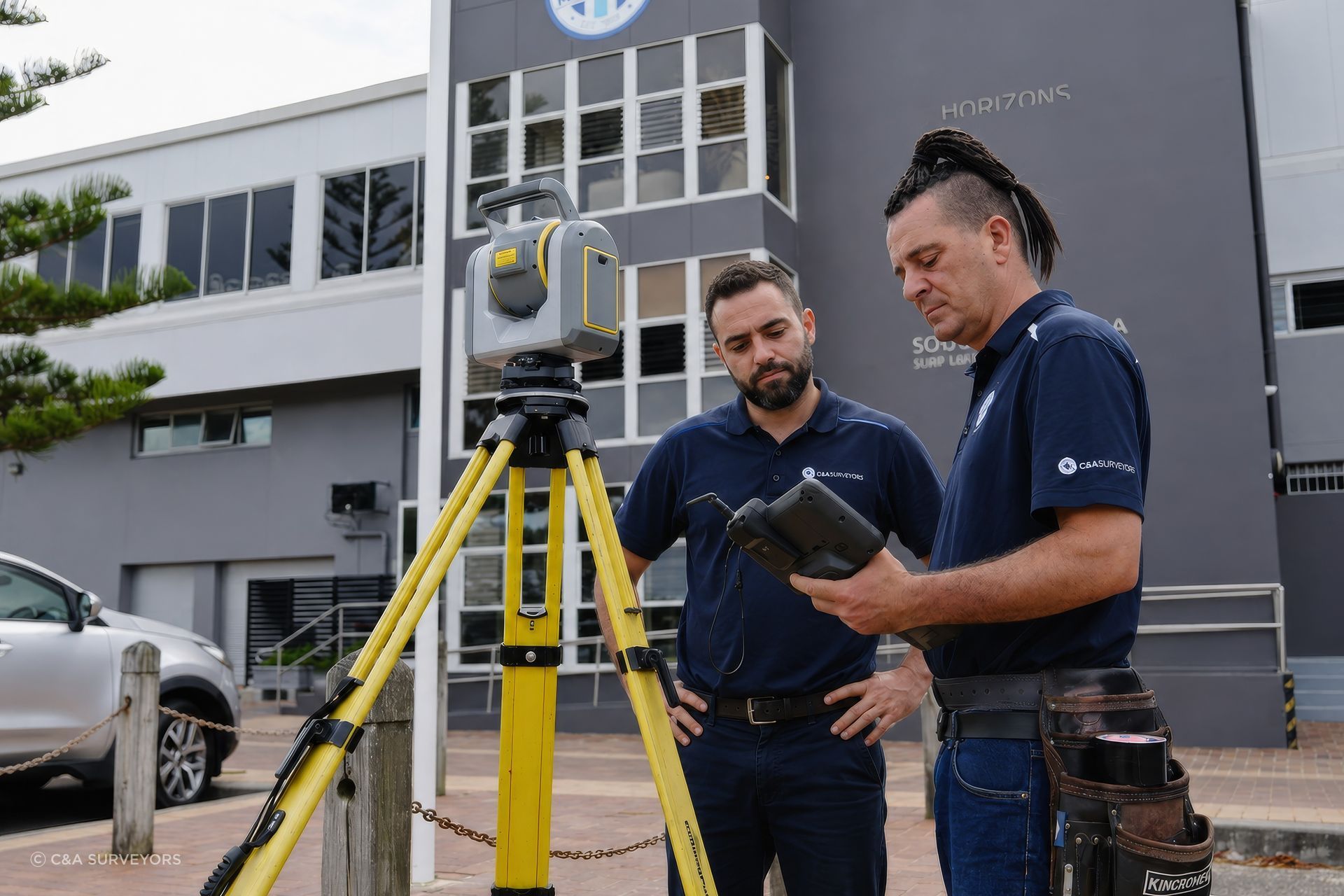
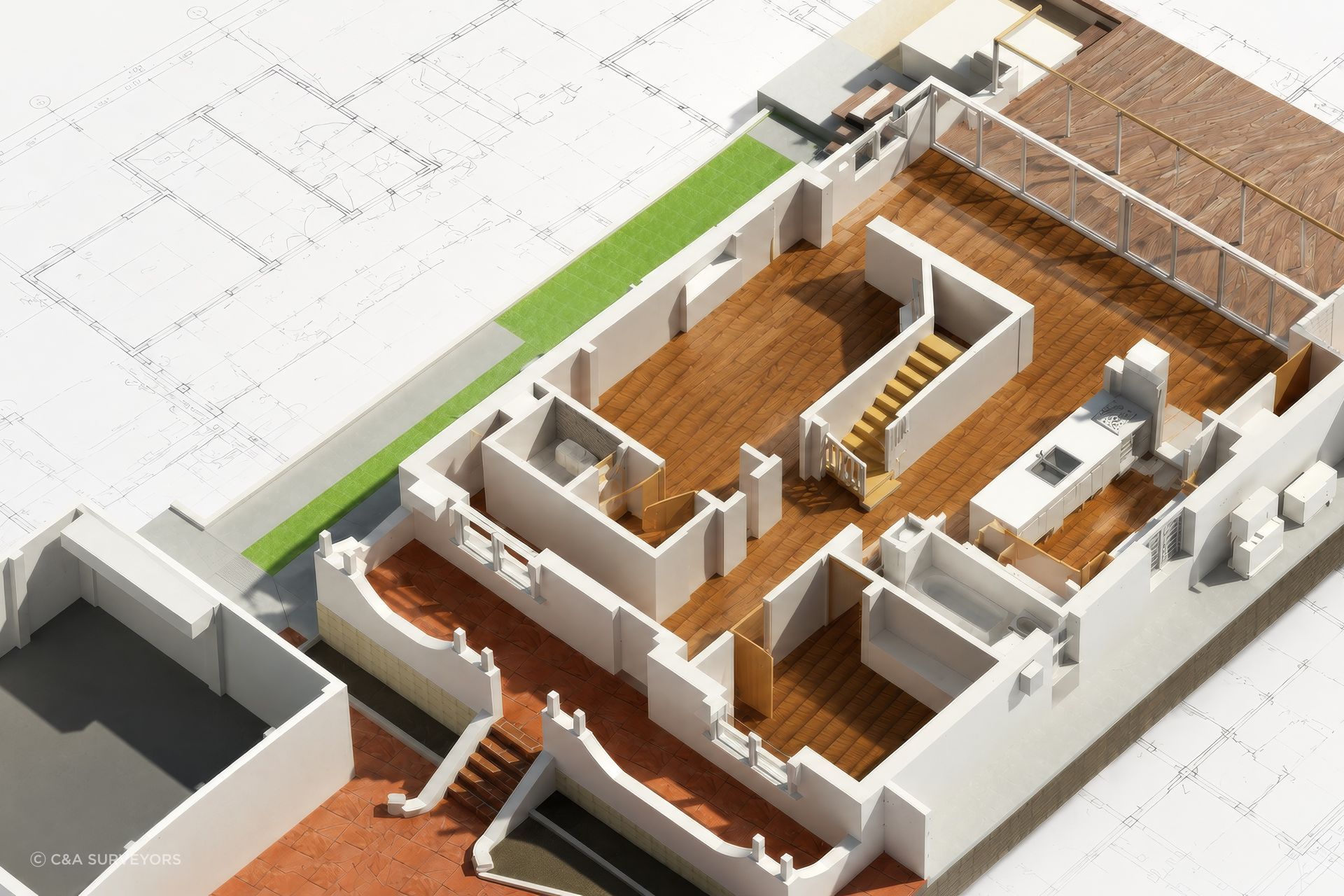
Rather than collecting only selected survey points, C&A Surveyors uses advanced 3D laser scanning, UAV mapping and digital modelling to create a highly detailed representation of every site. This allows architects to design with confidence rather than filling gaps with educated assumptions.
"When a traditional surveyor completes a job, they might collect a few hundred points of data," Tristan says. "We laser scan everything, capturing millions of points, which allows us to model the site exactly as we find it. That gives architects and designers the maximum amount of information to make their decisions."
That additional context becomes particularly valuable during feasibility studies.
Capturing surrounding buildings, setbacks and site restrictions early allows architects to test ideas against real-world conditions before significant design time has been invested. It also helps identify constraints that may otherwise only emerge during council review or construction.
Rather than slowing creativity, comprehensive data gives architects greater freedom to explore it.
The value of getting surveyors involved early
Surveyors are often engaged because they are required. Increasingly, however, architects are recognising the value of involving them much earlier in the design process.
The earlier potential issues are identified, the easier and less expensive they are to resolve.
Whether it's clarifying property boundaries, identifying underground services or understanding how neighbouring buildings influence a site's development potential, accurate information creates certainty before time and money are invested elsewhere.
That collaborative approach allows architects to focus on what they do best.
"Our goal is to provide the maximum amount of information possible," Tristan says. "The more information we can give architects and designers, the better decisions they can make throughout the project."
Giving back while moving the industry forward
For C&A Surveyors, delivering better data is only part of the story. The company's Ultimate Pack combines detailed surveys, 3D modelling, internal surveys and UAV mapping into a single offering designed to encourage architects to experience a more comprehensive surveying process.
But there's another purpose behind it. Rather than retaining the $200 package fee, C&A donates it directly to the Sydney Children's Hospitals Foundation.
"It's something we're incredibly proud of," Tristan says. "I'm a dad of three and my director is a dad of four. Giving back to the community is important to us. We've donated around $13,000 so far, with more to come."
It reflects a philosophy that extends beyond technology alone. Better information creates better buildings, but it also creates better outcomes for the people who rely on them.
As digital workflows continue to evolve, C&A is also expanding its capabilities with native ArchiCAD modelling, allowing architects to work even more seamlessly within their preferred software environment.
Ultimately, the greatest value of good surveying isn't measured in points of data or sophisticated equipment. It's measured in the confidence to make informed decisions, the time saved by avoiding unnecessary redesigns and the certainty that comes from starting every project with the clearest possible understanding of the site.