Real fire, rethought for apartment living
Written by
25 August 2026
•
4 min read

Across three Sydney developments, that shift is playing out in different ways. At AVRA in Bondi, restrictions on gas meant finding another way to retain fire within the design. At Perle in Penrith, genuine heat and fire were important to buyers moving from established homes. At Crown Residences, an existing fireplace system needed to be replaced across 82 apartments.
All three turned to Decoflame. Together, they show how fireplaces are being rethought for multi-residential projects, from the technology making it possible to what it takes to deliver it at scale.
Why keep fire in the brief?
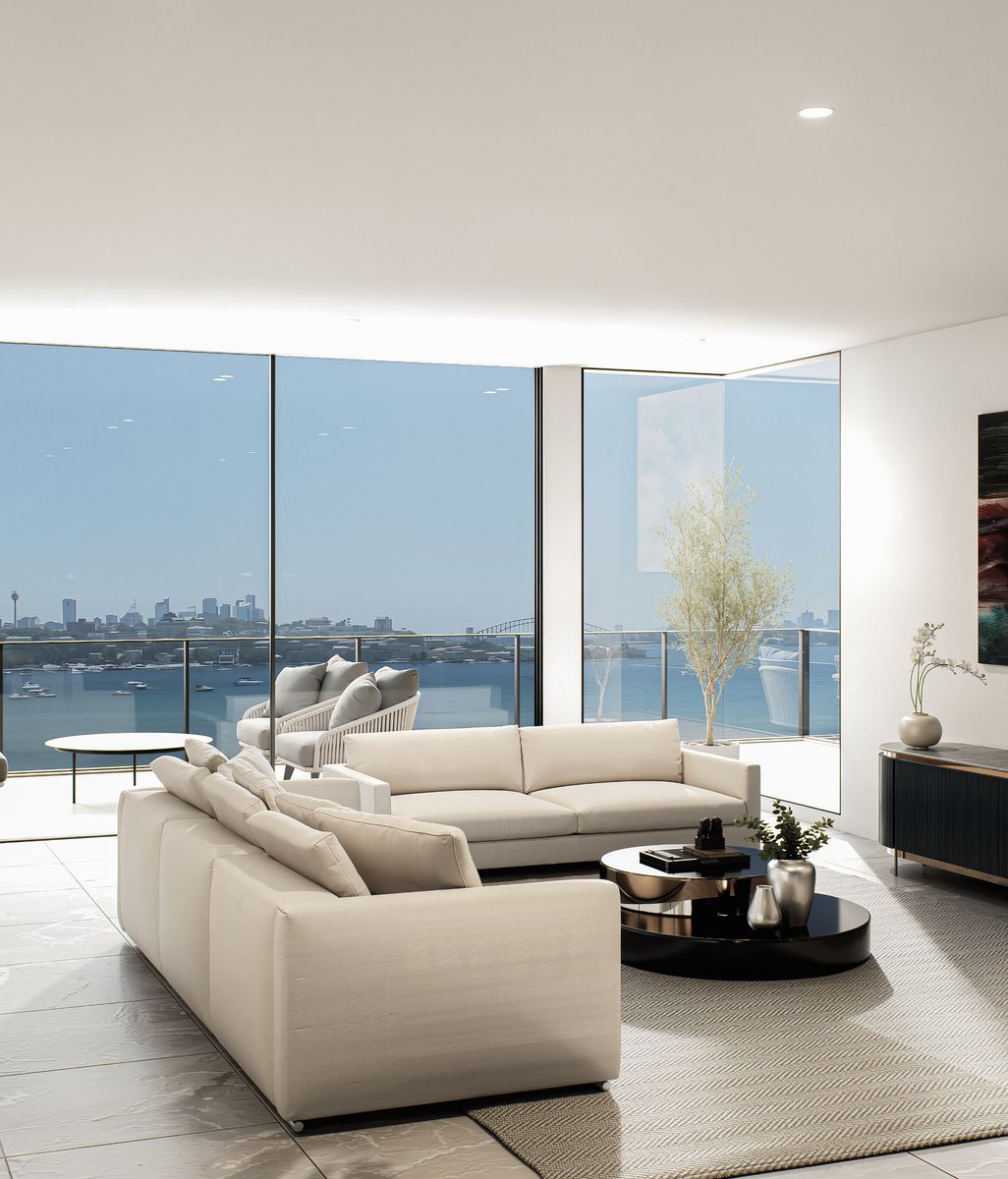
At AVRA, a collection of 18 residences in Bondi Beach developed by Created By Clutch and interiors by Woods Bagot, the ambition was to create the privacy and sense of home more commonly associated with a substantial private residence. For its predominantly downsizer market, this meant considering what buyers might be reluctant to leave behind.
Fire was one of those elements.
“We believe it’s important that our purchasers feel like they have not compromised the comforts they are used to, while now living in an apartment,” says Nick McCarthy, Development Director at Created By Clutch.
At Perle, the fourth stage of ESQ Penrith by James Place, the same expectation came with a practical requirement: genuine heat.
“When we were thinking about what the ideal downsizer home was, it was always going to include a fireplace,” says Amanda Gower, Head of Customer, Brand and Design at James Place. “It gets quite cold in Penrith, and the majority [of potential buyers] already have fireplaces in the homes they’re in now.”
When Amanda first experienced the DecoFlame product, it was the heat output that surprised her.
“I was blown away by how much heat I could actually feel from it,” she says.
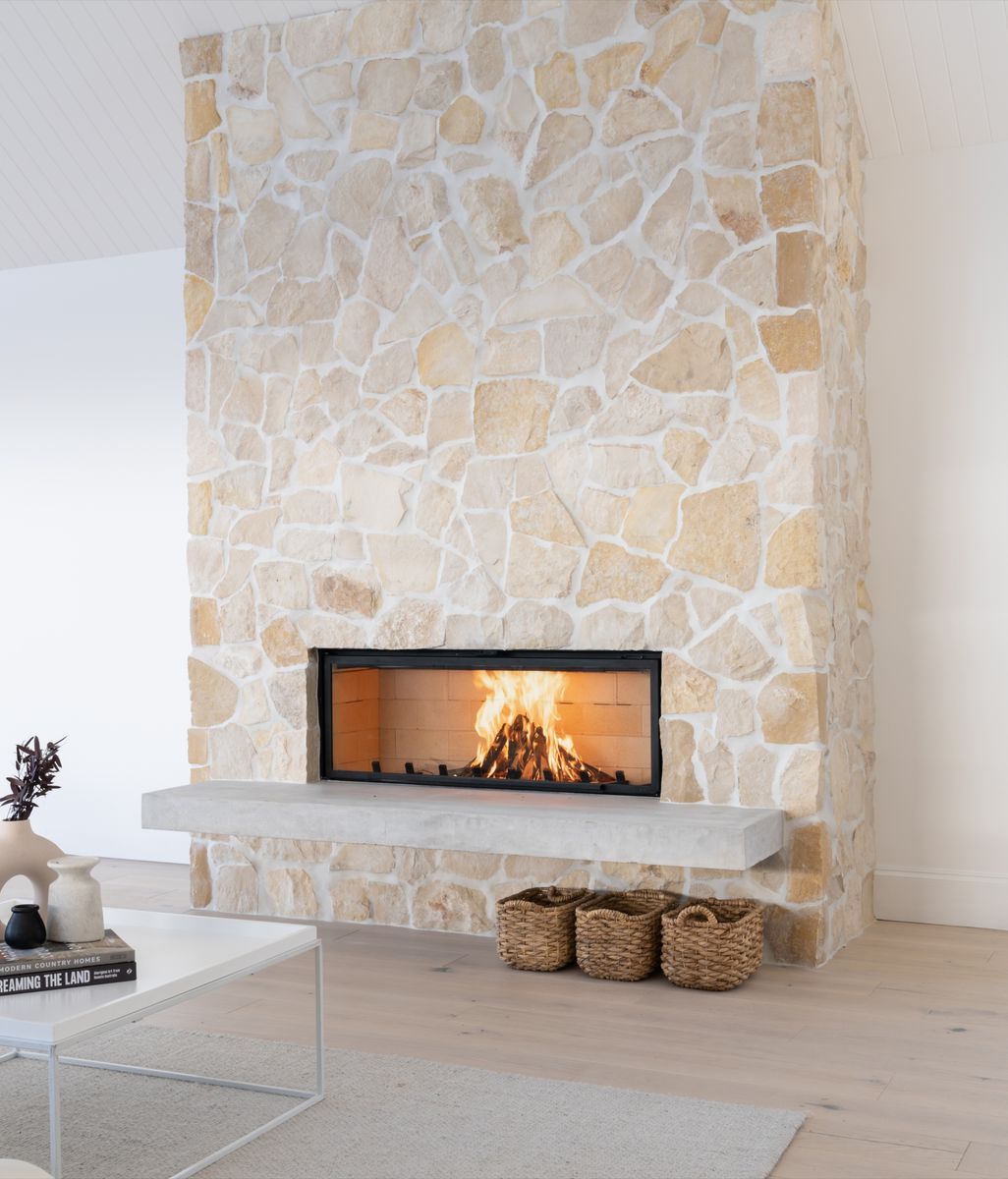
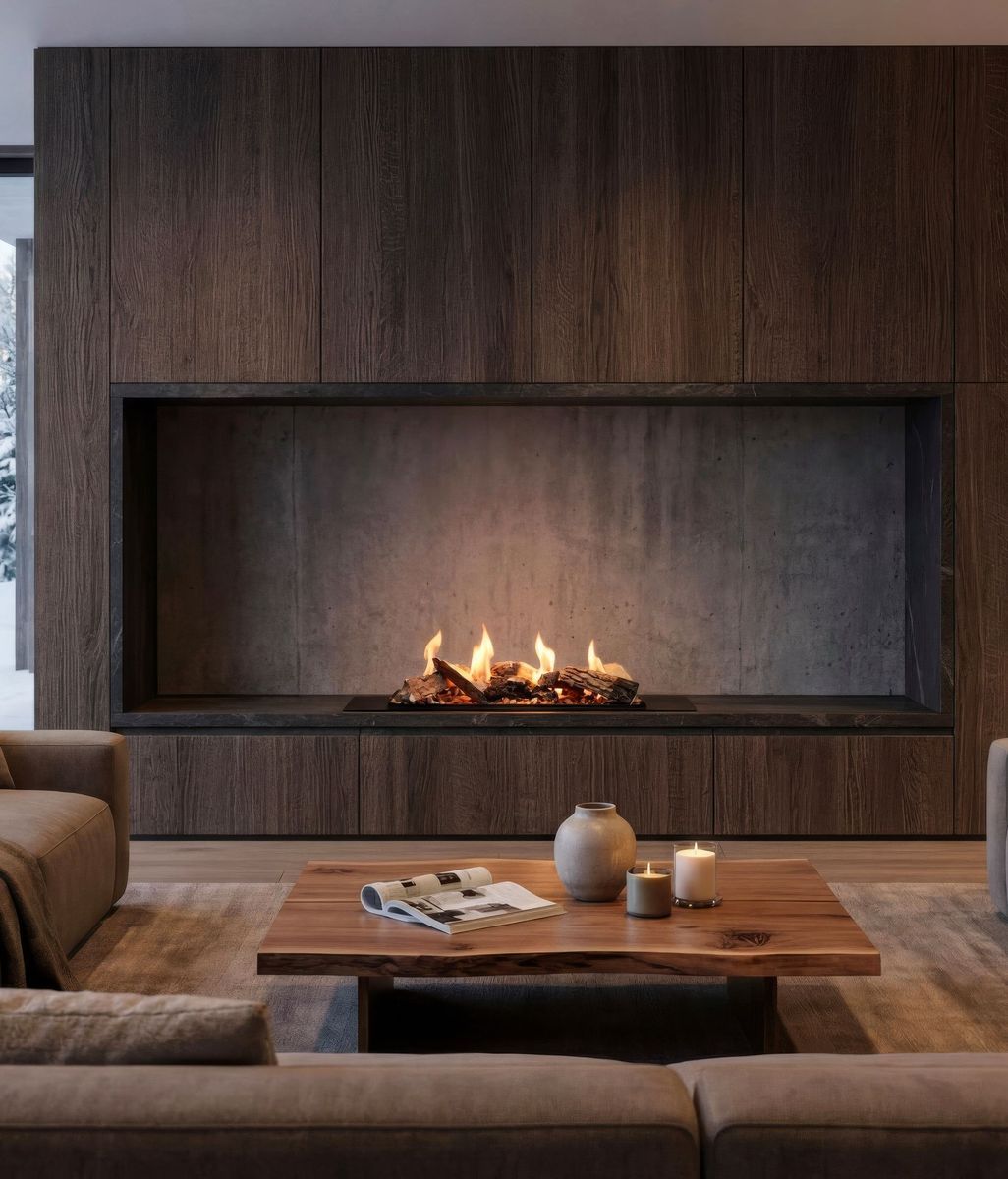
Fireplaces were specified within the penthouses and Perle’s communal lounge, with different glass protection options available to respond to how individual residences will be used.
For both projects, fire was still part of what the design needed to deliver, even as the options for specifying it were changing.


When gas is no longer an option
At AVRA, that question emerged early in the design process.
Waverley Council’s ban on gas appliances in new residential projects meant the team needed another way to retain the flicker of flame within the living spaces. The Decoflame Net Zero F6 ethanol fireplace was considered early and ultimately specified for the project.
Rather than requiring a gas connection or traditional flue, the fireplace uses electricity and bioethanol. Its BEV technology keeps the fuel within a sealed container and converts it to vapour before it reaches the fire line. The vapour is then burned to produce the fire while producing no smoke, soot or ash.
At AVRA, the Net Zero F6 offered a way to retain fire within the design despite the restriction on gas.


What happens at scale?
At Crown Residences, One Barangaroo, the existing semi-automatic fireplace system needed to be upgraded across all 82 residences. A BEV bioethanol system was selected as the replacement.
For Chris George, Sales Director at Decoflame, the project reflects how the technology behind bioethanol fireplaces has developed.
“There needs to be a focus on safer, premium solutions, especially for such prominent apartments,” he says.
"Our automatic BEV systems combine adjustable flame and heat levels, advanced safety technology, automatic fuel management and Smart Home functionality on selected models."
The project is particularly interesting from a specification perspective because the replacement needed to work within existing architectural conditions.
The marble surrounds had been designed and cut around the previous fireplace system. Rather than replacing the stonework, the existing marble is carefully modified to accommodate the new units.
Across the residences, the ability to work within the existing interiors becomes as important as the fireplace itself. The specification has to respond to what is already there, rather than requiring the architecture to be redesigned around it.
For architects and interior designers, this is often where the viability of a specification is determined. A product rarely exists in isolation. It has to work with stone, joinery, services and the other architectural elements resolved around it.

A different way to specify fireplaces
While these apartment buildings may take different approaches, a common lesson emerges: luxury in multi-residential design is increasingly about the aspirational lifestyle combined with familiar comforts.
Downsizers are seeking the ease and low-maintenance benefits of apartment living. Yet, they’re not necessarily looking to leave behind the qualities which made their previous houses feel like home.
The most successful projects recognise this balance in creating a new version of place: one shaped around how their residents want to live next.
Explore more design-led apartments, products and professionals on ArchiPro or contact Decoflame today.