Why Cobild Lux breaks bread before it begins a build
Written by
27 August 2026
•
6 min read


For Nimrod Rotenberg, Head of Cobild Lux, the moment is less about ceremony than setting a tone. “If we don’t know how to break bread, which means if we don’t know how to sit and have a conversation about dealing with an issue, we cannot get into business,” he says. “Every issue should be able to be dealt with over a coffee, over a meal, over a drink.”
It is a modest gesture set against an ambitious undertaking, but that is precisely the point. Long before the walls go up, Cobild Lux is establishing what matters most: whether the relationship around the project is strong enough to go the distance.
The ritual neatly captures his view of building. The technical work may be exacting, but it is the relationships surrounding it that ultimately determine whether a project succeeds.


A family history of building
Cobild’s story began more than 30 years ago when Nimrod’s father, Coby Rotenberg, established the business. His older brother, Rotem, joined in 2004 and is now CEO, followed by Nimrod in 2006.
“From the age of 11, my summers were work,” he says. “I had two choices: week one, work, or week two, work.”
The company has since grown across residential and commercial construction, combining Coby’s decades of building experience with Rotem’s interest in innovation and new technology. For Nimrod, the opportunity was to take that capability into increasingly ambitious residential projects.
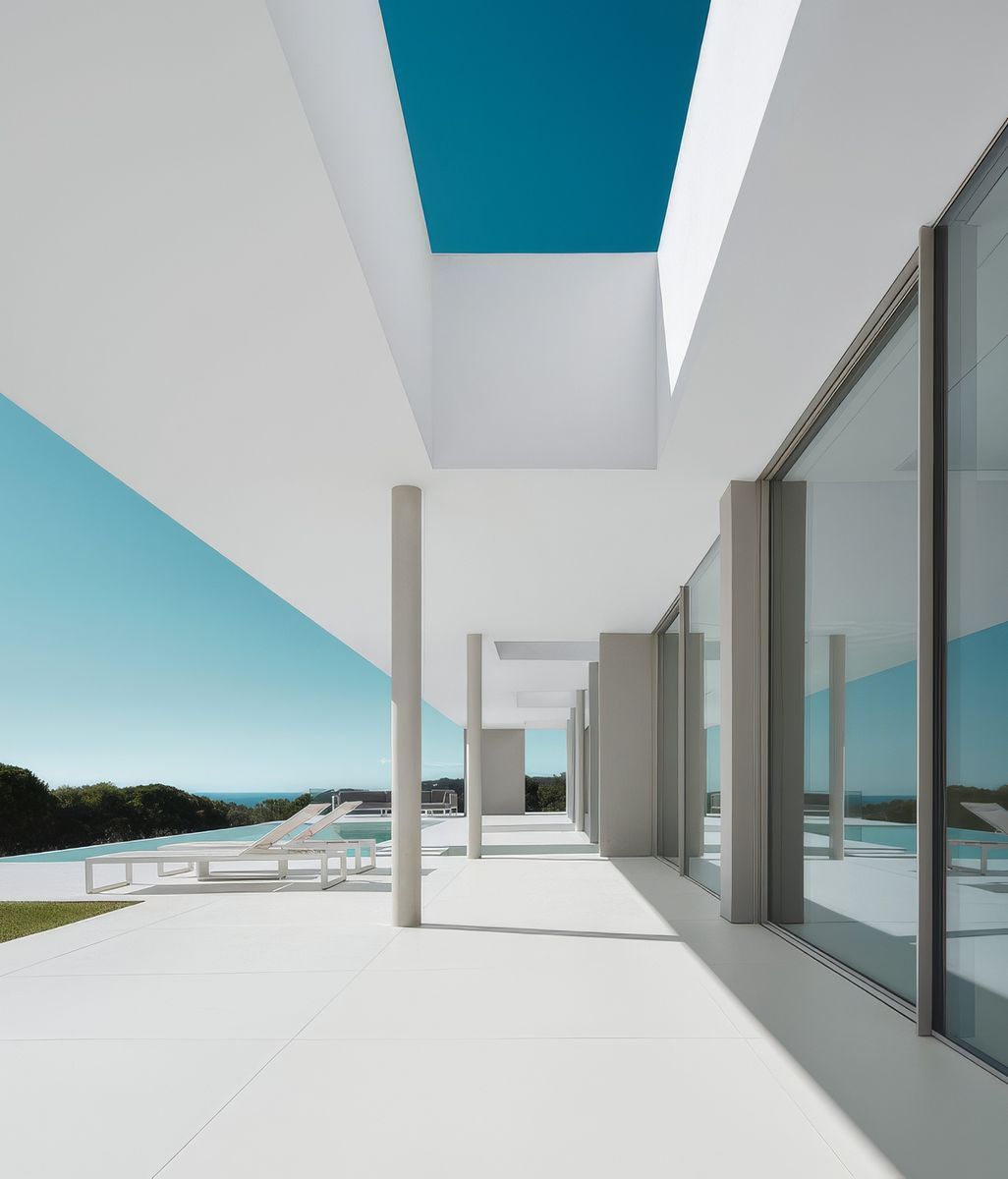
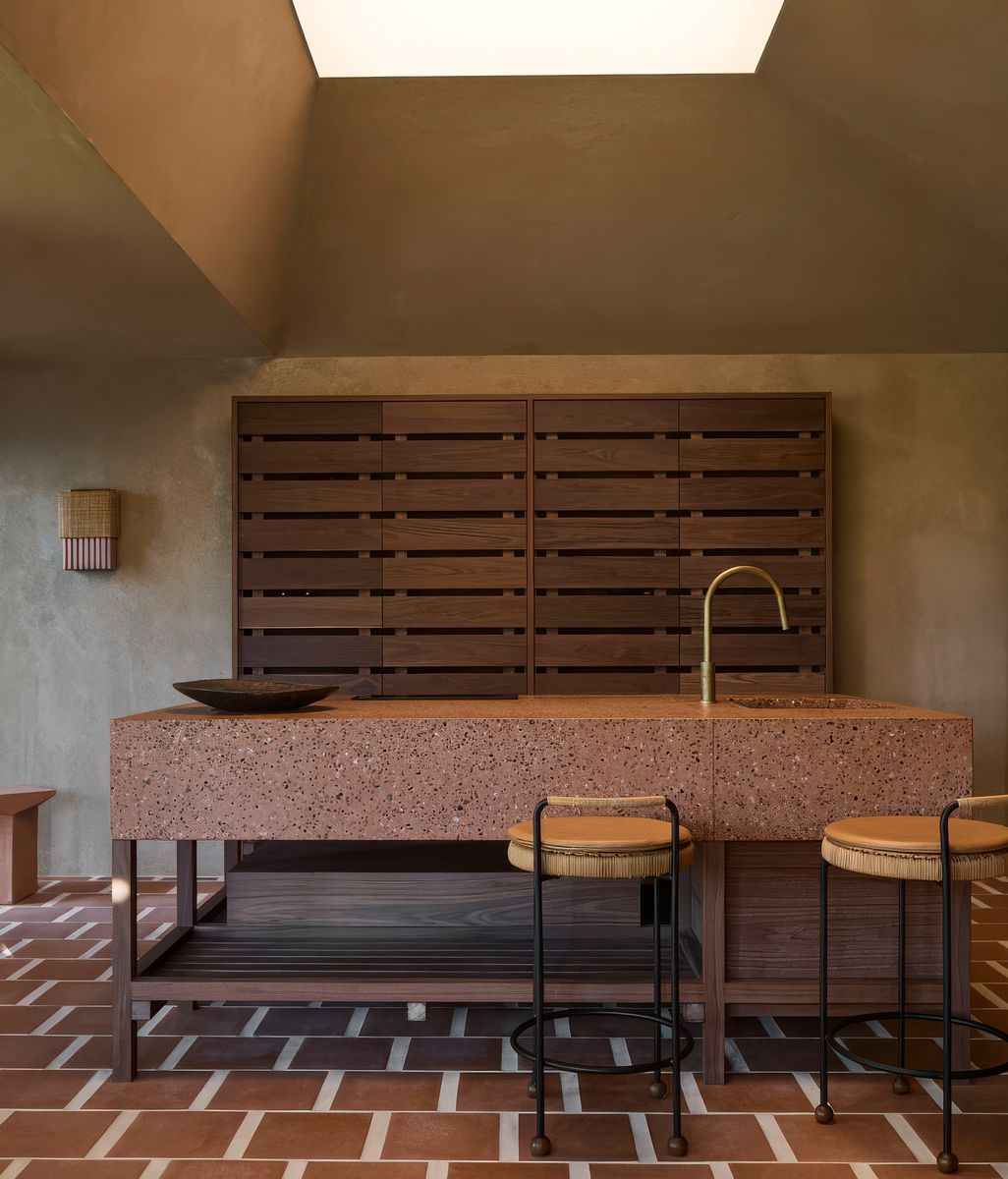
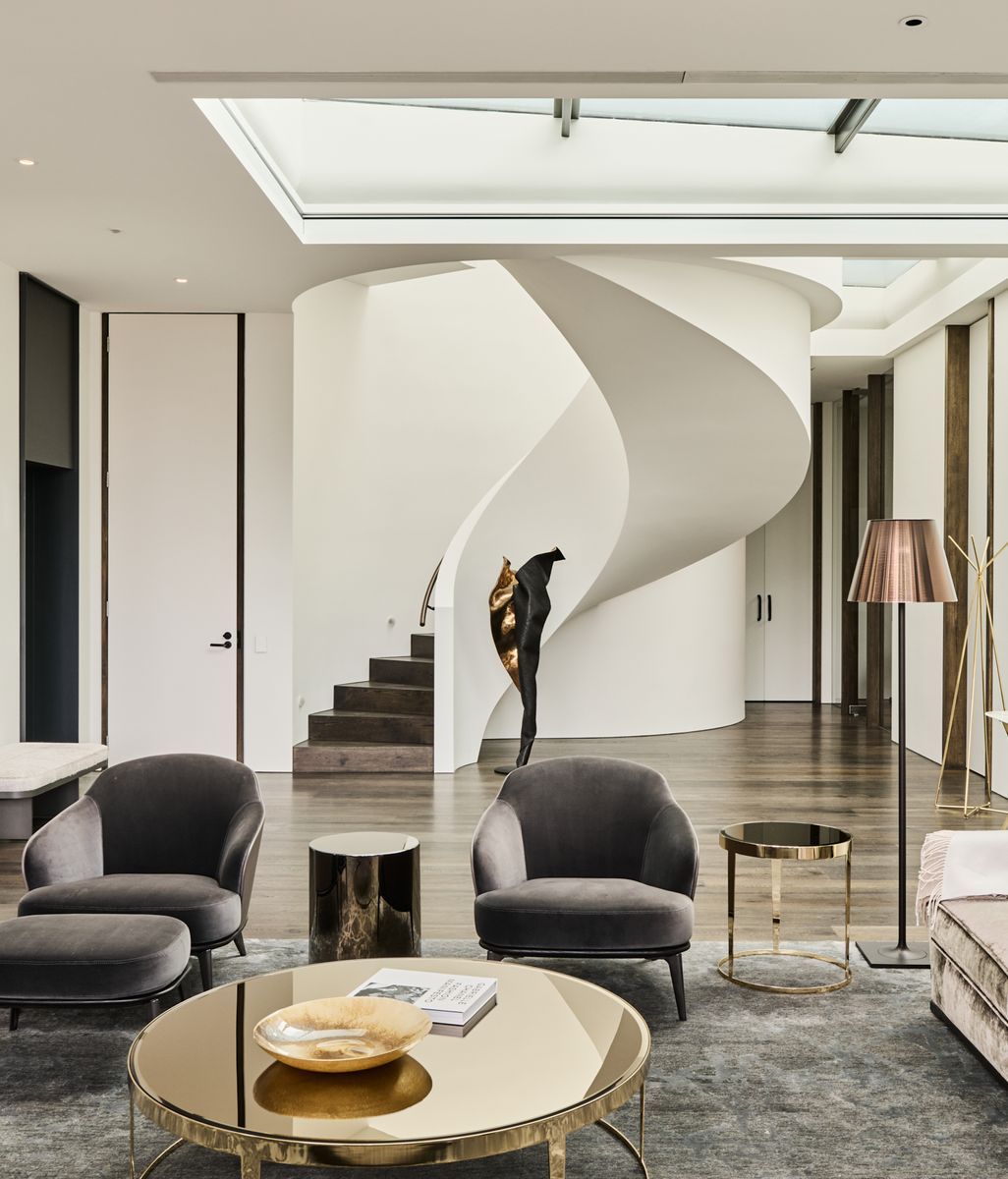
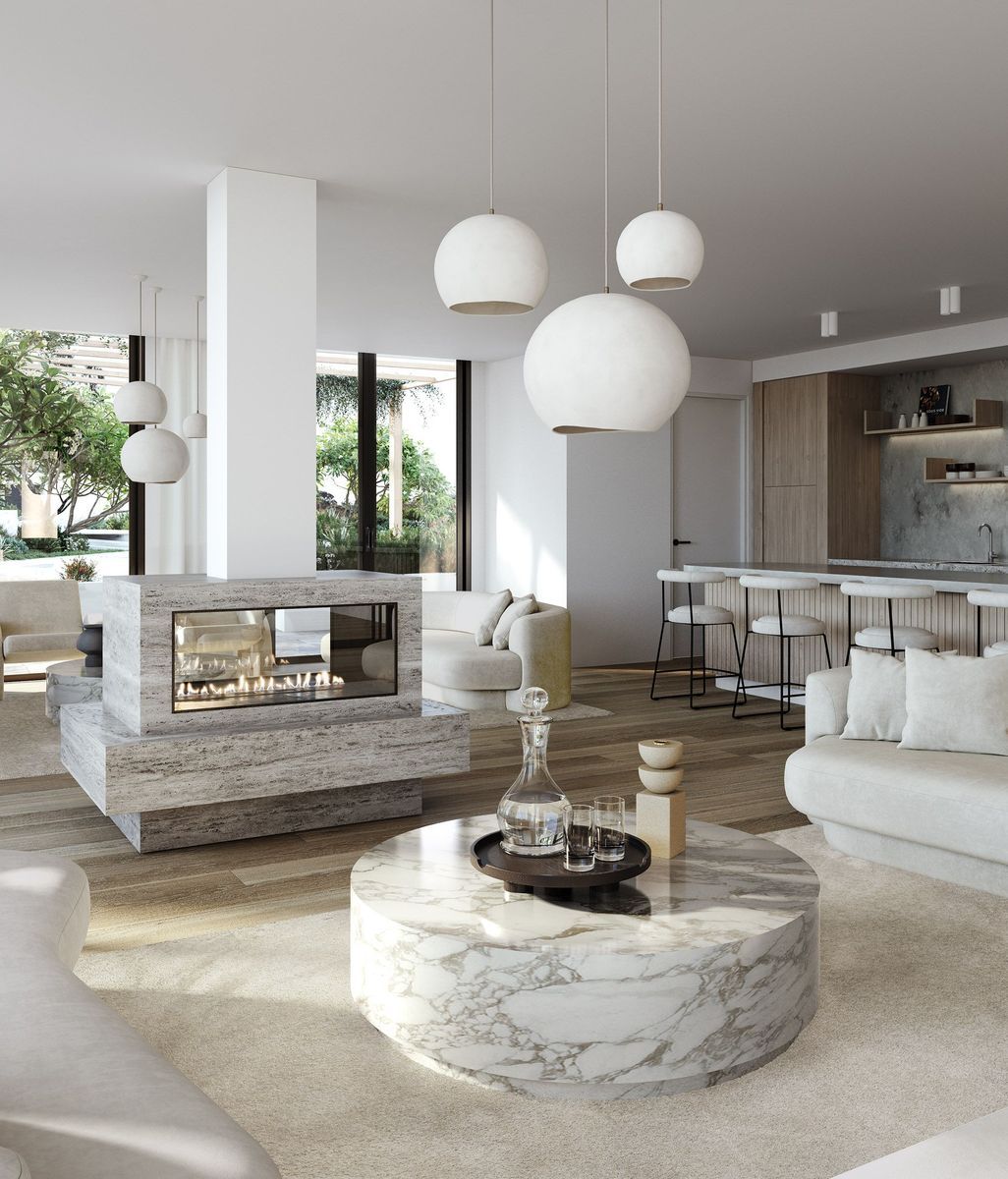
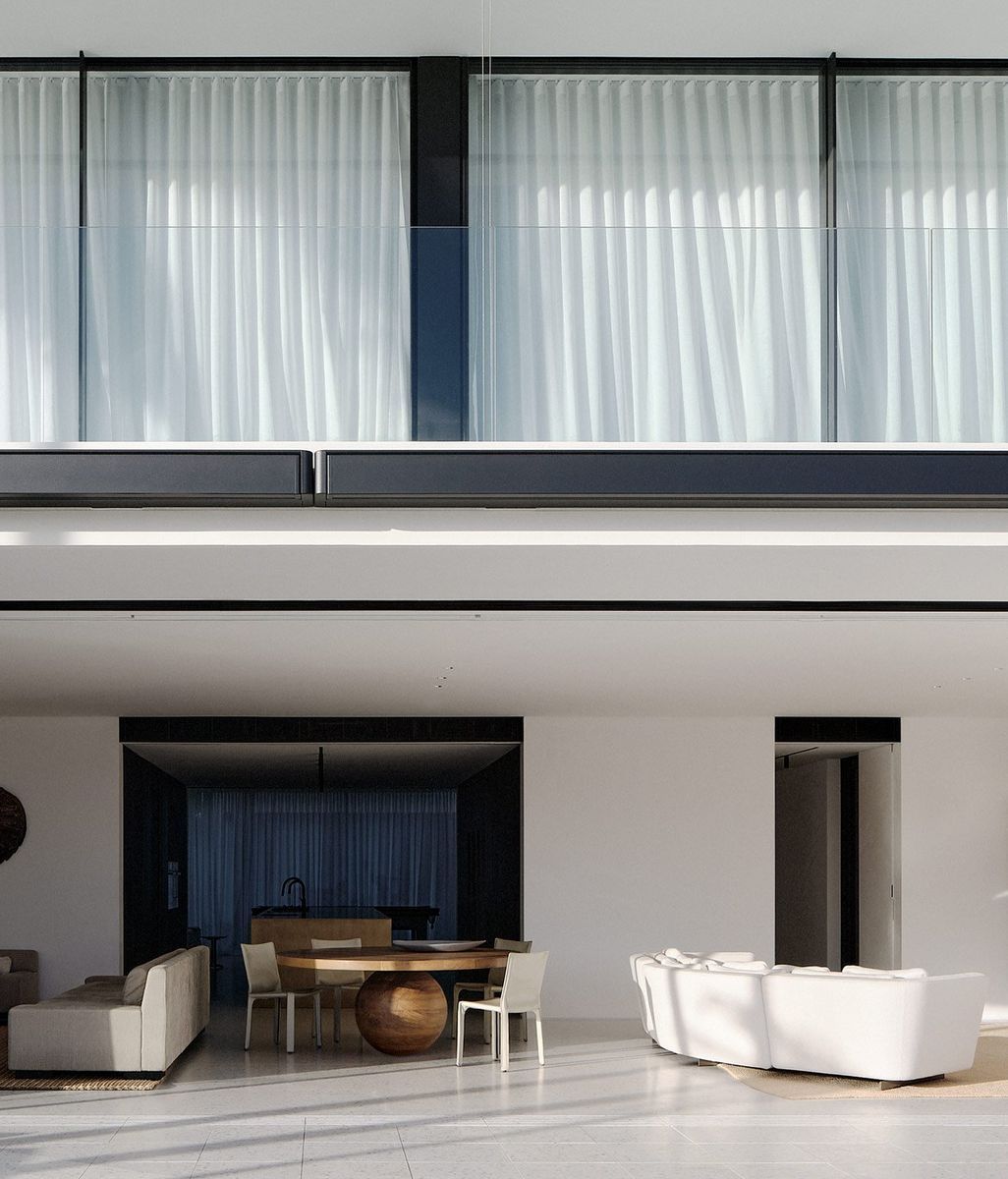
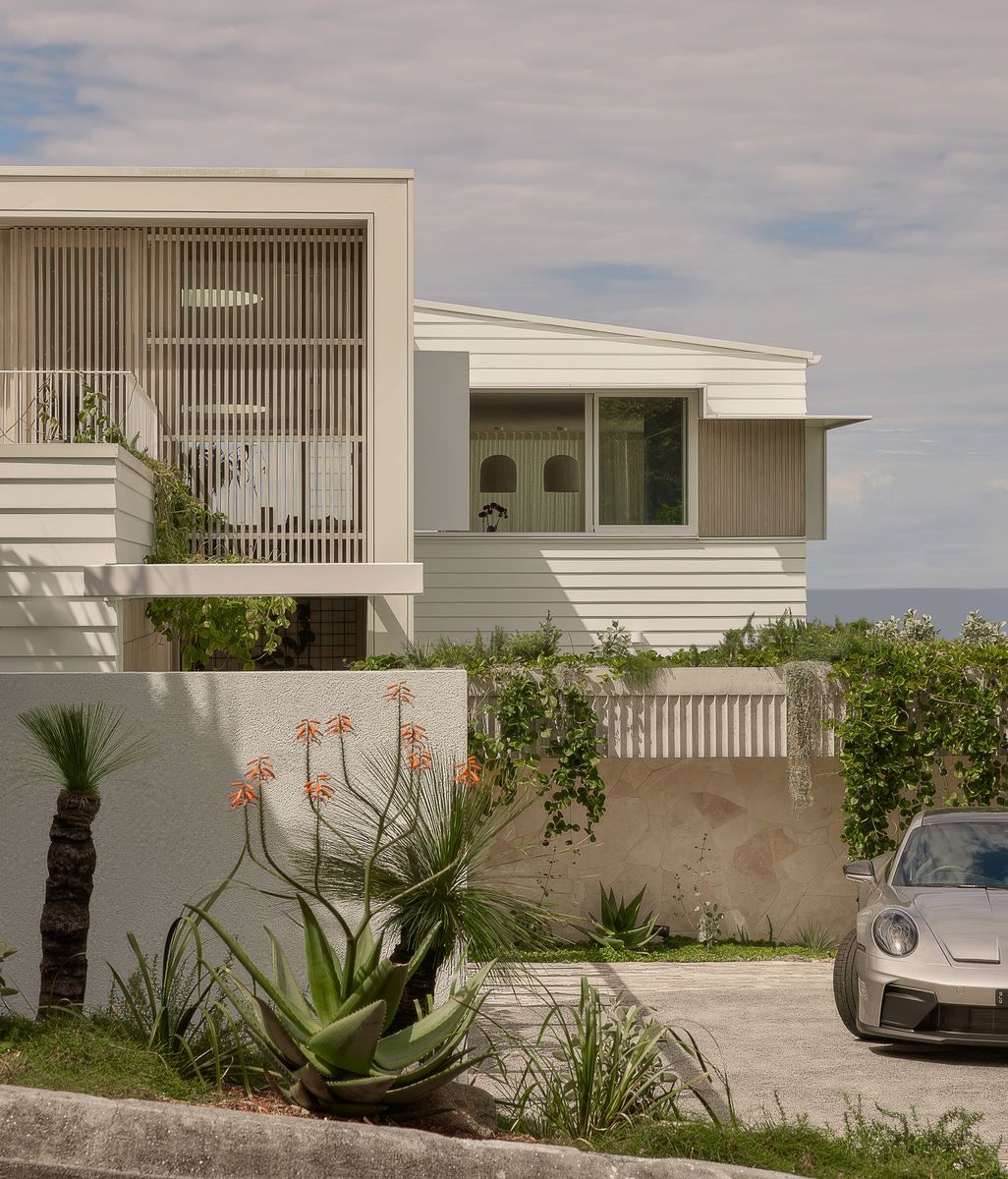
In 2019, Cobild formalised that ambition with the launch of Cobild Lux, a dedicated division focused on highly resolved, large-scale homes. Its first two projects were each around 2,500 square metres, one in Toorak and another in Flinders. Today, its portfolio includes homes of approximately 2,500 to 3,000 square metres.
The scale is extraordinary, but scale alone is not the point. Nimrod is drawn to the combination of technical precision, complex problem-solving and a deeply personal client experience.
“I’m good at one thing, and that is delivering high-end quality,” he says. “I always knew I was going to be building, but not until seven years ago did I realise that building legacy homes was my calling.”

The chemistry test
At this end of the market, the relationship between client and builder can span well over a decade: months before construction, several years on site and many more through aftercare. Cobild Lux therefore does not enter a tender without first meeting the client.
With referrals and repeat clients accounting for around 90 per cent of new business, Cobild Lux is discerning about who they take on. The process begins with what the team calls the Coffee Test, a chance to understand whether the architect, client and builder genuinely share the same priorities and, just as importantly, whether they will enjoy working together.
When that alignment is there, a coffee has a way of becoming lunch and, eventually, what Cobild describes as a relationship for life.
“If we’re not aligned, there’s no point in us investing time or you investing time in it,” he says.
On a 2,500-square-metre home, the importance of that candour becomes clear quickly. A seemingly small decision can be multiplied across an enormous area, while others can carry six-figure consequences. Difficult conversations cannot wait until something has gone wrong.
“The building is the part we have mastered. The relationship is the real work,” says Nimrod. “Having a relationship with a customer where you can talk about the hard stuff early is very important.”
That thinking underpins Cobild’s guiding value, “relationships for life”, as well as what the team calls “Coboldness”. A willingness to meet a challenge directly. Trust, honesty, quality and integrity are not treated as differentiators; they are seen as the baseline for being in business.

An ecosystem, not a hierarchy
Each Cobild Lux home is supported by a tightly formed project team. Nimrod remains personally involved across the portfolio. That involvement is protected by a deliberate limit: Cobild Lux takes on no more than four projects at any one time, ensuring every client deals directly with him from the first coffee through to final handover.
The structure matters because an ambitious home is never the work of one author. Architects, builders, consultants, craftspeople and clients each bring different expertise to the table. The builder’s role is often to translate between them, identify what has been assumed and make sure everyone is solving the same problem.
That can involve pushing back. When Cobild’s construction experience suggests an architectural detail could be improved, it is flagged early. Disagreement is not friction, but a part of bringing decades of building experience into the room.
“We can have as many furious agreements as we want because we want the same outcome,” he says. “I would just be another builder if I didn’t push back.”
The result is what Nimrod describes as an ecosystem. Professional partnerships become friendships and client relationships frequently continue long after handover. The owners of Cobild Lux’s first major home still welcome him back with prospective clients and architects; he was later invited to the owner’s 80th birthday.
“I’m proud of the relationships I’ve built through the homes we’ve built,” he says. “We’ve been entrusted to build someone’s legacy home, where these people entertain, host and have their family around them.”


A home worth taking time over
Nimrod’s advice to anyone preparing for a major residential project is simple: embrace the build.
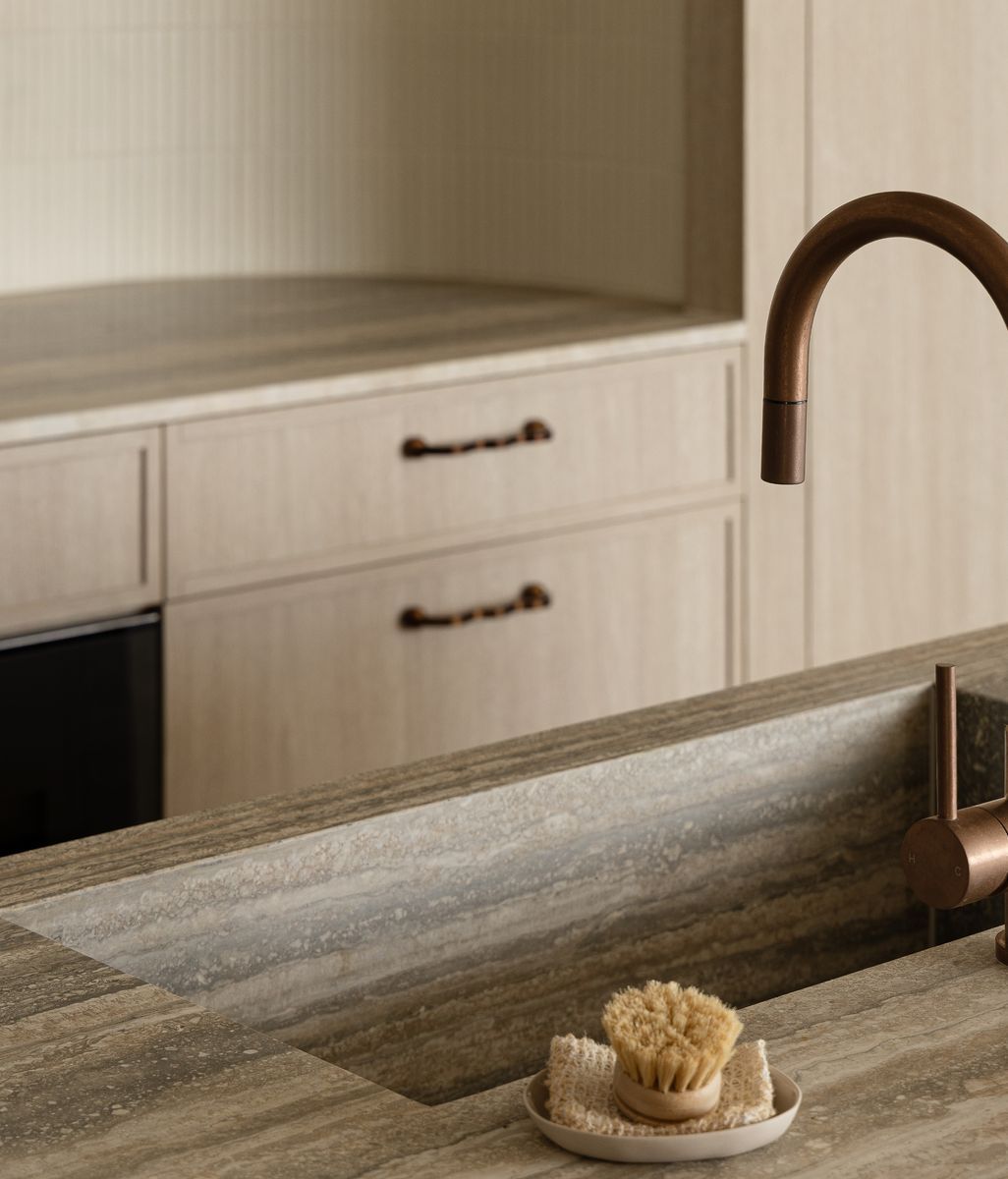
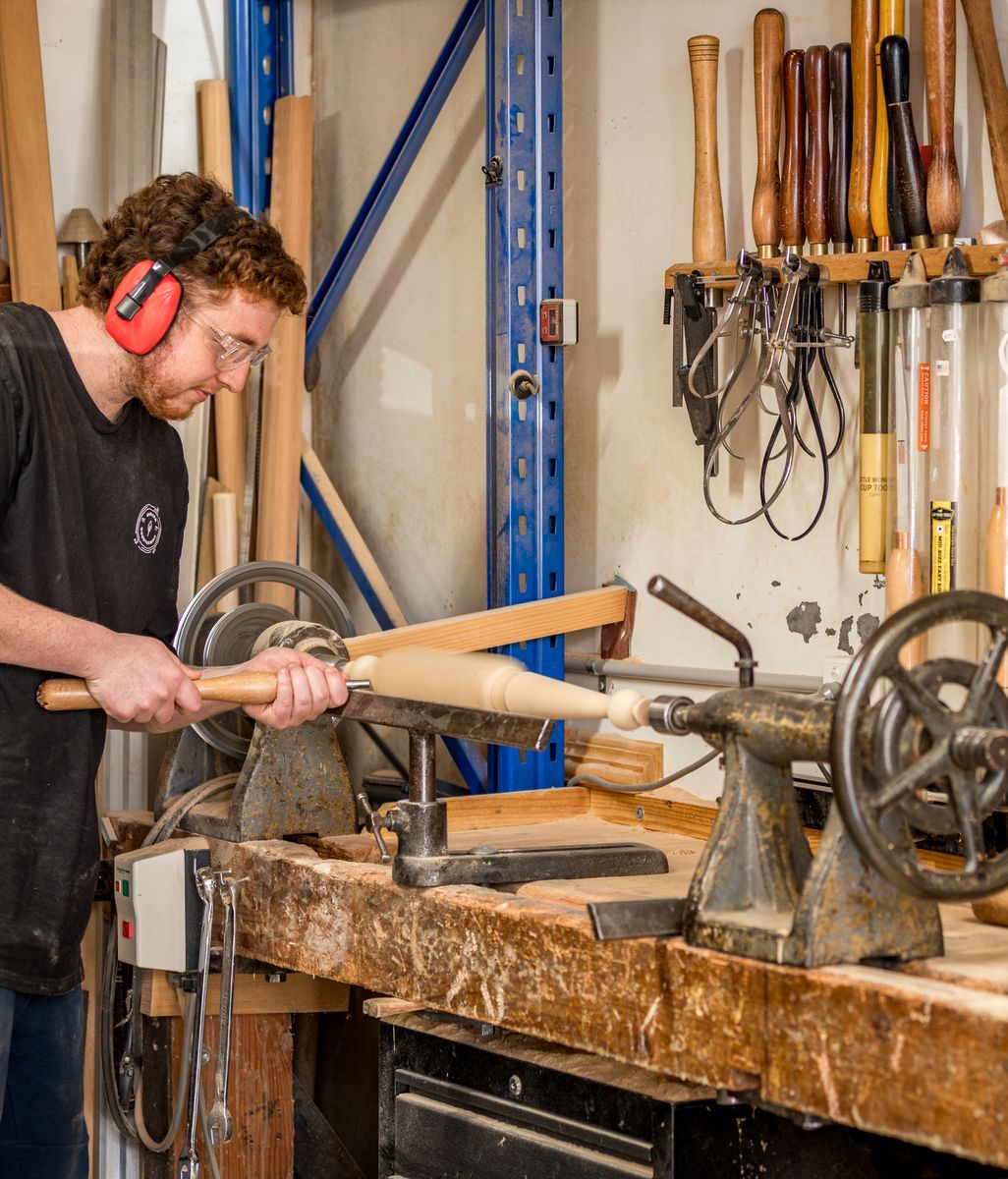
Cobild Lux can deliver a structure quickly, drawing on decades of commercial construction experience, but fine finishing follows a different rhythm. Specialist work cannot always be accelerated by adding more people. The right craftsperson needs the right amount of time.
That can be particularly difficult in the final month or two, when moving dates, rent and the desire to simply be home begin to weigh on a client. Yet this is also the stage they will see every day for decades.
Nimrod’s advice is not to rush it. The final five per cent is the part a client will live with, and the process should be allowed the time it needs.
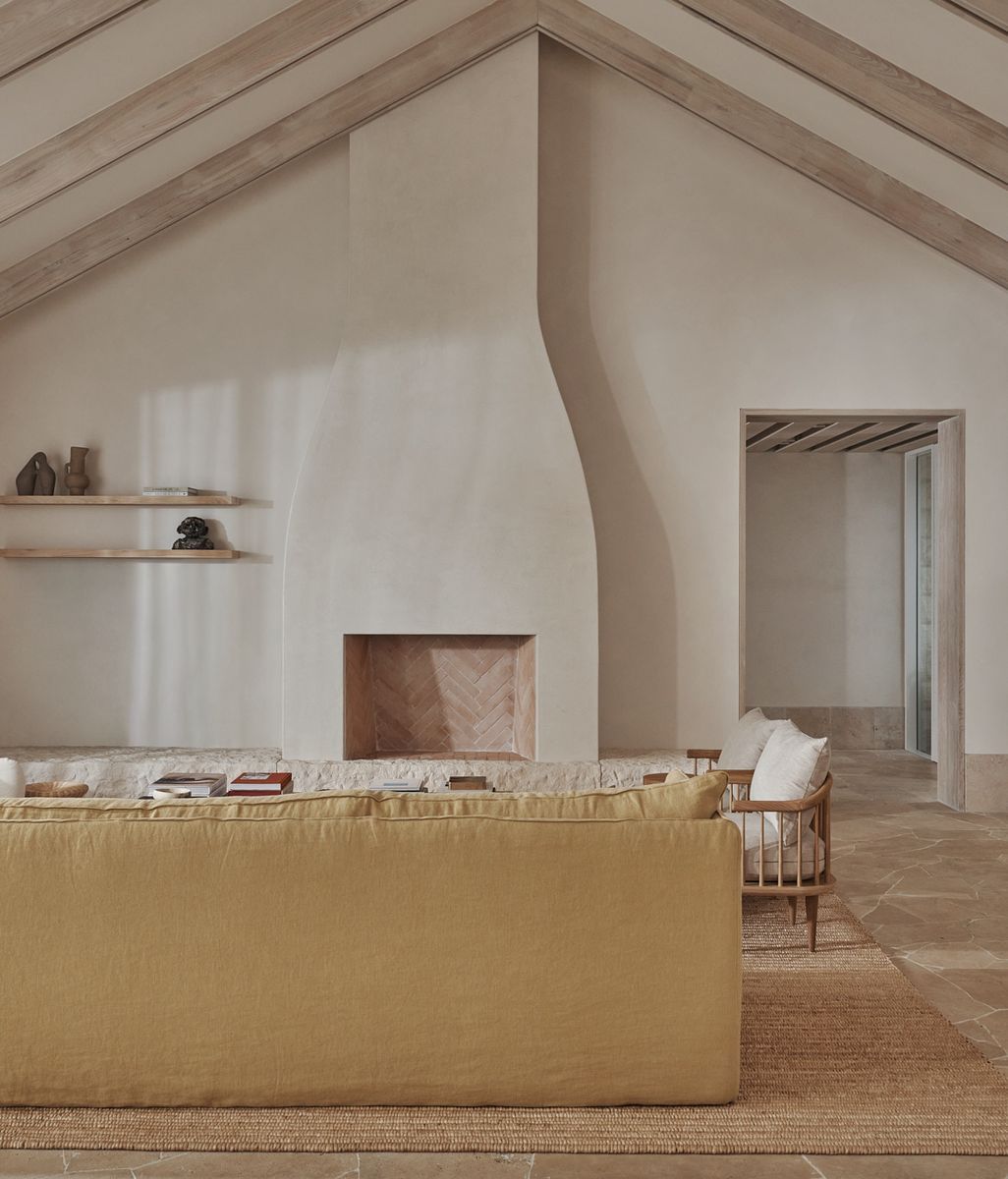
It is a philosophy that returns neatly to the breaking-ground ceremony. A legacy home is not simply a collection of costly materials or impressive rooms. It is the result of many people staying in conversation when the work becomes difficult. Long before the bottle is lifted from its toolbox and opened in the finished house, the team has made a quieter commitment: whatever arises, they will come back to the table.
Explore more of Australia’s leading residential builders, discover the work of architects and architectural designers, or find further advice and inspiration for planning a considered home in Build.
See Nimrod Rotenberg live on the panel at ArchiPro’s Home Design Evening in Melbourne on 16 October 2026. Register to attend.