What you don’t see: The hidden craft of a luxury build

Written by
14 September 2026
•
6 min read
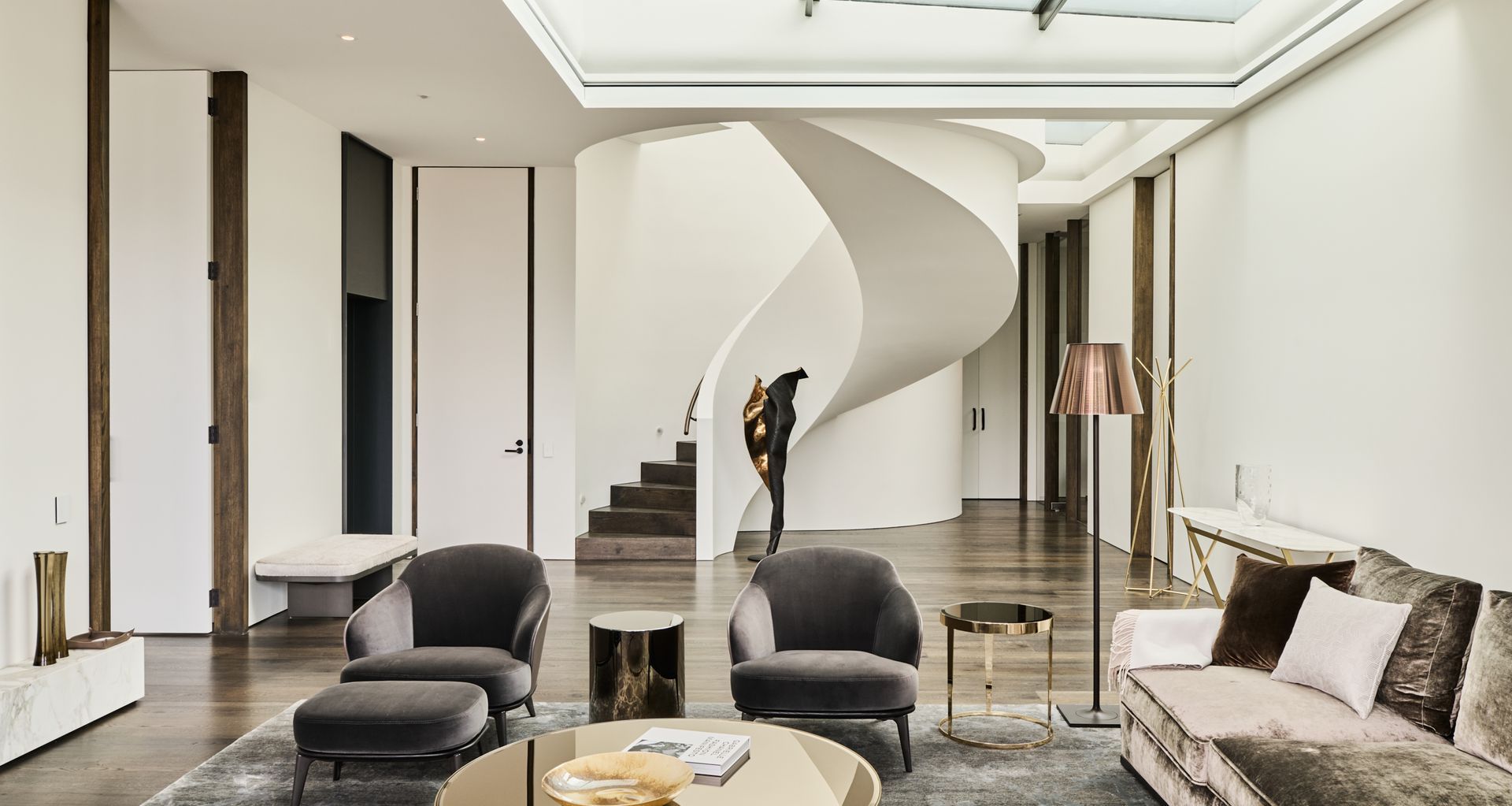
The first sign of a beautifully built home is not an imported stone benchtop, a basement wellness suite or an arresting view. According to Nim, it is much simpler… “everything lines up.”
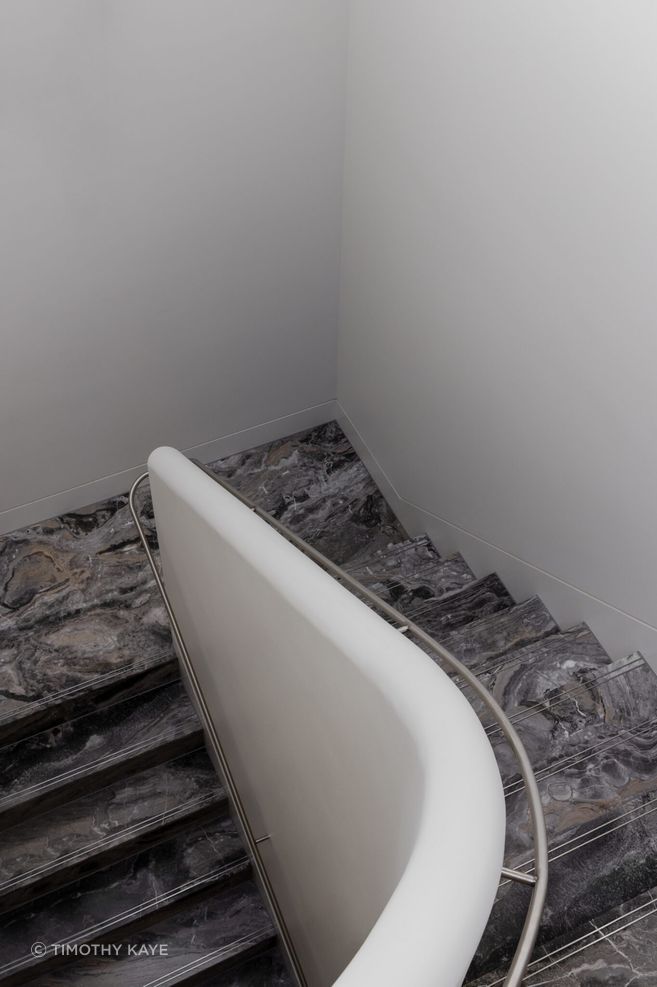
Alignment is easy to overlook precisely because, when it is done well, nothing calls attention to itself. Mechanical grilles disappear. Bulkheads no longer interrupt a ceiling. Stone seems to glide despite weighing 300 kilograms. The building performs, but its effort remains hidden.
“You walk through a normal luxury home and you’ll still see the bulkheads and mechanical grilles, the things you are used to seeing,” says Nim. “Then you walk through a luxury home and you don’t even know you’re not seeing them.”
These are the quiet luxuries. They distinguish a home that is expensive from one that has been exceptionally resolved.
Resolve the invisible early
Much of that refinement is decided well before construction begins. Cobild Lux reviews and challenges details with the architect, not to redraw the architecture, but to test how materials, structure and services will work together once construction starts.
The architect, builder and client ultimately want the same thing. The best possible home. Construction experience gives the builder a particular role in testing sequencing, durability and the places where multiple systems meet.
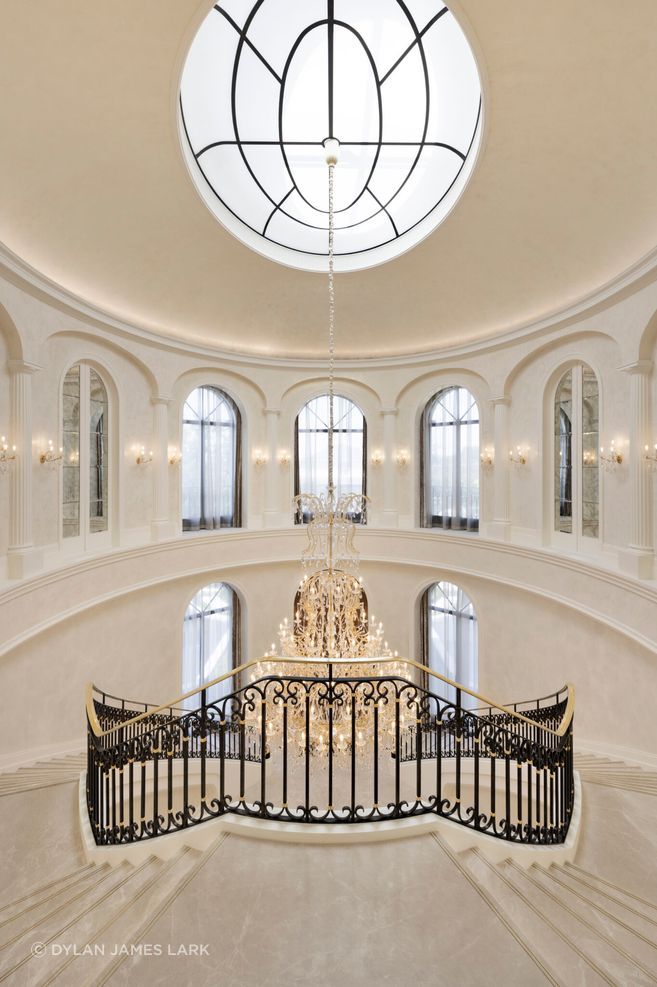
In one palatial Toorak home, all heating and cooling was concealed within a five-metre vaulted ceiling, removing the need for visible grilles around the rooms. Hydronic heating was integrated into the slab, while conditioned air was delivered discreetly from above. The comfort is felt, but the infrastructure is not.
It is an approach that applies at any scale. Heating, cooling, lighting, window treatments and power all need somewhere to go. The earlier those spatial demands are coordinated, the less likely they are to compromise the architecture later.
Perfectly imperfect materials
Quiet resolution does not mean forcing every surface into artificial uniformity. Cobild Lux works extensively with natural stone and timber, where movement and variation are part of the appeal.
“There is no such thing as perfect,” says Nim. “We believe in the perfectly imperfect nature of the materials we’re working with. It’s about understanding that there is movement, that there are going to be imperfections, and catering for those imperfections as part of the build.”
That understanding becomes particularly important at scale. Nim has travelled to Italy with clients and their design teams to select blocks of stone capable of yielding around 60 slabs or 300 square metres. From the rough exterior of a block, the group must anticipate the character held within.
The builder’s contribution is not to eliminate that variation, but to plan for it. Cuts, joins and adjacent slabs need to be considered together, while space must be allowed for natural movement. The craft lies as much in judgement as installation.
The difficult work may never appear in a photograph
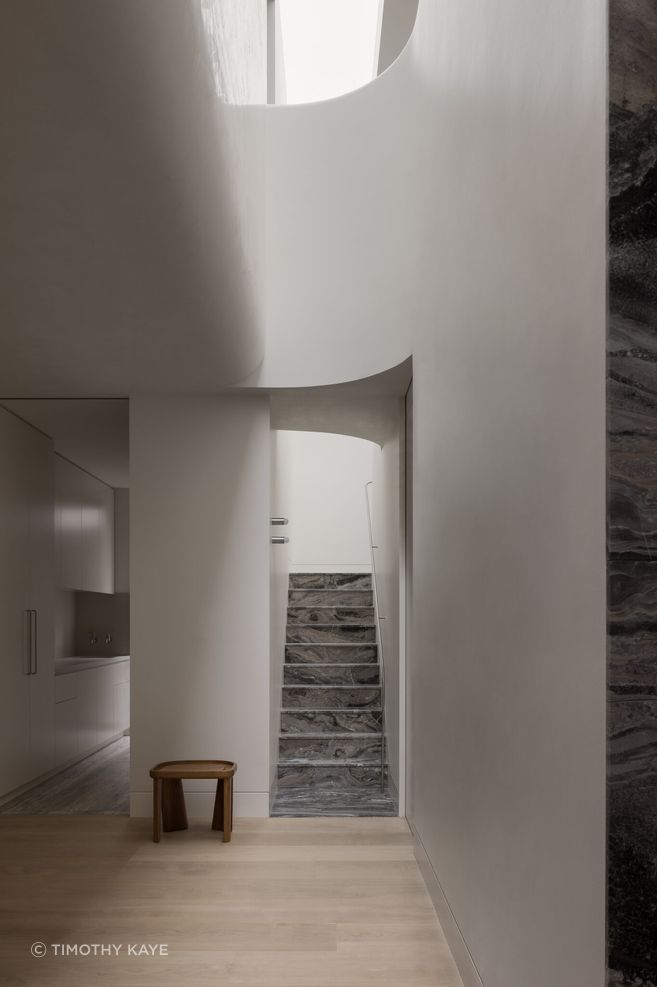
Some of Cobild Lux’s most complex achievements are visible. On one project, the team engineered a 300-kilogram stone screen that moves between a television and bar, yet appears to glide. Others almost completely disappear.
At a tightly constrained Toorak site with approximately 98 per cent site coverage, high-voltage power lines ran along one boundary while access from the other was severely restricted. The team had to create a protected working environment beside the live infrastructure so construction could continue safely while its removal was coordinated.
“The stuff that looks pretty is really easy. We have machines for that,” Nim says. “It’s the stuff you don’t think about that is hard: coordinating and executing the documentation and trying to bring that to reality.”
It is why Nim sees communication as one of a builder’s most important skills. Site managers, project managers, consultants and specialist trades each hold part of the solution. The builder has to translate between those people, test assumptions and reconnect ideas before they become costly physical decisions.
Programme is mathematics, not optimism
Large residential projects are often described as unpredictable, but Nim resists the idea that a programme should be guesswork. A credible timeline is built from quantities, sequencing, lead times, access and an understanding of how many skilled people can productively work in a space.
For Cobild Lux, the structure phase is underpinned by more than three decades of commercial construction experience. Basements, concrete structures and complex engineering are approached with the sequencing and precision developed across large commercial projects, which Nim sees as a key difference in the way the company delivers large homes.
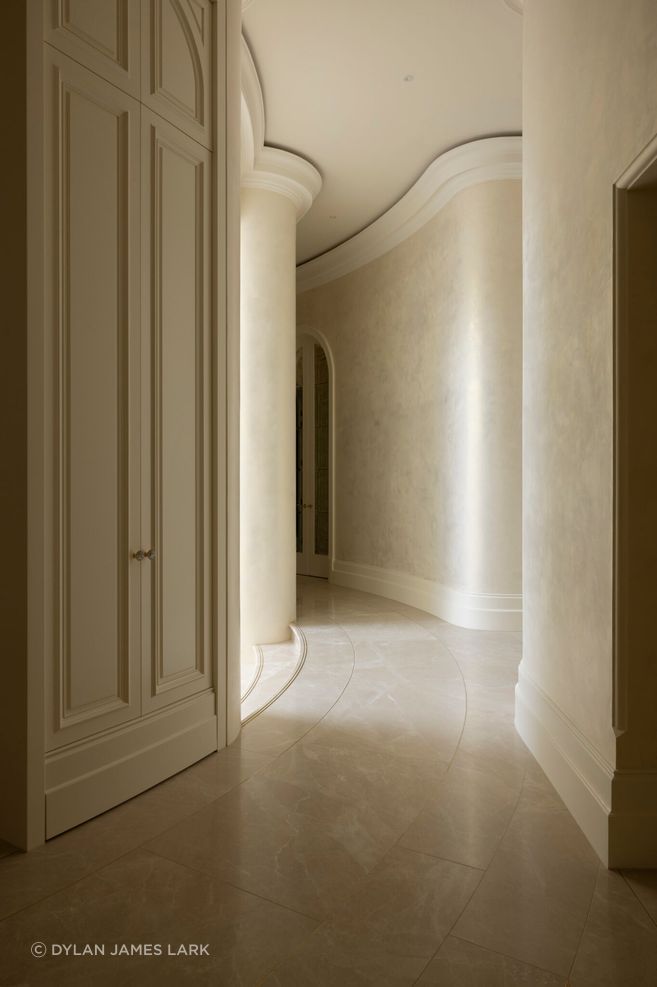
Specialist finishes follow a different rhythm. Hand-applied surfaces such as Venetian or polished plaster demand time and continuity from the right craftsperson. Adding more people can just as easily create inconsistencies as efficiencies.
“The right person for the right type of job is very important,” Nim says. “Throwing more people at a project might seem like it’s more efficient, but there are more issues as a result.”
The same thinking applies when clients make changes. Nim prefers to call them “enhancements” rather than variations because a decision is rarely limited to the price of one new item. A different stone or additional feature can affect procurement, programme, staffing and a client’s eventual move-in date.
There are also costs that sit outside the obvious construction budget. Power upgrades and infrastructure works can reach hundreds of thousands of dollars, while furniture, landscaping and window treatments are easily pushed to the end.
Cobild Lux includes landscaping within its work because Nim believes the budget should consider the whole experience of the home from the beginning. Long-lead furniture may need to be ordered a year in advance. Blinds need to be coordinated with architecture and electrical systems. A mature landscape needs both planning and investment.
Luxury is personal
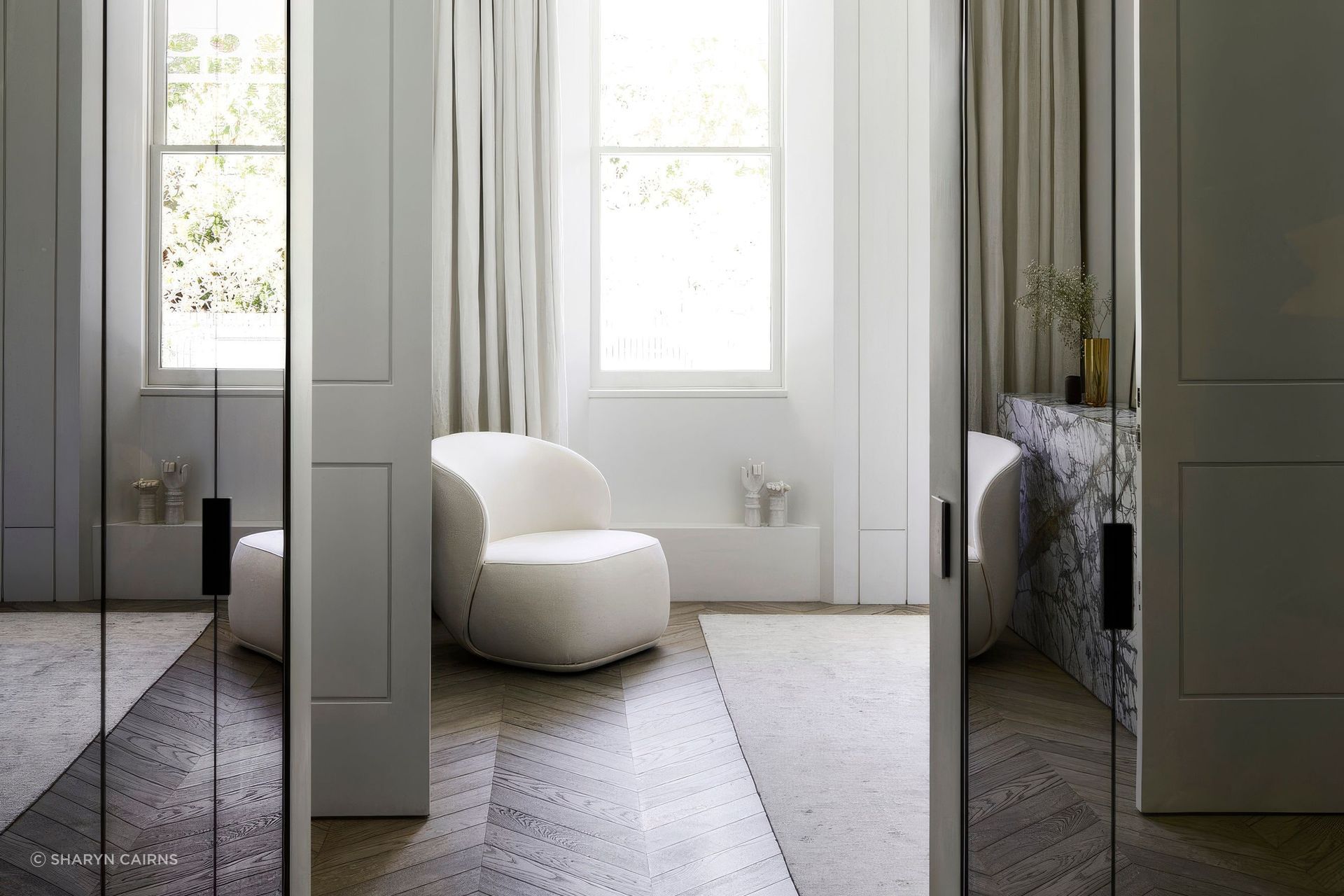
There is no universal checklist that makes a home luxurious. Cobild Lux has delivered bowling alleys, wellness spaces and highly specialised basement areas, while a current project includes a basketball court. None, Nim says, is a prerequisite.
“A legacy home to me, to you or to someone else could be very different things,” he says. “The home needs to feel like it’s theirs.”
The measure is not how much has been added, but how completely the architecture supports the life intended for it. In a very large home, that might mean acoustic separation between rooms, additional insulation or concrete structures that give each level a sense of solidity.
It also means protecting the final stages from haste.
Exceptional building is full of things that look simple only because the difficult questions were resolved early. Natural materials remain natural, services recede and ambitious ideas work without announcing the engineering behind them. The ultimate luxury is not spectacle. It is the feeling that nothing is out of place.
Discover materials for a highly resolved interior, from natural stone to heating, cooling and ventilation, explore Australia’s leading builders, or read more practical guidance in Build.
See Nim live on the panel at ArchiPro’s Home Design Evening in Melbourne on 16 October 2026. Register to attend.