Three generations stand behind the craftsmanship of Auburn Woodturning
Written by
10 August 2026
•
3 min read
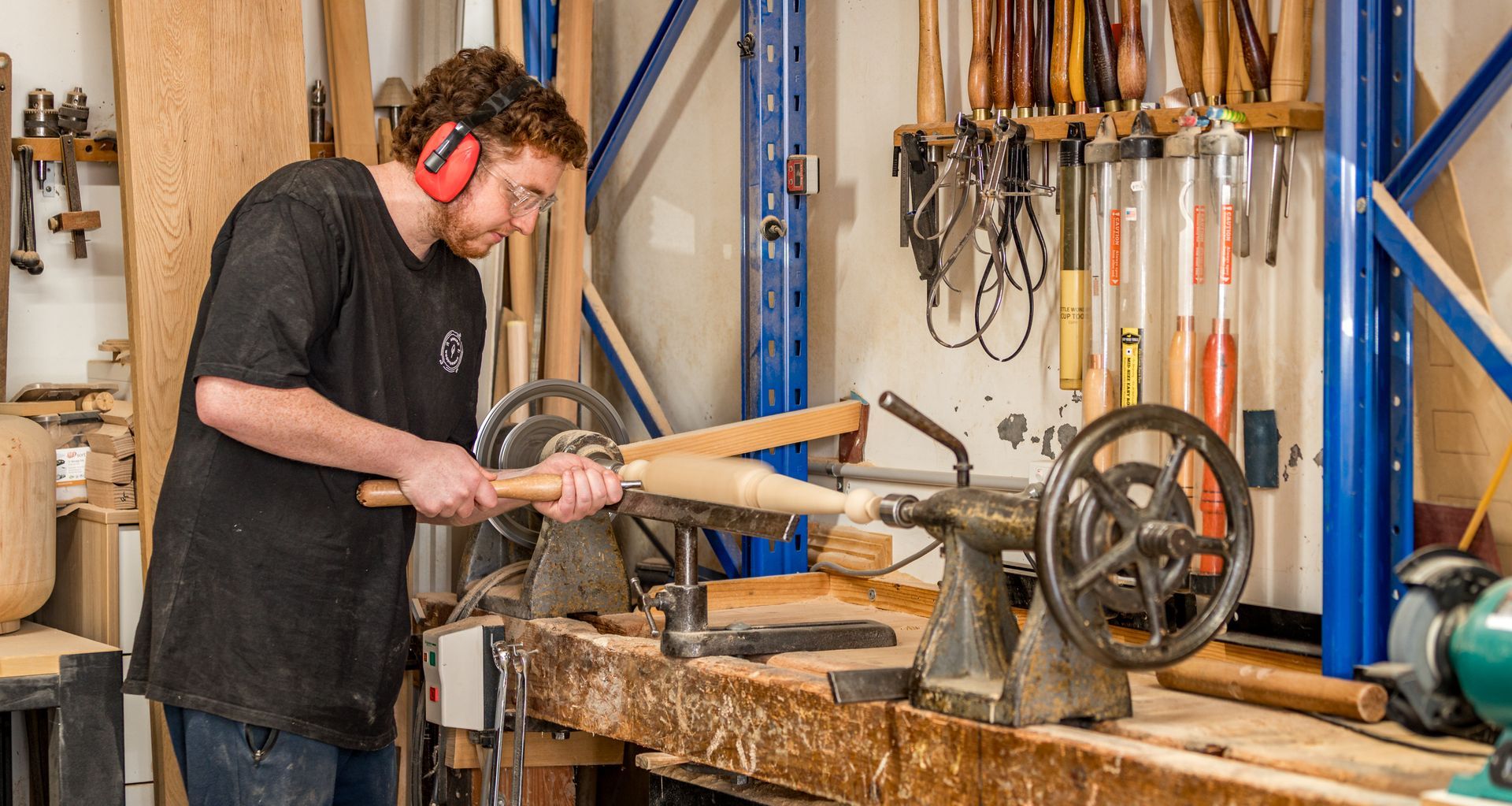
It was once a craft seen everywhere. Hand-carved stair railings, fretwork, door handles, furniture and homewares. Then it started to disappear. “In the late 1990s, we were very close to being no longer,” shares Kerry Curtain. “Timber was no longer in vogue. Stainless steel became the absolute icon material to be used and it just swept timber way out.” But it’s been making an unmistakable return with the warmth and texture of timber being welcomed back into homes.
As contemporary architecture continues to embrace natural materials, even the smallest timber details are once again playing a defining role in how homes feel. For Auburn Woodturning, it represents a continuation of a tradition that has quietly endured for decades.
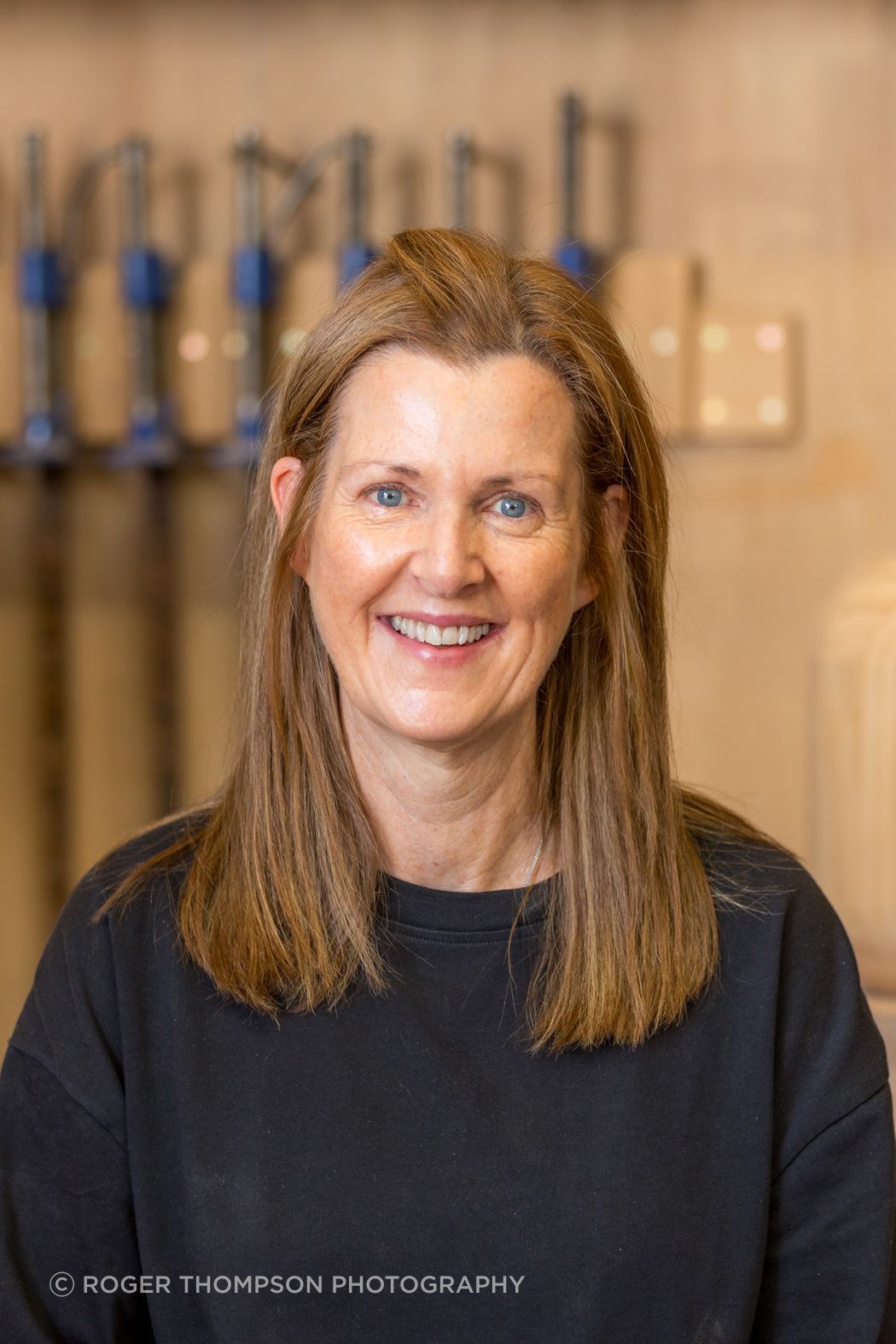
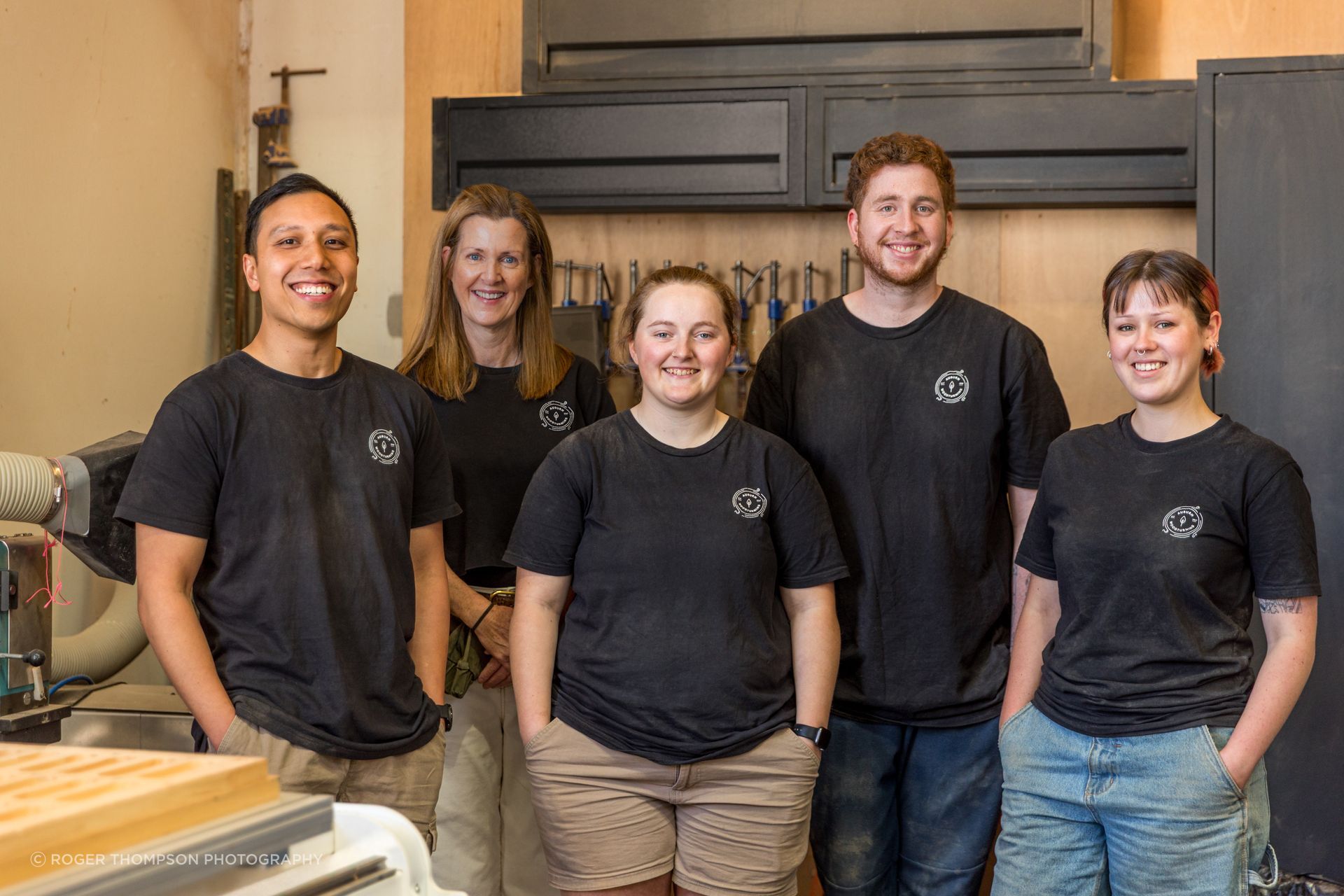
Established in 1947, the workshop became a family business in the 1970s when Kerry’s father-in-law purchased the operation after working there for many years. “Steve, my husband, worked with his father from the ’80s and then we purchased it in 1992,” says Kerry. Today, a third generation is already shaping the business, with their son Tyrone part of the team and preparing to continue the family legacy.
Inside Auburn Woodturning’s workshop, a team of six works among spinning lathes, timber shavings and decades of accumulated knowledge. Over the years, the business has continued to invest in passing on these skills, welcoming apprentices into a craft that few commercial furniture makers or cabinetry workshops are able to teach.
“It’s nice to teach somebody how to turn,” says Kerry. “It’s not something that comes easily. There’s a little bit of fear with it, but it’s very satisfying. Anyone who turns and finishes something they’re happy with finds it extremely satisfying.”
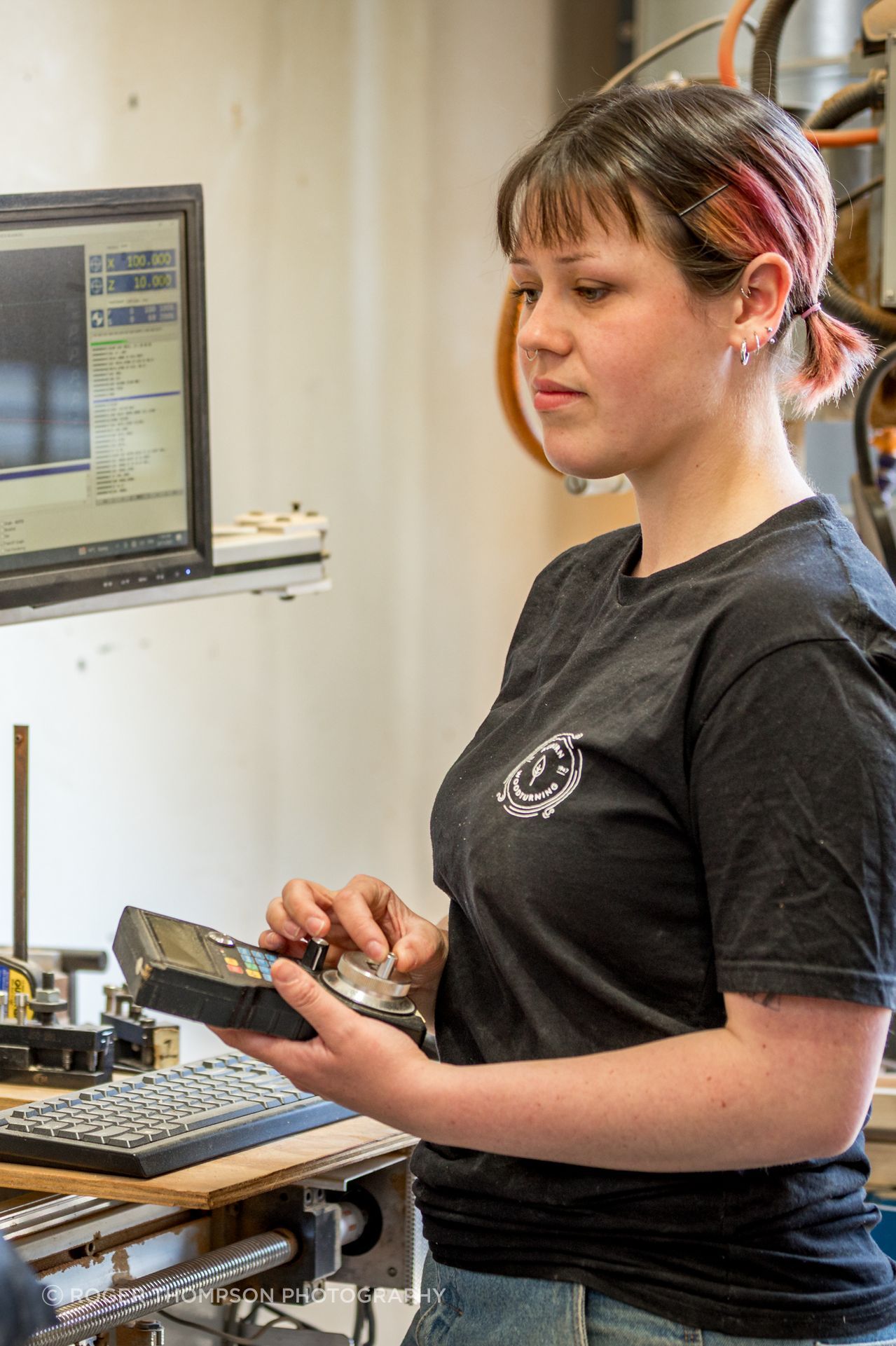
While the craft itself remains largely traditional, the design process has evolved. Every custom commission begins with a detailed digital drawing, whether the client provides photographs, a hand sketch, or an existing piece to replicate. It’s a skill in itself that has become an essential part of the workshop’s day-to-day routine.
From there, pieces are produced using a combination of CNC machinery and traditional hand-turning techniques. A balance that allows technology to streamline some aspects of production, yet every piece still relies on the experience and judgement that only skilled makers can provide.
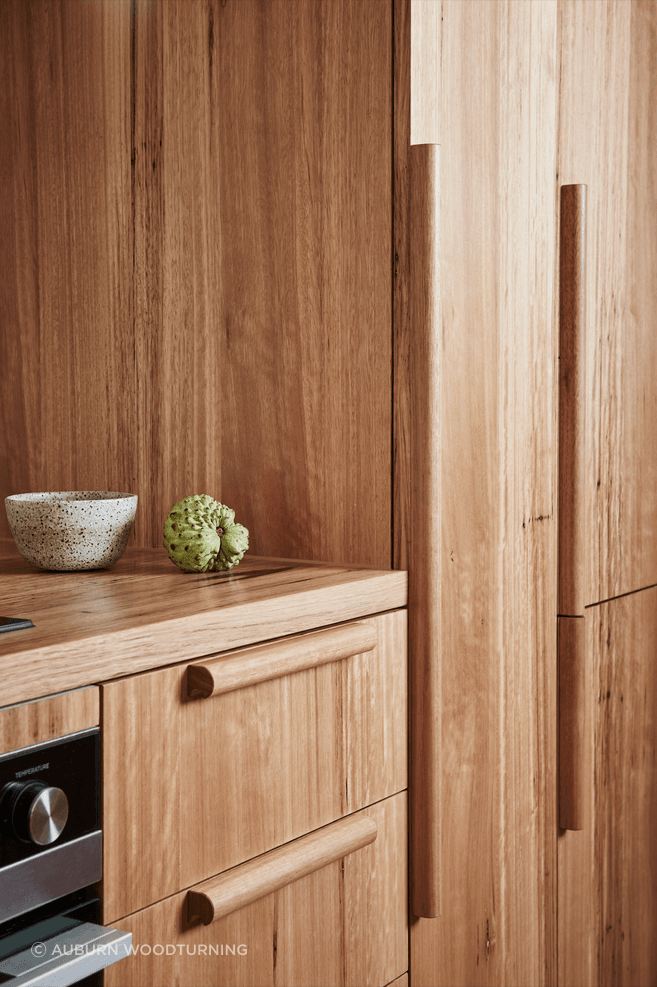
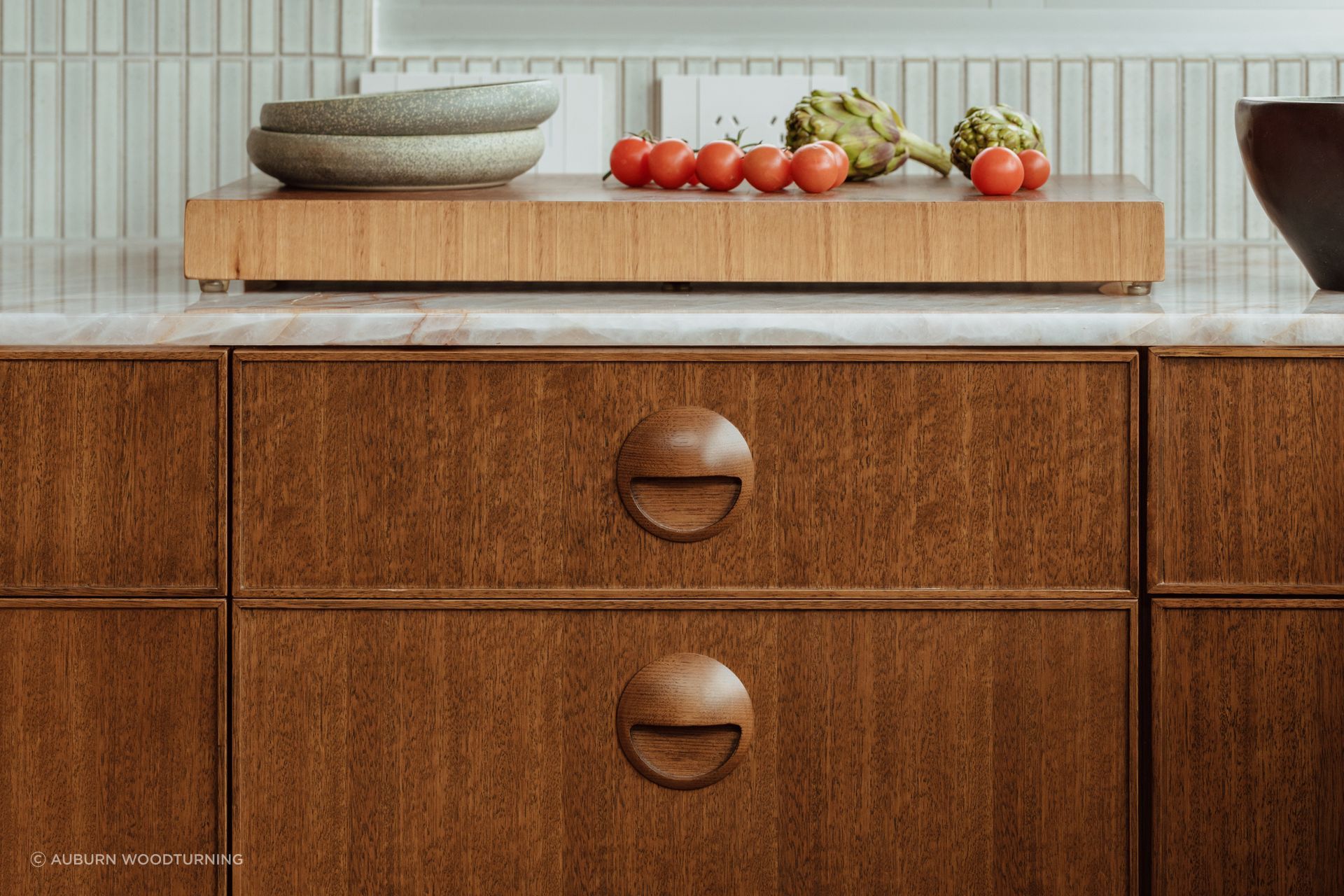
Many local customers return with decades-old pieces in need of restoration, or are looking for replacement components that feel authentic within heritage homes. Other pieces are destined for newer residences where natural materials are used to introduce warmth and individuality. Timber door handles have become one of Auburn Woodturning’s most sought-after products, alongside furniture legs, curtain rods and decorative elements that celebrate the material rather than conceal it.
For Kerry, however, it’s always been about more than creating the products. “The principle that we operate on is being good to people,” she says. “Being good to our staff, our suppliers and our customers.”
It’s a belief that’s guided the small business through the years and allows it to preserve a craft that has become increasingly rare, allowing it to evolve alongside today’s designs.
Workshops like Auburn Woodturning demonstrate the value of traditional making techniques in modern projects, and ensure the skills and care behind these details aren’t lost. Explore Auburn Woodturning’s work on ArchiPro, along with a collection of products and projects showcasing the enduring appeal of natural materials.