The overlooked performance layer: Why window coverings deserve earlier consideration
Written by
04 August 2026
•
6 min read
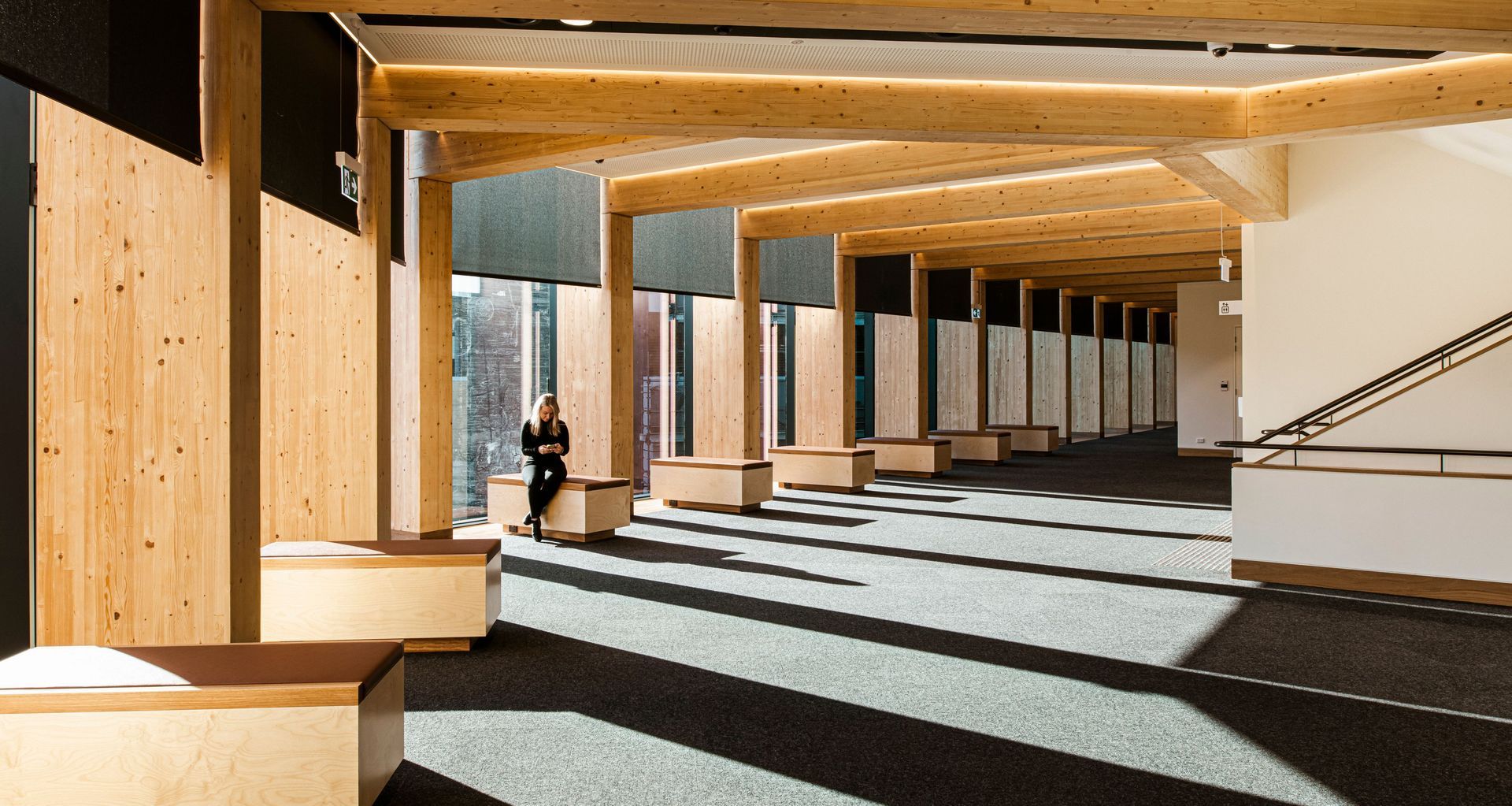
They may be among the last elements installed in a project, but performance window coverings should be considered much earlier in the design process. No longer merely an interior finish, they form a critical part of a building’s environmental control strategy, influencing thermal comfort, visual comfort, energy efficiency and the overall occupant experience.
Modern commercial buildings, schools and premium residential projects increasingly rely on internal solar control fabrics as part of an integrated façade strategy. The right fabric can significantly improve occupant comfort by reducing glare and solar heat gain while preserving natural daylight and maintaining valuable views to the outside environment. As buildings become more sophisticated in their approach to performance and sustainability, glazing performance no longer ends with the glass itself.
While window coverings are typically specified during the design and documentation phases of a project, they are often considered only after key façade, glazing and services decisions have already been made. Too often, they are viewed as a finishing item or procurement package rather than a building performance solution capable of contributing meaningfully to energy efficiency, occupant wellbeing and operational outcomes.
“Solar control should be considered alongside glazing selection, building orientation, façade design and HVAC strategy from the outset of a project,” says Verosol’s Scott Comino.
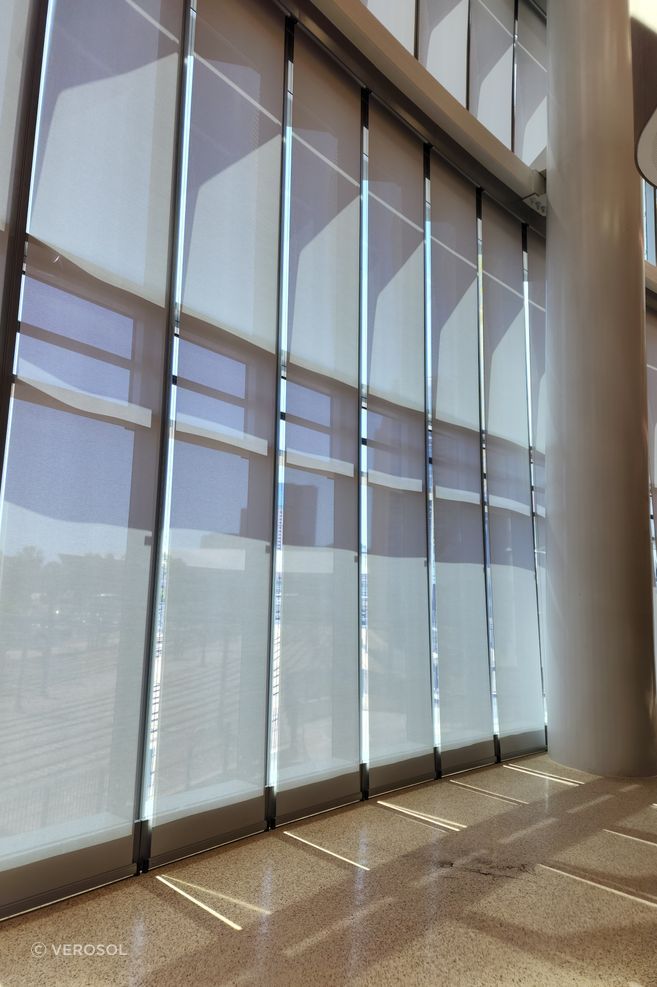
When considered early, solar control becomes part of the building’s overall environmental strategy rather than simply responding to problems after they emerge. Architects have greater opportunity to optimise daylight penetration, improve occupant comfort, manage glare, reduce solar heat gain and, in some cases, even reduce the required capacity of mechanical systems.
“Early engagement also helps projects achieve sustainability targets such as Green Star, NABERS and WELL outcomes, while ensuring the selected solution delivers measurable long-term operational benefits rather than becoming just another procurement decision later in the project,” says Scott.
This is why Verosol increasingly works alongside architects, façade consultants, ESD consultants and building owners during the concept design and design development phases, using whole-of-building modelling to evaluate how different solar control fabrics influence annual energy consumption, peak cooling demand, occupant comfort and access to natural daylight before construction begins.
The conversation shifts from selecting blinds to understanding building performance.
The balance of comfort and performance
One reason solar control is still underestimated is the assumption that all screen fabrics perform in much the same way.
“In reality, two fabrics with identical openness factors can have vastly different solar optical properties and therefore very different building performance outcomes.”
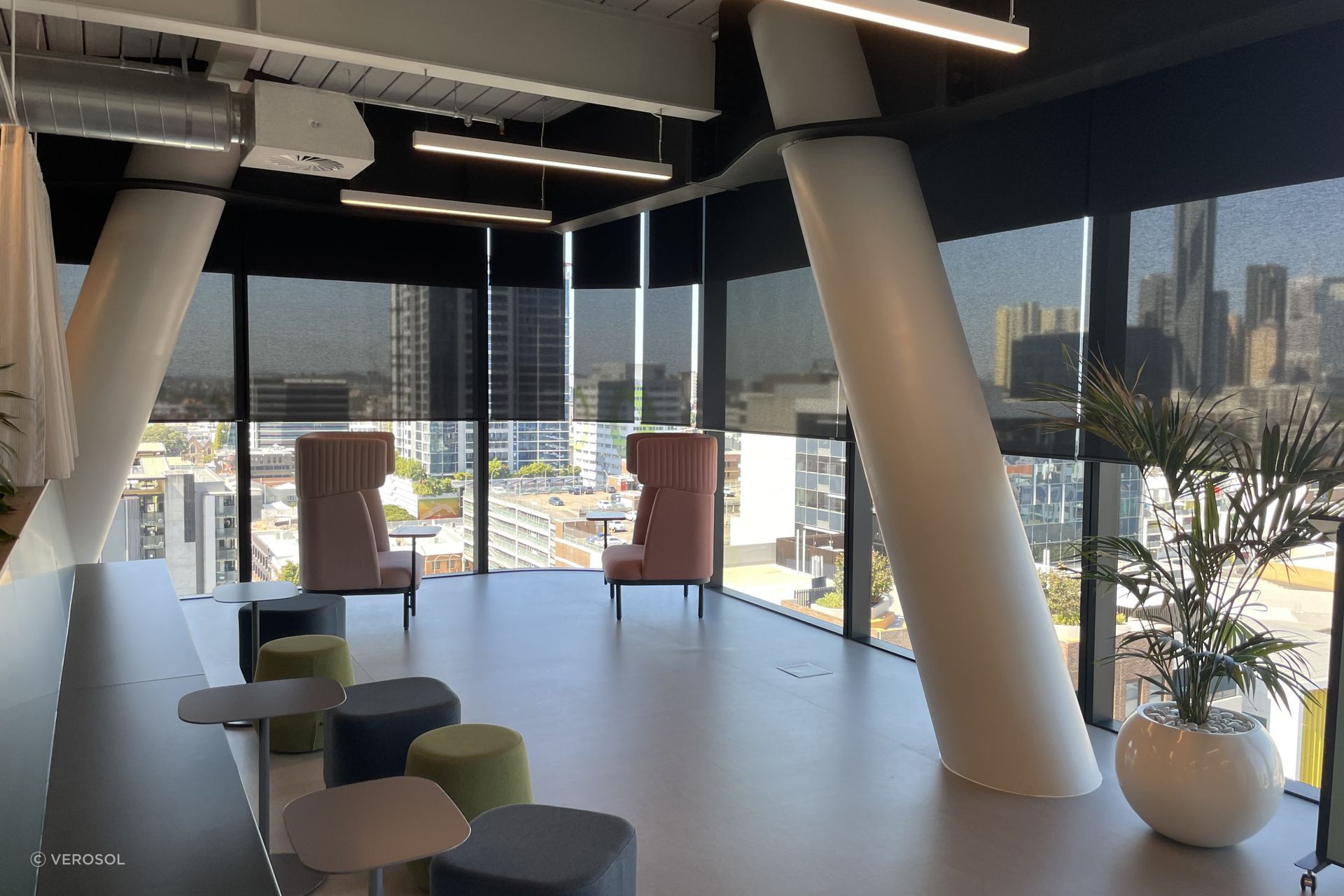
The same misconception extends to daylight and views. Reducing glare has traditionally been associated with darker interiors, compromised views or difficult trade-offs between thermal performance and occupant comfort. High-performance solar control fabrics are designed to avoid that compromise by selectively managing solar radiation, allowing occupants to maintain natural daylight and a strong visual connection to the outside while significantly reducing glare and solar heat gain.
Just as importantly, performance should not be dictated by colour selection. Traditional screen fabrics often require designers to choose between lighter colours that can reduce heat gain but increase glare, and darker colours that provide clearer outward views but absorb and re-radiate more heat into the occupied space. Advanced metallised fabrics can largely remove this compromise, delivering consistent solar performance across a broad range of colours while preserving visual comfort and design flexibility.
“Performance begins with engineering, not appearance,” says Scott.
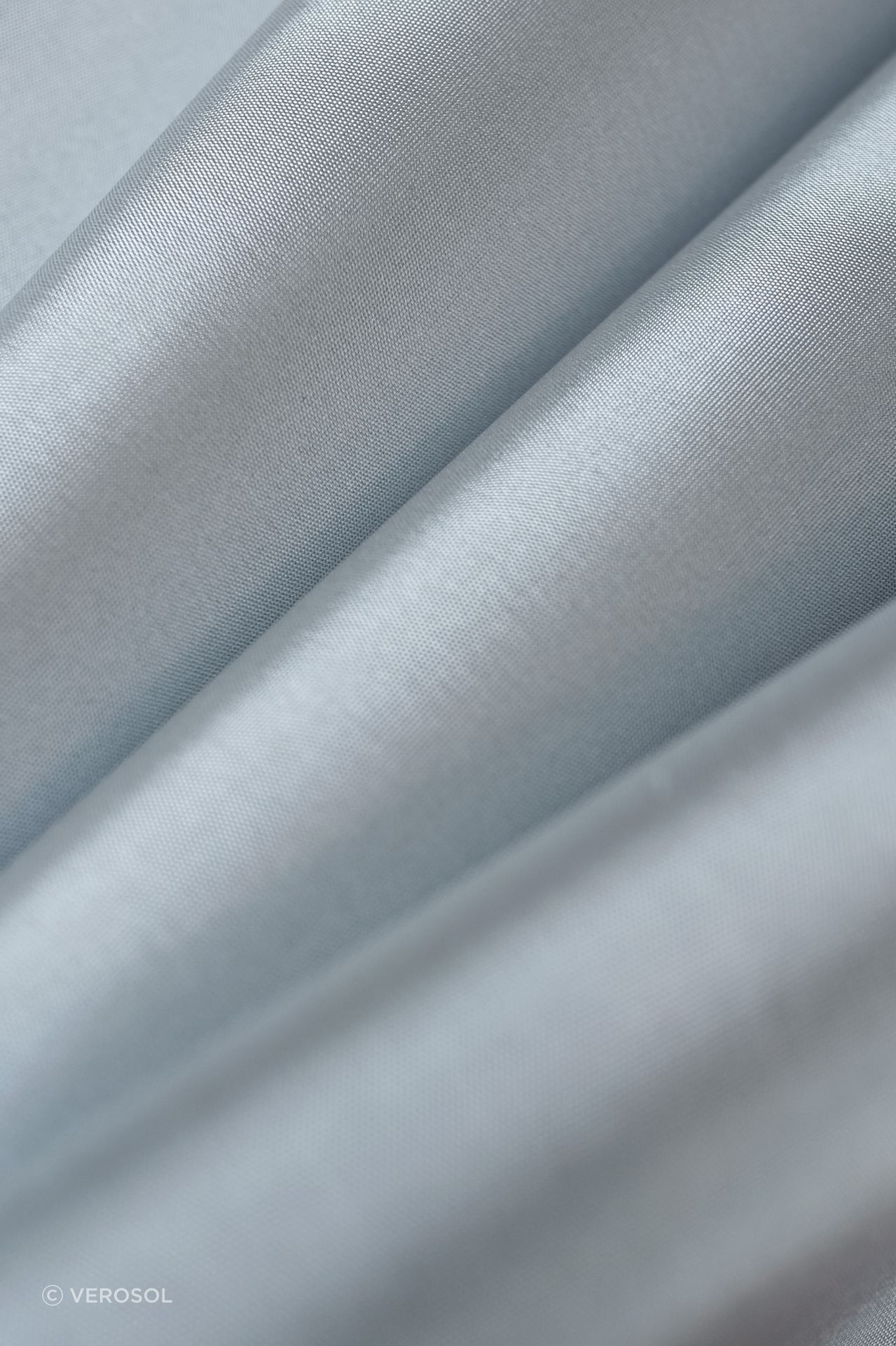
A genuine high-performance solar control fabric is designed using sophisticated textile technology to precisely manage solar radiation across both the visible and infrared spectrum. Verosol’s metallised fabrics, for example, use a finely engineered aluminium coating to reflect a significant proportion of solar energy before it enters the occupied space while maintaining outward visibility, daylight control and colour neutrality. This allows the viewed environment and interior finishes to remain visually true to their intended colours, rather than being noticeably influenced by the colour of the fabric itself. By comparison, many conventional screen fabrics primarily absorb solar energy, allowing more heat to migrate into the building.
Beyond thermal performance, architects should also consider durability, colour consistency, independently verified environmental certifications, fire compliance, VOC emissions, lifecycle impacts and long-term operational performance.
Ultimately, the most successful solar control solutions balance energy performance, occupant comfort and visual amenity simultaneously, helping create spaces that are not only more efficient, but also healthier and more enjoyable to occupy.
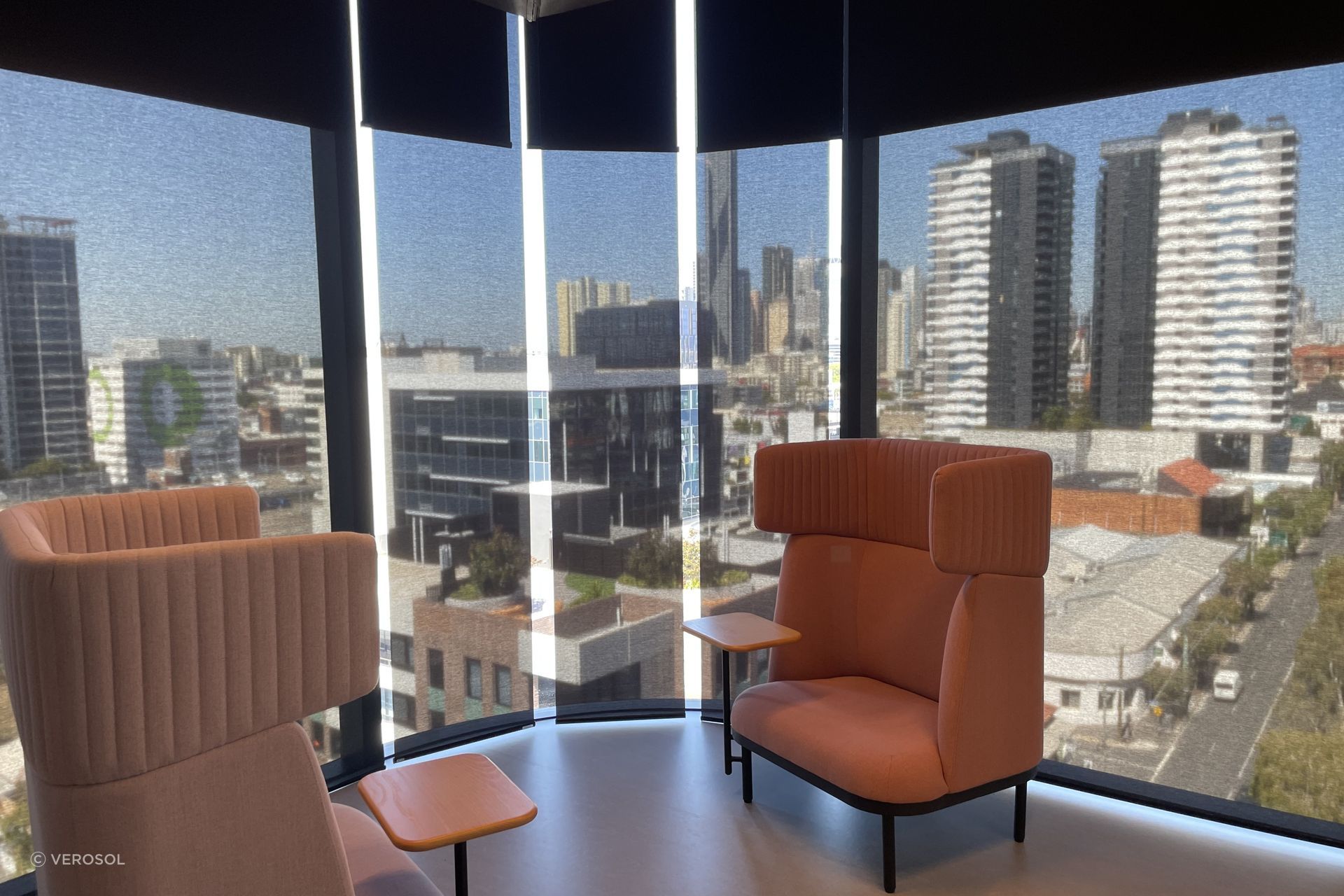
Performance in practice
Solar control fabrics are engineered to manage three things simultaneously: reflection, absorption and transmission of solar energy.
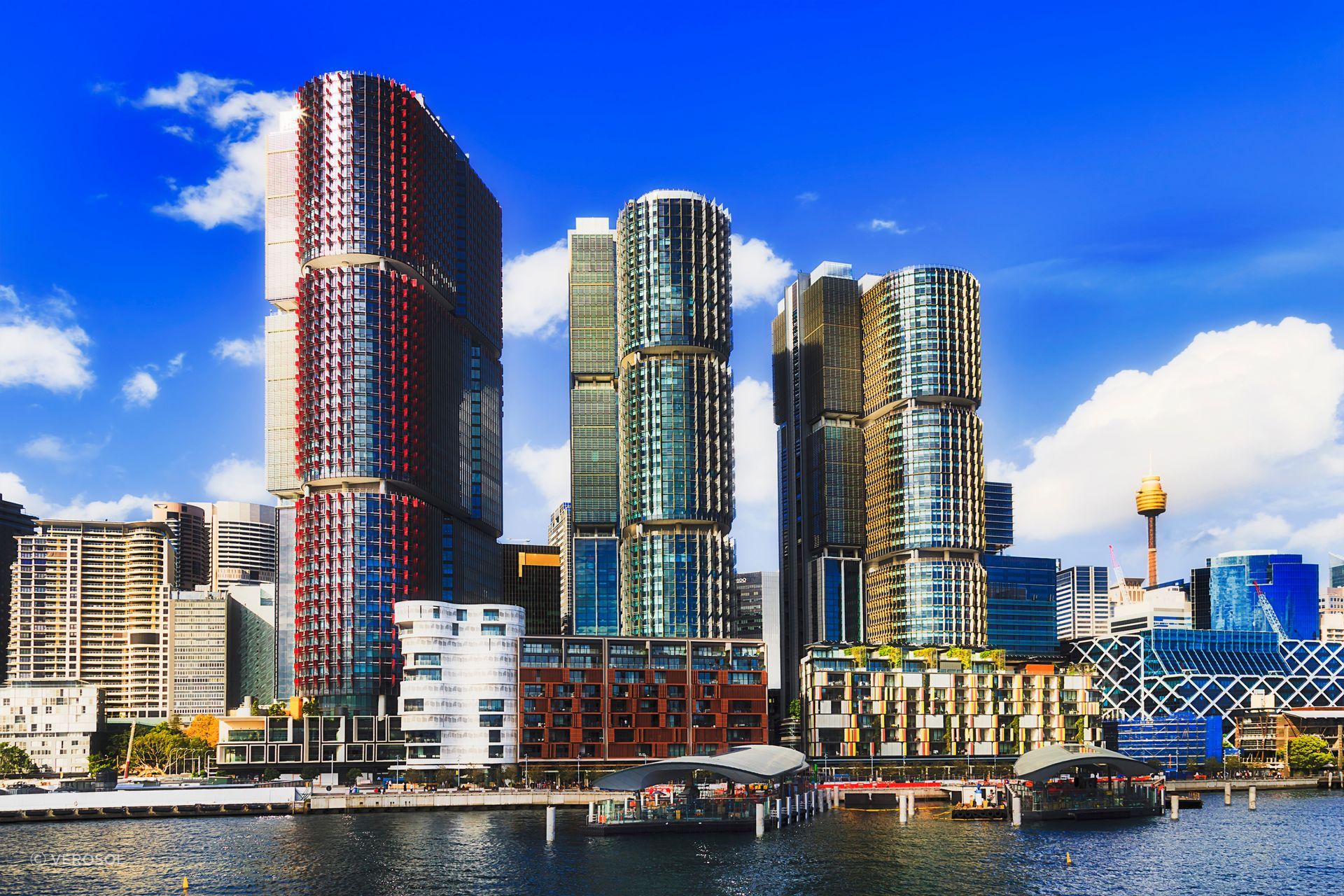
At Barangaroo Tower 3 in Sydney, managing solar heat gain and glare while preserving the harbour views was fundamental to the building’s success. More than 3,000 motorised Verosol SilverScreen 205 Performance blinds were installed throughout the building, utilising Verosol’s metallised fabric technology with independently measured external solar reflectance of up to 78 per cent. The integrated solar control strategy contributed to improved occupant comfort, reduced reliance on mechanical cooling and supported the project’s 6 Star Green Star certification.
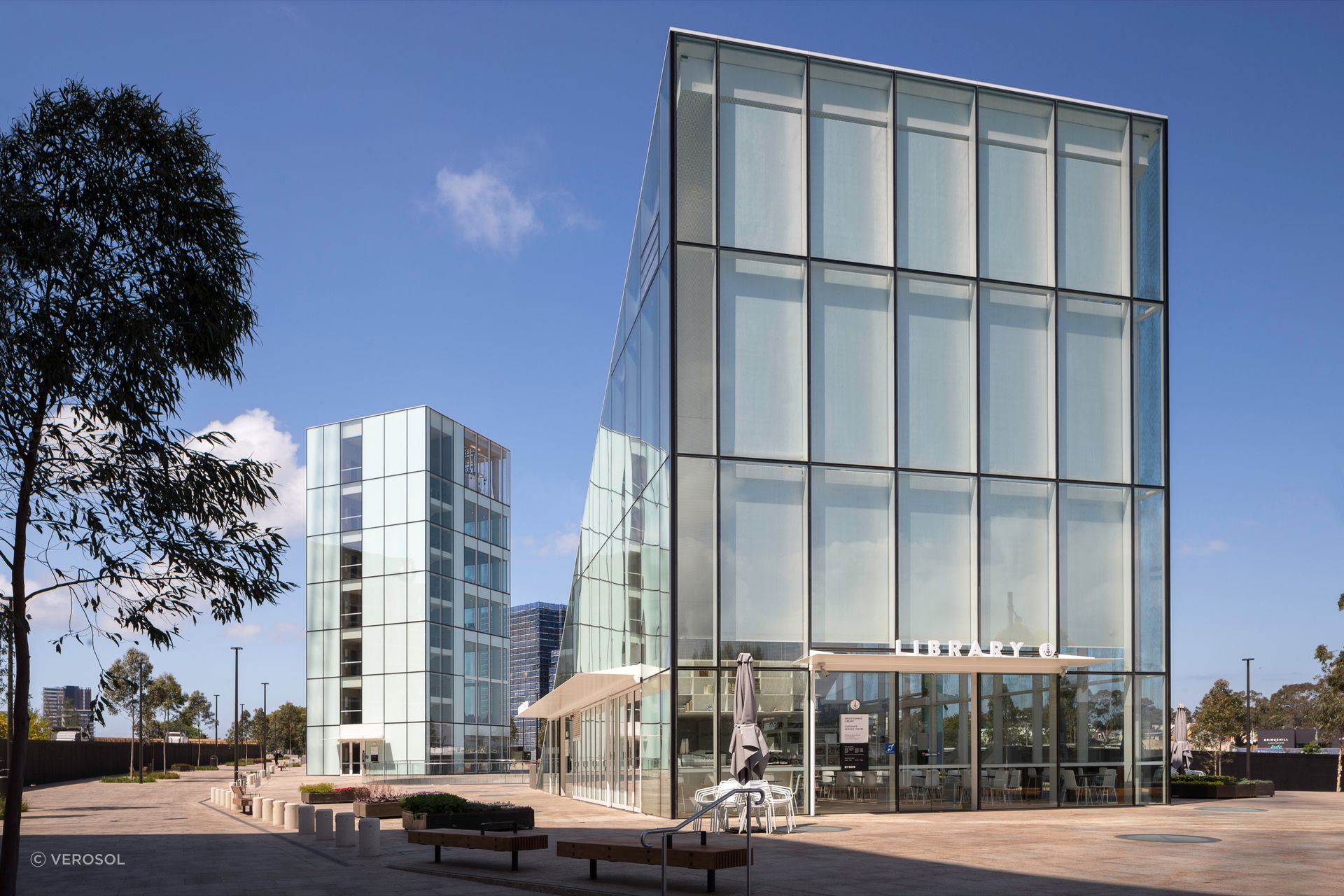
Green Square Library & Plaza presented a different challenge. Designing around abundant natural daylight and extensive glazing, the award-winning civic building required a careful balance between glare control, thermal comfort and preserving the openness of its public spaces.
“Verosol’s motorised SilverScreen 202 Performance roller blinds were integrated as part of the building’s broader environmental strategy, complementing the high-performance facade and mechanical systems. The project achieved a 5 Star Green Star rating while providing comfortable spaces filled with natural light for visitors throughout the year, demonstrating that intelligent solar control is just as critical in civic and community architecture as it is in premium commercial developments.”
These projects demonstrate that there is no one-size-fits-all approach to solar control. Every building has its own orientation, glazing design, occupancy patterns and performance objectives.
“When architects consider window coverings as part of the building's environmental control system from the earliest stages of design, the outcomes are consistently better, for occupant comfort, operational energy performance and the long-term sustainability of the building,” says Scott.
Explore Verosol’s range of solar control solutions on ArchiPro and see how architects and designers are specifying these high-performance products in their project portfolio.