
The Sliding Door, Reimagined

featuring CiiLOCK Engineering

© CiiLOCK Engineering

CiiLOCK Engineering logo
  • 34.3K profile views
  • 3 saves

A powered sliding door that still feels like a sliding door.

Visit Website

The Sliding Door, Reimagined

VOLTA takes an idea we already trust every day - power steering - and applies it to something far closer to home. Keep the person in control, but take away the effort.

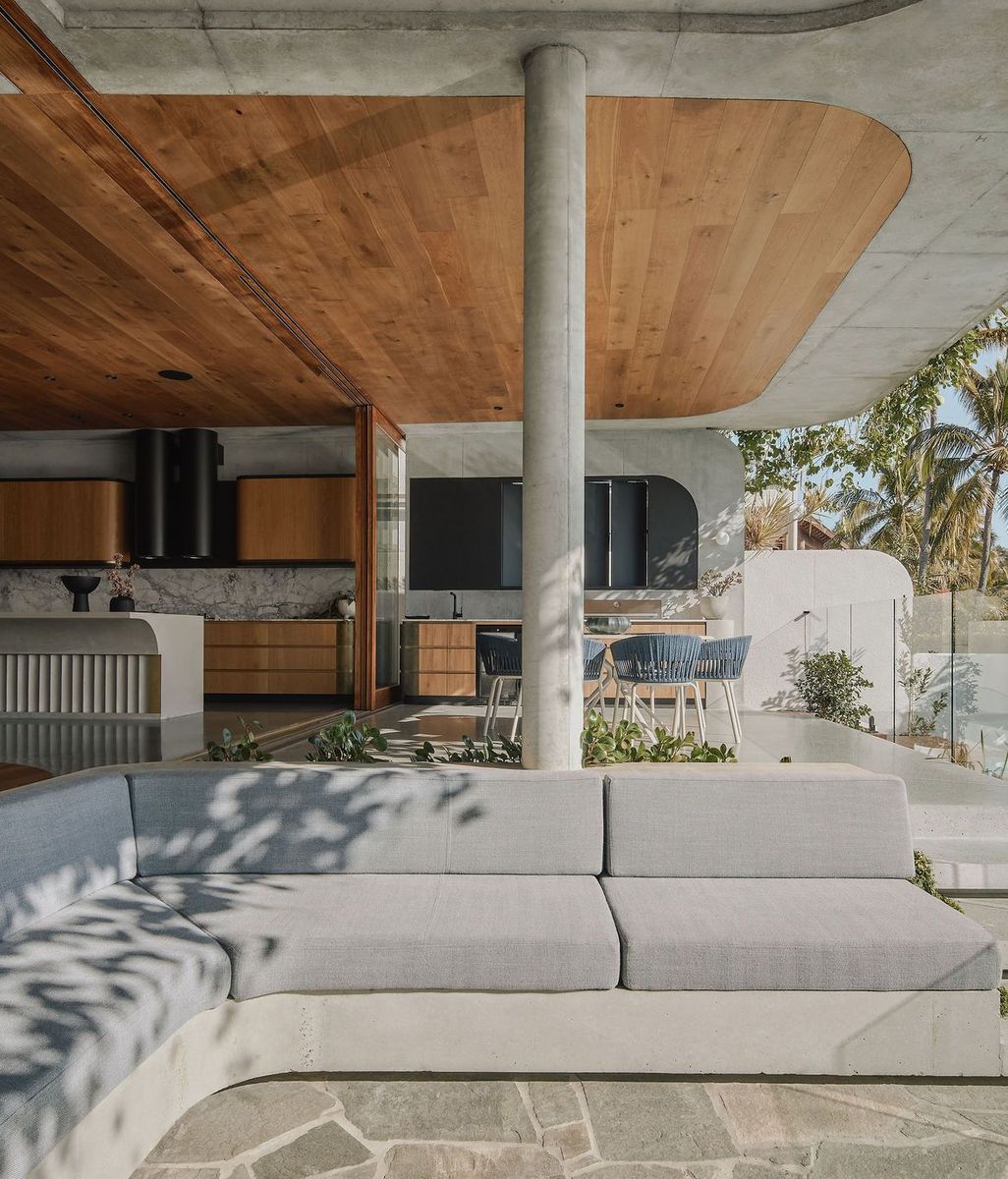
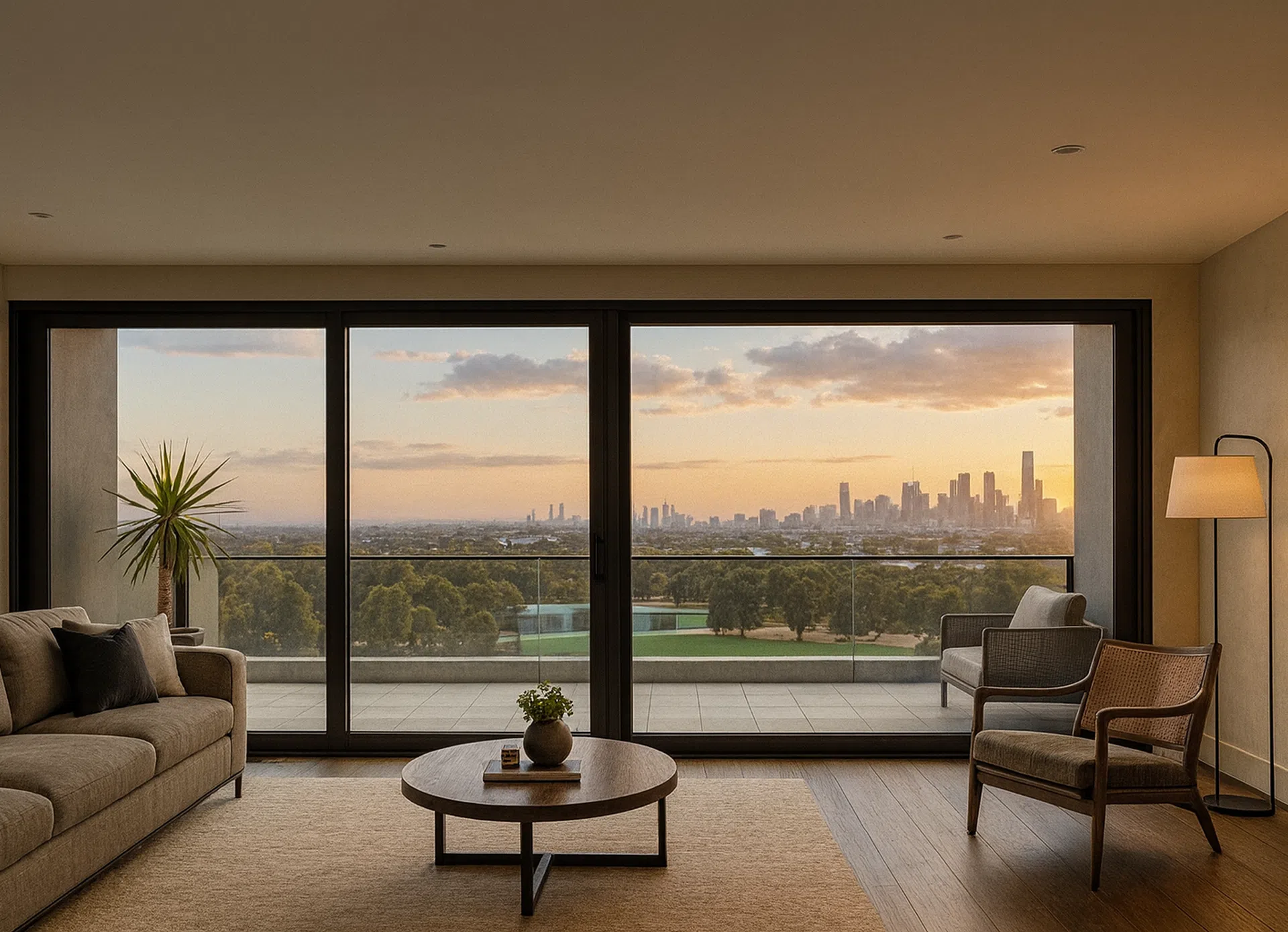
Architectural doors keep getting bigger. More glass. Taller panels. Wider openings.

They are stunning, but there is a simple reality behind every large sliding panel - someone still has to move it. This can become an issue, particularly if it is a door that is used frequently.

How easy a sliding door feels comes down largely to two things: the weight of the panel and the performance of the roller beneath it. As doors become larger and more heavily glazed, both become increasingly important.

At CiiLOCK, we looked at that problem differently. Instead of asking, “How do we automate the door?”, we asked: “What if the door could assist the user, rather than completely take over?” 

The answer to that question eventually became the VOLTA Powered Roller.


The idea came from power steering

Power steering transformed driving without changing the fundamental action.

The driver still turns the wheel. The technology simply assists the movement already being made to feel much easier.

That was exactly what we wanted from a sliding door.


Assistance, not automation

VOLTA is a powered roller, concealed inside the door, that responds directly to the person using it. A slight amount of movement built into the handle allows the user to control the powered assistance naturally and intuitively. Apply gentle pressure in either direction and the motor assists the door, making even a heavy panel feel remarkably easy to move. Release the pressure and the assistance stops immediately, leaving the door exactly where you want it.

There are no preset opening distances. No programmed wait while the door finishes travelling. No need to surrender control to a conventional automatic operator.

The way VOLTA works is deliberately simple. It behaves like the sliding door people already understand — it simply requires dramatically less effort to operate.

And because the motor and drive technology are concealed within the door, there is no bulky overhead operator announcing that it is powered. The finished door can still look like a clean, conventional architectural slider.


When weight stops being a limitation

At CiiLOCK, we engineered VOLTA for sliding panels weighing up to 250kg. In our operational-force testing, it required less than 25 Newtons of force to move — roughly equivalent to lifting a 2.5kg object.

That completely changes what a large door can feel like.

Architects can pursue substantial glazing and generous openings without assuming that a heavier panel must necessarily feel heavy to the person using it.


Beyond oversized architectural sliders

The obvious application is an oversized architectural slider. But that is only part of the story.

For someone with reduced strength or mobility, even a relatively ordinary sliding door can become difficult to operate. For an older homeowner planning to stay in their home long term, VOLTA can make an everyday opening easier now, while also preparing the home for changing needs later. For a wheelchair user, it can support greater independence between internal and external spaces. For a family, it can simply make the door between the kitchen and alfresco easier to use when hands are full.

And for an architect designing a premium residence, it can deliver accessibility without making the home look institutional or overtly accessible.

CiiLOCK Engineering is an NDIS-registered provider, and VOLTA has been developed for applications including SDA, aged care and accessible residential design, as well as conventional high-end residential and commercial projects.


Designed to integrate

VOLTA was never intended to lock architects and fabricators into one proprietary-looking door. It is a component.

The powered roller is designed to integrate directly into compatible sliding-door systems, allowing it to be built into the door by the customer’s preferred manufacturer during fabrication. Unlike many conventional automation solutions, there is no need for a separate automation specialist to attend after the door has been installed. This simplifies the process, reduces additional installation costs and keeps the complete door system with the fabricator the customer already knows and trusts.

VOLTA incorporates an automatically charging battery system. In the standard rechargeable configuration, the battery charges when the door is closed and provides approximately 24 hours of backup operation when fully charged.

Without power, VOLTA simply functions as a conventional sliding-door roller, allowing the door to continue operating manually.

There is no emergency release lever to find and no special sequence required to disengage the motor. Because technology intended to make life easier shouldn’t become another obstacle when the power goes out.


The opportunity is bigger than automation

For years, powered doors have largely meant one thing: automation. Press a button. Trigger a sensor. The door takes over.

VOLTA gave us an opportunity to rethink that relationship. Sometimes people don’t need a door to operate for them. They simply need a little help moving it.

Now that a 250kg panel no longer has to feel like one, the question changes from:

“Can we make it this big?”

to

“How big could we go?”