Working with the land: Permcon permeable concrete creates hardscapes that cool, drain and comply

Written by

18 March 2026

 • 

4 min read

banner
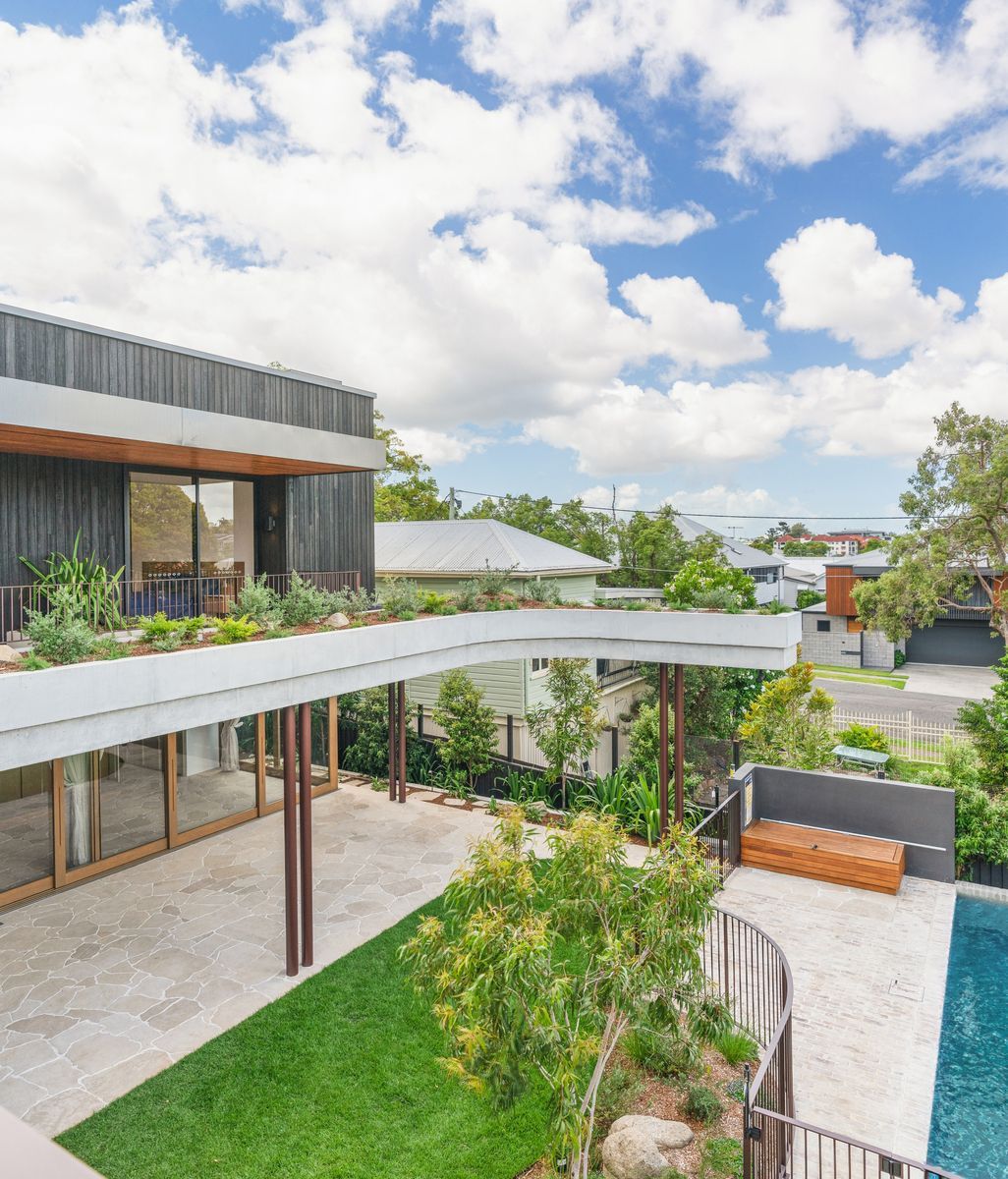
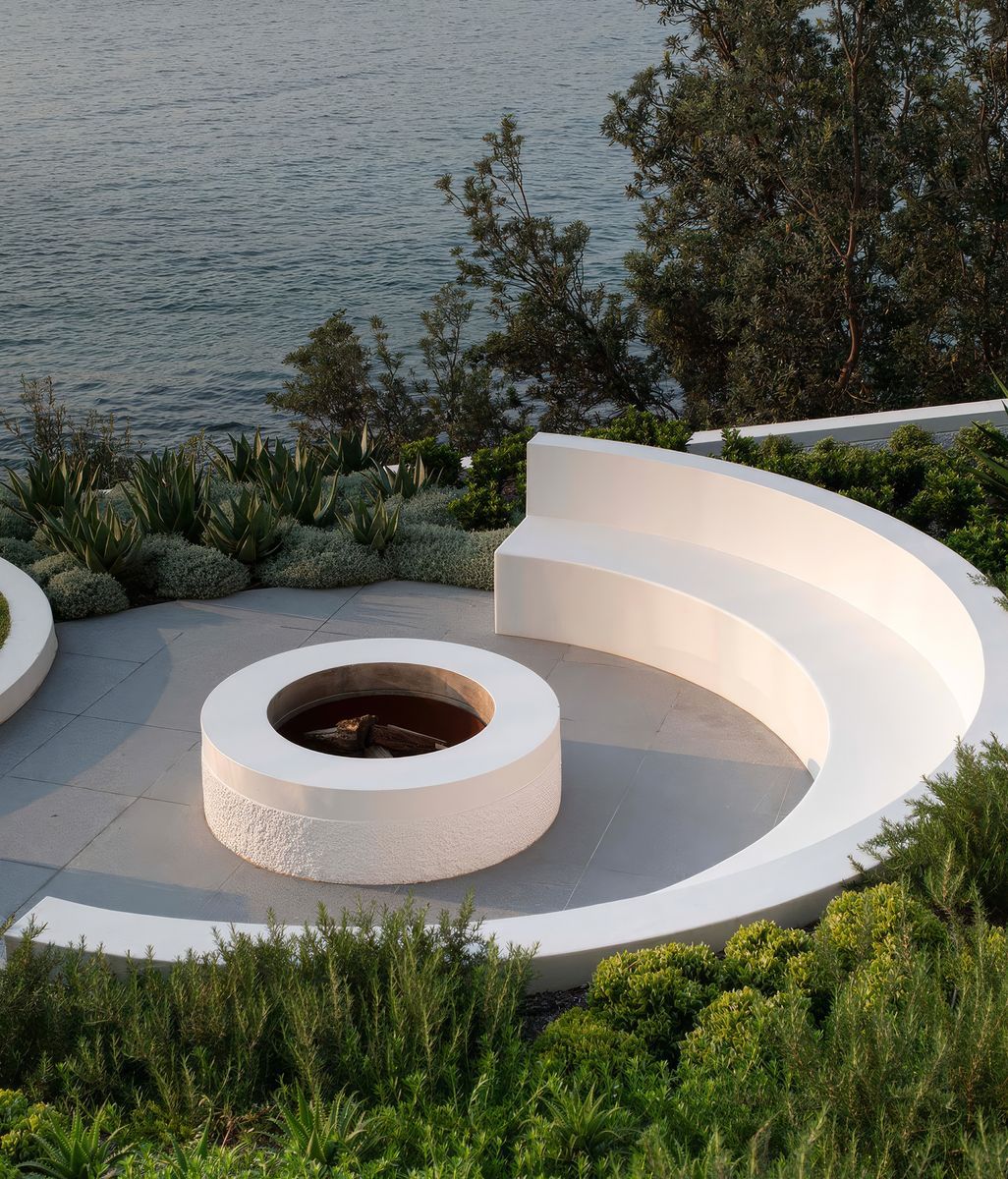
As rainfall intensifies and homeowners and developers look to make the most of space available, it’s time to rethink hard surfaces. Permcon permeable concrete offers a way to reduce runoff, lower carbon impact and unlock more usable outdoor space.

It can be sunny one minute, and raining the next. Footpaths can quickly become slippery, water pools and storm drains struggle to keep up. 

Much of this is caused by traditional concrete. It has long been the default for paths, driveways and outdoor spaces. It’s familiar and reliable, but it can also cause issues: it holds heat, blocks water from soaking into the ground, denying the soil underneath nutrients (making it inert), and contributes significantly to our carbon footprint. 

It’s a challenge constantly faced in residential and commercial landscaping, and Permcon holds the answer.

Becoming part of the landscape, not fighting against it

The increase in flash floods in urban areas is due in large part to a growing footprint of conventional concrete surfaces. These hard surfaces also absorb and store heat throughout the day, contributing to the urban heat island effect.

Unlike conventional concrete, which forms a sealed barrier over the ground, permeable concrete is designed with a network of voids that allow rainwater and air to pass through, naturally filtering to the layers below. It means that, during heavy rainfall, water doesn’t sit on the surface or rush towards already overflowing stormwater drains. Instead, it infiltrates through the pavement, reducing surface runoff and easing pressure on surrounding infrastructure. 

A permeable concrete system developed for New Zealand conditions, Permcon works with the landscape, rather than against it, allowing water, air and nutrients to pass through to the underlying soil. And while it allows the good to pass through, it filters the bad, improving the health of receiving streams and rivers by filtering debris and pollutants from the stormwater.

An additional benefit is that underlying soil doesn’t need to be compacted before installation.

Tree-Protection-Zones-Closeup-400x516-1.jpg
IMG1349.JPG

Resolving site coverage issues

With many granny flats now exempt from requiring a consent, homeowners are seeing an easier path to adding a second dwelling to their properties. However, with site coverage limits still applying, increasing the build footprint could cause an issue when it comes to paths, driveways and carparks. 

By allowing water to pass through the surface and into a drainage layer beneath, Permcon’s permeable concrete is considered by most councils as a pervious surface, making it an ideal solution for projects facing compliance constraints.

“Using Permcon permeable concrete, we can convert a significant percentage of a property’s hard surfaces into permeable areas, allowing homeowners the flexibility to add an MRU (multi-residential unit) while still meeting their local council’s District Plan standards,” says Permcon NZ Director, Stuart Girvan. 

IMG4262-v5-upscaled-by-Replicate.jpg
IMG1607.JPG
IMG1817.JPG

Introducing Permcon CarbonLow, a more environmentally sustainable alternative to concrete

In addition to Permcon’s inherent environmental benefits, Permcon CarbonLow offers proven performance with lower carbon content and can be specified and installed in exactly the same way as the standard Permcon mix. 

“Designed to reduce embodied carbon by up to 62 per cent, Permcon CarbonLow is a low-carbon version of our industry-proven permeable concrete, delivering the same strength, durability and permeability customers expect,” says Stuart.

Developed using lifecycle modelling aligned with EPD and ISO 14040/44 standards, Permcon CarbonLow supports climate-aligned infrastructure goals without requiring changes to existing specifications or construction methods.

More than a compliance tool, Permcon permeable concrete is a design enabler with the ability to reshape the role of hardscapes in modern landscape design. It’s a reminder that even the most familiar materials can evolve to meet the environmental and regulatory demands shaping today’s projects.

If you’re exploring solutions that balance performance, sustainability and design flexibility, ArchiPro makes it easy to discover brands like Permcon, alongside the professionals specifying them. Explore projects, connect with trusted experts and save materials to your project board as you plan your next build or landscape project.