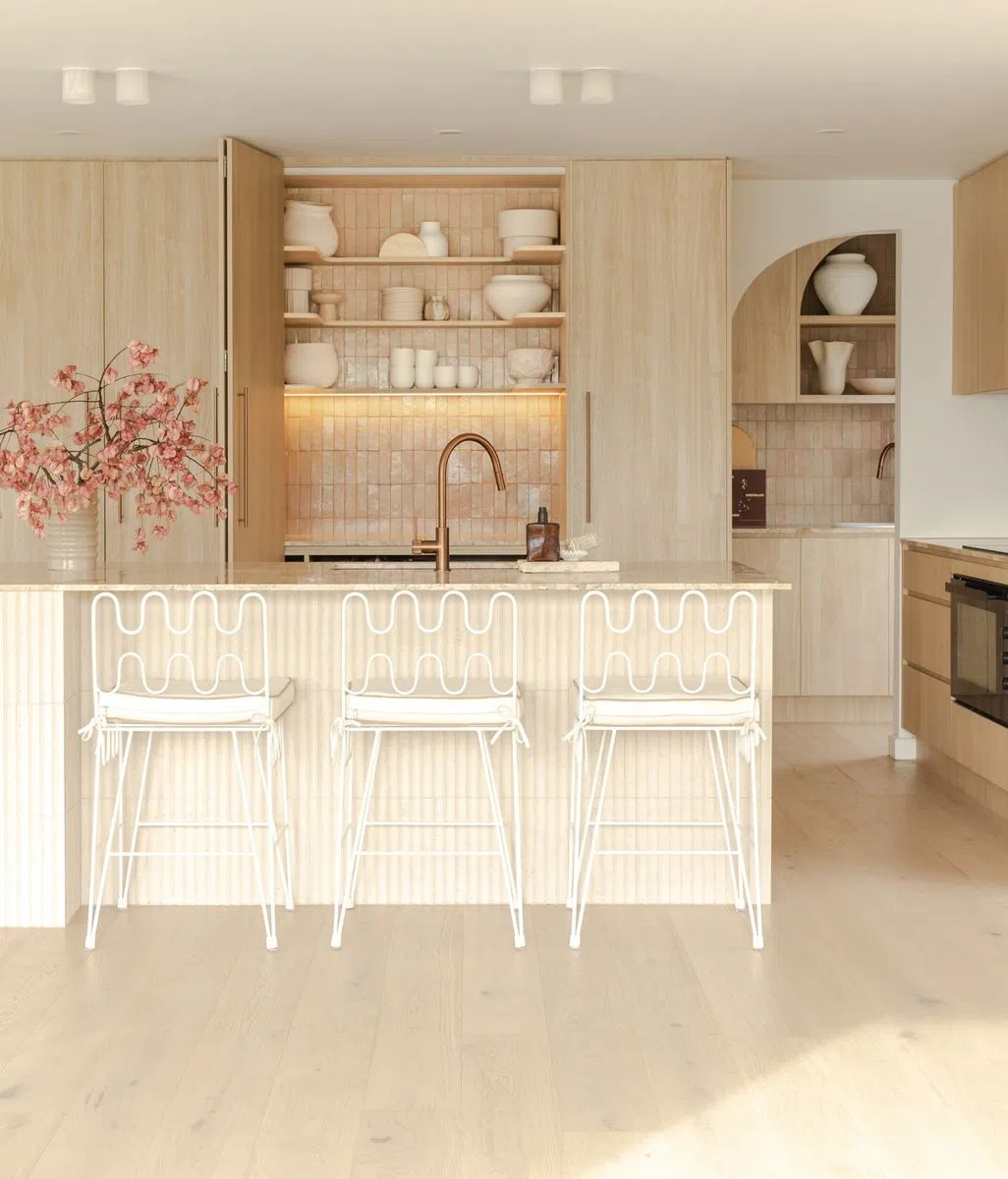
Before you build: 10 things the experts want you to know about creating a better home

featuring ArchiPro AU

© Oliver Compton

© Oliver Compton

ArchiPro AU logo
  • 2.7M profile views
  • 1.7K saves

From choosing the right architect to understanding how to get the most impact from your budget, Melbourne’s leading design and construction professionals share their insights into the critical decisions that need to be made and vital questions that need to be asked before making the most significant investment in your life.

As the last of the afternoon sun fell across Albert Park Lake, hundreds of Melbourne homeowners gathered at ArchiPro’s Home Design Evening to hear from some of the city’s leading architects, interior designers, builders and landscape professionals.

For some, the prospect of designing or building a home was still a distant ambition. Others were further along, grappling with the realities of budgets, briefs, planning approvals and the seemingly endless list of decisions that need to be made in order to bring a project to life.

Across two panel discussions, the conversation moved between the philosophical and the practical, from questioning what constitutes the Australian dream home to the realities of construction costs, the intricacies of briefing a designer and the importance of knowing when to challenge professional advice.

What emerged was a series of observations about how we make decisions, what we value in our homes and how to navigate the design and construction process with greater confidence.

Here are 10 insights worth considering before embarking on your own project.

1. Question what your dream home actually looks like

For generations, the detached house has represented the pinnacle of Australian homeownership. But is that still the case?

Woods Bagot principle architect, Ana Sa, challenged the assumption that a standalone house necessarily delivers a better quality of life than an apartment. With over twenty years of experience in Melbourne and internationally, Sa has witnessed first hand the shift and evolution of what home looks and feels like.

Rather than focusing on the housing typology, she encouraged homeowners to consider what they actually want from the place they live. A sense of sanctuary, comfort and security remains fundamental, but the way we measure these qualities is changing.

An apartment in a well-connected neighbourhood might offer greater freedom, convenience and amenity compared to a larger house further away from the places and people that matter most.

The question, then, is less about what kind of property you aspire to own and more about how you want to live, and how you want to feel when you walk in the door having easily cycled from work to home.

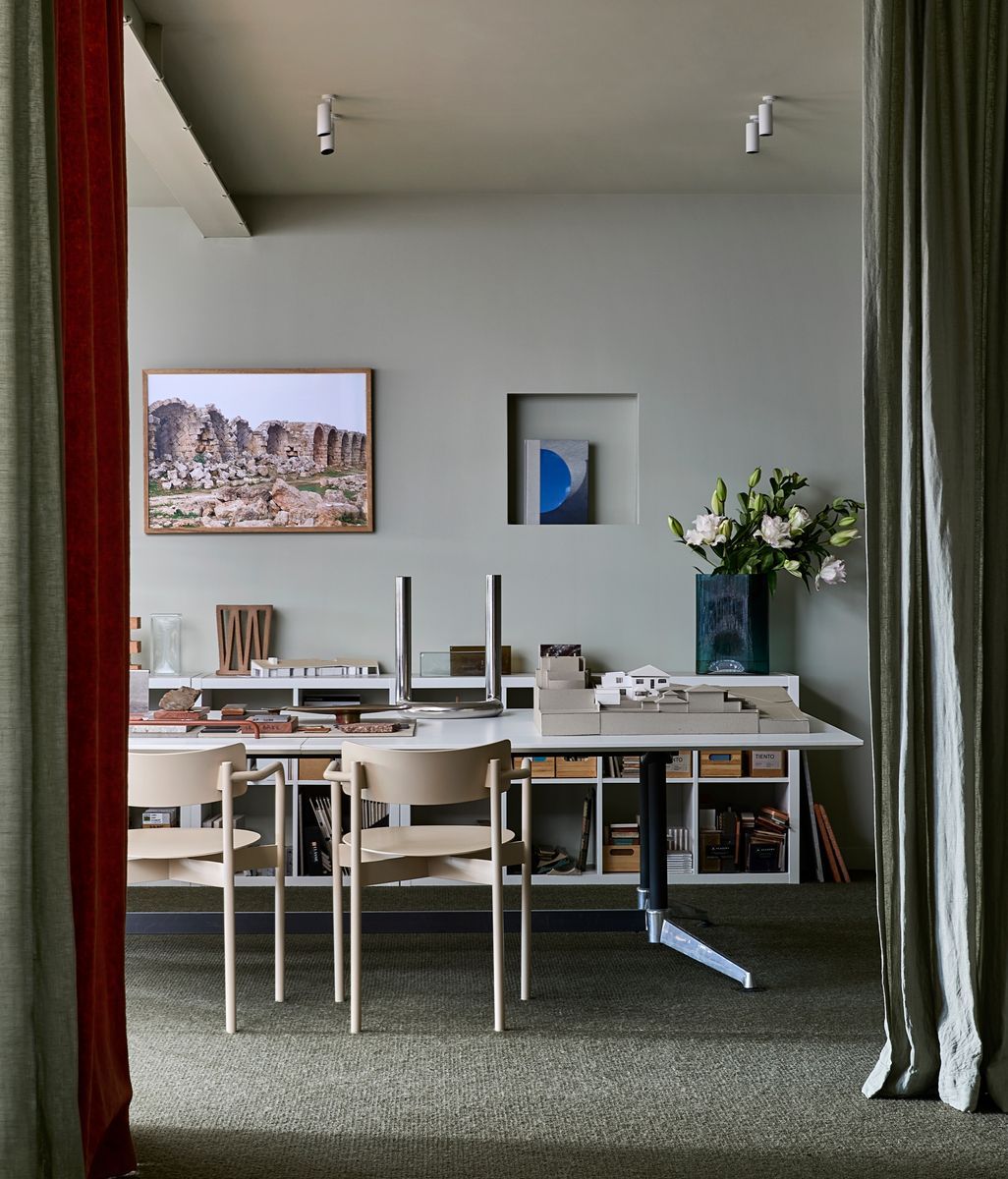
Designed by Woods Bagot, C.F. Row is a renovated furniture warehouse transformed into a vibrant housing community, harmonising with Fitzroy's historic architecture while introducing contemporary townhouses and exclusive penthouses.
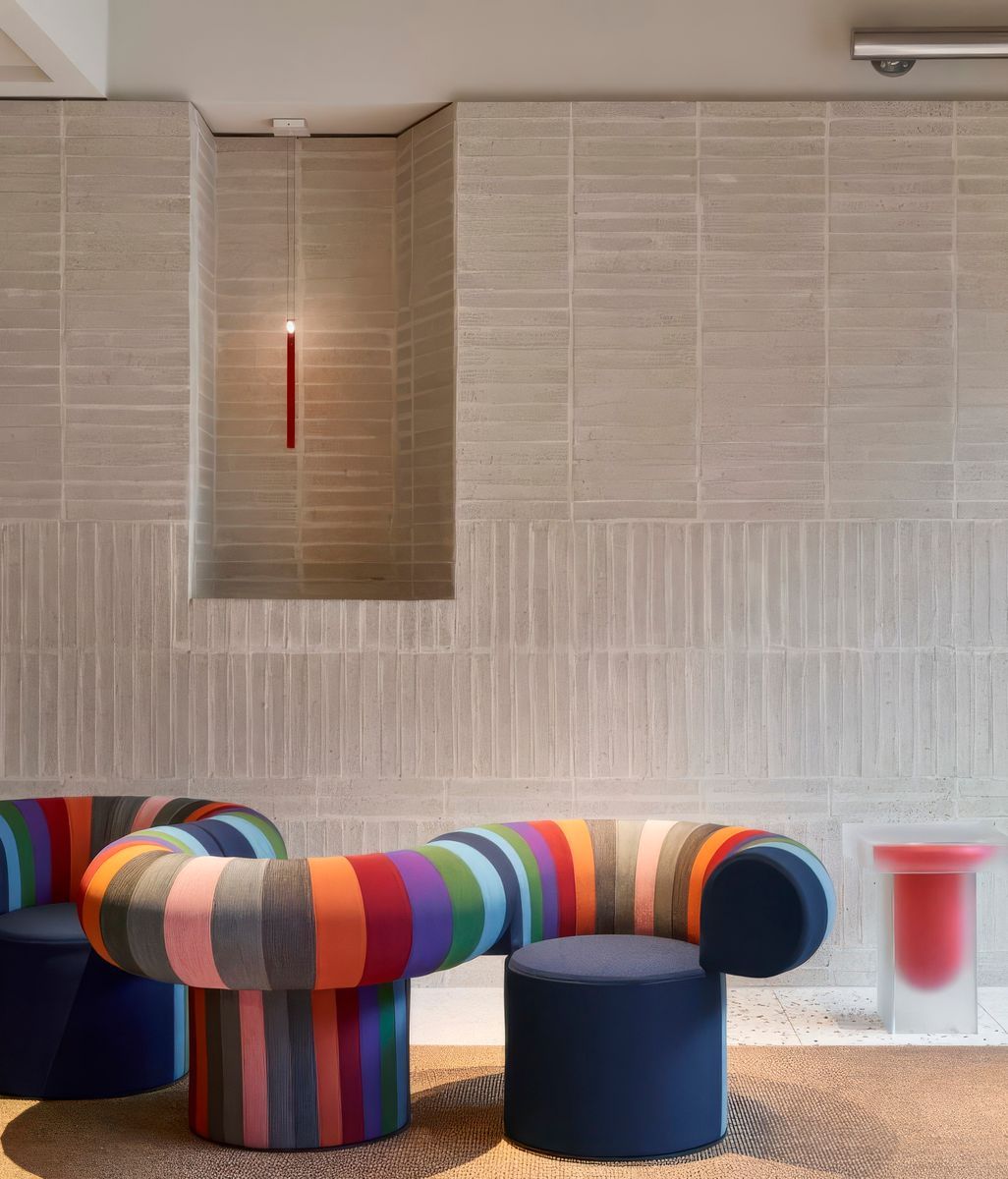
Designed by Hecker Guthrie, Piccolo House coaxes the remnants of Fitzroy's past into the present. 49 spacious residences propose a contemporary insertion into the vibrant and energetic fabric of the surrounding residential neighbourhood.

2. Choose your architect for the relationship, not just the portfolio

Selecting an architect is one of the most important decisions you’ll make. While an impressive portfolio can speak volumes - a picture paints a thousand words as the saying goes - the consequences of engaging an architect who isn’t aligned with your values or compatible with your preferred way of working can be crippling. 

For founder and principal architect of the award-winning studio Adam Kane Architects, Adam Kane, the most successful projects begin with an alignment of values between architect and client. For Kane, who values a highly personal approach to achieve the level of precision required to deliver his beautifully minimal buildings, he has deliberately maintained a smaller practice. This allows him to remain intimately involved with every project and work closely with his core team and the client every step of the way.

From a  home owner's perspective, compatibility matters just as much if not more. Designing and building a home is a long and sometimes demanding process, requiring difficult conversations, compromises and considerable trust.

Kane’s advice was characteristically direct: the last thing you want is to spend that journey working with someone you don’t enjoy dealing with.

From left to right, Nimrod Rotenberg, Cobild Lux; Matthew Cantwell, Secret Gardens; Stacey van Harn, Hecker Guthrie; Robert Davidov, Davidov Architects; Adam Kane, Adam Kane Architects

3. A good brief isn’t simply a list of rooms

How many bedrooms? How many bathrooms? A second living area? A home office?

It’s easy to approach a design brief as an inventory of spaces, but the most valuable conversations often begin elsewhere.

Interior Designer at Hecker Guthrie, Stacey van Harn, highlighted how important it is for clients to define how they want their home to feel, rather than immediately discussing aesthetics or particular finishes.

Is it somewhere that should hold memories and cherished objects? How important is a welcoming, adaptable space for entertaining? Do you have a stressful job and wish for nothing more than a quiet retreat from the demands of everyday life?

Asking these questions - without being afraid to be brutally honest about what you really want and how you really want to feel rather than what you think your dream home should look like - will help establish the emotional and experiential qualities of a home. This relatively simple reframe to the ‘problem’ gives the design team something more meaningful to work with than a collection of reference images or a laundry list of rooms.

Principal architect of Davidov Architects, Robert Davidov, also emphasised the importance from an architects point of view of taking the time to really understand a client’s brief. Despite the fact that some clients may arrive with a fifty page briefing document which has clearly been well researched, it’s essential to dive into it, unpacking and distilling what the core of the concept really is. 

What this points to is that from both sides, it’s not about one size fits all. It’s about conversation and shaping the final brief collaboratively. Because, the more clearly you understand what matters to you, and the closer an architect is prepared to take the time to listen, the better the outcome on every level.

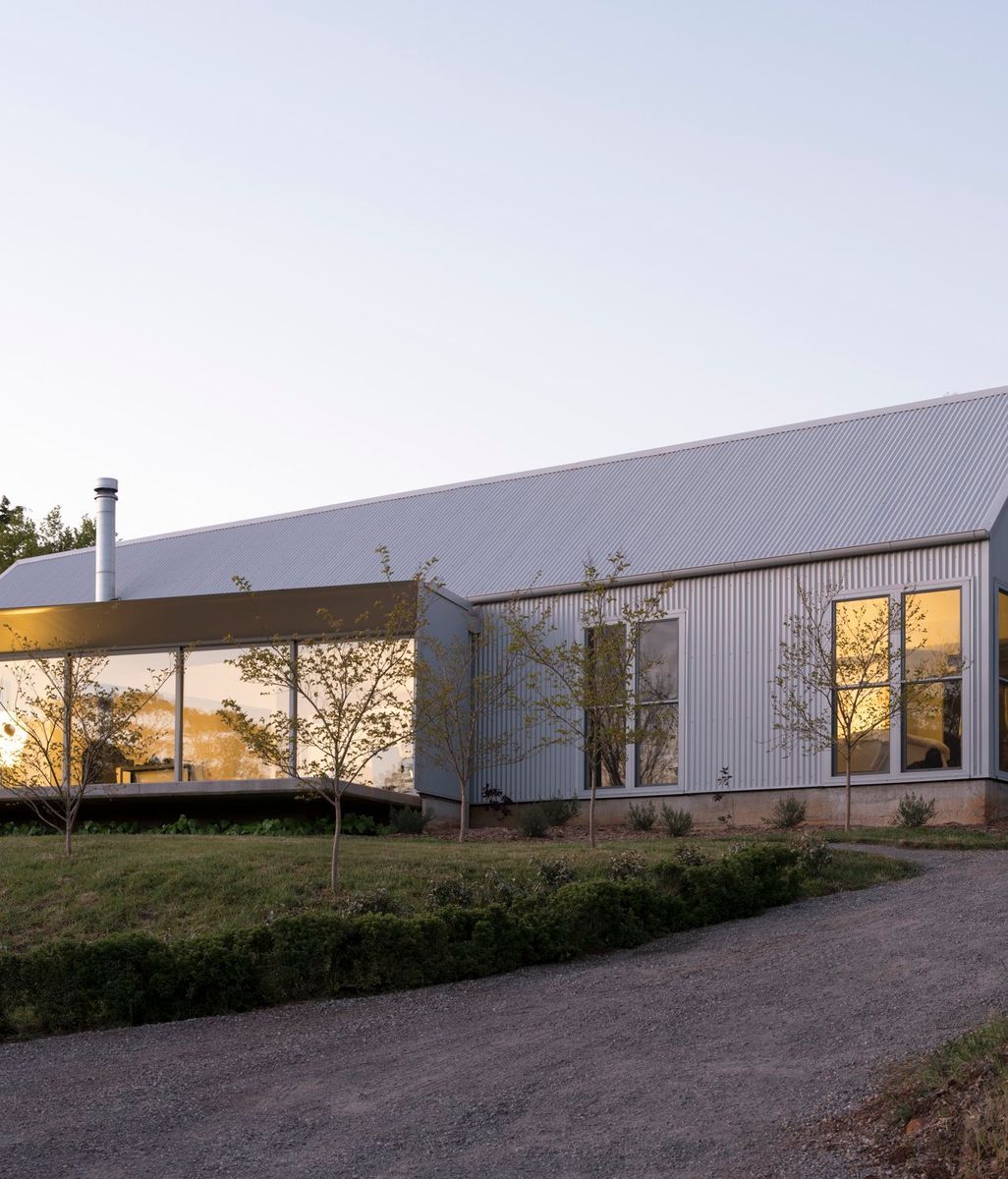
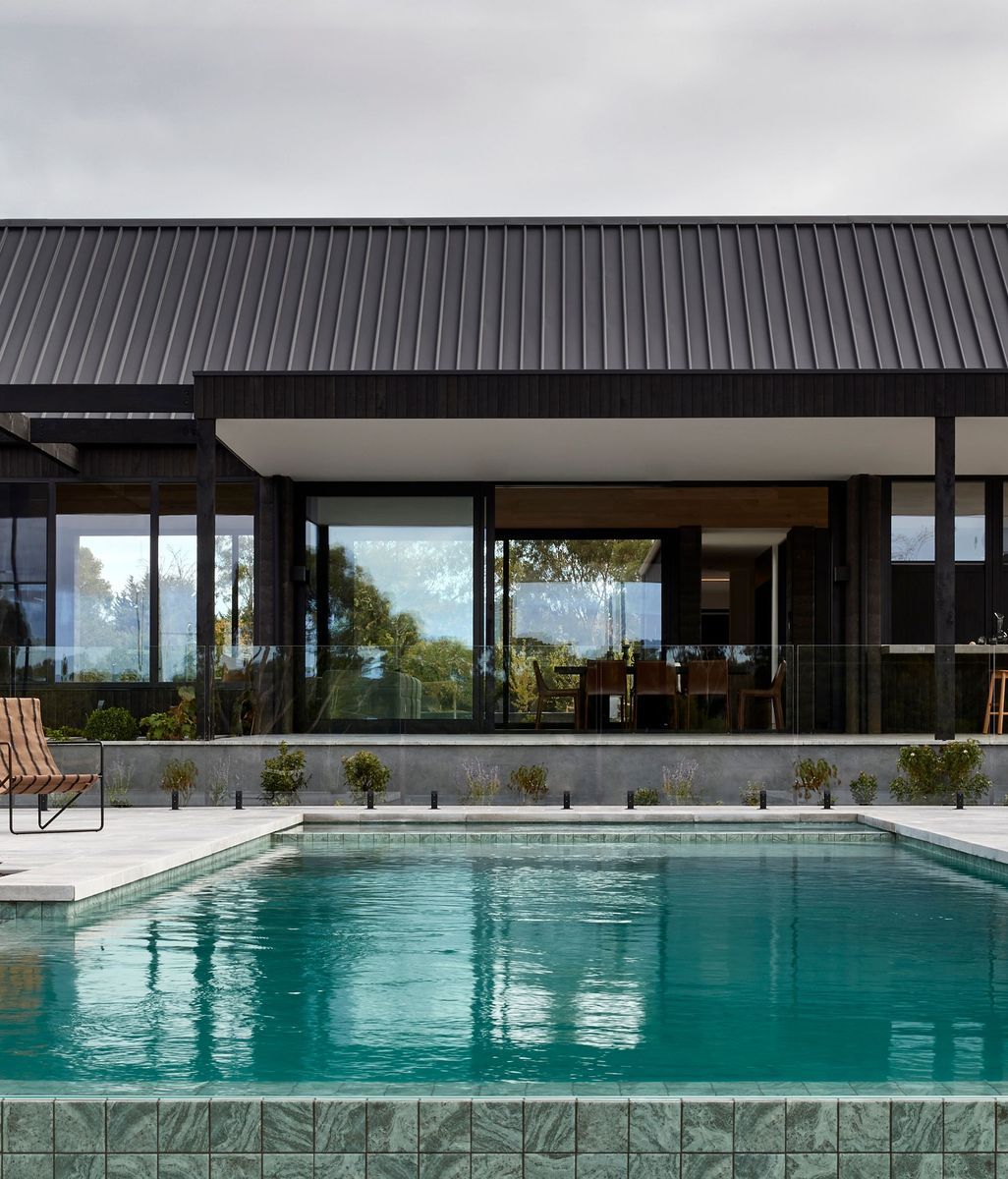
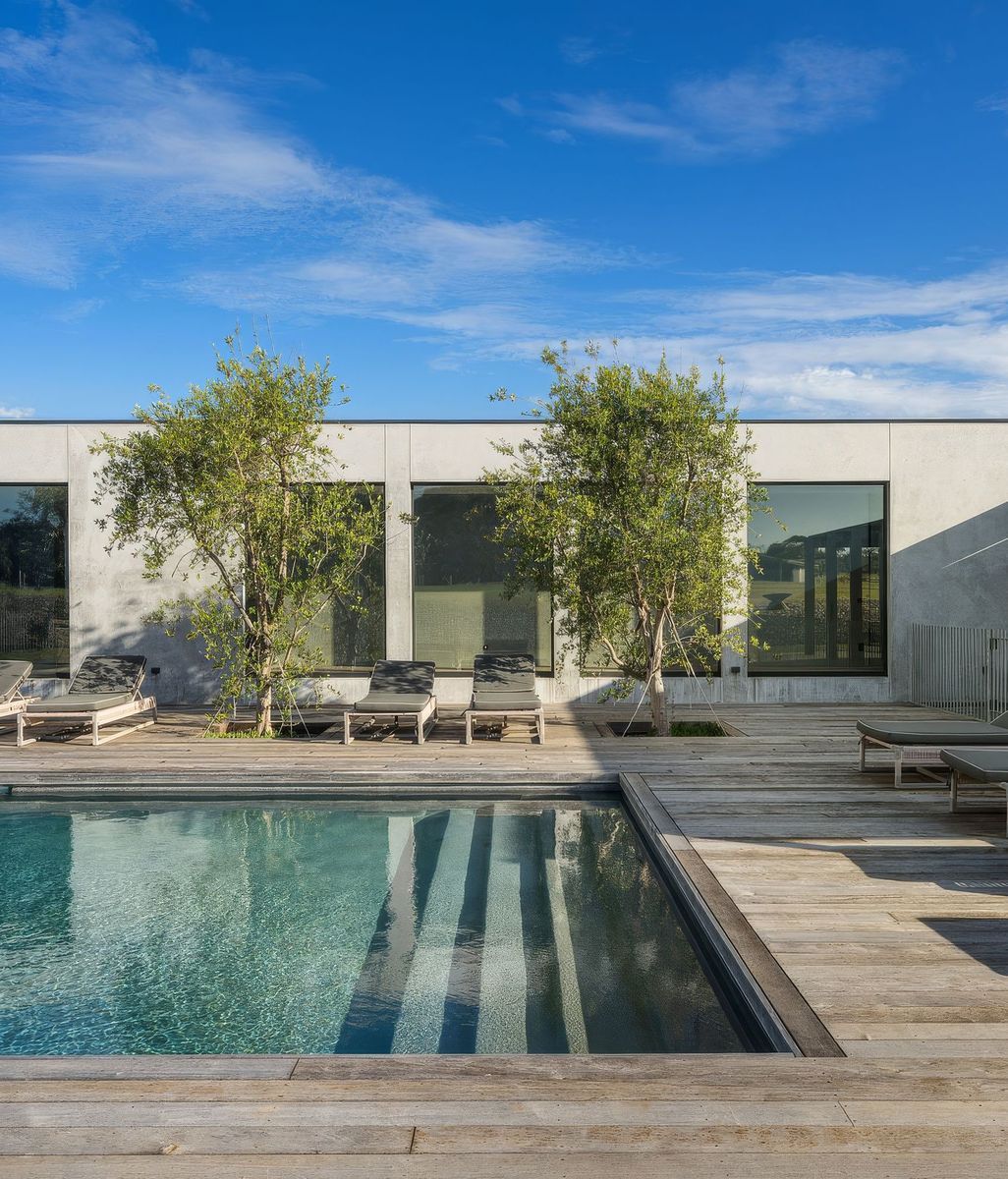
EPSC Residence by Davidov Architects is conceived as a contemporary farmhouse, set within an undulating agricultural vineyard in Victoria’s Mornington Peninsula.

4. Your wish list and your budget probably won’t agree

One of the evening’s more candid observations came from landscape designer and founder of Secret Gardens, Matthew Cantwell. When the topic of budgets inevitably came up, Cantwell remarked that he had never met a client whose budget aligned perfectly with their brief.

It’s a familiar challenge across the design and construction industry. Understandably, homeowners tend to begin with a grand design vision for what their property could become, without an appreciation or understanding of just how much time and materials, and therefore money, goes into taking a project from vision to reality.  

Not that this means abandoning all hope. Kane encouraged homeowners to establish a budget from the outset, even if it’s only an approximate figure, or a modest, conservative figure. There is no shame in being able to articulate what you’re willing to spend. In fact, this actually gives the architect, interior designer, builder or landscape designer an indication of the project’s potential scale and the parameters they’re working within.

Additionally, while it may seem counter intuitive, working within an established budget can result in innovative design solutions as the design team have to test their skills and get creative to achieve the desired outcome.

At the end of the day, the role of a good design team is to help reconcile ambition with financial reality, identifying where to invest, where to compromise and how to achieve the greatest value from the available budget.

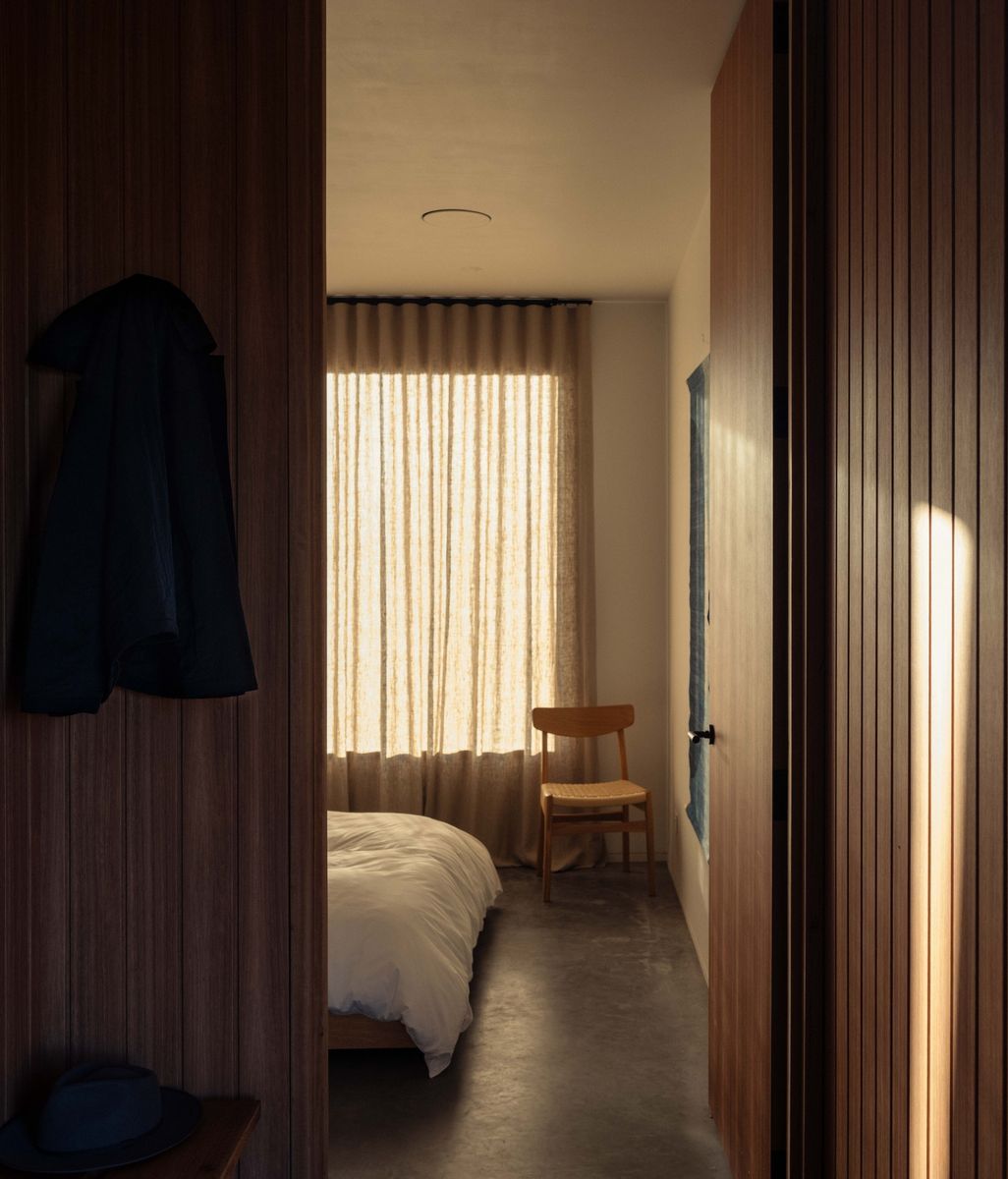
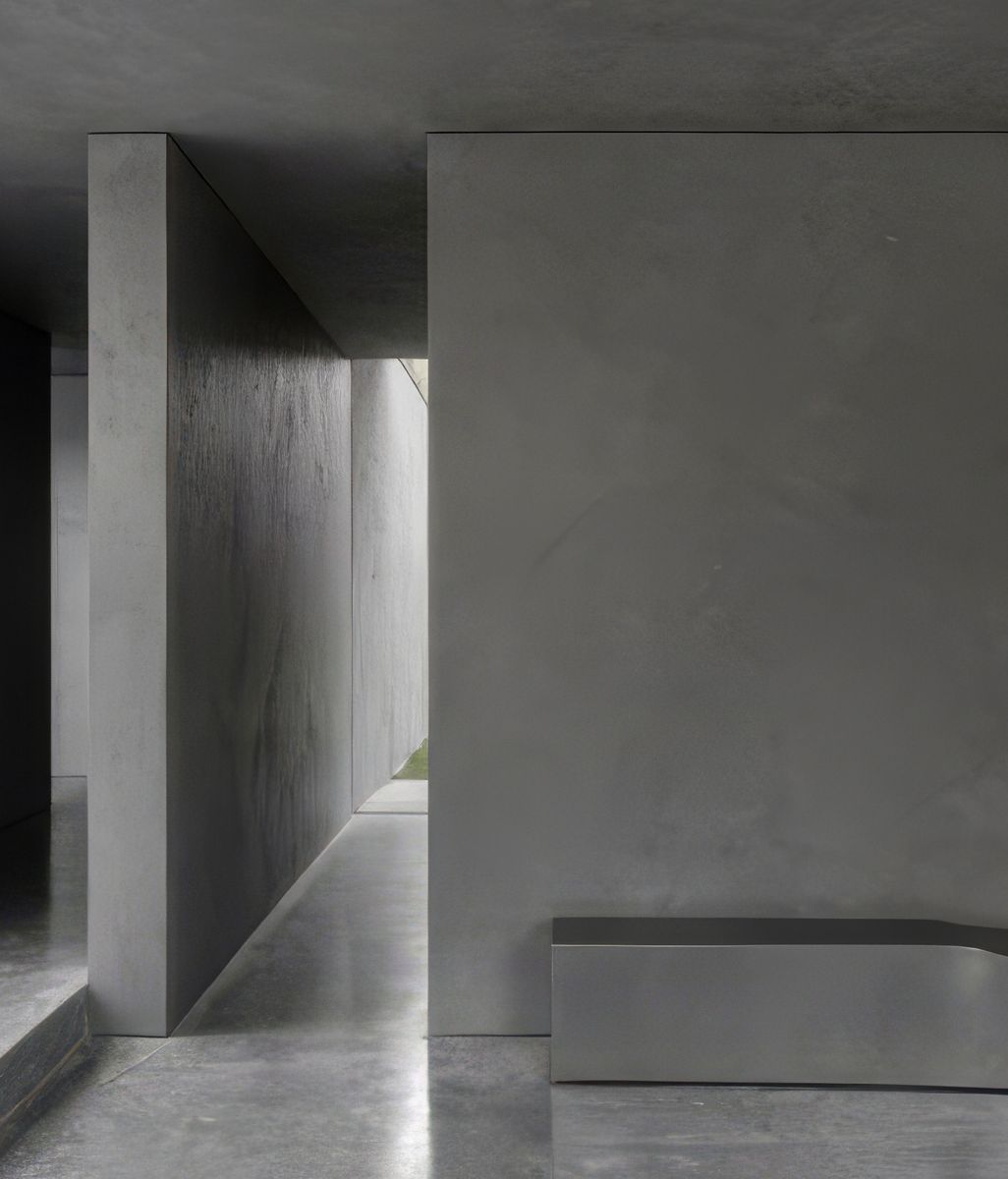
Grey House by Adam Kane Architects demonstrates that simplicity is never dull.
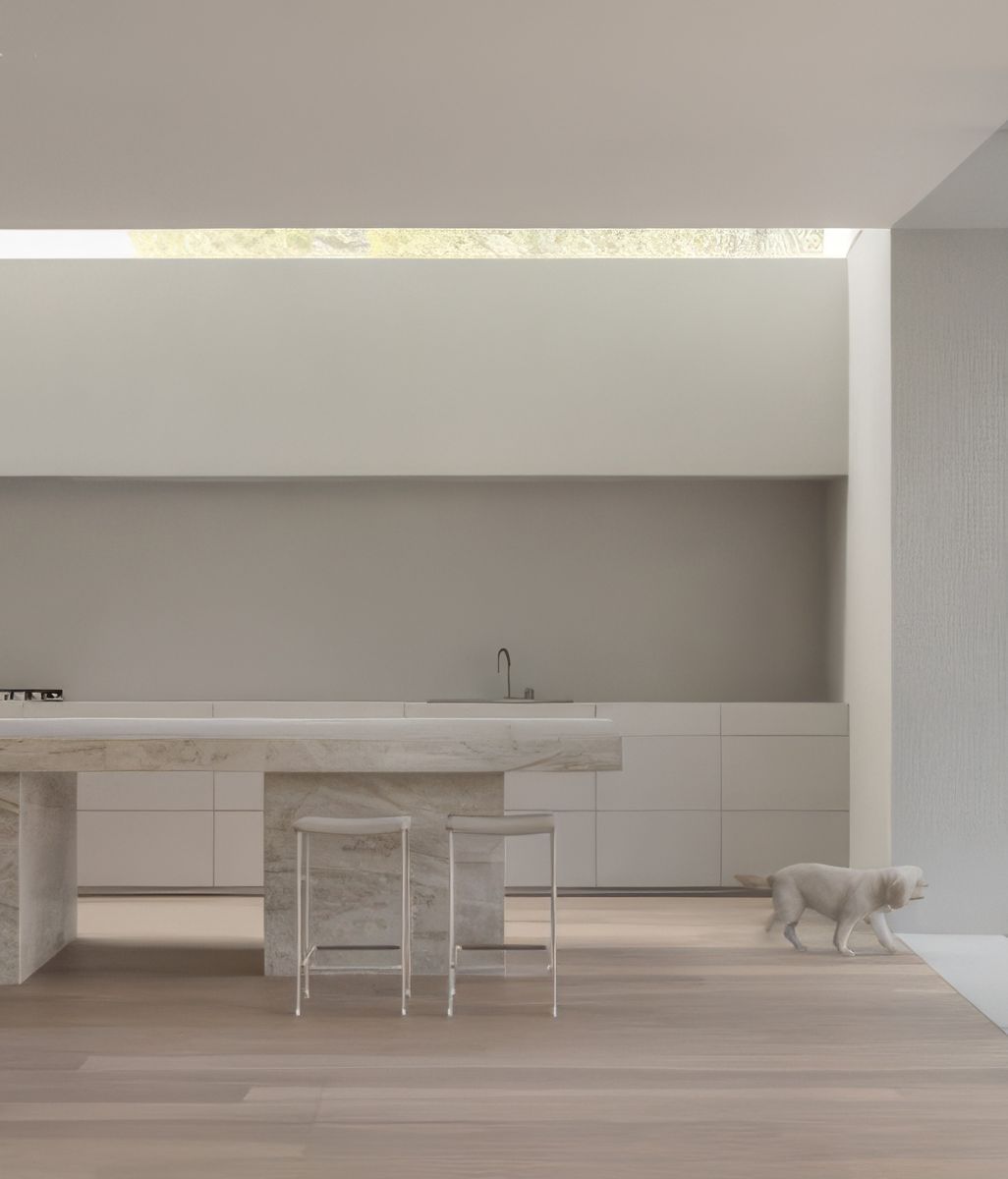
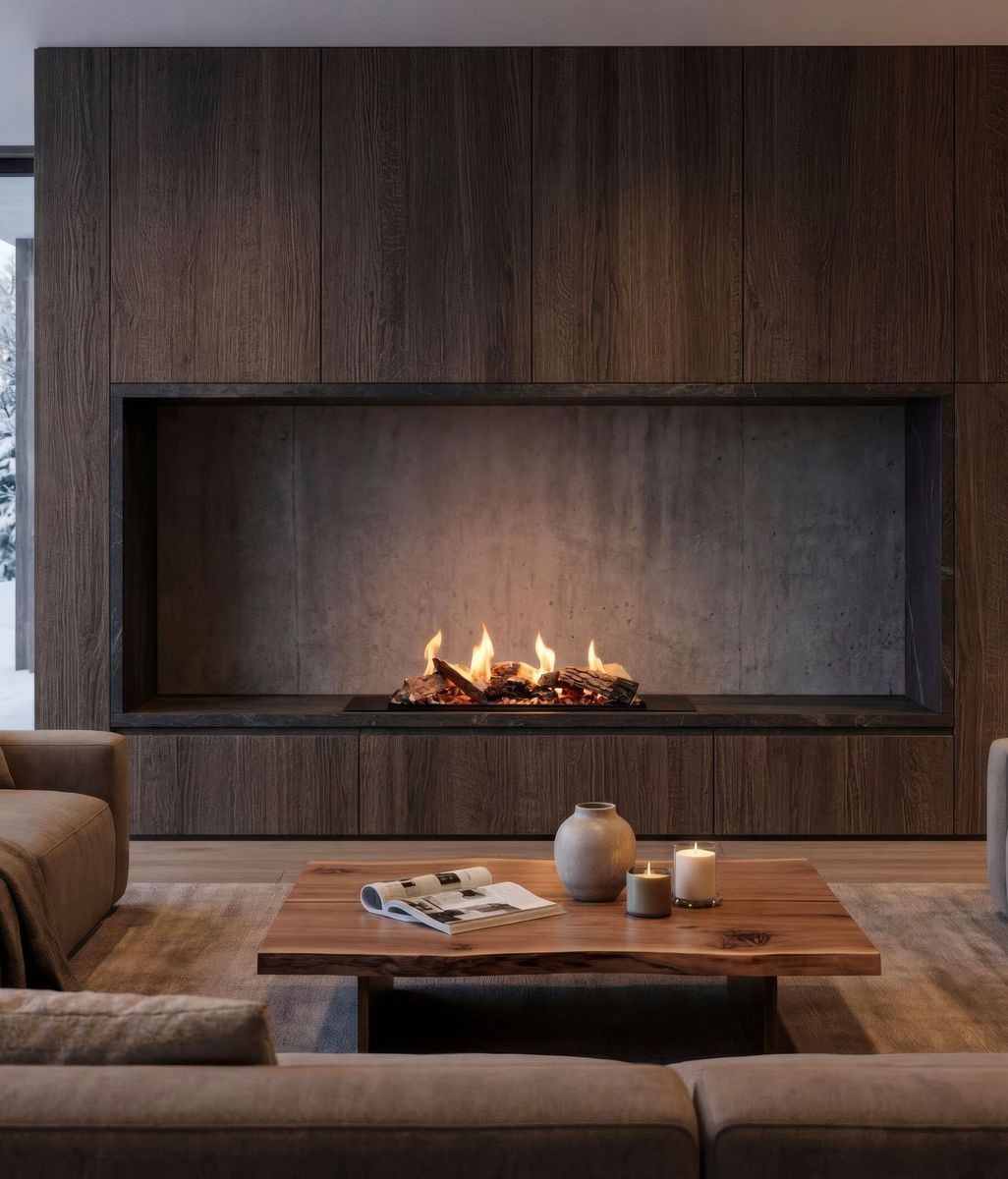
In stripping back to what matters, Grey House by Adam Kane Architects is everything it needs to be: calm, serene and welcoming.

5. Don’t assume renovating is the cheaper option

Despite what logic may dictate, as Van Harn pointed out, renovating an existing home is not necessarily going to be more cost effective than starting with an almost blank slate. 

In fact, renovating can cost as much as building new, and sometimes considerably more due to the unknowns and can of worms that get opened up when you start unpicking what’s already there with the view to putting it back together but better. 

The condition of the building, the limitations of its original construction and the challenge of integrating new spaces with old all take considerable time in terms of both design and build, which both naturally exert their weight on the overall cost of a project.

Before committing to a renovation, it’s worth investigating the building’s condition and comparing the likely scope and expense of adapting it against the alternative of starting again.

Retaining an existing home may offer considerable architectural, environmental or sentimental value. But it shouldn’t automatically be treated as a cost-saving exercise.

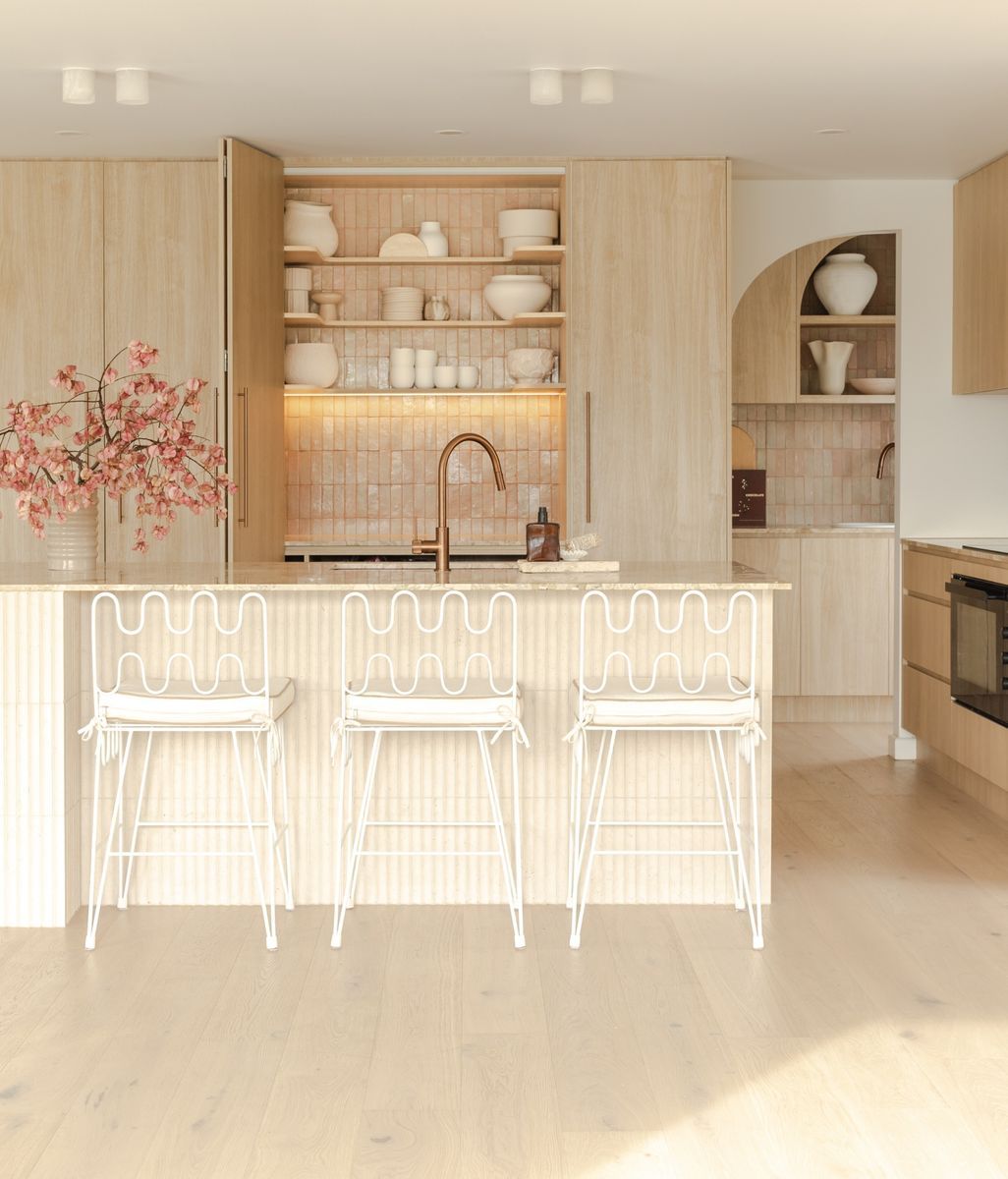
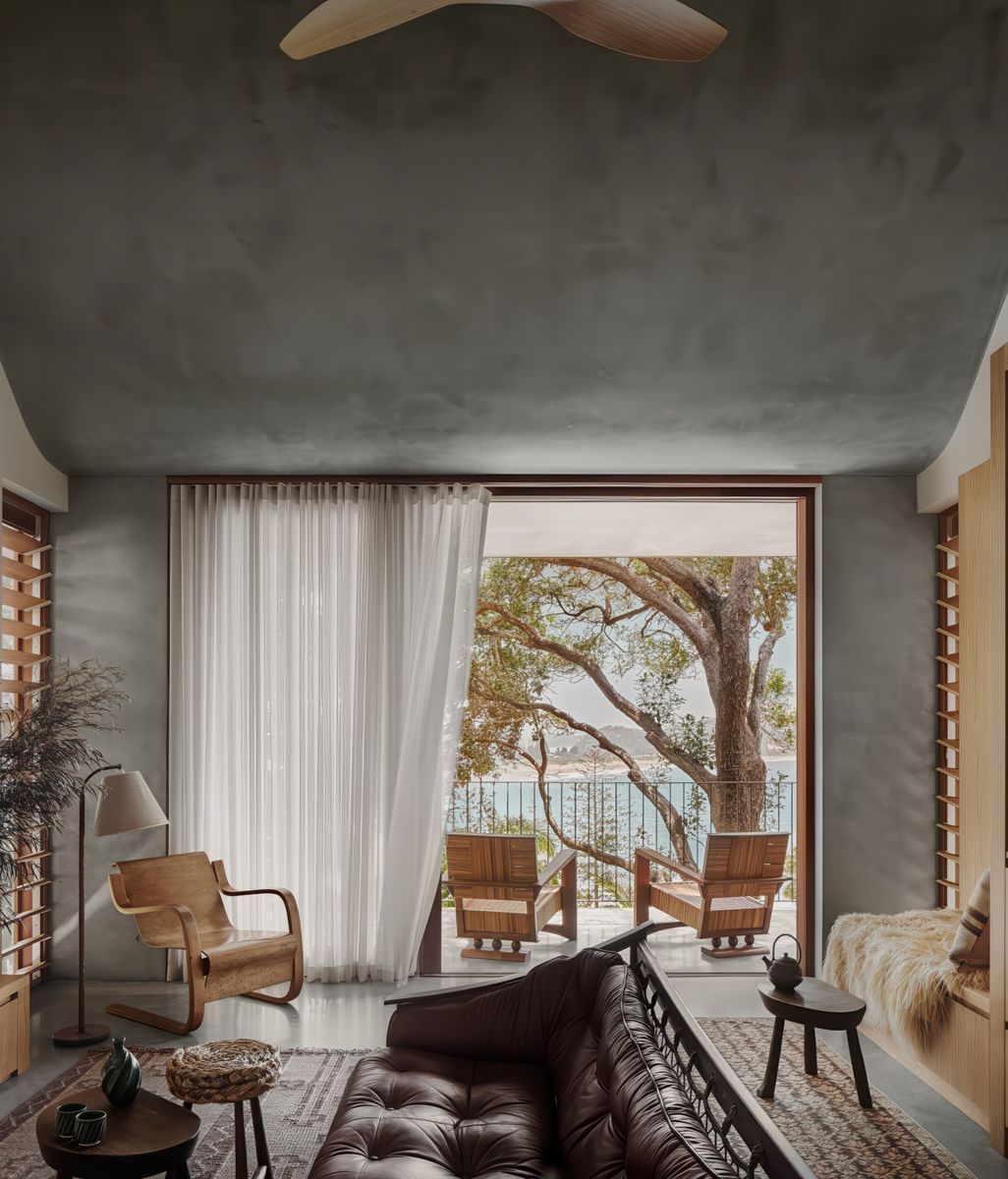
Thoughtfully renovated by Hecker Guthrie, this Byron Bay home demonstrates that renovation can transform a home while remaining sympathetic to the way the owners wanted to feel.

6. Bring the right people into the conversation early

One of the most expensive mistakes homeowners can make is waiting too long to involve the professionals responsible for delivering their project.

Founder and director of Cobild Lux, Nimrod Rotenberg emphasised the value of engaging a builder as early as possible, even from the very moment the design begins to take shape.

The sooner a builder can understand the proposed design, the sooner they can provide meaningful feedback on construction methods, feasibility and where the money is likely to go.

That early involvement creates opportunities to test different approaches and resolve potential problems before they become expensive changes on site.

Rotenberg also spoke about the consequences of poorly coordinated design, where decisions made in isolation can result in mistakes throughout a building.

The objective is to have the architect, interior designer, builder and other specialists working together as one well oiled, carefully orchestrated machine to resolve complexity before it reaches the homeowner.

A classic California bungalow, thoughtfully reimagined by Cobild Lux. The architecture by MGAO and interiors by CJH Studio opens the home to contemporary life while paying quiet homage to the detail of the original.
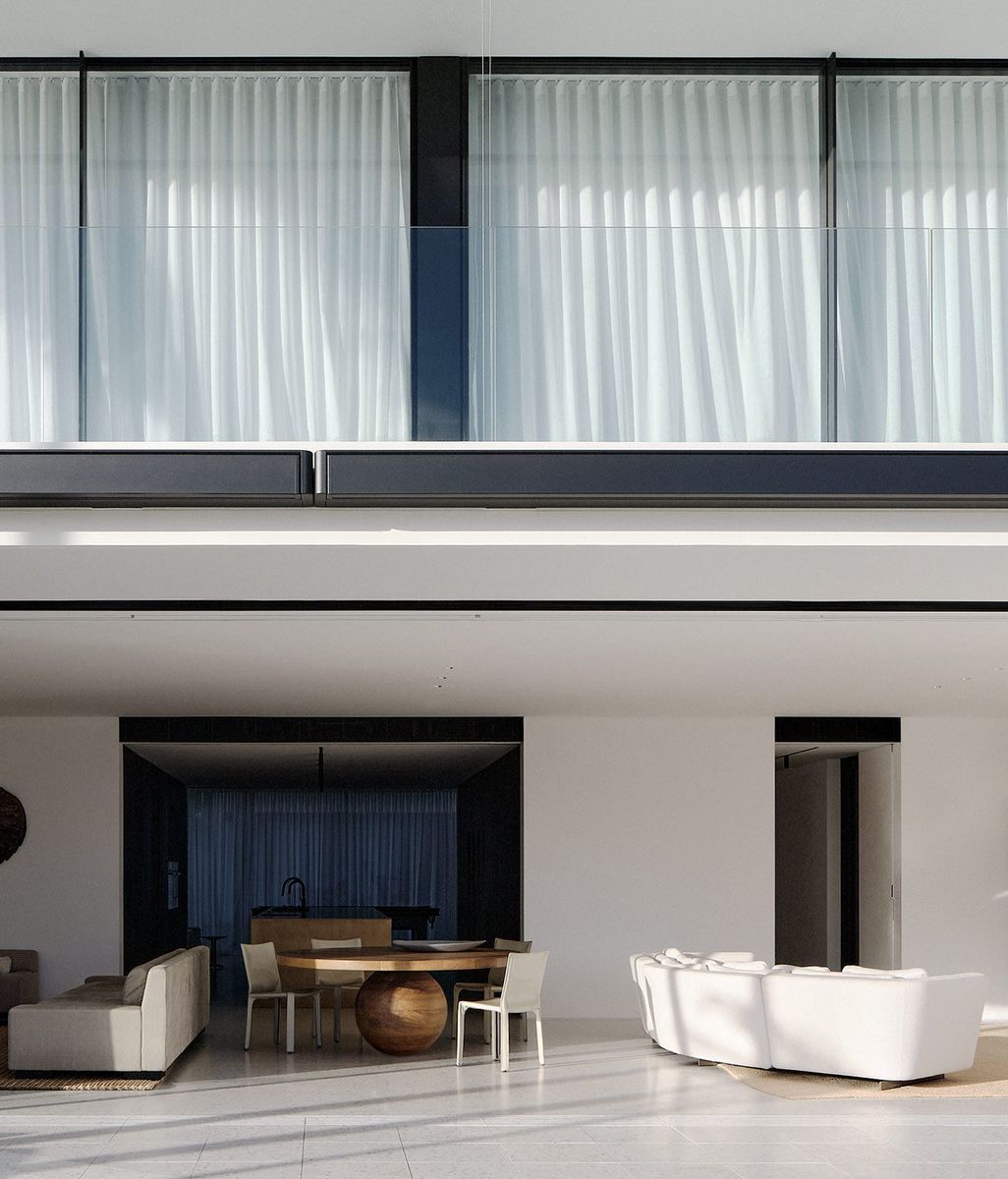
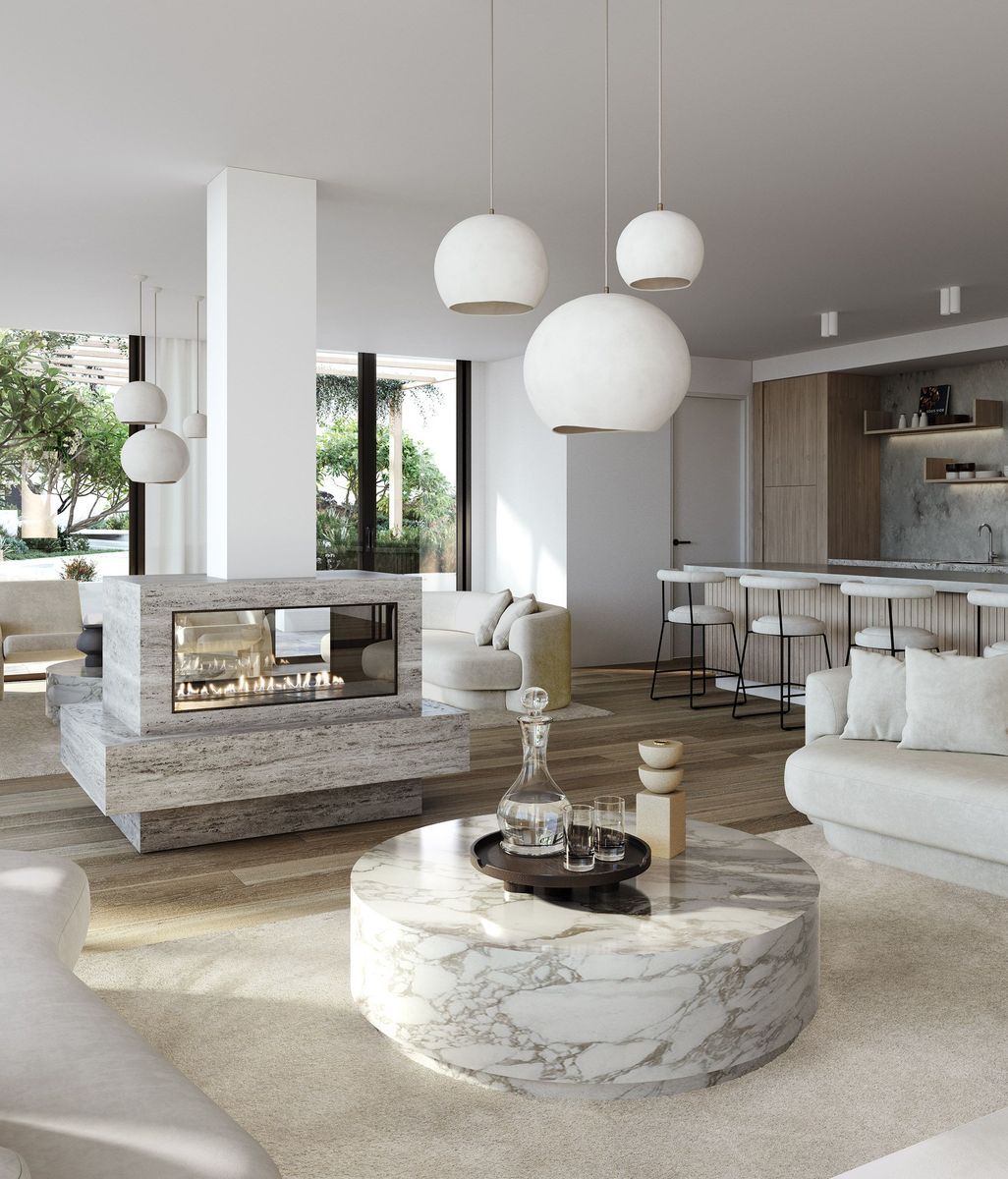
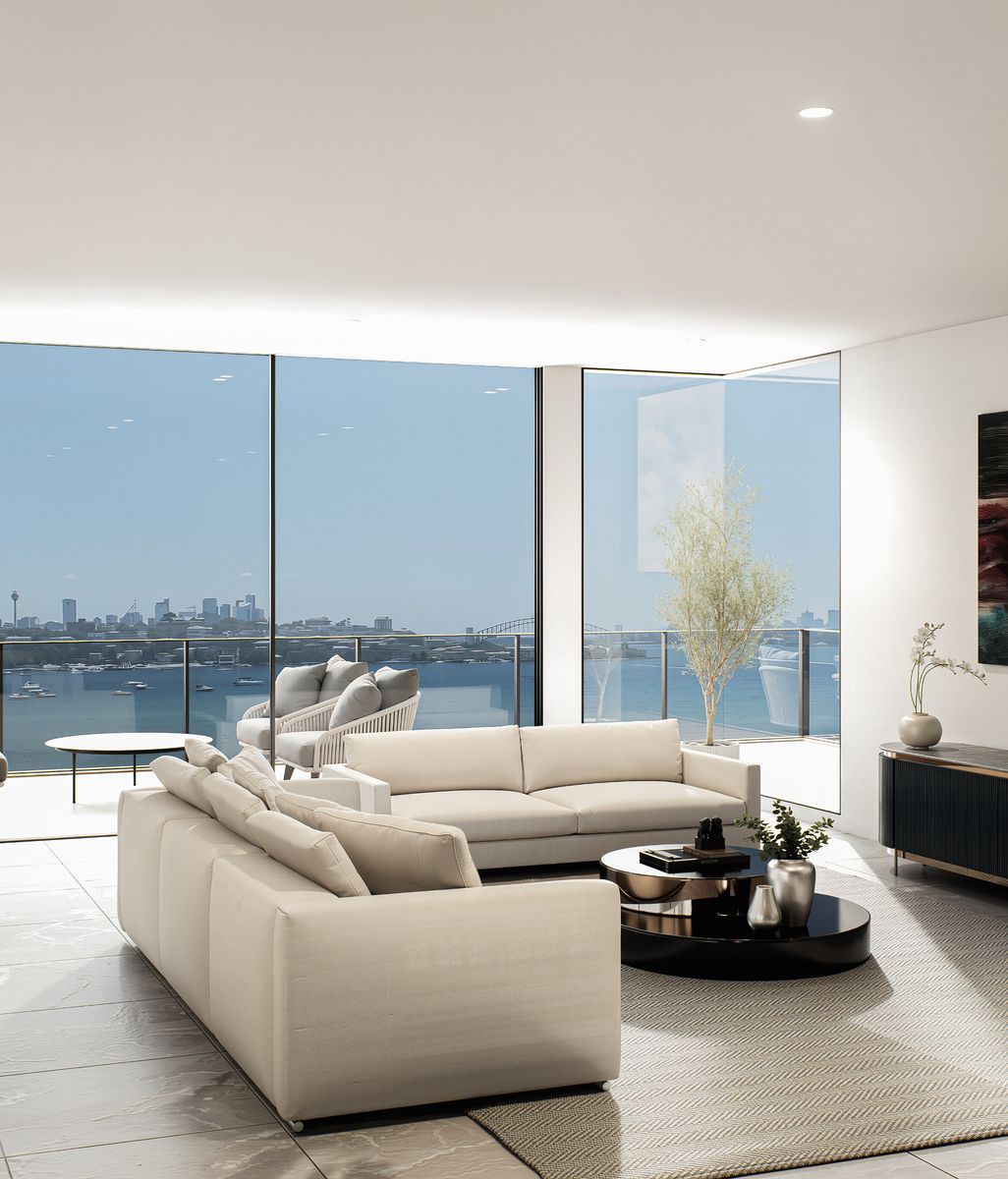
This luxury South Yarra apartment received a complete modern fit out, refined materials, exacting detail, and a level of finish usually reserved for whole-home builds, distilled into apartment form by the team at Cobild Lux.

7. Spend on what matters, not what you think you’re supposed to want

What matters to you will be completely different to what matters to your neighbour. Which naturally means that there is no universal answer to the regularly asked question ‘where should I spend money and where should I save?’

Both Van Harn and Rotenberg emphasised that the most valuable elements of a home depend entirely on the people who will inhabit it and have little to do with what is on trend or what the designer thinks matters. 

For one family, a generous kitchen and dining space might be central to daily life. For another, a quiet garden, a comfortable bedroom or a carefully designed workspace might make a far greater difference to the experience and joy of living.

The challenge, for both the designer and the homeowner, is to distinguish which priorities are genuine, and which may have found their way into the brief through habit, convention or keeping up with the Jones’ aspiration.

Defining what truly matters and placing these elements at the core of the brief as a touch point to come back to whenever a decision needs to be made is critical. So too is the homeowner's role in terms of interrogating their own expectations and making deliberate decisions, with the expert guidance of their design and build team, about where their budget will have the greatest impact.

LSH Residence by Davidov Architects is a contemporary addition to a Victorian-era shophouse in Albert Park.
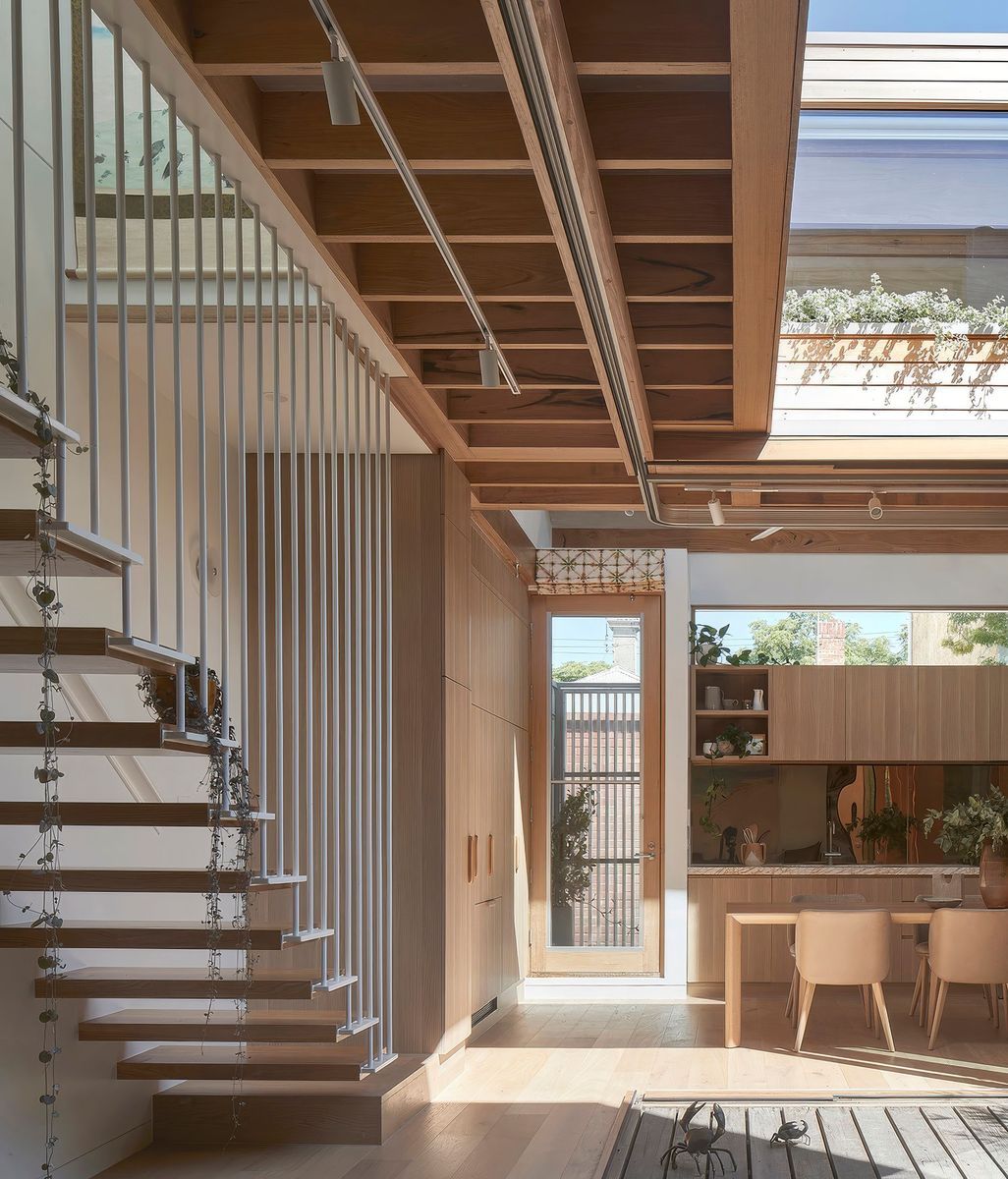
Comprised of the reinvigoration of a Victorian-era wedge-shaped shophouse, as well as the replacement of a tired 1970s extension with a contemporary and sensitive addition, LSH Residence demonstrates good decision making.

8. A good garden doesn’t need to be an expensive one

Landscape design is often treated as something to consider once the building is complete and the remaining budget is known. Yet the relationship between a home and its landscape can be fundamental to how successfully the property works.

Cantwell suggested that one of the best things a homeowner can do for a property is simply give it a good garden.

That doesn’t necessarily mean elaborate landscaping or expensive features. If the architecture is well considered, the landscape can be relatively restrained, helping to settle the building into its site and establish a connection between inside and out.

It’s a useful reminder that good design isn’t necessarily about adding more. Sometimes the greatest value comes from knowing what can be left out.

Secret Gardens carried out a comprehensive landscape transformation in the Southern Highlands, featuring stone walling, pathways, and diverse seating areas, designed in collaboration with Emma Lee Architecture.

9. Learn to look beyond the floor plan

For homeowners unfamiliar with architectural drawings, understanding exactly what is being proposed can be difficult. Even for those who can confidently interpret a floor plan, it’s still possible to overlook some of the almost intangible qualities that ultimately transform a home from being a well laid out set of rooms to a cohesive, thoughtful and inviting space.

Sight-lines, spatial relationships and the way a house feels as you move through it are often hard to glean from a floor plan alone, and Kane noted that these are some of the most valuable aspects of architecture that aren't immediately legible in a drawing.

To solve this challenge, Davidov described how his practice uses three-dimensional rendering technology to communicate designs through different views and perspectives, recognising that everyone interprets visual information differently.

In addition to 3D modeling, narrative story telling also plays an important role in communicating the vision and feeling that underpins a design. For Van Harn and the team at Hecker Guthrie, the design narrative, which is informed by the initial meetings with the client, is the first piece of the puzzle when it comes to establishing the central themes and ideas that will be revisited as the project develops.

The lesson for homeowners is to ask their designer to explain not only what they’re proposing, but why. Understanding the thinking behind a design is essential to making informed decisions and reaching the end of the process with more than you hoped and wished for.

High quality three-dimensional renders enable Davidov Architects to better articulate the spatial relationships of a building to a client.
Another render by Davidov Architects - so good you almost can't tell that this residence conceived for the Mornington Peninsular is still at concept stage.

10. Ask questions, speak up and understand what you’re signing

Perhaps the most consistent take-away advice was the simplest: don’t be afraid to ask questions. Don’t ever be afraid to ask, even if you feel like the answer should be obvious. 

Van Harn encouraged homeowners to say something immediately if a design proposal doesn’t feel right. Designers, she explained, are accustomed to receiving feedback, and their role is to help clients understand the work and realise their ambitions.

Similarly, Cantwell cautioned against politely agreeing during a meeting, only to raise concerns afterwards.

Both Van Harn and Rotenberg emphasised the significance of a carefully prepared engagement agreement, which should clearly establish the services being provided, what is excluded and the responsibilities of everyone involved.

Read it closely, ask for clarification and if the scope doesn't reflect your expectations, request amendments. It’s always easier to build clarity and trust at  the very beginning - and there is nothing worse than going into anything half blind or even a tiny bit confused - especially when what’s at stake is your dream home. 

Of course, designing and building a home will always involve a degree of uncertainty. Budgets evolve, priorities shift and decisions that appear straightforward on paper can become considerably more complex in practice. Which is precisely why asking questions and starting with a solid trusting foundation and getting the right team involved is the secret to success. 

And perhaps that is where the real value of good design begins: with a clearer understanding of how we want to live and why.

For more design and building inspiration and education, sign up to the ArchiPro BUILD newsletter, delivered to your inbox every fortnight.