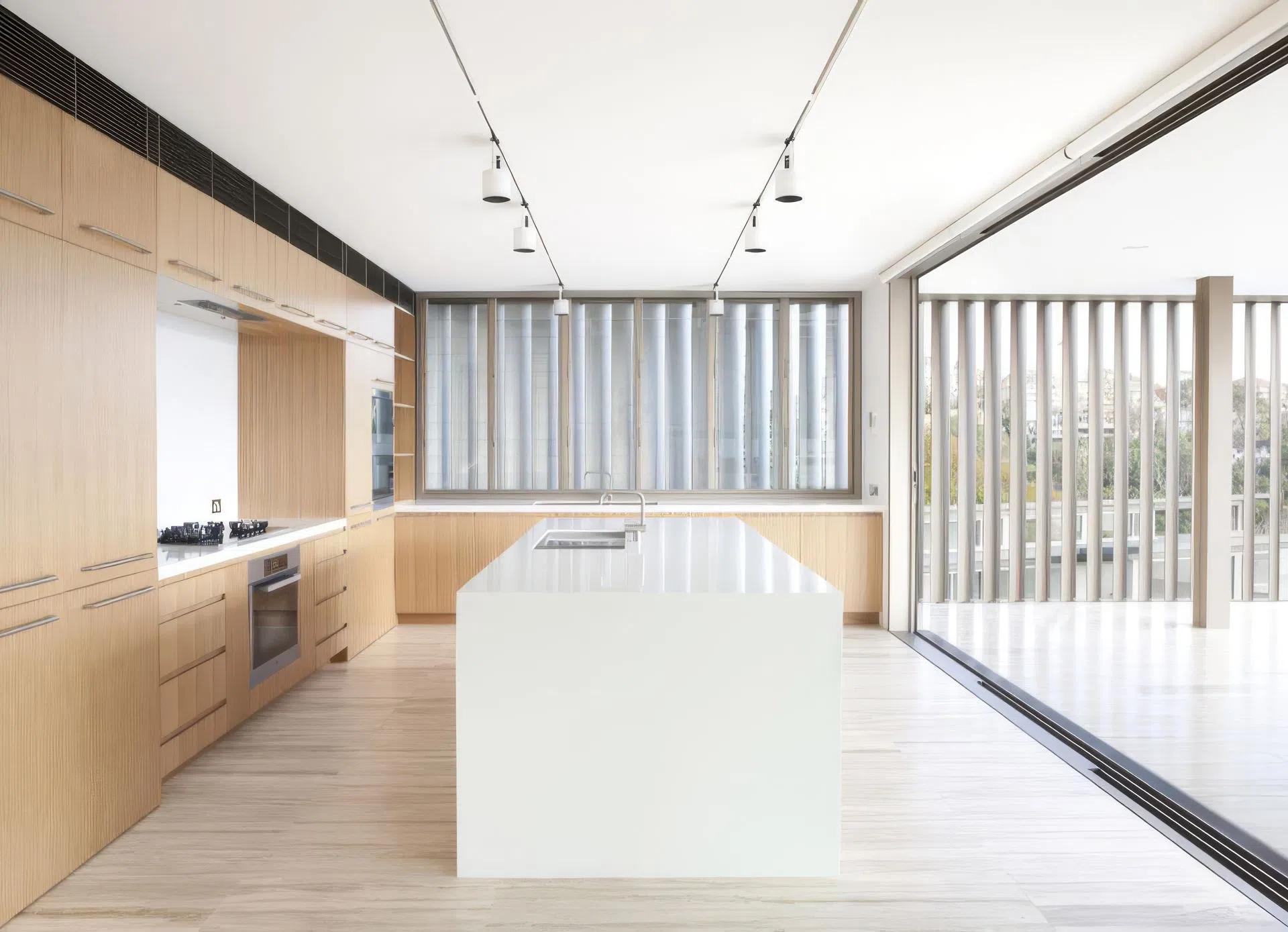

Dissolving boundaries with seamless continuity

featuring Stormtech

Stormtech logo
  • 566.0K profile views
  • 67 saves

As Australian architecture continues to embrace the relationship between inside and out, Stormtech’s threshold drainage systems demonstrate how technical innovation, developed in response to architectural need, can help realise a more seamless connection between a home and its natural surroundings.

Visit Website

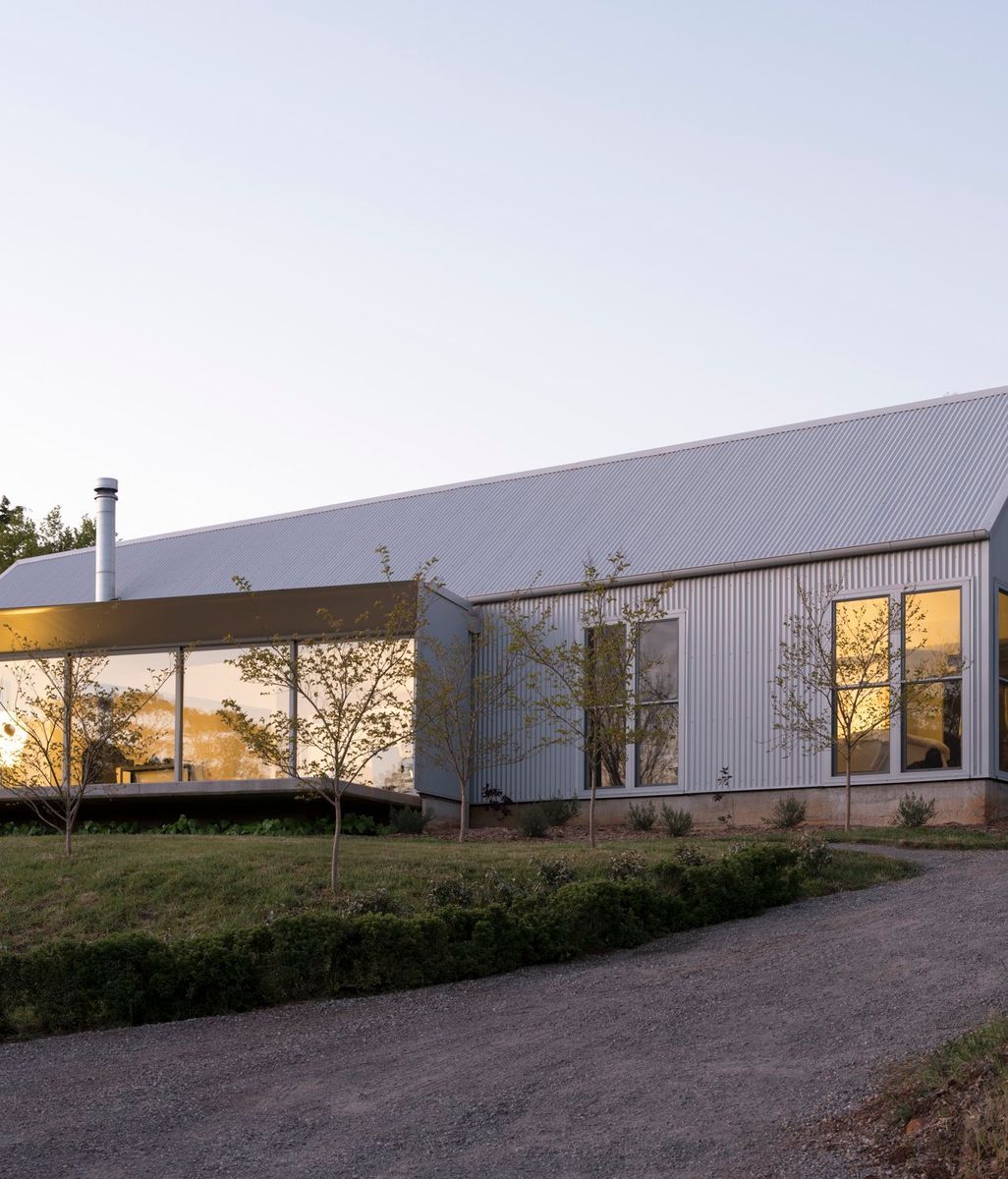
There is something distinctly Australian about the way we inhabit our homes. Our climate, love of outdoor entertaining and desire to connect with nature have influenced the way we design and build for almost as long as the act of building has been a reality. As a result, Australia has developed a quintessential architectural language where the spaces beyond the building envelope are often considered to be just as important as those within it.

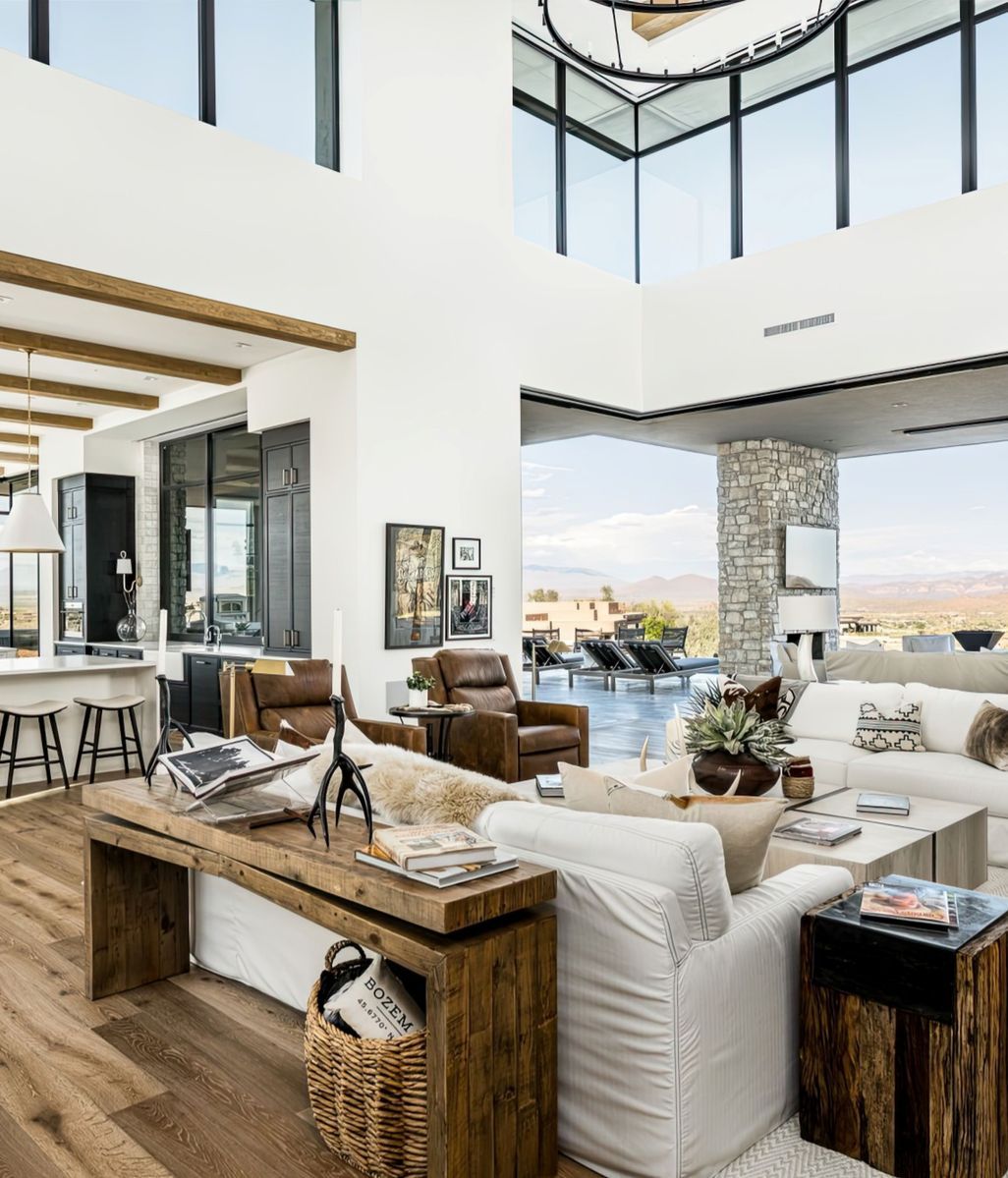
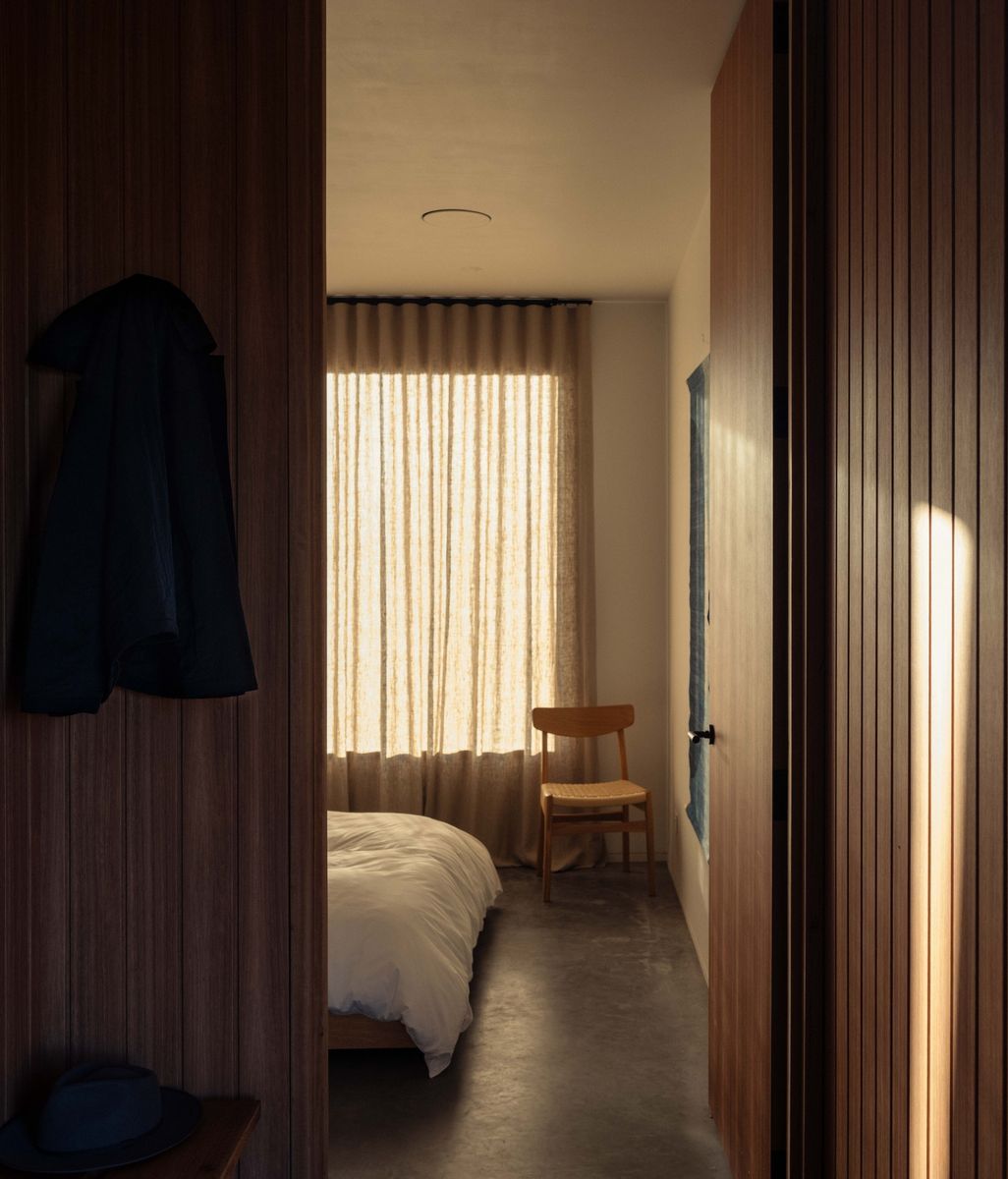
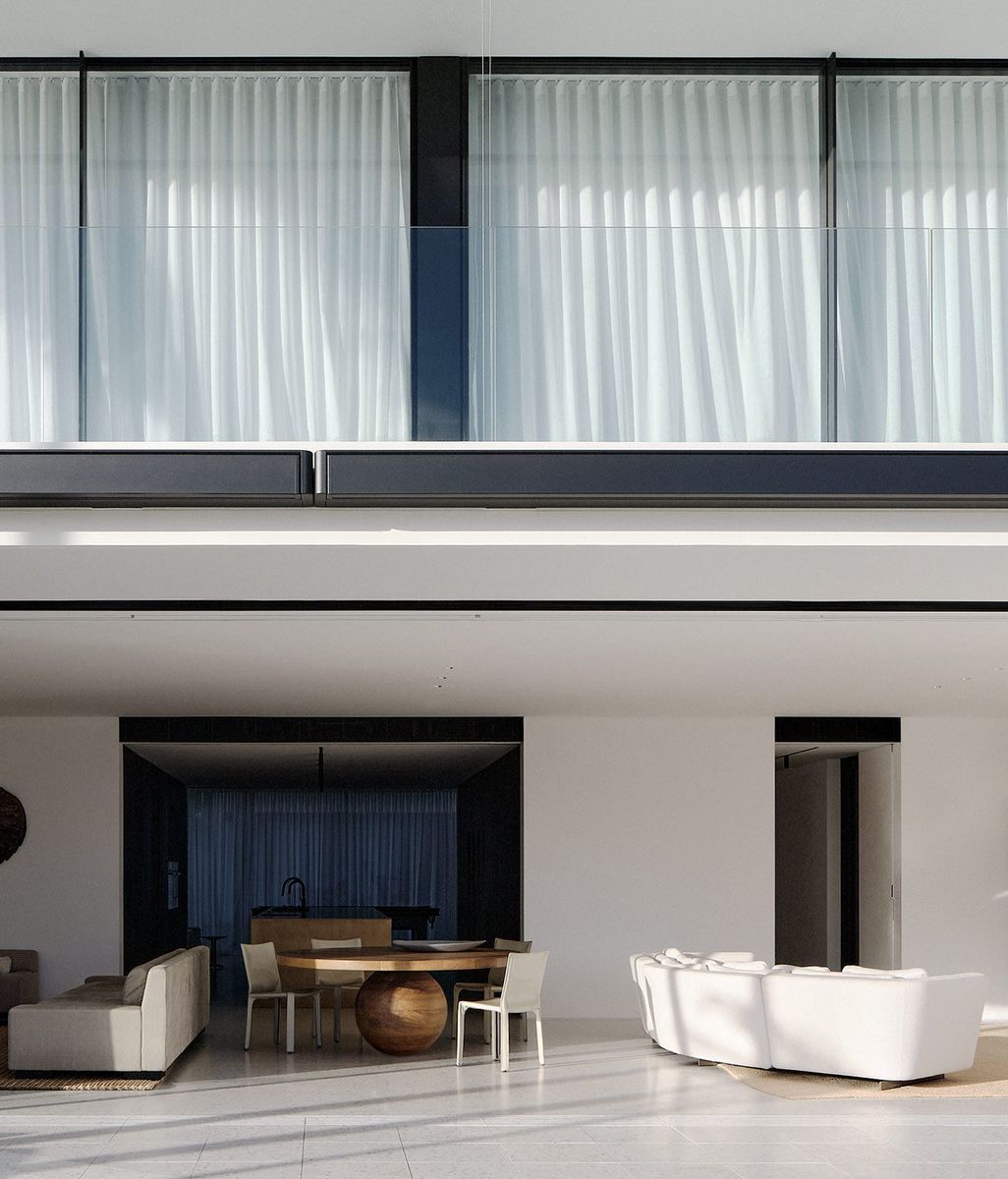
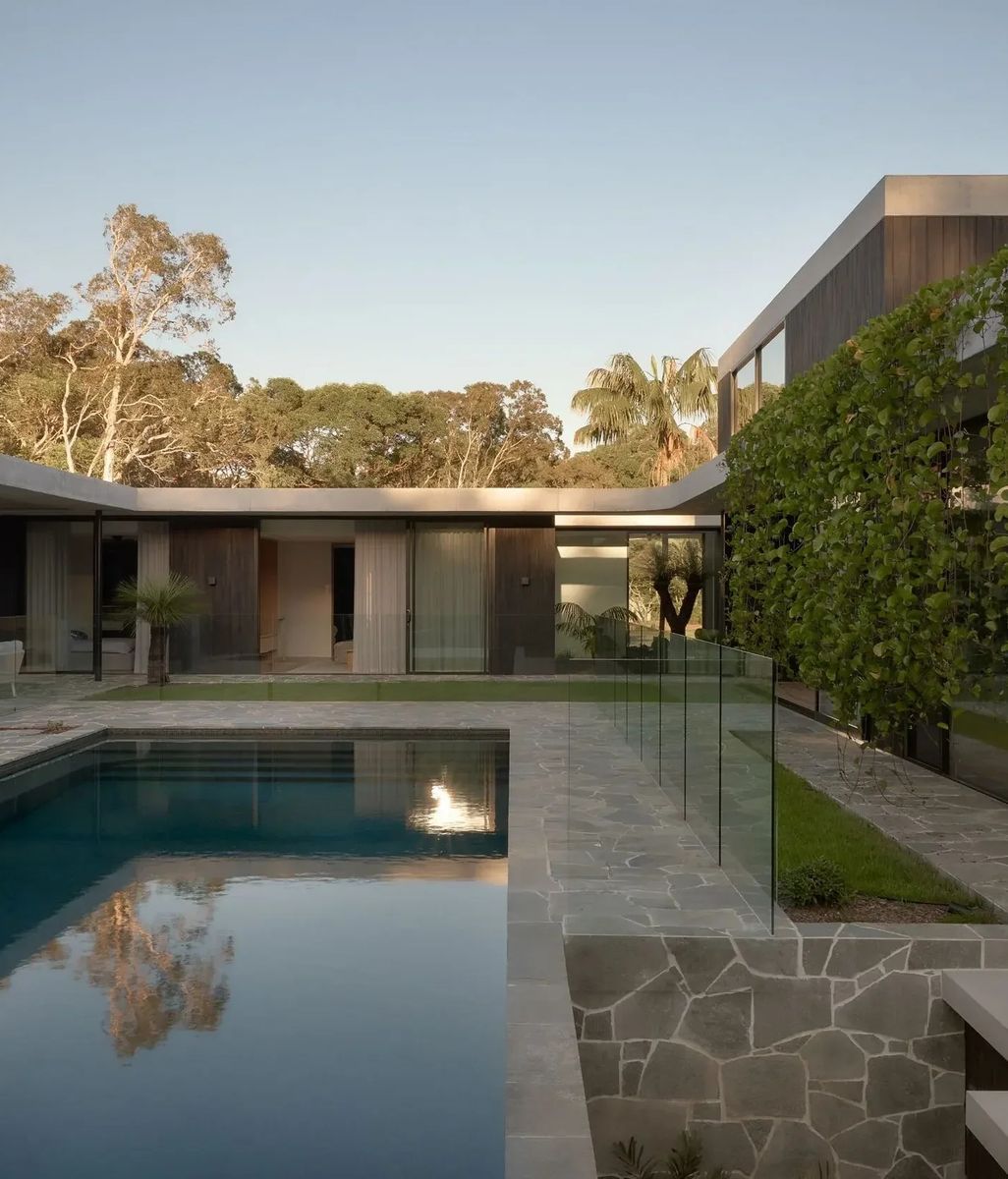
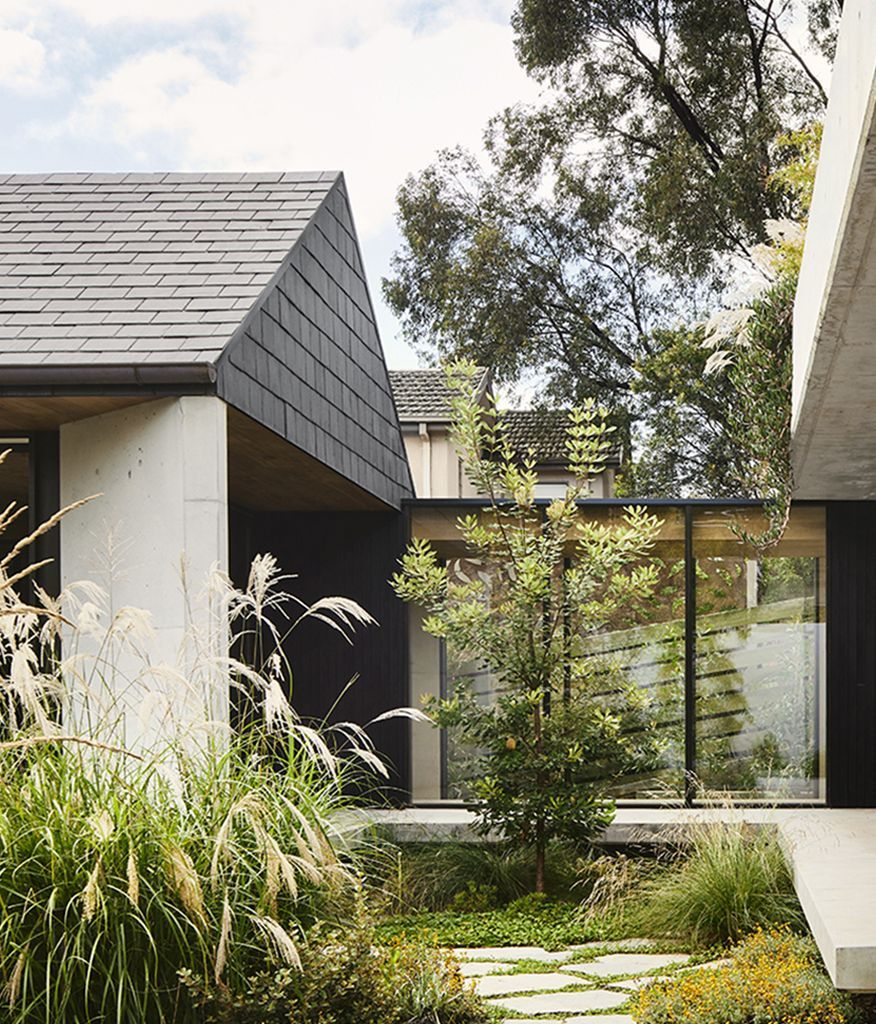
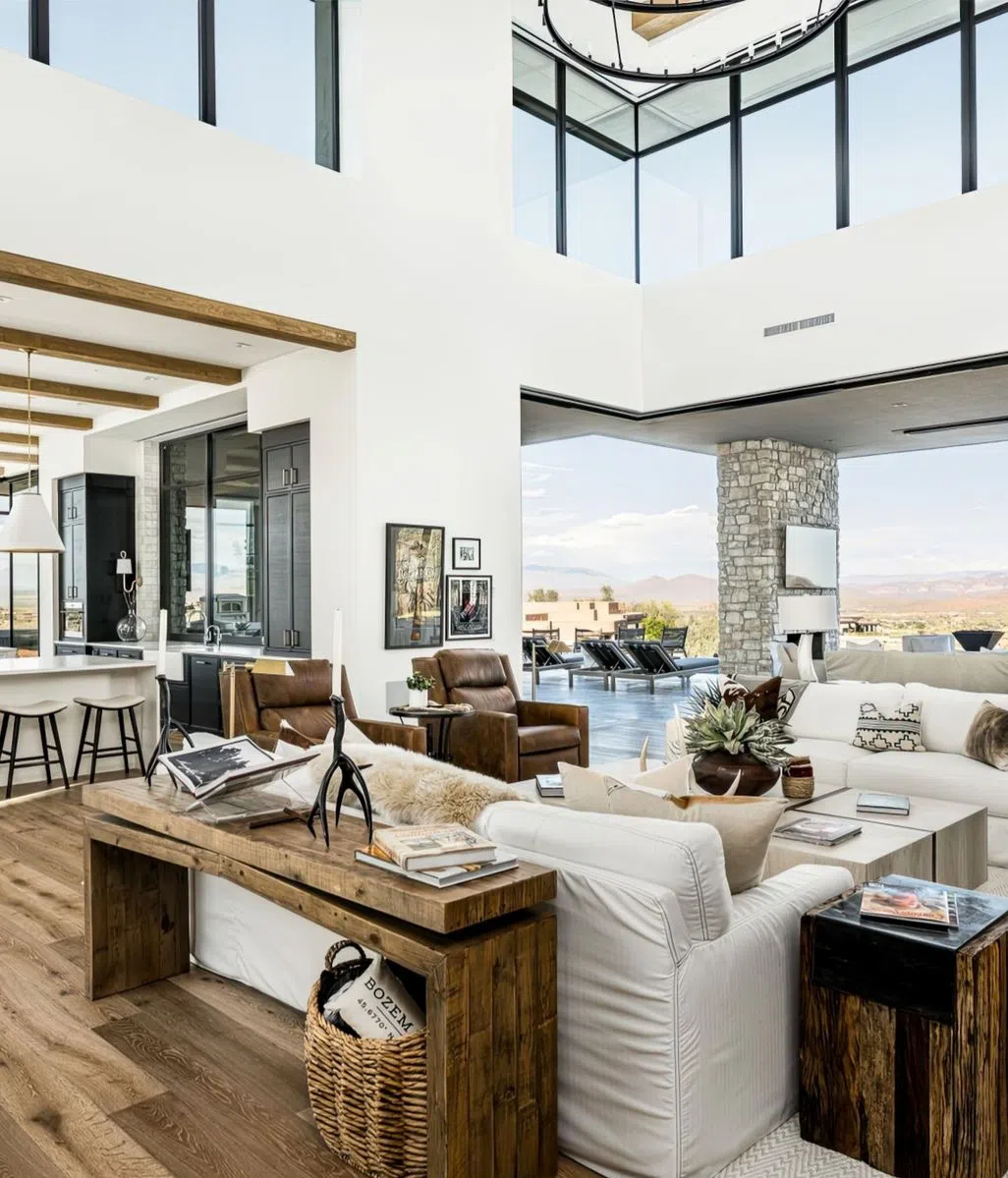
From expansive glazed openings that frame the landscape, to outdoor rooms that function as extensions of the interior, the relationship between inside and out has become an increasingly important consideration in residential architecture. As the distinction between these spaces continues to soften in response to shifts in ways of living and changing climate conditions, the need to reconsider the practical details that traditionally delineate outside from inside has become that much more important.

Nowhere is the need to consider the functions and aesthetics of the transition more important than at the threshold. A seemingly minor architectural element, its design has significant implications not only in terms of how we move between spaces and how successfully a building connects with its surroundings, but also how water is managed so that it flows where we want it to. 

For Australian drainage specialist Stormtech, resolving these competing requirements has been part of its design and manufacturing practice for more than three decades. Yet the development of its threshold drainage systems was not simply the result of product innovation. It was a response to a need identified by the architecture and design community itself.

© Stormtech

The 100ARTDiS linear drainage system

Innovation born of architectural need

Originally developed to address accessibility requirements, Stormtech’s threshold drainage systems emerged from a practical challenge: how to eliminate the physical barriers between internal and external spaces without compromising a building’s ability to manage water.

Traditionally, doorways have relied on raised thresholds or changes in floor level to prevent water ingress. While effective, these details interrupt the sense of cohesion between adjoining spaces and can also create obstacles for people with limited mobility.

Stormtech’s solution was to develop a linear drainage system that could be integrated with the doorway, capturing water and directing it away from the building while enabling a level transition between internal and external floor surfaces.

Although the company developed the technical solution, the impetus came from architects and designers seeking to resolve a particular architectural problem.

“The accessibility and form requirements came initially from the design community,” explains Stormtech Managing Director, Troy Creighton. “Although Stormtech can proudly claim to have invented these solutions, the request to create them came from the design community.”

What began as a response to accessibility requirements subsequently presented broader architectural possibilities. By removing the need for a pronounced step between inside and out, threshold drainage allowed designers the design scope to consider greater visual and physical continuity, further enhancing the interconnected and dynamic relationship between Australian homes and their surrounding landscapes.

© Stormtech

The 100TRTDiS

Where technical performance meets architectural intent

The apparent simplicity of a seamless threshold belies the complexity involved in achieving it.

Stormtech’s threshold drainage systems incorporate linear stainless steel channels designed to work with door sills and subsills, capturing surface runoff, wind-driven rain and condensation before directing water away from the building.

Positioned alongside the doorway, the drainage grate can sit flush with the adjoining surface, allowing internal and external floor finishes to meet without the interruption of a conventional raised threshold.

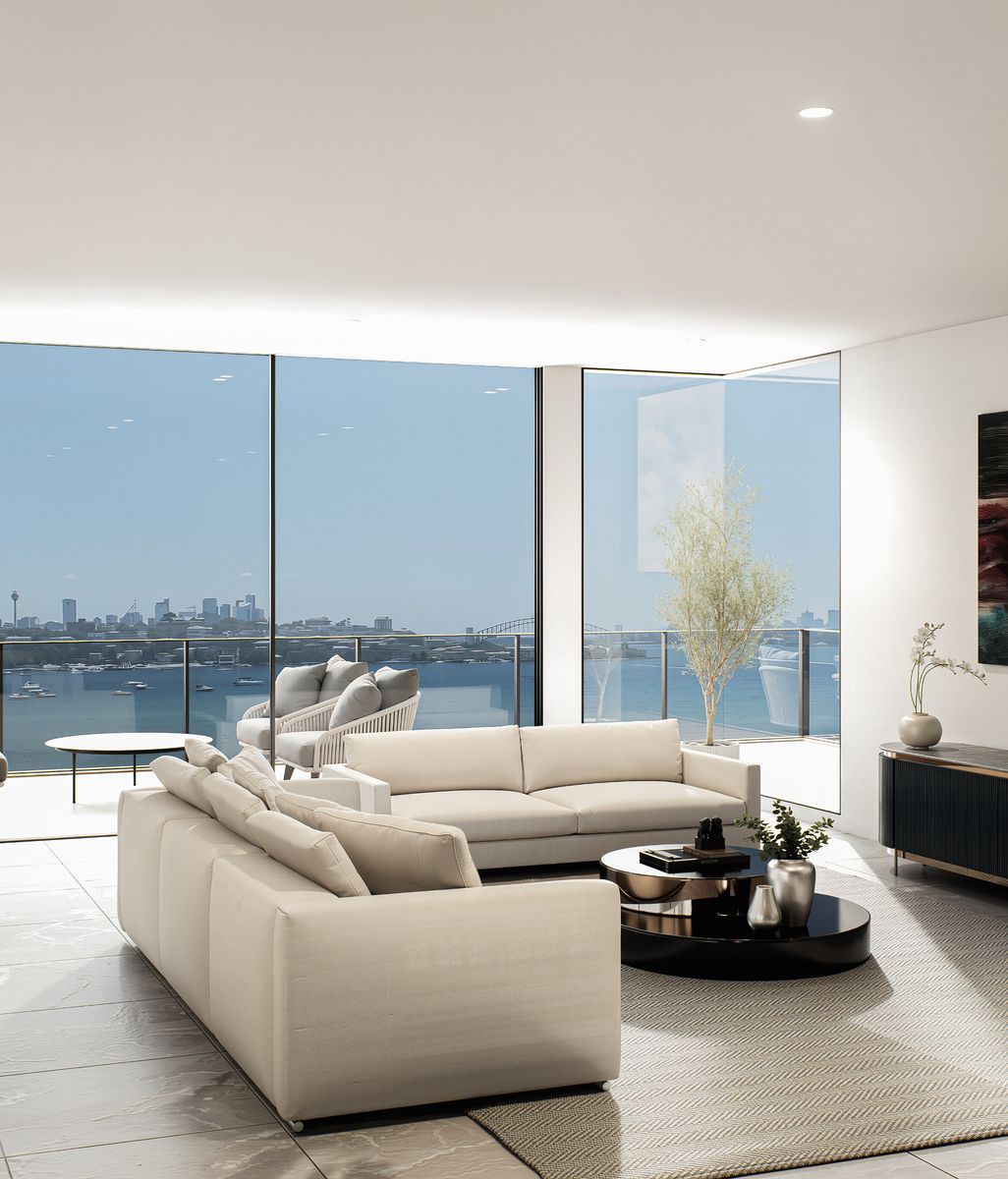
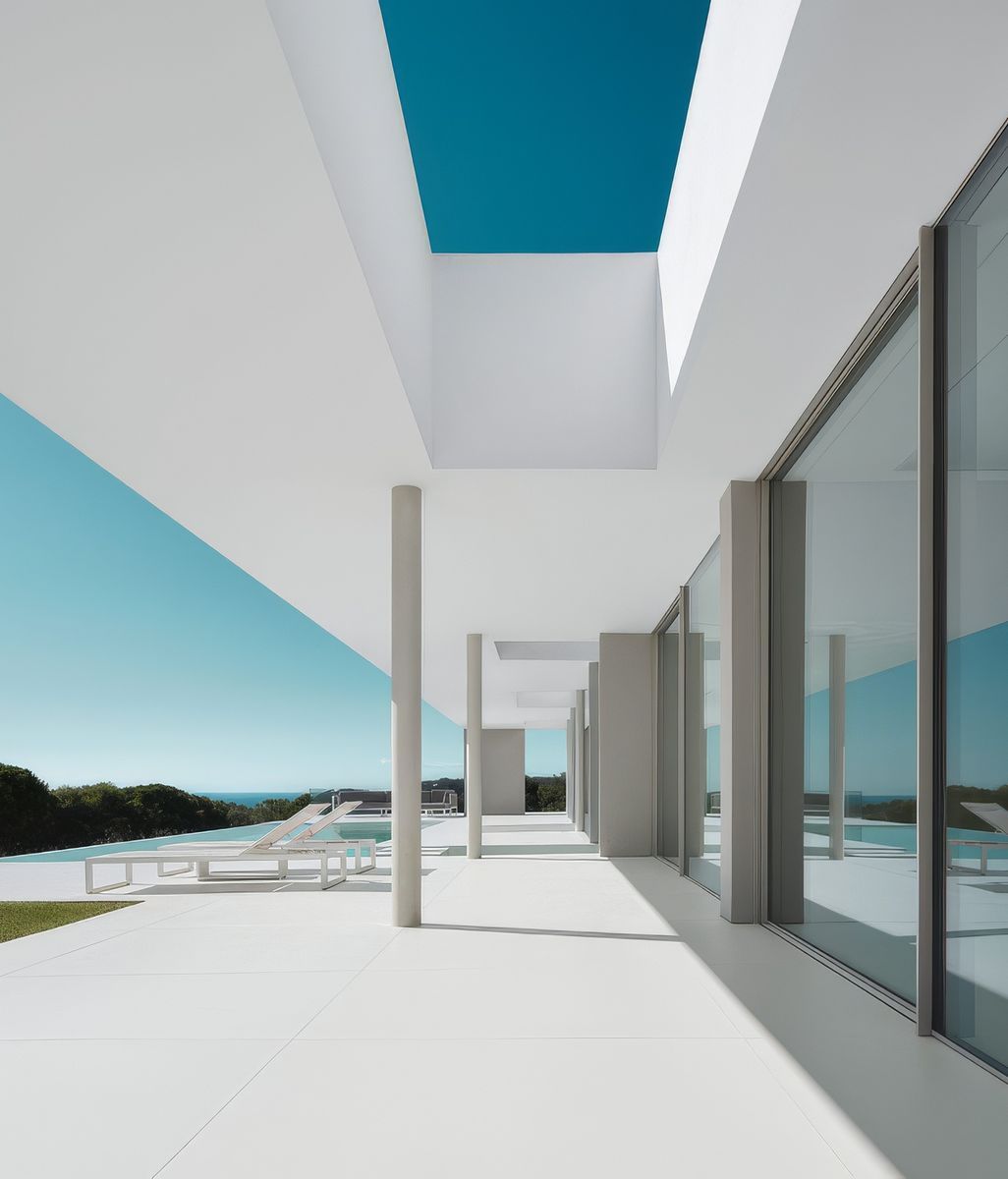
For architects, this creates opportunities to establish a stronger relationship between adjoining spaces. Large sliding or bifold doors can open onto terraces, courtyards and gardens, while continuous or complementary floor finishes reinforce the sense of a connected living environment.

However, because no two thresholds are necessarily alike, Stormtech’s solution is not one size fits all. “Almost every threshold is different,” Creighton explains. “These differences can be simply the number of door manufacturers, the site and situation of the building, the application requirements from load rating to slip resistance to colour requirements.”
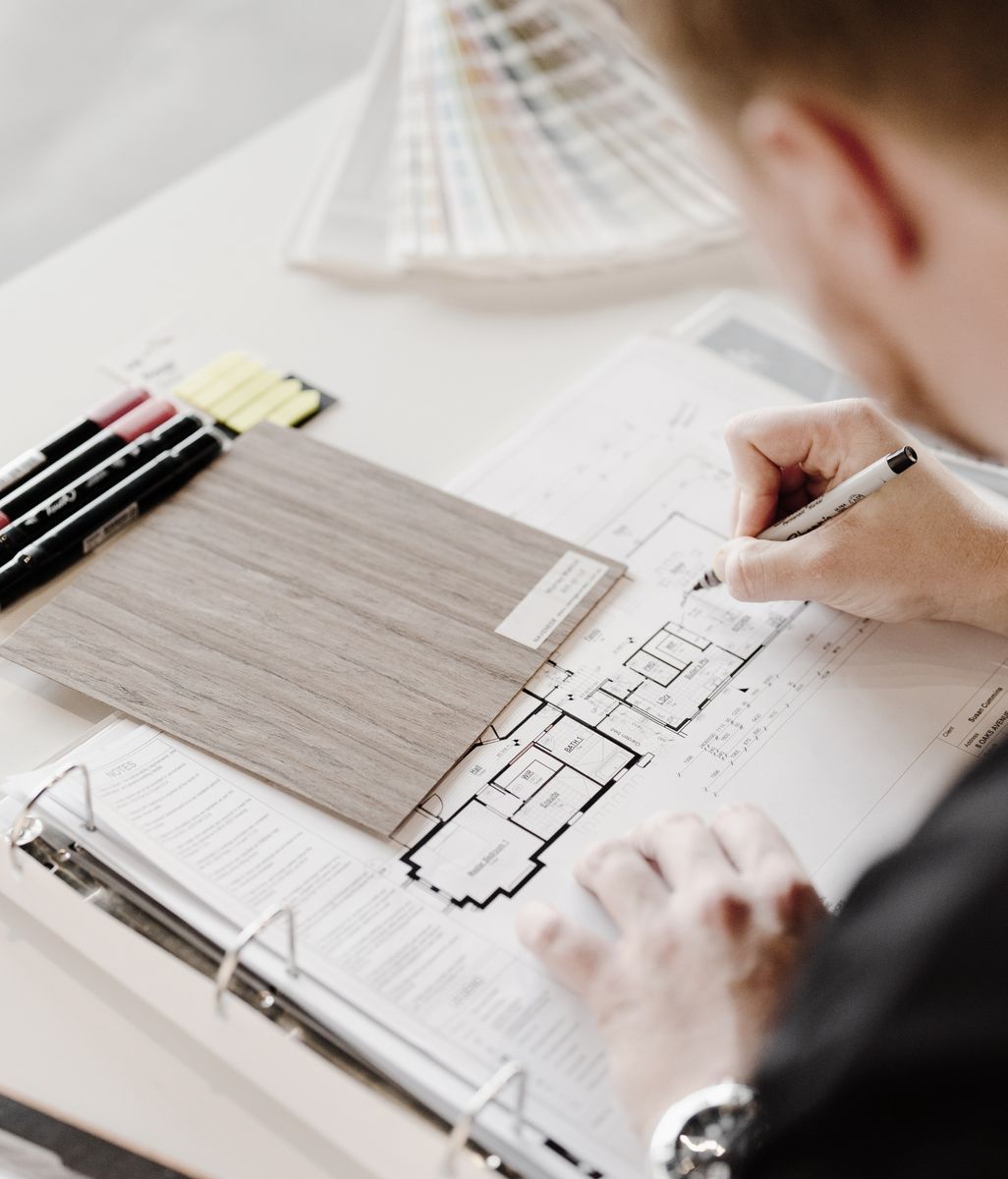
With over 30-years of experience designing threshold drainage solutions, as Creighton notes, “no other manufacturer understands the necessities required for an effective solution that will blend with a desired design aesthetic.”

Working collaboratively and directly with the architect, Stormtech systems can be manufactured to specification, with custom lengths, channel dimensions and configurations designed to integrate with different door and window profiles. A choice of grate designs, including wedge wire, tile insert and the award-winning Wave grate, provides further flexibility in how the drainage detail is expressed.

This collaborative approach allows the practical considerations of waterproofing, drainage and accessibility to be resolved alongside the architectural design, rather than treated as an afterthought.

It also demonstrates the value of involving technical specialists early in the design process, when decisions about door systems, floor levels, materials and construction details can still be coordinated.

© Stormtech

The 65ARTDiS.

Local expertise in a changing regulatory landscape

As Australian building requirements continue to evolve, the ability to reconcile architectural intent with technical and regulatory obligations is becoming increasingly challenging.

The National Construction Code’s (NCC) requirements for accessible entrances, weatherproofing and drainage already demand careful coordination, while the staggered adoption of NCC 2025 across Australian states and territories starting in 2027 introduces further considerations for architects and specifiers working across different jurisdictions.

For Stormtech, whose products have been developed and manufactured in Australia for more than 30 years, understanding these requirements is integral to the design process.

“The knowledge of how to specify, manufacture, install and maintain the products was all developed in Australia, by Stormtech,” Troy explains.

That expertise extends beyond fabrication to an understanding of the local construction industry, regulatory framework and the particular environmental conditions in which its products must perform.

© Stormtech

The 100ARTDi.

A a result of Stormtech’s tried and true approach to technical advice, collaborative design and custom manufacturing, they’re well positioned to continue supporting architects and designers as requirements evolve.

Its contribution to Australian drainage design has also been recognised through multiple awards, including a Design Mark at the 2004 Australian Design Awards for its linear drainage systems, a further Design Mark for its collaboration with Marc Newson in 2014, and a Good Design Award in 2023 for its Wave grate.

Yet perhaps the more meaningful measure of its expertise is the continuing relationship between the manufacturer and the design community that first prompted the development of threshold drainage.

As our expectations of residential architecture evolve, achieving a seamless connection between inside and out remains as much a technical challenge as an aesthetic ambition. Stormtech’s threshold drainage systems prove that when you allow the practical demands of a building to support, rather than constrain the design intent, it becomes possible to enhance the way we want to live without compromising on function or safety. 

For expert insights and guidance on threshold drainage solutions, talk to the Stormtech team directly.

Like this Article?
Get in touch with Stormtech